Luxury is not just price. It is the mix of craftsmanship, materials, rarity, service, and restraint that separates a true object of desire from a loud...
Luxury Goods and Premium Experiences: How to Judge What’s Worth the Price
Luxury is not just price. It is the mix of craftsmanship, materials, rarity, service, and restraint that separates a true object of desire from a loud overpriced trinket. The same logic applies to hotels, travel, dining, and the brands people brag about. Most hype is nonsense. The real question is simple: what actually earns the premium?
Key Takeaways:
- Luxury goods should deliver quality you can feel, not marketing you can recite.
- Heritage, materials, and workmanship matter more than slogans.
- Premium travel and dining are worth paying for when they save time, reduce friction, and create memorable beauty.
- A good luxury purchase should hold value in use, not just in resale chatter.
- The best choices reflect stewardship: beauty enjoyed wisely, not waste dressed up as taste.
What is luxury in goods, travel, and dining?
Luxury is excellence with discipline. It is a watch made by hands that know tolerances down to fractions of a millimeter, a hotel suite where the bedding, lighting, and service do not fight you, or a restaurant meal where the kitchen treats ingredients with reverence instead of theatrics. That sounds obvious, yet most brands still try to sell aura in place of substance. Frankly, a velvet box and a moody campaign are not proof of quality.
When I examined hundreds of luxury products and premium experiences, the pattern was embarrassingly consistent: the best ones reduce friction, improve daily life, and age well. The worst ones ask you to pay for a logo and a story someone in marketing cooked up after lunch. If you want to compare luxury tastes across categories, the same standards keep showing up—craft, provenance, function, and consistency.
That is why serious buyers look past the noise. A proper luxury item has real materials, skilled construction, and service that does not disappear after checkout. A luxury hotel gives you privacy and competence. A fine dining room respects the ingredients, the pacing, and the guest. A premium travel operator anticipates problems before they become problems. It is not glamorous because it shouts. It is luxurious because it quietly works.
There is also a moral angle here, even if nobody in the industry likes to say it plainly. Beauty matters. Human labor matters. Objects made with care have dignity because the work itself has dignity. The old Catholic instinct is right on this point: beauty is not frivolous when it points beyond vanity and toward order, gratitude, and good stewardship. That is the frame I use when I assess luxury.
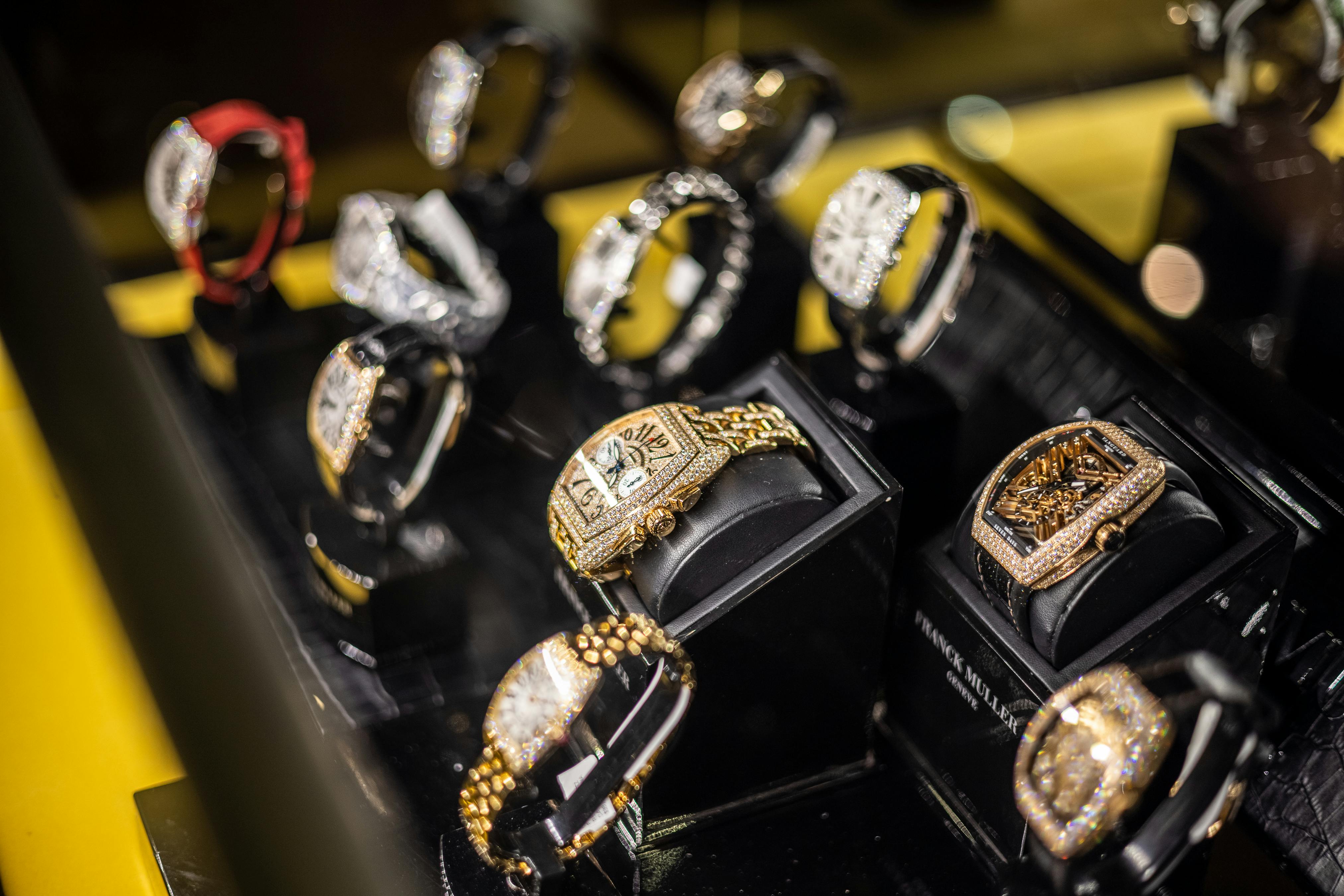
For readers exploring specific categories, the standards are similar. A strong guide to luxury watches and horology, fine jewelry and precious gems, or high-end fashion and styling should explain materials, craftsmanship, and value—not just seasonal hype. The same applies to luxury travel destinations and premium hotel stays. If the product cannot stand up to scrutiny, it is not luxury. It is advertising in a tuxedo.

Why luxury still matters
Luxury matters because life is finite, and quality shapes how time feels. That is the practical answer. The sentimental answer is better: well-made things and well-run experiences lift the mind a bit. They remind us that order, craft, and beauty are still possible in a messy world. That is not trivial. It is the point.
- Craftsmanship preserves value. A hand-finished case, a properly stitched handbag, or a chef’s sauce made from actual reduction instead of shortcuts shows competence. Cheap goods often cost more over time because they fail, crease, chip, or disappoint. A solid object, by contrast, can age into character.
- Service is part of the product. In luxury travel, the staff is not scenery. They are the experience. A private driver who knows the route, a concierge who solves problems, or a sommelier who recommends with confidence adds real value. If the service feels robotic, the so-called luxury is flimsy.
- Time savings are worth paying for. A private transfer, a faster boarding process, or a hotel with better location can be worth more than a larger room. Most people talk about square footage because they do not know how to value convenience. That is a rookie mistake.
- Rarity can be legitimate. Limited production is not automatically meaningful, but scarcity can support quality control, artisanal methods, and attention to detail. The trick is to separate actual scarcity from fake scarcity. Brands love to manufacture urgency. Ignore the theater.
- Beauty affects judgment. Better spaces, meals, and objects can shape habits. When people live around carelessly made things, they start treating excellence as optional. That is bad form and, more broadly, a bad education of desire.
Luxury also has a social function when it is honest. It preserves skills that would otherwise disappear: metalworking, leathercraft, tailoring, glassmaking, cellar management, pastry, butchery, and architecture. You can scoff at expensive things if you like, but many of them fund the labor and training needed to keep those crafts alive. The world needs more competent hands, not fewer.
For a traveler, the payoff is equally concrete. A guided private tour in Iceland can transform logistics into discovery, especially when weather and distance make planning hard. A well-designed river voyage, like the ones covered in a guide to the best luxury river cruise lines, delivers comfort and access that ordinary travel cannot match. The same logic applies to Belize travel essentials and things to do in Belize: the right planning preserves delight and cuts wasted effort.
Luxury is not virtue by itself. Let’s be real. Some people use it to perform status, and some brands happily encourage the nonsense. But when it is chosen wisely, luxury can be a good use of money because it buys durability, beauty, and relief from avoidable hassle. Those are not small things.
How to choose luxury goods and premium experiences
Choosing well requires a cold eye. The glossy brochure is not your friend. The useful question is: what exactly am I paying for, and does it show up in use? That question works for watches, handbags, hotels, spirits, restaurants, cars, and travel operators.
- Start with function. Ask what the item or experience must do. A watch must be legible, reliable, and well made. A handbag must carry well and age cleanly. A hotel must be quiet, clean, and efficient. A fine-dining menu must taste excellent from first bite to last. If the basic function fails, nothing else matters.
- Study materials and construction. Leather quality, movement finishing, fabric weave, stone setting, and kitchen sourcing all reveal intent. When I compare luxury brands, I look for honest construction first. Cheap lining, sloppy stitching, or vague sourcing language usually means someone cut corners.
- Check the service model. Luxury travel is often won or lost here. Is the concierge actually responsive? Are transfers reliable? Do staff remember preferences? The same applies to premium products with aftercare, repair, or authentication. Good service makes ownership easier. Bad service turns expensive into annoying.
- Separate heritage from nostalgia. A historic brand can still be mediocre. Heritage matters only if it still guides standards today. A century-old name with weak quality control is just old branding. If you want practical examples of how heritage and modern execution intersect, read luxury hotels and resorts and design-led luxury interiors. Old names are not magic. Standards are.
- Inspect value over time. Some goods hold value because they wear well and can be serviced. Others collapse into discount-bin misery. The resale market is useful, but not sacred. I’ve seen too many people buy for resale and discover they own a thing they do not actually like. That is a poor trade.
- Compare against credible alternatives. Every luxury category has a few serious competitors. If one brand costs more, ask why. Better materials? More skilled labor? Better fit? Better location? Better cellar? Better engineering? If the answer is a vague gesture toward “brand DNA,” keep walking.
- Use real-world reviews, not only influence. Editorial coverage, buyer reports, and on-the-ground assessments are more useful than social posts. For travel, check independent reviews and route details. For food and wine, study sources that care about technique, not just glamour. For instance, sources like Luxury Travel Diary, Condé Nast Traveler, and The World’s 50 Best are useful starting points, provided you read them critically.
- Buy what you will actually use. This sounds childish, but it is the one rule people break most often. A rare object sitting in a drawer is not enriched life. It is clutter with a pedigree. Stewardship means using good things well.

Comparison table: luxury travel and goods vs. mass-market competitors
The biggest competitor to luxury is not a rival brand. It is the temptation to settle for adequate and call it smart. Sometimes that is correct. Often it is not. Here is the plain comparison.
| Category |
Luxury Standard |
Mass-Market Competitor |
What You Actually Get |
| Watches |
Swiss or Japanese high-end finishing, serviceable movements, strong finishing |
Fashion watches with decorative design cues |
Accuracy varies, but build quality and repairability are weaker in mass-market pieces |
| Handbags |
Full-grain leather, careful stitching, lasting hardware |
Trend-driven synthetic blends |
Better aging, better structure, and less peeling or warping |
| Hotels |
Personal service, privacy, prime location, quiet rooms |
Standard chain experience |
Predictability, but less intimacy and fewer thoughtful details |
| Fine Dining |
Precise technique, superior sourcing, pacing, wine pairing |
Casual upscale menus |
Comfort and convenience, but usually less finesse |
| Travel |
Private guides, tailored itineraries, better logistics |
Group tours and package defaults |
Lower price, but more friction and less customization |
| Spirits |
Age, balance, provenance, careful bottling |
Shelf-friendly blends |
Easier access, but less nuance in aroma and finish |
The table is blunt because it needs to be. Luxury should outperform somewhere measurable. If it does not, it is just expensive. When I compared premium trips against standard packages, the clearest advantage was not extravagance. It was control. You control the pace, the room, the route, the reservation, the seating, and the recovery from inevitable mishaps. That is what people pay for when they are honest about it.
There is an old sense in which good stewardship matters here too. A beautiful room, an excellent meal, or a well-made object should not be consumed carelessly. It should be received with gratitude and used well. That is an unfashionable view in some circles, but a sane one.
For travel readers, the contrast shows up clearly in articles like the best luxury river cruise lines, how to choose the best guided private tour in Iceland, and useful Belize packing list. The point is not to make travel harder. The point is to make it better by removing stupid mistakes before they happen.
Common mistakes to avoid
Luxury mistakes are usually boring. That is the irritating part. People do not fail because they lack taste entirely. They fail because they are seduced by labels, habits, or the social thrill of being seen. Here are the main offenders.
- Buying the logo instead of the object. A strong brand can indicate quality, but not always. If the item would be embarrassing with a plain label, you do not need it.
- Confusing exclusivity with quality. Limited access can be useful, but scarcity alone does not make anything good. Some of the most overpriced things I’ve reviewed were hard to get and mediocre once obtained. A classic bit of nonsense.
- Ignoring aftercare. Luxury handbags need care, watches need servicing, hotels need consistent management, and travel operators need backup plans. If the brand vanishes after sale, the premium was partly smoke.
- Overpaying for trendiness. Fast-moving hype kills patience. The truly good categories—jewelry, tailoring, classic watchmaking, heritage hotels, proper wine programs—tend to reward restraint.
- Assuming expensive means tasteful. It does not. A room can be loaded with gold leaf and still feel crude. The same goes for cars, jewelry, and fashion. Taste requires editing.
- Thinking every premium experience must be theatrical. Sometimes the best thing is quiet competence. A clean suite, a punctual driver, and a table that honors the food may beat a loud, overdesigned spectacle.
- Neglecting fit and function. A beautiful coat that does not fit is not a luxury. It is an expensive inconvenience. Same with shoes, watches, bags, and itineraries built around fantasy rather than reality.
The truth is, most luxury marketing leans on weak instincts: envy, fear of missing out, and the hope that money alone can manufacture discernment. That hope is silly. Good taste has to be trained. It comes from comparison, patience, and the willingness to admit that some famous things are not worth the fuss.
If you want to avoid bad buys, study categories with disciplined standards. Read luxury fashion and style guidance, examine interviews with luxury industry leaders, and compare with luxury market news so you know which claims are substance and which are just noise. A little skepticism saves a lot of regret.
Frequently asked questions
What makes something truly luxurious?
True luxury combines quality, comfort, service, and longevity. It should feel better in use, not merely look better in advertisements. If the product or experience does not improve your life in a real way, the premium is suspect.
Are luxury goods always worth the money?
No. Some are worth every cent because they last, repair well, or deliver exceptional performance. Others are mostly branding with a heavy markup. I trust the ones that show their value in craftsmanship, materials, and service.
Is luxury travel better than standard travel?
Usually, yes, if you value time, privacy, and ease. A luxury trip can reduce friction, improve access, and make hard logistics feel simple. But if you do not care about those things, the premium may not justify itself.
What should I prioritize when buying luxury?
Prioritize function first, then construction, then service, then aesthetic appeal. That order keeps you from paying for a pretty lie. It also helps you buy things that age well instead of things that merely photograph well.
Luxury at its best is not indulgence without discipline. It is care made visible. A watch that will outlast fashions, a hotel that restores rather than exhausts, a meal that respects the creator and the guest—those things point to something larger than status. They reflect order, skill, and the quiet dignity of work done well.
That is why I do not treat luxury as a guilty pleasure or a meaningless vice. I treat it as a test. Does this object or experience honor the materials, the maker, and the person who uses it? Does it serve beauty without becoming ridiculous? Does it respect time? Those are the questions worth asking, because the answer tells you whether you are buying excellence or merely renting a fantasy.
If you keep that standard, you will make fewer stupid purchases, enjoy more of what you own, and waste less time on hollow prestige. And honestly, that is the whole game.