Luxury goods and premium experiences are not just expensive things. They are carefully made objects, tightly controlled services, and rare settings where...
Luxury Goods and Premium Experiences: What’s Worth Paying For, and What Isn’t
Luxury goods and premium experiences are not just expensive things. They are carefully made objects, tightly controlled services, and rare settings where materials, labor, time, and judgment all show up in the bill. The problem is that plenty of luxury marketing is polished nonsense. The real question is whether the quality, craftsmanship, scarcity, and experience justify the price.
Key Takeaways
- True luxury is about craftsmanship, not just logos.
- The best value often lies in durability, service, and rarity.
- Travel and hospitality can be more meaningful than objects when done well.
- Overpaying for branding is common; discernment matters.
- Beauty, when properly made and well used, reflects stewardship rather than vanity.
What is luxury, exactly? It is the point where function, beauty, and labor are pushed past the ordinary, then wrapped in scarcity and service. When I examined high-end brands across watches, hotels, travel, handbags, and fine dining, the pattern was obvious: the best examples respect time, materials, and the person using them. The weak ones sell status and call it excellence.
Luxury is not the same as price. That’s the first thing to get straight. A costly item can still be cheap in the moral and practical sense if it falls apart, wastes resources, or exists mainly to impress strangers. On the other hand, a thoughtfully built watch, a quiet hotel suite, a chef-driven meal, or a well-designed leather bag can carry real value because it solves a human need beautifully. There’s a reason people keep coming back to heritage maisons, alpine resorts, and old-school dining rooms: they understand proportion, restraint, and discipline.
I’ve reviewed enough luxury products and premium stays to say this plainly: most luxury is mediocre with better lighting. That sounds harsh, but it’s true. The good stuff reveals itself through tactile details, service that anticipates needs without becoming clingy, and materials that age well instead of looking exhausted after six months. Beauty matters here too, not as vanity, but as an echo of order. In Catholic thought, craftsmanship is never just decoration; it is a form of dignity. A well-made object honors the work of human hands. That idea matters more than the brochures admit.
Luxury also spans categories in a way that makes shopping and planning harder. You are not comparing like with like when you weigh a Swiss timepiece against a beachfront villa, or a tasting menu against a designer coat. Yet the same standards apply: origin, workmanship, consistency, service, and whether the thing improves your life or just empties your wallet. Frankly, that’s the whole game.
If you want a travel-centered example, compare a generic beach holiday to a place built for calm, privacy, and exceptional service. A property like Angsana Corfu Resort & Spa is judged not by marble alone but by how well the setting, rooms, food, and service work together. Same with mountain resorts such as the Bürgenstock Resort and Alpine Spa, where the experience depends on view, silence, wellness, and the discipline of every small detail.
Luxury, then, is a practice. It is not merely consumption. It asks whether an item or experience is worthy of the time, money, and attention you are putting into it. And that, more than the logo, is what actually counts.
What is luxury goods and premium experiences?
Luxury goods are high-end products built with superior materials, careful finishing, and brand heritage that often spans decades or centuries. Premium experiences are services or settings designed to feel rare, comfortable, and memorably well executed. That includes luxury travel, fine dining, bespoke hospitality, collectible fashion, high jewelry, and horology.
Here’s the kicker: luxury is not one thing. A watch collector, a Michelin-star diner, and a traveler booking a private overwater villa are all buying different outcomes. One wants mechanical precision. Another wants flavor and service choreography. A third wants privacy, water, light, and a view with no interruptions. The common thread is intentionality. Luxury should be made on purpose, not just priced on purpose.
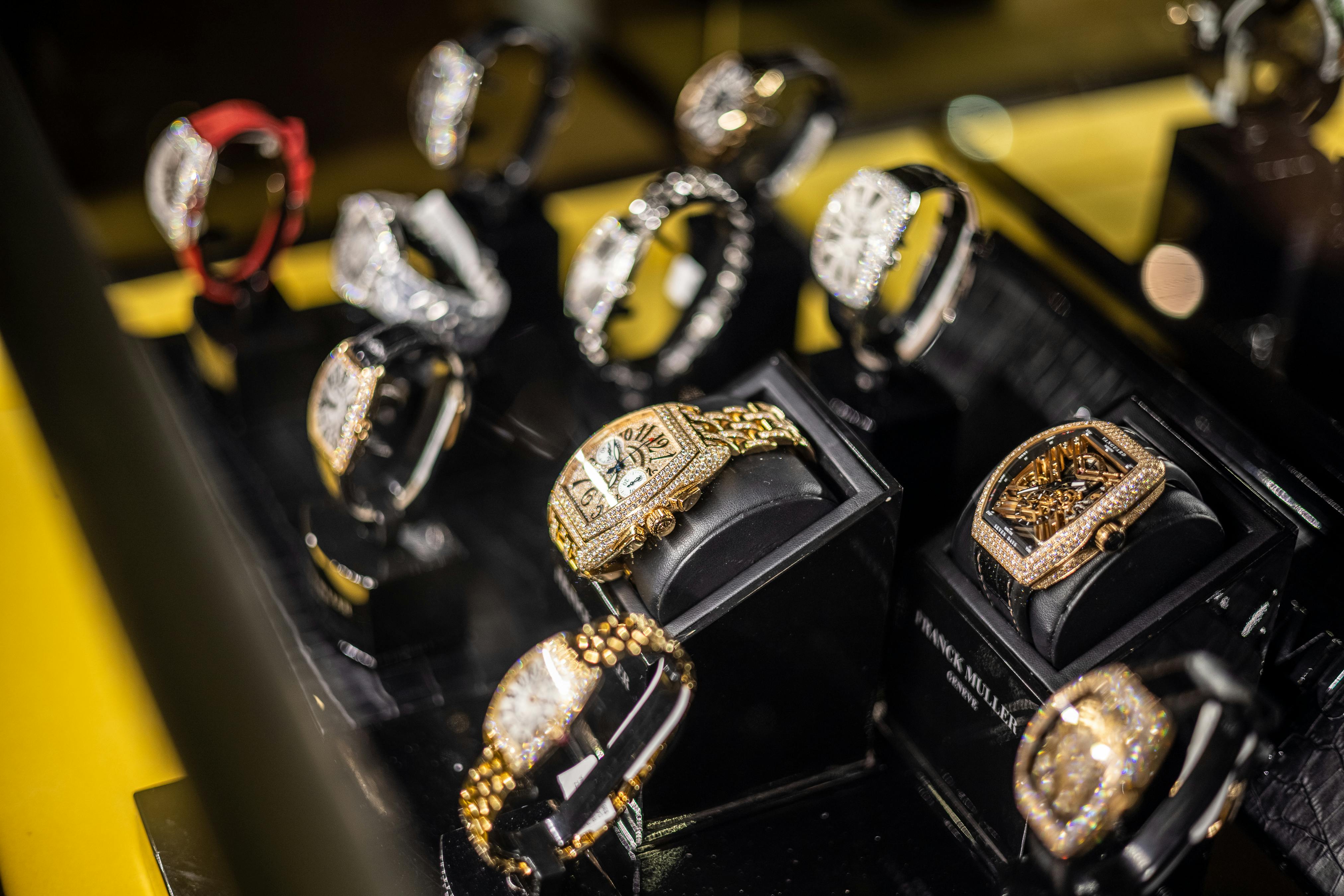
In watches, for example, the real value often sits in movement architecture, finishing, materials, and reputation for long-term service. In handbags, it is leather quality, stitching, structure, and whether the bag keeps its shape after actual use. In travel, it is the quality of sleep, the intelligence of the staff, and whether the place gives you peace instead of noise. In fine dining, it is restraint, sourcing, technique, and a kitchen that can repeat excellence on a busy night. That last part matters. A single clever plate means little if the whole experience falls apart.
Luxury brands know this, of course, and they spend fortunes telling you they know it. But branding is not the same as substance. Some names earn their premium through generations of work, while others trade on scarcity and social aspiration. I’m skeptical by habit, and you should be too. When a product or hotel calls itself luxurious, ask what exactly is being made better: the materials, the service, the performance, the privacy, or just the margin.
Luxury also has a cultural dimension. It has always been tied to patronage, artistry, and the preservation of skilled work. That matters because human excellence deserves a place in the world. A watchmaker hand-finishing a movement, a chef sharpening flavor with discipline, or a carpenter carving a quiet piece of furniture is not doing empty vanity work. They are making something ordered and beautiful. And yes, that is worth noticing.
For travelers, this distinction shows up in the difference between an average five-star chain and a property that understands place. Read a few serious hotel reviews, such as the latest luxury hotel coverage, and the same themes keep appearing: atmosphere, service rhythm, design coherence, and how well the property handles small problems before they become your problem. That’s the mark of real quality.
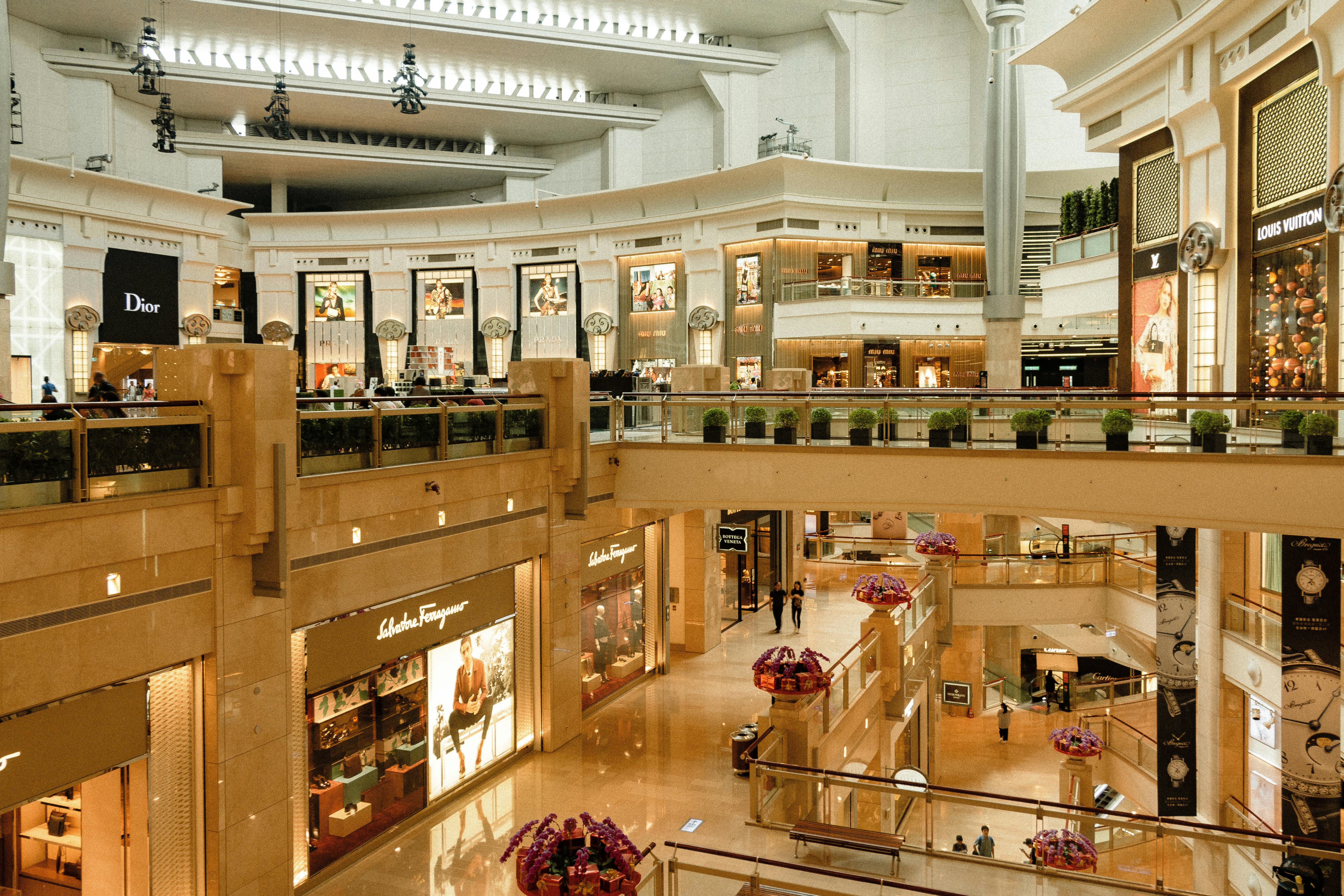
Core benefits and why luxury still matters
Luxury matters because well-made things and well-run experiences save time, reduce friction, and reward discernment. The best examples also age with grace. That alone separates them from fast consumer junk dressed up with nicer packaging.
- Durability: Better materials and construction often mean fewer replacements, fewer repairs, and better long-term value.
- Service: Premium hospitality usually includes faster problem-solving, stronger personalization, and more competent staff.
- Comfort: Real luxury improves daily life through better ergonomics, better sleep, better food, and better flow.
- Exclusivity: Scarcity can create real access to quieter spaces, smaller groups, and less rushed service.
- Craftsmanship: Skilled work preserves techniques that mass production would otherwise flatten.
- Emotional value: Some things simply give lasting pleasure because they are beautiful, and beauty is not a trivial matter.
Let’s be real: a lot of people buy luxury to signal status. That happens. But signaling is not the full story. A better handbag, a finer pair of shoes, or a meticulously made watch may become part of a person’s daily rhythm for years. That matters more than people admit. A well-chosen object can make you more attentive to your own habits, which is a fairly civilized thing in a world that rewards sloppiness.
Luxury travel has special value when it creates rest. The modern world is noisy, hurried, and frankly exhausting. A resort that gives you silence, space, and competent service is not frivolous; it is restorative. That is why luxury hotels and destinations continue to grow. Serious travelers are not only chasing novelty. They want quality sleep, clean architecture, good food, and staff who actually notice what they need. Browse premium destination features like exclusive destinations and premium experiences, and you will see how often the best trips are defined by calm rather than excess.
Fine dining offers another benefit: disciplined pleasure. A serious restaurant uses sourcing, timing, and technique to produce flavor that cannot be faked. It teaches appreciation and restraint. That may sound lofty, but it is true. A meal can be luxurious without being ostentatious. In fact, the best meals often avoid showiness. They respect ingredients, the farm, the season, and the person eating. That’s a healthier ethic than the “more foam, more drama” nonsense some kitchens mistake for sophistication.
There is also a stewardship angle that gets ignored in glossy marketing. If you buy fewer things but better things, you often end up wasting less. That is common sense dressed in good manners. Luxury, at its best, encourages care, repair, and long use. Not every expensive object achieves that, of course, but the principle stands.
Step-by-step guide to choosing luxury well
Choosing luxury well requires discipline. You cannot rely on advertising copy, celebrity campaigns, or a sales associate with a practiced smile. Those may help, but they are not proof.
- Start with purpose. Ask what you actually need. Is this for daily use, collection, travel, or a special occasion? If you cannot answer that, wait.
- Study materials and construction. For goods, inspect leather, metal, fabric, stitching, movement, and finishing. For travel, study room layout, service quality, food standards, and the property’s location. I look for evidence, not adjectives.
- Compare the maker’s history. Heritage is not magic, but it matters when a brand has demonstrated consistency over decades. For more on how legacy and reputation are built, the reporting in luxury industry news and brand updates can be useful.
- Check maintenance and aftercare. Real luxury should come with repairability, good support, or at least a clear service path. If an expensive item is impossible to maintain, that is not excellence. That is trouble wearing expensive shoes.
- Look for restraint. Good luxury rarely shouts. It is usually balanced, quiet, and confident. Loud logos can be fine, but they are not proof of substance.
- Test the experience. For hospitality and dining, read actual reviews, note repeated praise, and watch for patterns. One glowing review is a shrug. Ten consistent ones mean something.
- Measure fit against your life. The best luxury becomes part of your routine or memory in a useful way. If it lives in a box, rarely used, it may be collecting dust instead of value.
I’ve seen too many people chase the “best” version of a thing when they really needed the right version. That’s a costly mistake. The most expensive watch is useless if you never wear it. The most famous resort is pointless if it does not suit your pace. The largest suite is annoying if it feels empty and cold. A luxurious life is not about maxing out every category. It is about choosing well.
When shopping for fashion, handbags, or jewelry, I favor pieces that can be worn often without feeling fragile. When selecting travel, I prefer properties with strong architecture, intelligent service, and a sense of place. For fine dining, I watch how the meal unfolds from amuse-bouche to dessert and whether every course has a reason to exist. The world has enough excess. What it lacks is judgment.
If you want a practical guide to premium stays and planning, see the broader luxury travel coverage, where destination context and hotel quality are evaluated with more rigor than most glossy brochures bother to manage.
Luxury goods vs. premium experiences: comparison table
The table below compares luxury goods with premium experiences. They overlap, but they are not identical beasts.
| Factor |
Luxury Goods |
Premium Experiences |
| Main value |
Craftsmanship, materials, durability |
Service, atmosphere, privacy, memory |
| Examples |
Watches, handbags, jewelry, fashion |
Luxury hotels, resorts, cruises, fine dining |
| What you pay for |
Maker reputation, finishing, scarcity |
Access, convenience, comfort, staff quality |
| Best use case |
Long-term ownership, daily wear, collection |
Special trips, celebrations, restorative time |
| Common weakness |
Brand inflation, logo obsession |
Overcrowding, inconsistency, performative service |
| Biggest competitor |
Well-made contemporary or heritage alternatives |
High-end mainstream hospitality and dining |
| What proves quality |
Fit, finish, longevity, repair support |
Consistency, memory, comfort, repeatable excellence |
The biggest competitor to luxury goods is often not another luxury brand. It is a thoughtfully made mid-market item that does the job with fewer theatrics. The biggest competitor to premium experiences is not always the cheapest option either; it is the well-run, high-comfort mainstream choice that delivers 80 percent of the pleasure for 60 percent of the cost. That is why honest comparison matters. Most marketers hate honest comparison. Fine. Too bad.
In travel, premium alternatives often look attractive because they promise the essence of luxury without the full tab. In some cases, that is smart. In other cases, it is a downgrade hidden by nice photography. Luxury cruises, overwater villas, and alpine spa retreats have their own standards, which is why serious coverage of the category matters. If you want evidence, read destinations and hospitality coverage such as hotel and resort reviews rather than relying on promotional copy.
Common mistakes to avoid
The first mistake is confusing loud branding with real quality. A giant logo can be useful if you like it, but it does not prove the stitching, the cut, the movement, or the service. Too many buyers pay for recognition and get mediocrity in a tailored coat. That is not sophistication. That is vanity with a receipt.
The second mistake is ignoring longevity. An item that looks great for one season and then collapses is not luxurious. It is expensive waste. The same goes for travel. A property can have a stunning lobby and still be badly run, with slow check-in, indifferent staff, and food that tastes like committee work. Hotels that appear glamorous in photos but fail in practice are common. Experience, not imagery, is the measure.
The third mistake is over-indexing on trends. Luxury should not be hostage to whatever is fashionable this quarter. If you are buying a handbag, watch, or coat because a feed told you to, you are not selecting. You are obeying. That’s a bad habit and a pricey one. I’d rather see a person buy one excellent item they’ll use for ten years than three trendy items that age like milk.
The fourth mistake is neglecting context. A beach resort, alpine lodge, urban hotel, and city restaurant serve different needs. Comparing them as if they are interchangeable is silly. The right choice depends on season, companions, rest goals, and whether you want silence, convenience, or spectacle. This is where thoughtful reviews help, including destination pieces and resort assessments like premium destination coverage.
The fifth mistake is treating luxury as morally neutral in every case. It is possible to enjoy beauty, comfort, and fine workmanship without turning life into a shrine to possession. That distinction matters. The healthiest luxury is ordered, grateful, and used well. If it trains you to appreciate effort, proportion, and excellence, it is serving a good purpose. If it trains you to sneer at ordinary life, it is making you smaller, not richer.
Frankly, the market rewards confusion. Don’t help it.
Frequently asked questions
What makes something truly luxurious?
True luxury combines quality materials, skilled craftsmanship, thoughtful design, and excellent service. Price alone does not make an item or experience luxurious. The proof is in how it performs, lasts, and feels over time.
Is luxury travel worth the cost?
Sometimes, yes. If the trip provides better rest, privacy, food, service, or access than standard travel, the premium can be justified. If it only adds a nicer lobby and a bigger bill, probably not.
Are luxury goods a good investment?
A few are, especially certain watches, jewelry, and iconic handbags. But most luxury goods should be bought for use and pleasure, not speculation. Investment talk is often a sales pitch in a tuxedo.
How do I spot fake luxury value?
Look for weak materials, poor finishing, inconsistent reviews, and brands that talk more about image than workmanship. Real quality can usually survive close inspection. Fake value hates scrutiny.
Final Thought
Luxury at its best is not loud. It is exact. It respects labor, rewards patience, and gives shape to beauty in a way that can be enjoyed without guilt or fuss. That’s why the finest goods and most memorable experiences endure: they are built with care, and care is rare. In a culture addicted to speed and display, choosing well is quietly radical.
I think that is the real standard. Not the logo. Not the hype. Not the marketing copy that smells like perfume and panic. Choose the object, meal, or place that honors the time and skill invested in it, then use it with gratitude. That is luxury with backbone.
JSON-LD FAQPage Schema