Luxury is not just price. It is quality, restraint, and proof. The best luxury goods, high-end brands, luxury travel, fine dining, and premium experiences...
Luxury Goods and Premium Experiences: What Actually Matters
Luxury is not just price. It is quality, restraint, and proof. The best luxury goods, high-end brands, luxury travel, fine dining, and premium experiences share the same core trait: they respect time, skill, and materials, and they refuse to fake it.
Key Takeaways:- True luxury is measured by craftsmanship, not hype.
- Heritage, materials, service, and rarity matter more than logos.
- Luxury travel and fine dining should improve your life, not merely impress people.
- The smart buyer studies value, repairability, and long-term satisfaction.
- Beauty matters when it is ordered, useful, and made well.
What is luxury goods and premium experiences?
Luxury goods are products and services made with higher standards than the market requires, usually with better materials, more exacting workmanship, and a stronger sense of identity. That sounds simple. It is not simple in practice, because most luxury marketing is polished nonsense.
A handbag, watch, bottle of wine, hotel suite, or tasting menu can all be called luxury. That does not make them good. I have reviewed enough brands to say this plainly: the price tag is the least interesting thing about the item. What matters is whether the object or experience carries substance. Does the stitching hold? Does the movement keep time? Does the chef actually know how to season food? Does the hotel staff notice details before you do? That is the real test.
Luxury goods usually rest on five pillars: craftsmanship, materials, heritage, service, and scarcity. But scarcity alone is often a trap. Plenty of items are rare because they are inconvenient, not because they are excellent. Here’s the kicker: real luxury should feel inevitable once you use it. It should make sense in the hand, on the wrist, in the room, or at the table.
Premium experiences follow the same logic. A private transfer, an exceptional resort, a chef’s table, or a vineyard tasting can be genuinely worth it if the execution is clean and the memory lasts. Beauty, when it is properly ordered, points beyond mere consumption. That is why the finest objects and places often feel calm rather than loud. They respect human dignity and the labor behind them.
If you want a broader style lens, see our guide to luxury style guide, and for hotel standards, this piece on the best luxury hotels is worth a look. For a taste-focused angle, our fine wine guide explains why price and quality do not always sit in the same room.
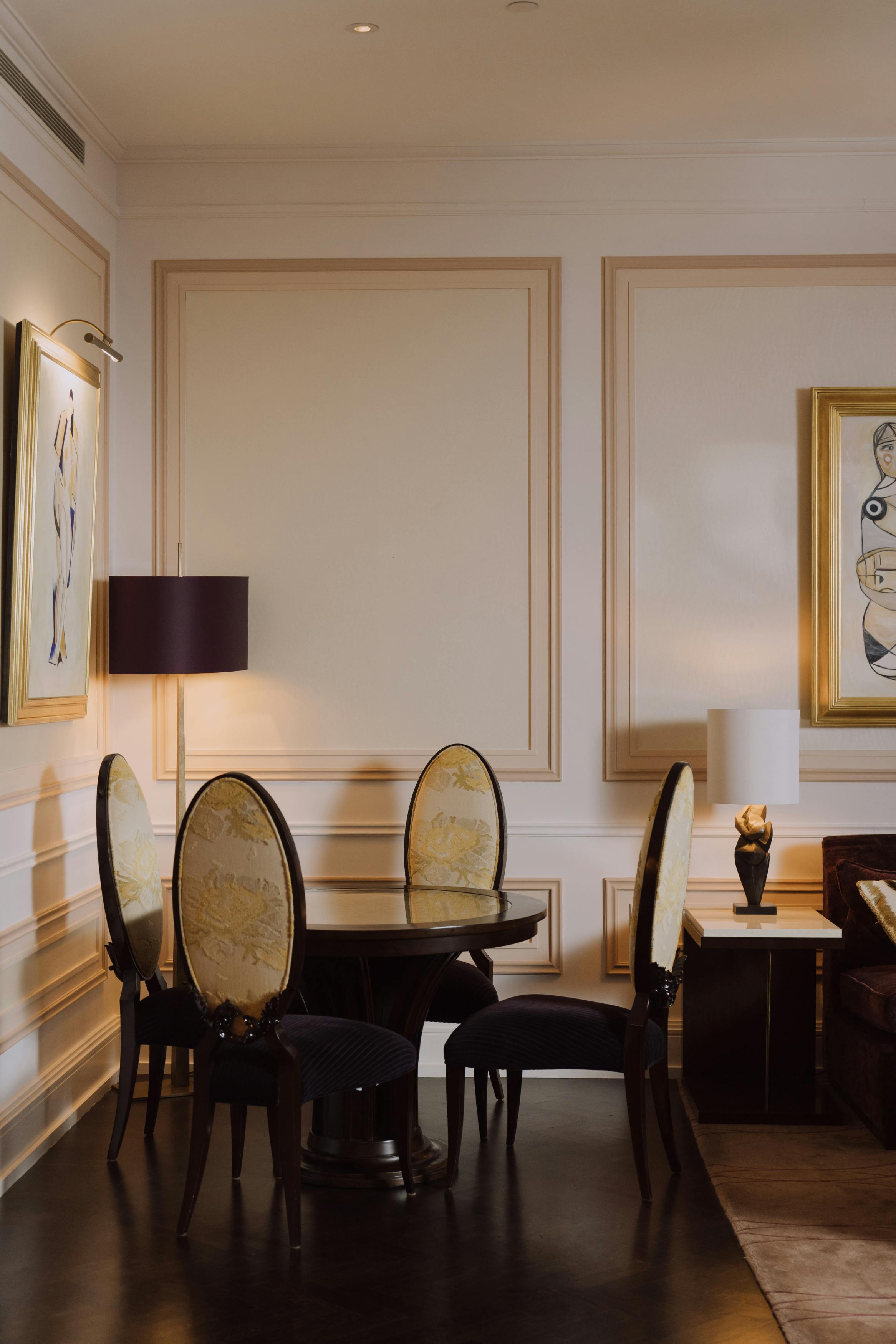
Core benefits and importance
Luxury is worth discussing because it sits at the intersection of economics, taste, and human desire. That makes people sloppy. Some treat it as pure vanity. Others call everything premium and stop thinking. Both camps miss the point.
- Better materials last longer. Full-grain leather, high-grade steel, hand-finished wood, and precision movements age with more grace than cheap substitutes. That is not romance. It is reality.
- Craftsmanship creates comfort. A well-cut jacket, a balanced dinner plate, or a hotel mattress that actually supports you changes the way a day feels. Frankly, comfort is underrated.
- Service matters as much as objects. At the high end, service is often the product. A concierge who solves problems quietly is worth more than a shiny lobby.
- Resale and retention can be stronger. Select watches, jewelry, bags, and limited-edition pieces retain value better when demand, condition, and brand discipline align.
- Luxury can save time. The best premium experiences remove friction. Better airport transfers, private guides, and seamless booking systems reduce stress.
- Taste has moral weight. Good design trains judgment. When something is made with care, it reminds us that work has dignity and excellence is not accidental.
But let’s be real. Not everything expensive is worth it. A thick logo, a weak product, and a fake story do not become luxury just because a celebrity touched them. Many brands charge for social signaling, then quietly cut corners where the customer cannot see. I am skeptical of that game, and you should be too.
For a category example, compare the discipline of a good timepiece with the flash of a trend piece in our luxury watch buying guide. The difference is usually obvious after one year, sometimes sooner. I have seen enough poorly made “status” purchases to know the truth: beauty without integrity fades fast.
Step-by-step guide to choosing luxury well
Choosing luxury well takes patience. It is not complicated, but it does require a cool head and a good eye. Most people buy too quickly, then excuse the miss because the brand was famous. That is backwards.
- Define the use case first. Buy for the life you actually live, not the one in an ad. A travel bag for weekly flights has different needs than a leather tote for city errands. A hotel for quiet recovery is not the same as a resort for social spectacle.
- Inspect the materials. Touch matters. Look at grain, weight, stitching, finishing, and hardware. In watches, examine the movement, case finishing, and bracelet articulation. In jewelry, check the setting and stone quality. In travel, examine bedding, acoustics, and service consistency.
- Study the maker, not just the logo. Heritage is not magic, but it does matter when it is paired with present-day standards. I’ve found that the best houses usually can explain their work without theatrics. If the brand can only sell you a story, skip it.
- Compare performance over time. Will the item wear well? Will the hotel maintain standards across seasons? Will the restaurant still care after the launch-week press? That is the useful question. The first impression is nice; the third visit is wiser.
- Check service and aftercare. Repair, maintenance, alterations, and support are where luxury proves itself. A fine watch needs servicing. A bag may need cleaning or edge repair. A resort should handle problems without making you beg.
- Measure discretion against display. Quiet confidence usually ages better than noisy branding. Here’s the thing: if a product needs to shout, it may be compensating for weak substance.
- Spend where the value is visible to you. That sounds obvious, yet people ignore it constantly. If you care most about wearability, buy for construction. If you care about fine dining, focus on chef talent and sourcing. If you care about travel, pay for location, privacy, and service.
When I examine luxury purchases, I look for the same four markers again and again: fit, finish, function, and feeling. If two are missing, the item is probably overhyped. If three are missing, walk away.
For related standards in hospitality, compare this approach with our exclusive European getaways and private villa rentals guide. The best properties and products tend to make themselves useful without making a fuss.
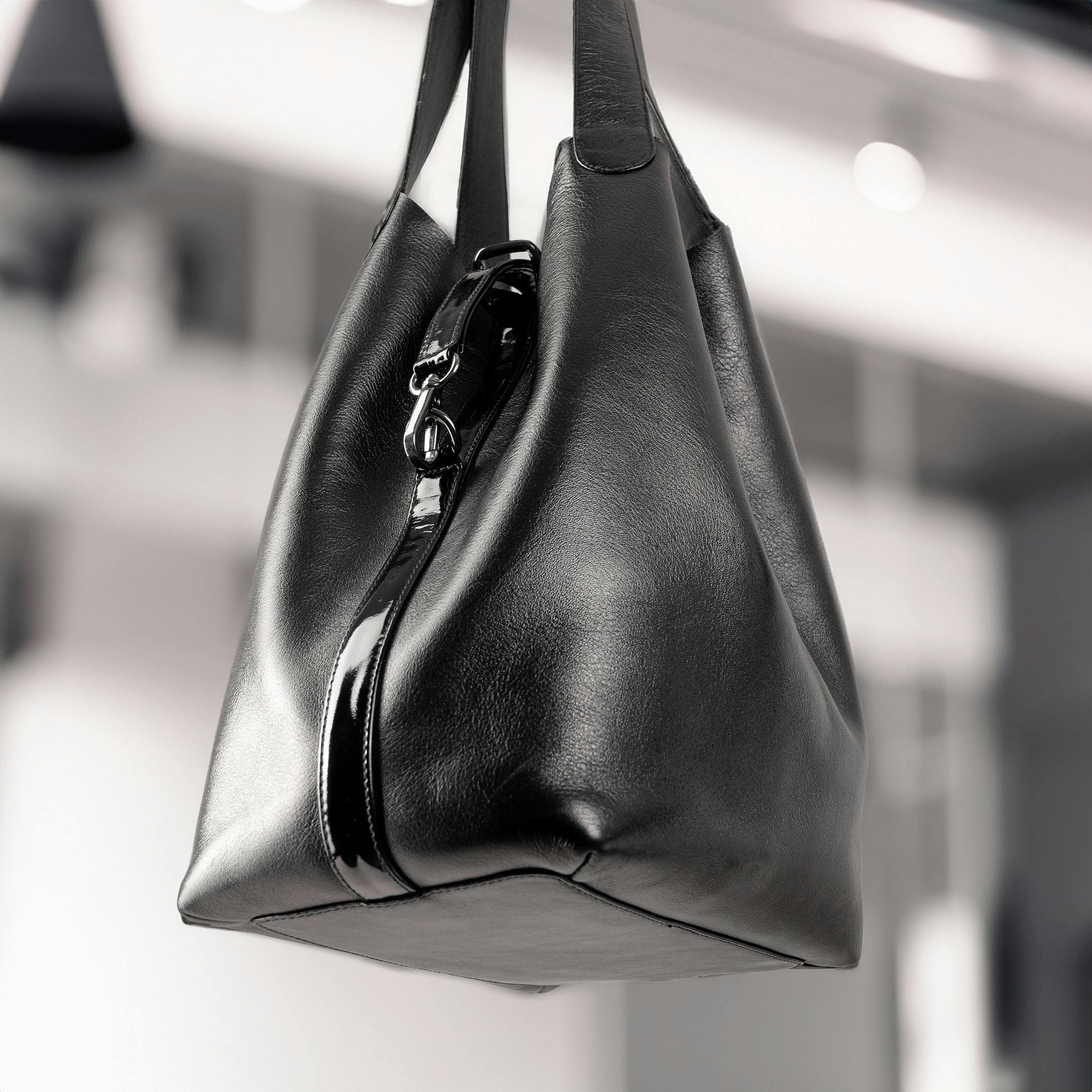
Comparison table: luxury goods versus mass-market alternatives
The differences are not mystical. They are mostly mechanical, material, and managerial.
| Factor | Luxury Goods and Premium Experiences | Mass-Market Competitor |
|---|
| Materials | Higher-grade leathers, metals, fabrics, ingredients | Lower-cost substitutes |
| Craftsmanship | More hand-finishing, tighter tolerances | Faster production, fewer checks |
| Service | Personal, proactive, and detailed | Standardized, often reactive |
| Longevity | Better wear, repairability, and aging | Shorter life cycle |
| Experience | Calm, refined, and memorable | Functional, sometimes noisy |
| Brand Value | Heritage, design discipline, and trust | Often price-led or trend-led |
| Resale Potential | Sometimes strong for select items | Usually limited |
| Emotional Payoff | Satisfaction, pride of ownership, utility | Convenience only |
The biggest competitor to luxury is not another luxury brand. It is the idea that all spending should be optimized for price. That is a useful habit in groceries. It is a foolish rule for a custom suit, a well-made watch, or a hotel stay that must deliver calm after a punishing week.
A decent comparison also belongs in food and drink. A properly aged wine or a tasting menu with restraint will often outclass a louder, more expensive showpiece. See our fine wine guide and Michelin-star dining guide for examples. Taste is not measured by volume. It is measured by control.
Common mistakes to avoid
Luxury shopping goes wrong in predictable ways. The habits are boring, which is why people keep repeating them.
- Buying the logo instead of the object. A brand mark is not a quality report. It is a label.
- Confusing scarcity with excellence. Limited does not mean useful, beautiful, or well made.
- Ignoring maintenance costs. Fine things require care. If you cannot service them, you do not own them properly.
- Choosing trend over fit. A fashionable item that fights your body or your routine will become clutter.
- Trusting glossy marketing over direct inspection. Pictures can flatter anything. The hand tells the truth.
- Assuming high price equals permanence. Plenty of overpriced goods age badly. Some are engineered to look impressive for six months and then fade. That’s the ugly little secret.
- Overlooking ethical production. Luxury should not depend on hidden damage. Craft, stewardship, and dignity of work matter. The best things are made well without treating people or resources as disposable.
For fashion examples, compare your shortlist with our designer clothing quality checklist. For home goods, the same discipline applies in our luxury home decor guide. In every category, the principle is the same: buy what will remain useful, beautiful, and honest.
I’ve seen people spend lavishly and feel strangely empty afterward. That usually happens when the purchase was meant to buy admiration rather than quality. Admiration is a weak return. Utility, beauty, and durability are stronger.
Frequently asked questions
What makes something truly luxury?
True luxury combines superior materials, careful craftsmanship, strong service, and lasting value. If it only has a famous name, it is not enough. The product or experience should feel better because it was made with more attention.
Are luxury goods worth the money?
Sometimes. If the item lasts longer, performs better, and gives real satisfaction, then yes. If it only signals status, probably not. I’d rather pay for a well-made object than a loud one.
How do I spot fake luxury?
Look for inconsistency. Bad stitching, weak finishing, shallow service, and inflated stories are common signs. Also, if the brand talks more about fame than craft, be wary.
Is luxury travel better than standard travel?
It can be, but only when it reduces friction and improves rest, privacy, and service. A pricey trip with chaos is just expensive chaos. Nobody needs that.
Final thought
Luxury at its best is not about bragging rights. It is about order, proportion, and the human hand doing work well. That is why the finest bag, watch, room, or meal feels calm instead of loud. It carries evidence of time, discipline, and care.
I think that is what people really want when they say they want luxury, though they rarely say it plainly. They want to feel that something was made honestly and made well. They want to spend on what lasts, what serves, what delights without shouting. Fair enough.
The truth is, a good luxury purchase should make life cleaner, not busier. It should reward stewardship, not vanity. And if it reflects a small measure of beauty in a noisy world, well, that is not a sin. That is just good sense.
FAQPage Schema
{
  "@context": "https://schema.org",
  "@type": "FAQPage",
  "mainEntity": [
    {
      "@type": "Question",
      "name": "What makes something truly luxury?",
      "acceptedAnswer": {
        "@type": "Answer",
        "text": "True luxury combines superior materials, careful craftsmanship, strong service, and lasting value."
      }
    },
    {
      "@type": "Question",
      "name": "Are luxury goods worth the money?",
      "acceptedAnswer": {
        "@type": "Answer",
        "text": "Luxury goods can be worth the money when they last longer, perform better, and give real satisfaction rather than only signaling status."
      }
    },
    {
      "@type": "Question",
      "name": "How do I spot fake luxury?",
      "acceptedAnswer": {
        "@type": "Answer",
        "text": "Check for inconsistent stitching, weak finishing, poor service, and stories that emphasize fame more than craft."
      }
    },
    {
      "@type": "Question",
      "name": "Is luxury travel better than standard travel?",
      "acceptedAnswer": {
        "@type": "Answer",
        "text": "Luxury travel is better when it reduces friction, improves rest and privacy, and delivers consistently strong service."
      }
    }
  ]
}