Luxury is not just about price. It is the disciplined meeting point of craftsmanship, materials, service, rarity, and taste—plus the hard truth that many...
Luxury Goods and Premium Experiences: What Actually Matters in High-End Living
Luxury is not just about price. It is the disciplined meeting point of craftsmanship, materials, service, rarity, and taste—plus the hard truth that many expensive things are merely expensive, not excellent. If you want the real story on luxury goods, high-end brands, luxury travel, fine dining, and premium experiences, you have to separate substance from peacock nonsense.
Key Takeaways:
- True luxury is defined by craftsmanship, scarcity, and service, not logos alone.
- The best brands protect heritage while improving materials, fit, and performance.
- Luxury travel and dining are worth it when they save time, reduce friction, and create lasting memory.
- Pricing can reflect real labor, but it can also reflect marketing fog. Frankly, both happen.
- The most valuable purchases are the ones that age well, feel personal, and honor good stewardship.
What is Luxury?
Luxury is a category built on excellence, not just expense. It includes premium watches, fine jewelry, handbags, fashion, supercars, private travel, five-star hotels, rare spirits, and tasting menus that take a kitchen brigade weeks to choreograph. It is the domain of craftsmanship, materials, design, service, and heritage. It is also where people often pay for illusion. That part matters.
When I analyze luxury markets, I look for three things: how the product is made, who stands behind it, and whether the experience genuinely improves life. A handbag can be stitched by hand in Europe and last twenty years. Or it can be a heavily marked-up status prop with a famous monogram and mediocre leather. Same price tier. Very different value.
The best luxury goods show restraint. They do not shout unless the wearer wants them to. A well-made watch, a tailored coat, or a hotel suite with intelligent design signals confidence rather than insecurity. That is why real luxury often feels quiet. It does not need to beg.
There is also a moral dimension here, though luxury writers rarely say it plainly. Beauty is not a crime. Fine workmanship, when earned honestly, reflects human dignity and ordered effort. In a decent world, excellence deserves attention. But stewardship matters too. Buying less and buying better is often wiser than hoarding glitter.
Luxury is therefore not a single thing. It is a set of standards. The standards change by category, but the core remains the same: rarity, utility, beauty, and service that make ordinary life better. If those are missing, the rest is theater.
For readers who want related premium-travel thinking, see luxury hotel trends and resort design and exclusive destinations for high-end travelers. If you are interested in how style and status are framed elsewhere, this is also why luxury fashion and accessories often overlap with identity rather than function.

Core Benefits and Why It Matters
Luxury is not automatically foolish. Sometimes it is the sensible choice. The trick is knowing when.
- Longer lifespan: A well-built watch, coat, suitcase, or sofa often outlasts cheaper substitutes by years. That saves money over time.
- Better service: High-end hotels, private aviation, and top restaurants usually deliver fewer headaches. Less friction is a luxury in itself.
- Stronger resale value: Select handbags, watches, and collectible cars can hold value better than mass-market goods, especially when condition and provenance are strong.
- Craft and finish: Luxury items often use superior hides, metals, movements, fabrics, and construction methods. You can feel the difference. You really can.
- Experience over possession: Fine dining, wellness retreats, and premium travel can create memories that outlast a purchase receipt.
- Emotional clarity: Good design reduces visual clutter and mental noise. A well-appointed room, wardrobe, or vehicle can make daily life calmer.
Here’s the kicker: most “affordable luxury” advice is lazy. It assumes any expensive thing is aspirational. Nonsense. A luxury purchase should improve the ratio between cost and use, or at least bring real delight. If a product gives you daily pleasure, functions beautifully, and ages with grace, the cost can be justified.
I have reviewed enough premium products to know that many brands rely on ritual words like “iconic,” “timeless,” and “exclusive” while quietly cutting corners. The best makers do the opposite. They let the work speak. A hand-finished watch movement, a chef-led tasting menu, a marble suite with proper lighting—those things show respect for the customer.
Luxury also has social value when it supports skilled labor. There is dignity in a watchmaker regulating a movement, a leather artisan burnishing edges, or a chef building a sauce with discipline and patience. That labor is not decorative. It is human excellence made visible.
For deeper context on the broader market, compare this with luxury brand strategy and market positioning and premium experiences in travel and hospitality. Both help explain why some brands command trust while others merely demand attention.
Step-by-Step Guide to Choosing Real Luxury
Choosing luxury well is not hard. It just requires discipline.
- Start with purpose. Ask what problem the item or experience solves. A watch can mark a milestone. A hotel can create rest. A car can make long travel bearable. If the answer is only “I want people to notice,” pause.
- Study the maker. Look at the brand’s history, production methods, and repair support. I always check whether the company stands behind its work with service, parts, and transparency. Brands that hide behind marketing usually have something to hide.
- Inspect materials and construction. For goods, check stitching, finishes, metal quality, movement architecture, fabric hand, and hardware. For hotels, review room size, bedding, soundproofing, food quality, and staff ratio. For dining, judge ingredient sourcing, consistency, and pacing.
- Compare value, not just price. An expensive thing can still be good value if it lasts longer, performs better, or creates meaningful satisfaction. Conversely, a cheap item that breaks twice is no bargain.
- Consider total ownership cost. Luxury often carries maintenance, insurance, tax, travel, and service costs. That is not a flaw. It is reality. A hypercar, for instance, requires more than fuel. A rare handbag requires care. A five-star stay may include transfers, spa treatments, and dining charges.
- Test for emotional durability. Will you still love it after the novelty fades? That question saves people from silly purchases. The objects worth keeping usually remain beautiful after the dopamine wears off.
- Buy from reputable channels. Provenance matters. Whether it is a watch, wine, or vintage car, documentation and service history are crucial. No papers, no peace of mind.
- Let restraint guide the final choice. The best luxury is rarely maximalist for its own sake. Choose the one with the cleanest proportion, best materials, and strongest aftercare. Simplicity, done well, is hard.
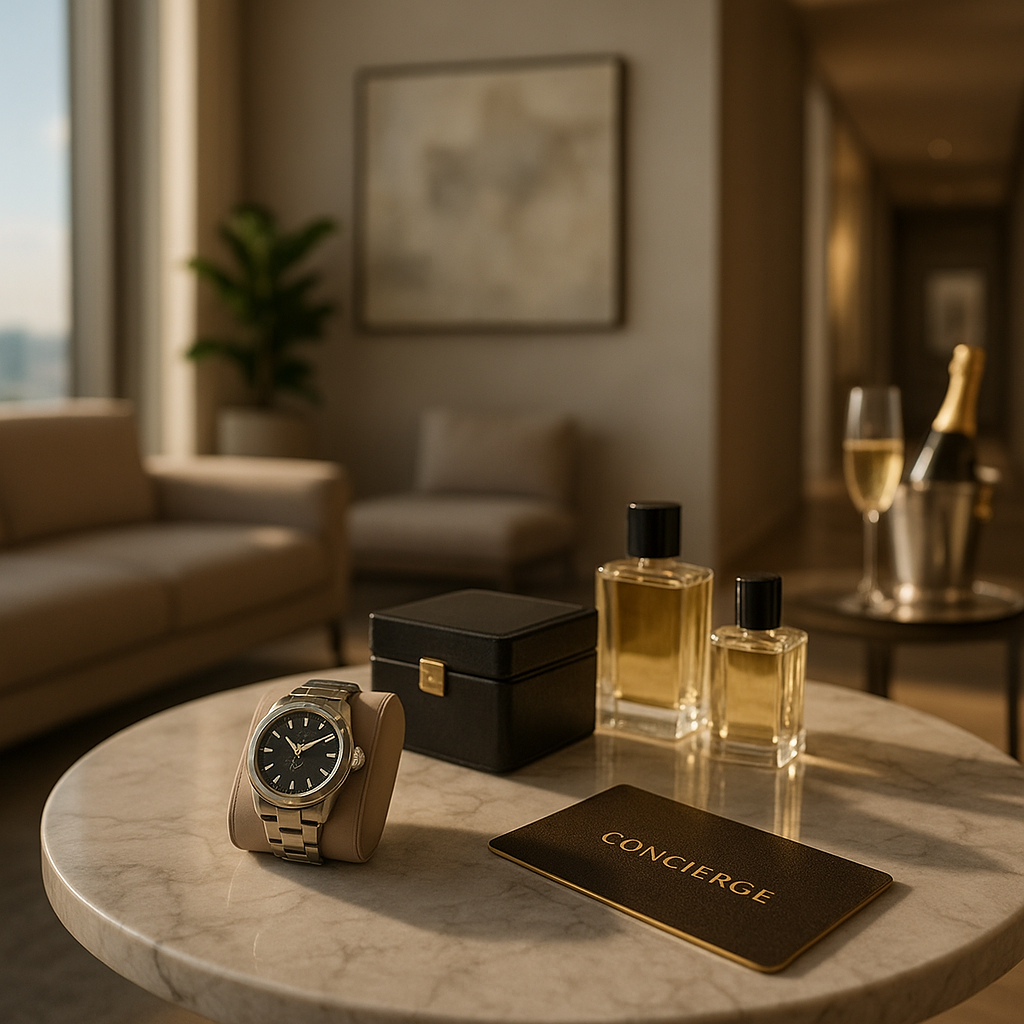
When I compare premium experiences, I look for consistency. Does the hotel remember your preferences? Does the chef’s menu feel composed rather than frantic? Does the brand deliver a coherent standard across locations? That is where true value lives.
For readers who enjoy high-end travel planning, this connects neatly to luxury destination guides and the best luxury hotels and resorts. Those categories show how service architecture matters as much as decor.
Comparison Table: Luxury vs Mass-Market Premium
| Feature |
True Luxury |
Mass-Market Premium |
Winner |
| Materials |
Rare, durable, often hand-selected |
Better than average, but standardized |
True Luxury |
| Craftsmanship |
Highly skilled, often labor-intensive |
Efficient, factory-optimized |
True Luxury |
| Service |
Concierge-level, personalized |
Scripted, transactional |
True Luxury |
| Longevity |
Built to age well and repair easily |
Good for a while, then replace |
True Luxury |
| Resale Potential |
Often stronger in select categories |
Usually weaker |
True Luxury |
| Brand Story |
Heritage backed by actual results |
Heavy on marketing language |
True Luxury |
| Experience |
Calm, polished, memorable |
Convenient, but generic |
True Luxury |
| Price Transparency |
Higher, but tied to real inputs |
Often inflated by positioning |
Depends |
| Accessibility |
Limited, selective, sometimes bespoke |
Wider distribution |
Mass-Market Premium |
| Status Signaling |
Subtle, if done well |
Loud and obvious |
True Luxury |
The comparison is not perfectly fair, and that is the point. Luxury is supposed to be different. If a brand behaves exactly like a mass premium label but charges five times more, you are paying for smoke. If a product or experience offers higher skill, better materials, and lasting pleasure, then the premium is earned.
The main competitor to luxury is not “cheap.” It is clever mass premium. That category often has decent design, respectable packaging, and enough polish to fool busy people. Fine. But polish is not depth.
Common Mistakes to Avoid
Most luxury buying advice is wrapped in romance. That is where people get conned.
- Confusing visibility with value: Just because an item is famous does not mean it is well made. Some brands are excellent. Some are just loud.
- Ignoring maintenance: Luxury goods need care. Watches need servicing. Leather needs conditioning. Cars need specialized attention. Pretending otherwise is childish.
- Buying trend pieces as heirlooms: Trend-driven objects may date quickly. If you want something to keep, choose cleaner lines and better materials.
- Overpaying for brand heat: Hype is not craftsmanship. Resale bubbles happen. Then they pop.
- Chasing quantity over coherence: A wardrobe full of scattered logos is less elegant than a focused collection of well-made pieces.
- Forgetting service and repair: A luxury purchase without aftercare is only half a purchase.
Let’s be real. A lot of people want luxury mainly because they want proof that they have arrived. That impulse is understandable. It is also expensive. The wiser move is to buy things that actually fit your life, your standards, and your sense of order.
This is where style becomes more than aesthetics. A thoughtful home, a measured wardrobe, a good bottle opened with friends, or a meal that honors ingredients—all of it points to a disciplined appreciation of good gifts. Luxury should never become wasteful noise. It should refine life, not distort it.
I am skeptical of anyone who says “buy the most expensive thing and you’re safe.” No. Buy the thing with the strongest combination of utility, artistry, and support. That may be the costly one, but not always.
Frequently Asked Questions
What makes a luxury brand truly valuable?
A luxury brand is valuable when it combines craftsmanship, consistent quality, strong service, and lasting desirability. Reputation matters, but it must be backed by actual product performance.
Are luxury goods worth the price?
Sometimes, yes. If an item lasts longer, performs better, can be repaired, and gives lasting satisfaction, the cost may be justified. If it is mostly branding, no.
Which luxury purchases hold value best?
Select watches, rare handbags, classic cars, and some fine jewelry can hold value well, especially when condition, provenance, and demand are strong. Not every expensive object is an asset, though. That myth dies hard.
What should I prioritize in luxury travel?
Prioritize time savings, service quality, room comfort, food, privacy, and location. A polished arrival, quiet room, and competent staff are usually worth more than flashy decor.
Final Thought
Luxury at its best is not about bragging rights. It is about order, beauty, skill, and the relief of dealing with something that works as promised. That sounds simple because it is simple, even if the industry spends fortunes pretending otherwise.
The finest brands, hotels, meals, and objects do one thing especially well: they respect the person using them. They respect time. They respect labor. They respect materials. And, if we are being honest, they remind us that beauty is not trivial. It matters because it points beyond utility without abandoning it.
That is why I prefer luxury that is quiet, durable, and serious. Not sterile. Not joyless. Just honest. If a brand can make that case, it deserves attention. If not, it deserves skepticism, and plenty of it.