Luxury is not just expensive stuff. It is craftsmanship, restraint, service, and materials doing real work, not marketing theater. The best luxury goods...
Luxury Goods and Premium Experiences: What Actually Justifies the Price in 2026
Luxury is not just expensive stuff. It is craftsmanship, restraint, service, and materials doing real work, not marketing theater. The best luxury goods, hotels, watches, travel, and dining experiences feel rare because they are made with discipline and care. The weak ones just shout.
Key Takeaways- Real luxury comes from craftsmanship, materials, heritage, and service.
- A high price alone proves nothing.
- The best brands protect scarcity and keep standards high.
- Luxury travel and dining should feel calm, precise, and memorable.
- Good luxury buys age well; bad ones age like a sales brochure.
What is luxury, then? It is not merely a logo, a velvet rope, or some overcooked speech about heritage. It is the visible result of hidden labor: hand-finishing on a watch movement, a chef’s obsessive sourcing, a hotel staff member who remembers your tea without asking twice, a bag that survives years because the leather was chosen with care. Frankly, that is the whole point.
I’ve reviewed luxury products and premium experiences for years, and the same pattern keeps showing up. The brands that deserve attention are usually the ones that do less, but do it better. They spend on materials, training, and consistency. They do not hide behind hype. They let the object, the meal, or the stay speak for itself.
That said, luxury marketing is often pretentious nonsense. Some houses charge more because they can. Some resorts are all marble and no soul. Some “exclusive” experiences are just expensive ways to stand in a queue with better lighting. The trick is to separate genuine quality from status theater. And yes, that takes work.
Done right, luxury can be a form of stewardship. Beauty matters. Skill matters. Excellence matters. There is something quietly right about supporting artisans, hoteliers, designers, and chefs who treat their craft as a serious calling. That sensibility—old-fashioned, maybe, but not old—still has value in a world that rewards speed over care.
What is luxury goods and premium experiences?
Luxury goods and premium experiences are products and services that exceed basic function through exceptional materials, expert workmanship, rarity, and service. The category includes watches, jewelry, handbags, fashion, spirits, hotels, destinations, automotive, and fine dining. But the label alone means nothing. A true luxury item should feel considered, durable, and emotionally distinct.
Here’s the kicker: “luxury” is not the same as “premium,” though brands love to blur the line. Premium means better than standard. Luxury means better in ways that are hard to copy—hand labor, scarce inputs, design depth, heritage, or service that feels almost unnervingly attentive. A nice hotel bed is premium. A stay where the staff anticipates your habits by day two is luxury.
The strongest luxury brands understand that people are not just buying objects. They are buying signals of judgment, taste, and permanence. A Rolex or Patek Philippe watch says something very different from a fast-fashion accessory. A tailored Brunello Cucinelli blazer is not just cloth; it is a philosophy of proportion and restraint. A Hermès bag is not merely a bag; it is a system of scarcity, material discipline, and training.
But let’s be real. Consumers are increasingly skeptical, and they should be. Brand history is useful only when it leads to current excellence. A 150-year-old name with sloppy finishing is still sloppy. A new hospitality group with quiet service and excellent design may be more luxurious than a famous old palace that has coasted for decades.
If you want a useful definition, use this: luxury is what remains impressive after the logo is removed. That is the standard. Anything less is perfume on smoke.
For deeper category context, see this guide to luxury pricing power, which explains why certain houses can command steep margins, and the state of luxury market analysis for broader market context. For travel specifically, this overview of how luxury hotels are changing is worth a look.
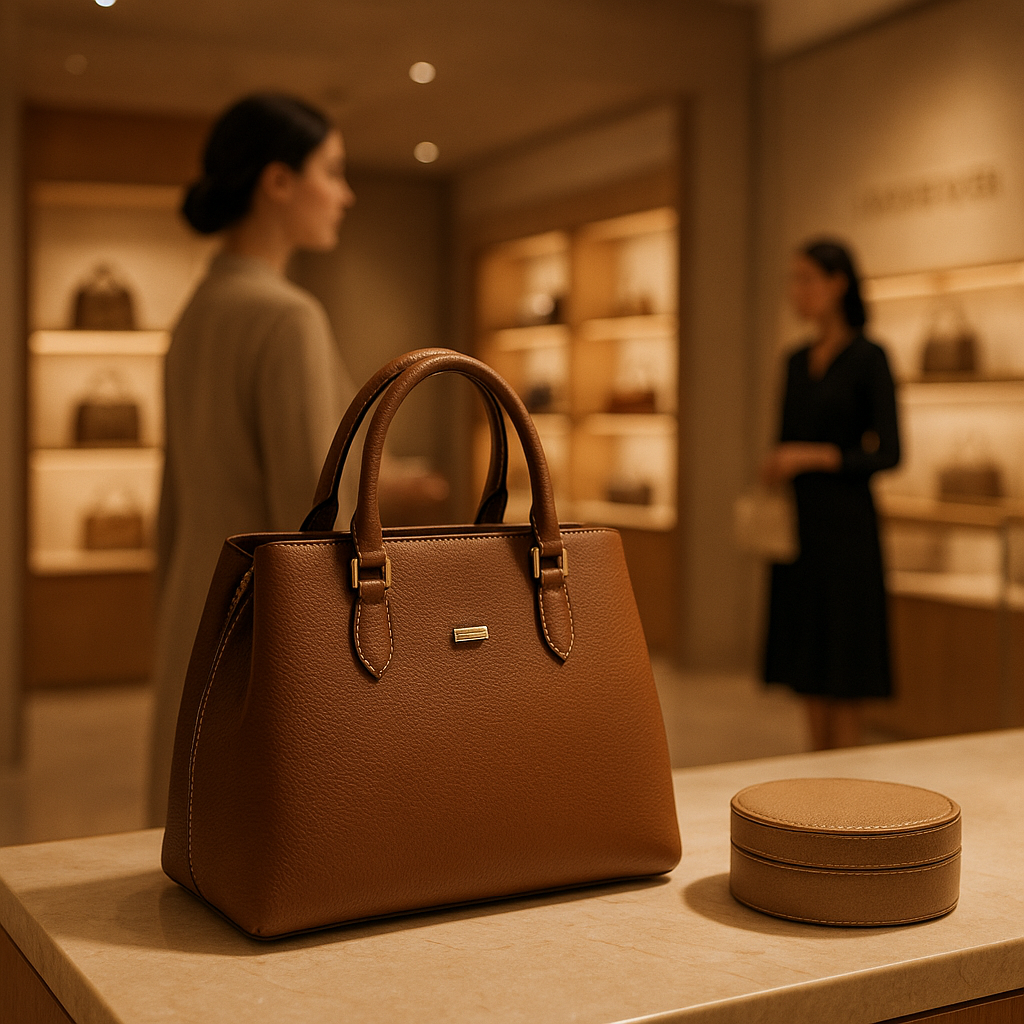
Core benefits and why luxury still matters
- Longevity: Good leather, solid metals, fine watchmaking, and disciplined construction last longer. That saves money over time.
- Service quality: In hotels, private travel, and fine dining, service can turn a good experience into a memorable one.
- Emotional value: A hand-built object or carefully designed trip can mark life events with dignity.
- Craft support: Buying from serious makers helps keep traditional skills alive.
- Consistency: True luxury brands obsess over repeatability. The tenth experience should be as strong as the first.
- Resale value: Some watches, handbags, and jewelry pieces retain value better than mass-market goods.
Still, not every “benefit” deserves applause. A lot of luxury is just vanity with a linen napkin. The actual benefit is not status; it is precision. If a dinner service runs like a chess match, if a resort remembers your preferences without being creepy, if a timepiece holds value because the brand earns trust over decades—fine. That is useful.
I’ve seen people buy the most expensive thing in the room and feel oddly empty after. That happens when the purchase serves ego instead of taste. The better path is quieter. Choose pieces and experiences that match your life, not your insecurity. That principle has a certain moral sanity to it. Beauty, rightly ordered, should lift the soul, not merely inflate the mirror.
Luxury also creates a benchmark. The best hotels, for example, force the broader market to improve because guests begin expecting better bedding, better food, and better cleanliness everywhere. The same is true in fashion and watchmaking. When the top tier refuses to cut corners, the middle tier has to do better.
A few practical examples:
- Watches: mechanical finesse, heritage, and service networks matter.
- Handbags: structure, stitching, leather selection, and hardware durability matter.
- Travel: privacy, space, and staff competence matter more than gold taps.
- Dining: ingredient quality, timing, and restraint matter more than theatrical foam.
- Automotive: ride quality, cabin silence, and build integrity matter more than just horsepower.
If you want more category-specific reading, browse the site’s related travel coverage like Caribbean overwater bungalows and water villas, or the practical list of luxury spa breaks for couples. Those pieces show what premium experiences look like when they are actually designed well.
Step-by-step guide to choosing luxury without wasting money
- Start with the use case. Do you need daily wear, travel durability, investment potential, or a one-time celebratory experience? A watch for business travel is not the same as a watch for collecting. A resort for rest is not the same as a resort for scene-making.
- Check the craft, not the pitch. Look at stitching, finishing, movement quality, materials, sourcing, and aftercare. In hotels, examine staffing ratios, food quality, housekeeping standards, and soundproofing. I’ve found that real quality shows up in the boring details. That’s the whole trick.
- Study the brand’s reputation over time. Heritage matters only if it still produces good work. Some brands rest on old stories. Others earn trust year after year. Compare recent collections, customer service, repair policies, and product consistency.
- Separate scarcity from nonsense. Limited edition does not equal good. It may just mean fewer units were made. Ask whether scarcity comes from hand labor, rare material, or deliberate distribution control. If not, ignore the sales drama.
- Assess total ownership cost. Luxury goods often require maintenance, cleaning, servicing, or special handling. A watch needs regular servicing. Fine jewelry may need inspection. Handbags need storage and care. Resorts charge premiums for privacy, but extras add up fast.
- Compare alternatives before you buy. This matters more than people admit. A high-end car may rival a private chauffeur for comfort in some cities. A boutique hotel may beat a famous palace in actual peace. A lesser-known watchmaker may offer finer finishing than the obvious choice.
- Buy for proportion, not performance anxiety. The best luxury pieces feel aligned with the owner. They do not scream. They fit. That restraint is often the mark of real confidence.
For travel planning, compare options against guides like the luxury Miami itinerary or things to do in Palma de Mallorca. Those articles are useful because premium travel is rarely about one thing; it is the sum of hotel, transport, dining, and pacing.
If you are researching hospitality quality, I’d also read Forbes Travel Guide’s methodology and the Michelin Guide’s selection process. Those standards are imperfect, sure, but they are at least grounded in evaluation rather than pure hype.
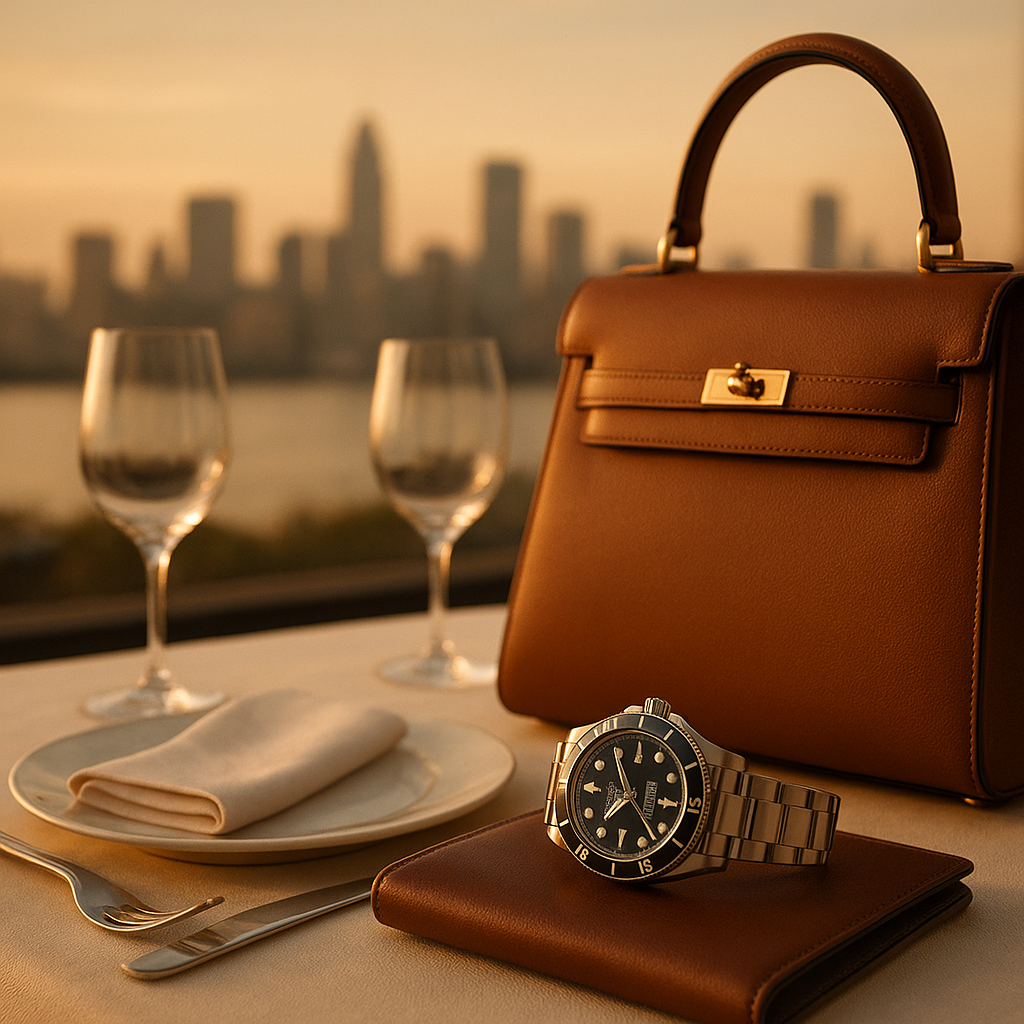
Comparison table: true luxury vs. status-driven “luxury”
| Feature | True Luxury | Status-Driven “Luxury” |
|---|
| Core value | Craft, service, durability, restraint | Visibility, logos, social signaling |
| Materials | High-grade, well-validated inputs | Often flashy, sometimes mediocre |
| Service | Discreet, trained, consistent | Overly scripted or indifferent |
| Longevity | Ages well, can be serviced | Degrades quickly, hard to maintain |
| Emotional effect | Calm confidence, satisfaction | Brief excitement, then fatigue |
| Pricing logic | Reflects labor, rarity, or quality | Often inflated by branding |
| Best examples | Fine watches, couture tailoring, top resorts, Michelin-level dining | Logo-heavy accessories, hollow “exclusive” packages |
| Buyer outcome | Ownership pride, utility, possible resale value | Buyer’s remorse, clutter, noise |
The biggest competitor to luxury is not another brand. It is excess. Excess in price, excess in branding, excess in self-importance. Luxury works when it tempers power with discipline. That is why the best maisons, hotels, and chefs often feel calm rather than loud.
Common mistakes to avoid
The first mistake is assuming expensive means excellent. It doesn’t. Some of the worst purchases I’ve seen were costly. The product was padded with storytelling and very little substance. Frankly, that happens more often than the glossy ads admit.
The second mistake is buying the logo instead of the object. If a handbag leaks dye, a watch has poor finishing, or a resort’s “signature suite” sits above the service elevator, the brand name is just a cover. Real quality should survive scrutiny.
The third mistake is ignoring maintenance. Luxury is not a vending machine. It asks for care. Watches need service. Leather needs conditioning. Jewelry needs cleaning and secure storage. Even premium travel needs planning; otherwise, it becomes expensive chaos.
The fourth mistake is confusing exclusivity with goodness. A place can be hard to book and still be mediocre. A limited product can still be ugly. Scarcity is not virtue. It is merely scarcity.
The fifth mistake is letting trends bully your judgment. Trend cycles are brutal and often stupid. A runway look may be stunning for one season and embarrassing the next. That is why classic proportion beats fashionable noise more often than not.
The sixth mistake is forgetting the human side of luxury. A beautiful object made in bad working conditions or a stunning resort that treats staff badly carries a moral stain. Excellence should not require ugliness beneath the surface. That principle matters, and not just because it sounds nice.
The safest rule? Buy what you would still respect in five years. If it only excites you for five minutes, it is probably not luxury. It is impulse with a budget.
If you want more inspiration for destinations that reward good taste rather than flashy spending, browse this related piece on Majorca indulgent escapes or the review of Bürgenstock Resort and Alpine Spa. Better yet, compare those against the actual standards you now know to watch for.
Frequently asked questions
What makes a luxury brand worth the price?
A luxury brand is worth the price when it delivers better materials, stronger craftsmanship, superior service, and long-term value. If it only delivers a logo, pass.
Are luxury goods a good investment?
Sometimes. Certain watches, handbags, fine jewelry, and collectible cars can retain or increase value, but only if condition, rarity, provenance, and demand are strong. Most purchases should be treated as enjoyment first, investment second.
What is the difference between premium and luxury travel?
Premium travel improves comfort. Luxury travel adds privacy, personalization, and service that feels nearly effortless. Premium may give you a nicer seat. Luxury gives you a staff that knows what matters before you ask.
How do I avoid overpaying for luxury?
Compare craftsmanship, service, materials, and reputation across brands. Ignore hype. Read reviews. Handle the product if possible. If you cannot explain why it is better, you probably should not buy it.
The truth is, good luxury is quiet. It does not shout to prove itself. It does work, beautifully, and leaves room for gratitude. In that sense, it reflects something larger than consumption: the dignity of skilled labor, the pleasure of well-made things, and the basic human instinct to seek beauty that lasts. That instinct is not shallow. It is one of the few civilized ones we have left.
When I look at the best of this world—an impeccably made watch, a serene hotel suite, a plate of food cooked with discipline, a car whose cabin shuts out the noise—I do not see greed first. I see order. I see attention. I see the old truth that excellence is a form of respect, and respect, when properly given, makes life better.
Final thought
Luxury, at its best, is not about excess. It is about right order. The right materials. The right pace. The right service. The right restraint. That is why some pieces, some places, and some meals stay with you long after the bill is forgotten.
Most luxury marketing tries to sell fantasy. Fine. That is its job. But buyers do not need to play along. They can ask harder questions. Who made this? How well? Will it age gracefully? Does it serve the person, or merely the ego? Those questions cut through the noise quickly.
And that is the point. Beauty is not meaningless decoration. Craft is not dead labor. Hospitality is not just a transaction. When luxury is honest, it reminds us that human work can still be excellent, and that excellence, used well, is a gift worth keeping.