Luxury is not just a price tag. It is craftsmanship, scarcity, service, and restraint, plus the quiet confidence that something was made well enough to last...
Luxury Goods and Premium Experiences: What Actually Matters When You Pay for the Best
Luxury is not just a price tag. It is craftsmanship, scarcity, service, and restraint, plus the quiet confidence that something was made well enough to last, whether it is a hand-finished watch, a suite with a sea view, or a tasting menu that respects the ingredients instead of showing off. Most of the marketing is puffery. The real value shows up in the details.
Key Takeaways
- Luxury goods are defined by quality, rarity, service, and emotional weight, not just cost.
- High-end brands win when they protect craftsmanship, materials, and consistency.
- Luxury travel and fine dining matter most when they remove friction and create memorable, well-run experiences.
- Premium experiences should feel thoughtful, not noisy; abundance without judgment is usually just waste.
- The best purchases usually combine beauty, utility, and stewardship. That last part matters more than the brochure admits.
What is luxury, really?
Luxury is the point where quality, labor, and judgment meet. It is not simply expensive stuff, and anyone pretending otherwise is selling you fog in a bottle. When I examined luxury products across watches, handbags, hotels, and dining, the same pattern kept showing up: the best items save time, reward attention, and age with dignity, while mediocre “luxury” relies on logos, hype, and one very loud advertisement budget.
At its best, luxury goods are the result of human work done properly. Materials are selected with care, finishing is precise, and the brand supports the object after the sale. A Rolex, Hermès, Loro Piana, or Aman experience earns its reputation by delivering consistency in a world where inconsistency is cheap. That matters. Beauty is not a sin, and fine craftsmanship can be a form of ordered excellence, something the older Catholic tradition understood better than modern marketing departments ever will.
Luxury also has a hierarchy. A $5,000 watch, a $50,000 watch, and a $500,000 watch are not the same thing just because they all tell time. The differences live in movement finishing, case construction, service network, rarity, provenance, and how the piece behaves over decades. Same with travel. A “premium” hotel might offer a bigger room and a fancier minibar, but true luxury is quieter: better sleep, better staff judgment, better timing, and fewer dumb surprises.
Here is the kicker. Luxury becomes vulgar when it is treated as proof of status rather than as stewardship of resources. If something is beautiful, durable, and made by skilled hands, fine. If it is just a monument to ego, pass. Frankly, plenty of so-called luxury is costume jewelry in a tuxedo.
For readers who want related premium-lifestyle coverage, pieces on luxury watches and horology, designer handbags and high-end accessories, and luxury hotels and premium accommodations often illustrate the same rule: the object matters, but the execution matters more.
Core benefits and why luxury still matters
Luxury still matters because people are not machines. We respond to proportion, texture, taste, and service, and the good stuff makes daily life less clumsy. That sounds obvious, yet the market is flooded with overpriced objects that confuse brand recognition with value. Let’s be real: a logo is not a craftsmanship certificate.
- Durability and longevity: Better goods often use superior materials, construction methods, and aftercare. A well-made leather bag or watch can last decades with maintenance.
- Function wrapped in beauty: The best luxury objects and places do what they are supposed to do, then do it elegantly. A hotel bed that ruins your back is not luxurious, no matter how many candles are burning.
- Service quality: Fine dining, resorts, and top brands invest in trained staff. Service is not “extra.” It is the product.
- Emotional value: A meaningful gift, a milestone trip, or a carefully chosen timepiece can carry family memory and personal history. That is not fluff. It is how people actually live.
- Resale and investment potential: Some luxury goods hold value, especially iconic watches, rare jewelry, and a few truly collectible handbags. But the market is selective, not sentimental.
- Cultural literacy: Luxury exposes you to design, tailoring, gastronomy, architecture, and craft traditions. Good taste is learned, not inherited by magic.
The contrarian view is simple. Luxury is worth it only when it reduces friction and increases quality in a way you can feel. If you have to keep explaining why it is good, it probably is not. I have seen enough “exclusive” nonsense to know that scarcity alone does not make something desirable; sometimes it just makes it annoying.
This is where premium experiences stand apart. A Michelin-level meal, a private transfer, or a hotel suite with actual silence can be more satisfying than a pile of possessions. The reason is practical. Experiences are harder to fake, and when done right, they respect your time and attention. That aligns with a basic moral truth: human labor, when done well, deserves respect, and beauty is best when it serves something real.
If you want a broader view of how luxury money flows into travel and hospitality, the reporting from Forbes travel coverage, Condé Nast Traveler, and Robb Report is useful, even if you need to filter out the hype.
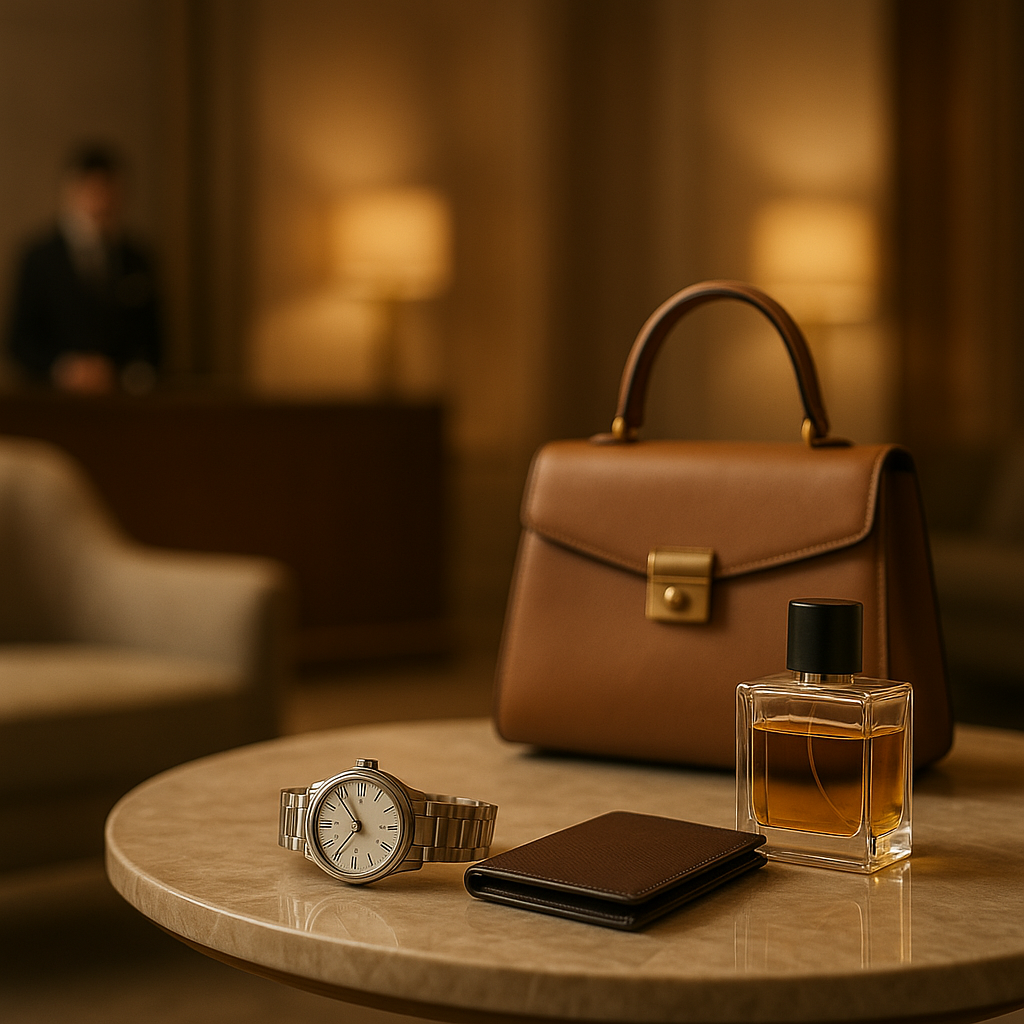
How to choose luxury goods and premium experiences
Buying luxury well takes discipline. It is not hard, but it does require that you stop listening to the internet’s loudest idiots. The process is about matching the object or experience to your actual life, not your fantasy self.
- Start with use, not aspiration
Ask what problem the purchase solves. A watch should fit your daily wear, not your imaginary yacht life. A hotel should fit your trip style, not your social-media mood board.
- Inspect materials and construction
For goods, look at stitching, finishing, movement, leather grade, metal quality, and repairability. For travel and dining, look at staffing ratios, housekeeping standards, reservation discipline, and kitchen consistency.
- Study heritage, but do not worship it
Heritage can matter because institutions with long memory often preserve standards. But plenty of brands sell “history” while cutting corners now. I always check current production quality, not old advertising.
- Compare aftercare and ownership costs
Luxury without service is a trap. Repairs, cleaning, authenticity checks, concierge support, and rebooking policies all matter. If a brand disappears after the sale, that is not luxury. That is a scam in a tux.
- Evaluate scarcity honestly
Limited production can support value, but artificial scarcity is a marketing trick. The real question is whether the thing is hard to make well. That is different.
- Judge by consistency, not one perfect moment
A hotel can have a spectacular lobby and mediocre service. A restaurant can plate one stunning course and miss the rest. The best luxury delivers across the whole experience, not just in the brochure.
- Think in years, not weekends
True luxury is durable. If you would be embarrassed by it in two seasons, think harder. Stewardship means buying things you can maintain, repair, and hand down.
- Pay for expertise, not theatrics
Fine dining should taste better, not just look fancier. Premium travel should feel smoother, not merely more expensive. There is a difference, and it is not subtle.
For more practical reading on high-end purchasing criteria, these editorial sources help: Bloomberg Luxury, The Business of Fashion, and Wallpaper* luxury coverage.

Comparison table: true luxury vs. mass premium
Luxury gets muddled because every brand wants to sound special. So let’s compare the real thing against the big competitor most people actually buy: mass premium. The latter is often decent, sometimes excellent, but it is not the same animal.
| Category | True Luxury | Mass Premium |
|---|
| Craftsmanship | Highly skilled finishing, frequent hand work, strict quality control | Good machine production, occasional hand finishing |
| Materials | Top-grade, carefully sourced, often rare | Solid, but optimized for scale and margin |
| Service | Personalized, proactive, discreet | Standardized, efficient, script-driven |
| Longevity | Designed to age well and be repaired | Built to a price point, often replace rather than repair |
| Experience | Quiet, refined, and consistent | Pleasant, visible, sometimes flashy |
| Brand value | Built on heritage, trust, and scarcity | Built on recognition and marketing reach |
| Best for | Collectors, frequent users, and buyers who value longevity | Buyers who want upgraded comfort without full luxury pricing |
| Weakness | High cost, occasional snobbery | Less character, less exclusivity, weaker aftercare |
Here is the truth. Mass premium is often the smart buy for many people. I’m not here to tell you to burn money for fun. But when the goal is long-term satisfaction, the gap between “very good” and “properly excellent” becomes obvious in use. A hotel room that sleeps beautifully beats a flashy suite every time. A watch that keeps dignity after twenty years beats a trendy piece that just looks expensive on Instagram.
Common mistakes to avoid
Most luxury advice is either painfully obvious or secretly stupid. The loudest mistake is buying for display rather than daily life. If the item needs constant explanation, it is probably compensating for something.
- Chasing logos over quality: A visible brand mark can be useful, but it is not the whole story. The best products remain excellent even when the logo is small.
- Ignoring maintenance: Watches need servicing, leather needs care, garments need proper storage, and travel benefits can expire. Luxury is a relationship, not a one-time hit.
- Confusing scarcity with value: Limited editions can be collectible, or they can be leftovers with a new color name. Check the substance.
- Buying for strangers: If your purchase mainly impresses people who do not matter, that is a bad sign. Frankly, most social approval is cheap.
- Assuming expensive means ethical: Price does not guarantee labor integrity, sourcing discipline, or environmental care. Ask harder questions.
- Overpaying for “VIP” gimmicks: Open bars, velvet ropes, and generic “exclusive” access can be empty calories. Real value is service, comfort, and access to something better, not louder.
This last point matters for premium events, especially sports and hospitality packages. Those who pay for premium access to matches may get made-to-order food, open bars, exclusive merch stations, and better sightlines, but the real question is whether the whole thing improves the event or just fattens the markup. Better food and easier service can be worth it. A branded tote and mediocre champagne? Spare me.
I also see people obsess over the newest trend while ignoring the boring basics. The best luxury purchase often comes from slow comparison, in-person inspection, and a little patience. That is not glamorous, but it works. Excellence usually is not glamorous. It is disciplined.
For deeper reporting on product quality and brand strategy, look at Hodinkee for watches, Vogue fashion coverage for style and luxury fashion, and Luxury Travel Advisor for premium hospitality trends.
Frequently asked questions
What makes something truly luxurious?
True luxury combines quality, rarity, service, and longevity. Price alone does not do it. If the item or experience is merely expensive, it is not automatically luxury.
Are luxury goods a good investment?
Sometimes. Certain watches, handbags, jewelry, and collectibles can hold or grow value, but the market is narrow and volatile. Buy because you want the object first. Any upside is a bonus, not a promise.
Is luxury travel worth the cost?
Yes, when it removes friction and adds meaningful comfort, privacy, or access. If the upgrade just buys you a fancier receipt, skip it.
How do I spot fake luxury marketing?
Look for vague claims, overused words, and too much emphasis on status. Real luxury can explain its materials, process, service, and provenance without sounding like a perfume ad written by a committee.
Final thought
Luxury, at its best, is not about excess. It is about order, craft, and the refusal to treat human work as disposable. That is why the finest goods and experiences feel calm rather than loud, and why they tend to last beyond the season’s chatter. A good watch, a well-run hotel, a memorable dinner, or a beautifully made bag can all be worthy purchases if they are chosen with care and used responsibly.
I have little patience for luxury that exists only to posture. It wastes money and insults the people who actually make things well. But I do respect beauty that serves a purpose, because that kind of beauty points beyond vanity. It reflects good judgment, and if you want the blunt version, good judgment is rare. The world has enough stuff. It needs more things made properly.
When luxury is governed by stewardship, not vanity, it becomes easier to justify. When it is grounded in craftsmanship, not noise, it becomes worth keeping. And when it is paired with gratitude rather than greed, it stops being a performance and becomes something better: a quiet recognition that excellence is real, and worth preserving.