Luxury is not just a price tag. It is <strong>craftsmanship, restraint, and the disciplined use of beauty</strong> in objects, places, and experiences that...
Luxury Goods and Premium Experiences: What’s Worth Buying, What’s Just Hype
Luxury is not just a price tag. It is craftsmanship, restraint, and the disciplined use of beauty in objects, places, and experiences that last longer than a season, often longer than a fashion cycle, and sometimes longer than common sense. Most luxury marketing is pretentious nonsense, frankly, but the good stuff still exists: the watch that keeps time for decades, the hotel that remembers your name without fawning, the meal that makes you shut up and pay attention.
Key Takeaways
- Luxury is value plus excellence, not mere expense.
- The best high-end goods combine materials, heritage, and service.
- Travel and dining matter because experience is part of ownership.
- Not every expensive thing is worth it; some brands are just good at billboards.
- Buy for use, repairability, and lasting pleasure, not status theater.
What is luxury, really?
Luxury is the purchase of excellence with fewer compromises. It spans watches, jewelry, handbags, fashion, travel, hotels, design, spirits, and fine dining, but the core idea stays the same: a product or experience should offer superior materials, skilled labor, and a level of finish that ordinary alternatives cannot match. When I’ve reviewed luxury goods for years, the pattern is clear: the truly good items feel inevitable in the hand, at the table, or in the room. They do not shout. They settle the matter.
Luxury is not supposed to be noisy. It should reflect stewardship, because well-made things deserve care, and well-earned pleasures should be ordered rather than mindless. There is something quietly Catholic in that view: beauty is not worshipped, it is received with gratitude. That matters more than the usual status-posting nonsense, and it separates a serious collector from a bored buyer with a card limit.
The confusion starts when people treat luxury as a costume. A logo on a belt does not make the belt excellent. A resort with marble and no soul does not make a memorable stay. A tasting menu with foam piled on foam does not automatically equal finesse. The market is full of polished junk. The trick is to identify where craftsmanship, heritage, and service still mean something, and where they have been replaced by marketing copy.
The smartest luxury purchases usually share a few traits. They are made with durable materials, supported by repair or maintenance, and associated with brands that protect standards instead of chasing every trend. That applies whether you are comparing a luxury watch to a fashion watch, a fine jewelry piece to costume sparkle, or a five-star hotel to a place that merely charges five-star rates. You can read more on how standards hold up in markets and pricing through sources like Bloomberg Luxury, The Business of Fashion, and Forbes Luxury.
Here’s the kicker. Luxury has a moral dimension, even when people pretend it doesn’t. It should honor the work of makers, not just the vanity of buyers. A thing made well, used well, and enjoyed well is not a sin; it is a form of order. The trouble begins when the object owns the owner. Then you are just financing someone else’s ad campaign.
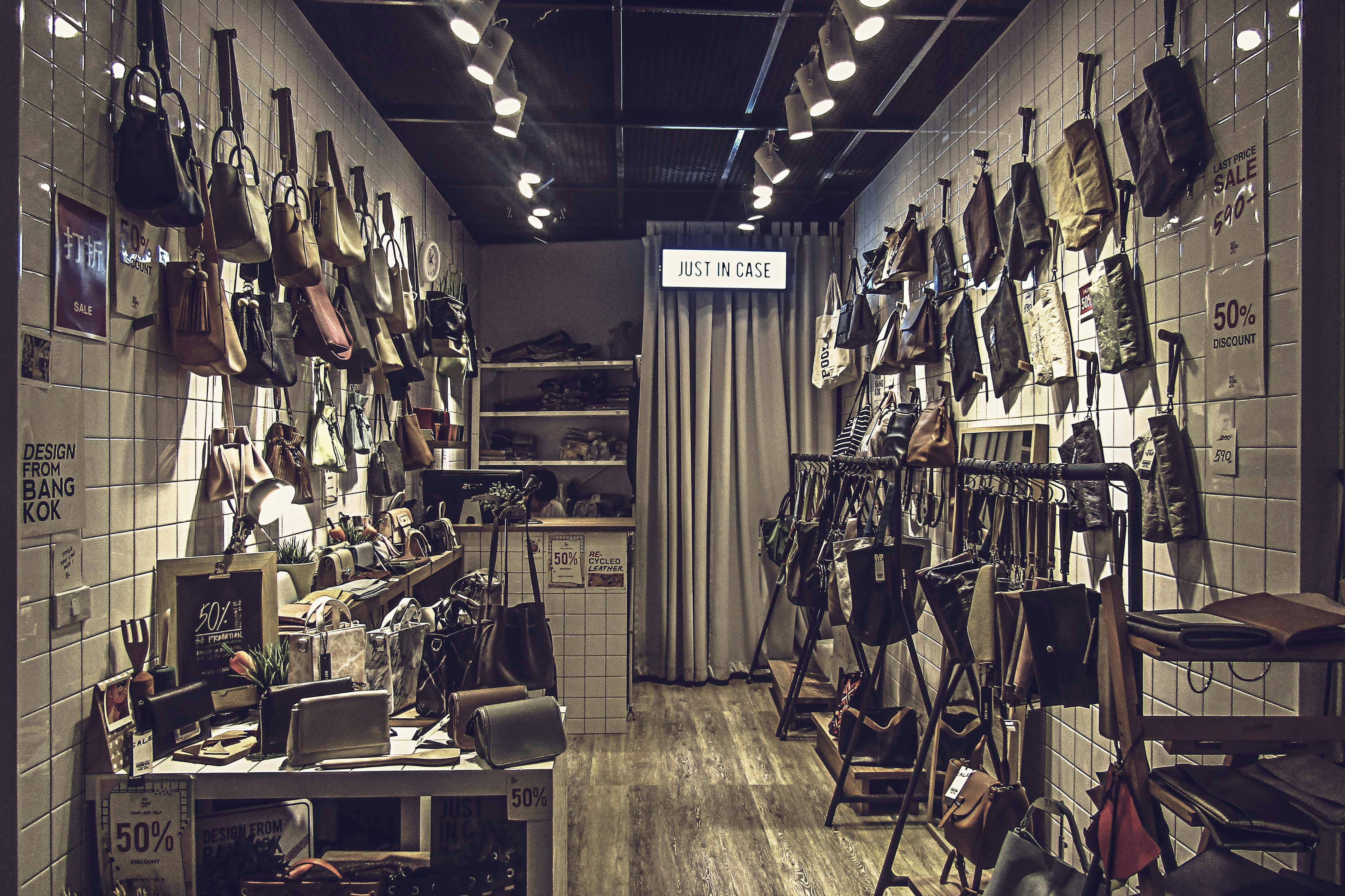
Core benefits of luxury goods and premium experiences
Luxury is worth discussing because it does something ordinary products often fail to do: it rewards attention. That sounds airy, but it is concrete. The best high-end goods and experiences create comfort, longevity, and a sense of proportion. Not hype. Proportion.
- Superior materials: Calfskin, precious metals, high-grade ceramics, natural fibers, and properly finished woods tend to age better than cheap substitutes. That is not magic. It is physics.
- Skilled craftsmanship: Hand-finished edges, precise stitching, calibrated movements, and thoughtful construction reveal labor that machines cannot fully fake.
- Longevity: A well-made watch, suitcase, or coat can last years or decades, which often makes it cheaper over time than buying and replacing junk.
- Service and repair: Good brands offer maintenance, restoration, and aftercare. Without that, “luxury” is just a rude invoice.
- Experience: Luxury travel, hotels, and fine dining turn time into a meaningful event rather than a blur of logistics.
- Resale and investment potential: Some items hold value, especially iconic watches, handbags, and jewelry with recognized demand. Not all. Let’s be real.
- Aesthetic satisfaction: Beauty matters. A well-designed room or object can steady the mind and improve daily life in small but real ways.
The truth is, many people buy luxury to signal status, and that usually backfires. The signal gets old. Quality does not. I’ve seen buyers chase the loudest bag or flashiest watch, only to discover they dislike living with it. That is what happens when the purchase is social rather than practical.
The better reason to buy luxury is stewardship of daily life. A good suitcase makes travel easier. A well-cut jacket improves presence without clownish effort. A dinner at a serious restaurant can sharpen your palate and your gratitude. Even a thoughtfully designed home object can remind you that good work deserves a fitting setting. That is not indulgence. It is ordered enjoyment.
There is also a social benefit, though it is rarely discussed honestly. High-end hospitality tends to run on precision and dignity. Staff training is better. Expectations are clearer. Friction is lower. When done well, the experience respects both the guest and the worker. That dignity of work matters. It is one reason I prefer brands that still care about craft, such as those profiled by Monocle and Wallpaper*, where design and service are treated as serious subjects, not party tricks.
For premium travel specifically, the benefits compound. A great hotel or destination reduces stress, but it also changes the quality of memory. A view, a meal, a room, and a well-run itinerary can become part of family lore. That is the real value. Not the thread count. The story.
Step-by-step guide to choosing luxury well
Picking luxury is simple only if you enjoy wasting money. The better approach is methodical, and yes, a little skeptical. I use a basic filter whenever I analyze a product, hotel, or restaurant. It saves trouble.
- Identify the actual use case. Ask what the item or experience must do. A watch should tell time and satisfy the wrist. A hotel should sleep, feed, and calm you. A handbag should carry what you need without turning into a cardboard prop.
- Check materials and construction. Look for real leather, solid metals, quality movements, excellent stitching, and thoughtful finishing. If the brand avoids specifics, that is a clue. Usually a bad one.
- Study the maker’s reputation. Heritage matters when it reflects consistent standards, not just old marketing. Brands with long histories in horology, jewelry, hospitality, or tailoring often know what they are doing. Often. Not always.
- Compare to the category leaders. For travel, compare the hotel or resort against top competitors in the same city or region. For fashion and accessories, compare construction, fit, and repairability. For fine dining, compare technique, sourcing, and wine program—not just plating theatrics.
- Assess aftercare and ownership costs. This is where people get trapped. A luxury watch needs service. A coat may need tailoring. A hotel stay may include fees that ruin the fantasy. The full cost matters.
- Evaluate emotional durability. Will you still like it in two years? Five? If the appeal depends on trending now, it is likely a waste. I’ve seen many expensive purchases become museum pieces in closets. Not impressive.
- Buy fewer, better things. This is the big one. A closet full of mediocre items is not sophisticated. It is clutter wearing cologne.
For watches, I recommend reading Hodinkee and WatchPro for market context and brand behavior. For travel, sources like Condé Nast Traveler and Travel + Leisure offer useful comparisons, though you still need to filter the hype.
When choosing a premium restaurant, the same logic applies. Technique should serve flavor. Service should feel calm, not scripted. The room should support the meal instead of fighting it. A good dining room, like a good church or a good library, understands that human beings need order, proportion, and a little silence. That is a truth people rediscover after too many loud “concepts.”
If you want to evaluate luxury handbags or jewelry, examine the stitching, clasp integrity, stone setting, and brand-specific finishing details. For jewelry, precious gems should be described clearly, and provenance should be traceable when possible. For handbags, corners and handles tell you more than logos do. That is where the truth lives. The devil, as the old saying goes, is in the details.

Comparison table: luxury value vs mass-market luxury lookalikes
The biggest competitor to true luxury is not another luxury brand. It is the mass-market imitation that looks similar from six feet away and falls apart after one season. That is the honest comparison.
| Category | True Luxury | Mass-Market Lookalike |
|---|
| Materials | High-grade, durable, often natural | Synthetic, inconsistent, cost-cut |
| Craftsmanship | Hand-finished, precise, repairable | Fast production, weak finishing |
| Longevity | Years or decades with care | Short lifespan, poor aging |
| Service | Strong aftercare and support | Minimal support, hard returns |
| Design | Refined, proportionate, intentional | Trend-driven, often overstated |
| Ownership Experience | Quiet confidence and utility | Brief thrill, then regret |
| Value Retention | Sometimes strong, especially icons | Usually poor |
| Emotional Payoff | Lasting satisfaction | Cheap excitement |
The difference is not subtle if you live with the item. A real Bottega-style woven leather bag, a proper Swiss mechanical watch, or a well-run luxury hotel behaves differently over time than a cheaper copy. It ages with dignity, or at least with less embarrassment.
I’m not romanticizing expense here. Some luxury brands charge stupid money for mediocre goods, and some mid-tier brands offer impressive quality for sane prices. The point is to compare the actual build and experience, not the aura. The aura is often purchased with a marketing budget and a lot of cheek.
For travel, a serious competitor comparison might include a flagship city hotel versus a chain hotel with upgraded rooms and club access. Sometimes the chain is enough. Sometimes the luxury property earns its rate through space, service, privacy, and location. One should not assume. One should inspect.
For dining, a competitor comparison may be a high-end tasting menu versus a skilled à la carte restaurant. The tasting menu may be more ambitious, but ambition is not flavor. I would rather have a plate that sings than a tower of edible architecture trying to impress a brand strategist.
The same applies to spirits and wine. A rare bottle is only worth the money if the profile, provenance, and occasion justify it. A good bottle shared well beats a famous bottle treated like a trophy. That is just good sense.
Common mistakes to avoid
The luxury world is full of traps. Some are obvious. Others are sneaky, which is how they survive.
- Buying logos instead of quality: This is the classic mistake. A label is not craftsmanship.
- Ignoring fit and function: A handbag that is too small or a suit that pulls at the shoulders is not luxury. It is a problem in expensive packaging.
- Treating rarity as value: Scarcity alone does not make something good. It can also make something annoying.
- Forgetting maintenance: Watches need servicing, leather needs care, homes need proper materials, and hotel loyalty points do not repair bad taste.
- Chasing every trend: Trend-driven purchases age badly. Fast.
- Assuming price equals excellence: This one fools a lot of people. Sometimes the price reflects craftsmanship. Sometimes it reflects rent, hype, and a glossy ad campaign.
- Overlooking the human experience: A hotel can have marble and still feel cold. A restaurant can have a famous chef and still serve joyless food. A luxury object can be beautiful and still be a pain to use.
Most advice online sounds like a press release wearing sunglasses. Ignore that. Ask whether the item improves daily life, whether it will still matter after the novelty wears off, and whether the maker stands behind it. That is the practical test.
I’ve learned to trust restraint. Real luxury rarely needs to convince you with volume. It reveals itself in balance, touch, and timing. A well-made thing invites use. A fake luxury thing invites attention. Those are not the same.
There is also a subtle ethical angle. If a purchase exploits workers, wastes materials, or exists only to flatter vanity, then the shine fades quickly. Beauty should not be severed from responsibility. That principle may sound old-fashioned, but it is sound. Good work deserves proper recognition; frivolity deserves less.
If you want more context on market signals and brand behavior, check current reporting from Reuters Luxury and Vogue Fashion. Read critically. A lot of “expert” commentary is just dressed-up enthusiasm.
Frequently asked questions
What makes a luxury item worth the price?
A luxury item is worth the price when materials, craftsmanship, design, service, and longevity exceed ordinary alternatives. If it only offers a logo or hype, it is overpriced. Simple as that.
Are luxury purchases a good investment?
Some are, especially certain watches, handbags, jewelry, art, and rare collectibles. But most luxury goods should be bought for use and pleasure first. If you buy only for resale, you will probably choose badly.
How do I tell real luxury from branding?
Look at the construction, finishing, materials, repair options, and long-term performance. Branding can hide weak product quality for a while, but not forever. The defects always show up.
What is the best first luxury purchase?
That depends on your life, not your feed. A well-made watch, a tailored coat, a durable handbag, or a great hotel stay can all be smart first buys if they fit your actual needs.
Final thought
Luxury at its best is not about showing off. It is about good order, beauty, and excellence used well. A watch that lasts, a room that restores, a meal that demands attention, a bag that works without drama—these things can make daily life better in ways that are quiet but real. That is why the best luxury feels almost humble in use, even when it is expensive.
People often misunderstand this and think luxury is permission to be careless. It is the opposite. The higher the quality, the more it asks of you: care, discretion, gratitude, and some discipline. That is not a burden. It is the point. When a maker gives serious labor and skill, the buyer should respond with serious judgment. Anything less is sloppy.
I’ve examined enough high-end products and premium experiences to say this plainly: the best ones do not flatter your ego first. They serve your life. They make time, travel, dress, and dining more exacting, more graceful, and more memorable. If there is a lesson here, it is that beauty matters when it points beyond vanity and toward something truer—something ordered, enduring, and worth keeping.