Luxury is not just price. It is restraint, materials, service, and the odd bit of grace. The best brands still earn their keep through craft, not noise, and...
Luxury Goods and Premium Experiences: What Actually Matters in High-End Living
Luxury is not just price. It is restraint, materials, service, and the odd bit of grace. The best brands still earn their keep through craft, not noise, and the best experiences feel calm because someone bothered to do the hard work properly.
Key Takeaways:- True luxury is measured by craft, service, and rarity, not logos.
- Premium experiences matter when they save time, reduce friction, and improve the quality of a day.
- Heritage brands can be worth it, but only when the product still performs.
- Luxury travel and fine dining are strongest when they balance comfort, privacy, and detail.
- Buying well means ignoring hype and judging value with a cool head.
What is luxury goods and premium experiences?
Luxury goods are products or services priced above the ordinary because they use better materials, more skilled labor, tighter production, stronger brand equity, or scarce access. Premium experiences are the same idea applied to time and place: a suite with proper silence, a tasting menu that respects ingredients, a flight cabin that does not make you feel like luggage, or a car that turns a brutal commute into something almost civilized.
Most marketing around luxury is pretentious nonsense. There, I said it. The label alone does not confer merit. I have reviewed enough high-end products to know that many expensive things are merely costly, not excellent. Real luxury holds up under inspection. You feel it in the leather grain, the stitching, the way a concierge remembers your preferences, or how a chef controls salt, heat, and pacing without showing off.
There is also a moral dimension people rarely mention, which is a shame. Beauty matters. Craft matters. Work done with skill and care reflects something deeper than vanity, and the best luxury goods often reveal the dignity of human labor. That does not mean every expensive handbag is holy, obviously. It does mean fine craftsmanship can be a proper use of wealth when it respects materials, workers, and usefulness instead of mere spectacle.
The category covers a lot of ground: watches, jewelry, handbags, fashion, automotive, travel, hotels, destinations, design, spirits, home, culture, and even news about market shifts and brand strategy. For readers who want specifics, I recommend pairing this guide with deeper category coverage like luxury watches and horology, luxury travel destinations, and high-end hotels and resorts. Those topics overlap constantly, because luxury is usually a system, not a single object.
Here is the kicker: luxury only works when it improves lived experience. If it sits in a box, never worn, never used, never enjoyed, it becomes a museum piece or a vanity prop. Useful? Sometimes. Worth it? That depends on whether it earns its place in your life.
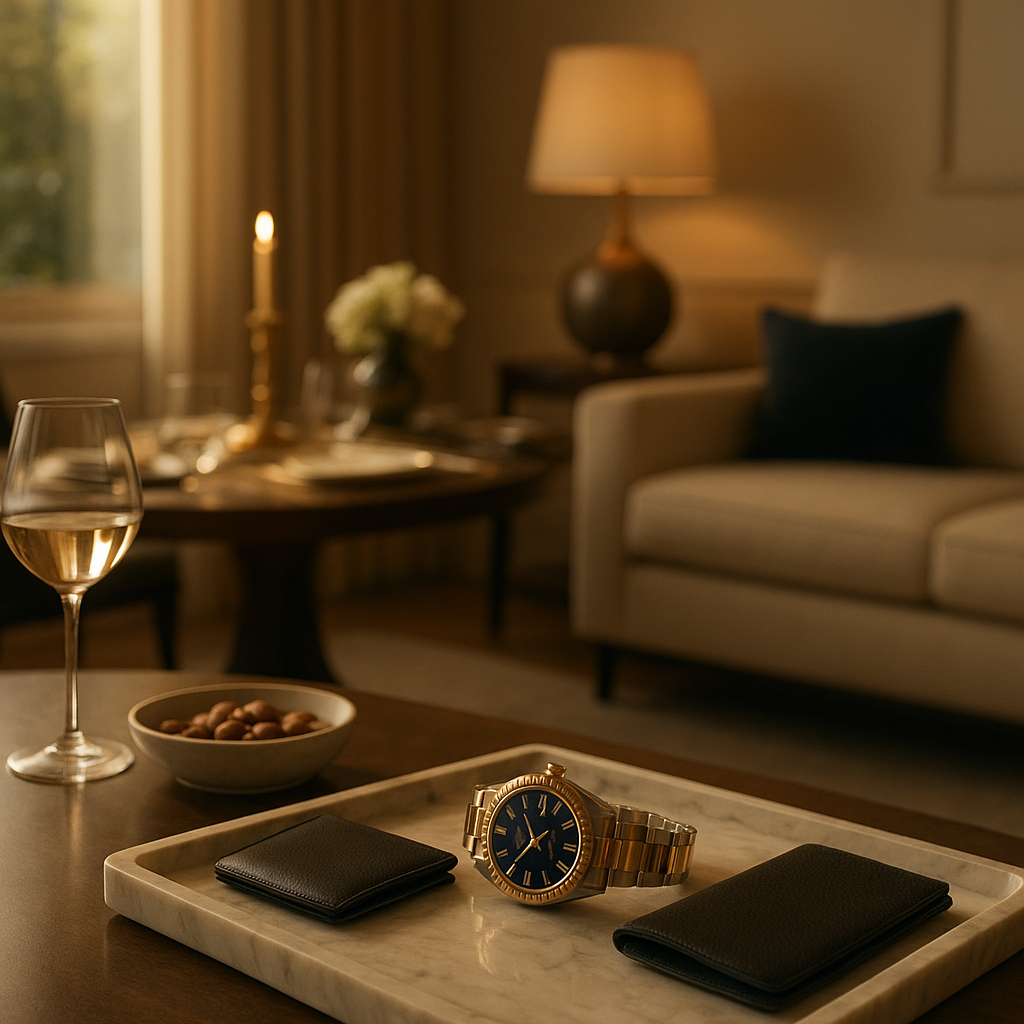
Core benefits and importance
- Quality lasts longer. Better materials and construction can reduce replacement cycles. A well-made coat, bag, or watch often outlives cheaper alternatives by years.
- Service can be part of the product. With top hotels, private aviation, or fine dining, the human layer is what you are paying for. Poor service ruins expensive things fast.
- Time is saved. Luxury travel often removes friction: better transfers, faster check-ins, cleaner planning, more privacy. That matters more than people admit.
- Emotional value is real. A finely made object can carry meaning, memory, and ritual. That is not frivolous; humans are built that way.
- Resale and investment can be meaningful. Certain watches, handbags, and collectibles retain value if bought wisely and maintained properly. Not all. Let’s be real, most do not.
- Craft supports skilled labor. High-end design and manufacturing preserve specialized skills that cannot be automated away without losing something important.
I always push back when someone claims luxury is just status chasing. Sometimes it is. Often, though, it is discernment. The person buying a proper tailored jacket or a room with flawless bedding is not trying to impress strangers. They are buying comfort, fit, and a reduced margin for annoyance.
In fashion, for example, better cloth drapes differently and wears better. In automotive, a luxury car is not merely a badge; it is suspension tuning, noise insulation, seating, and long-distance ease. In spirits, rare bottles can be pleasure, heritage, and collecting all at once, especially when tied to place and production method. If you want more on that angle, see luxury spirits and fine wines.
The important thing is this: value in luxury is multi-layered. There is the obvious layer, which is price and prestige. Then there is the useful layer, which is durability and comfort. Then there is the human layer, which is beauty and delight. That last part matters more than most analysts admit. People are not machines. They respond to proportion, texture, scent, and craftsmanship because those things speak to the senses in a way that cheap substitutes cannot.
Frankly, that is why the best luxury companies still survive. They understand that excellence is not loud. It is precise.
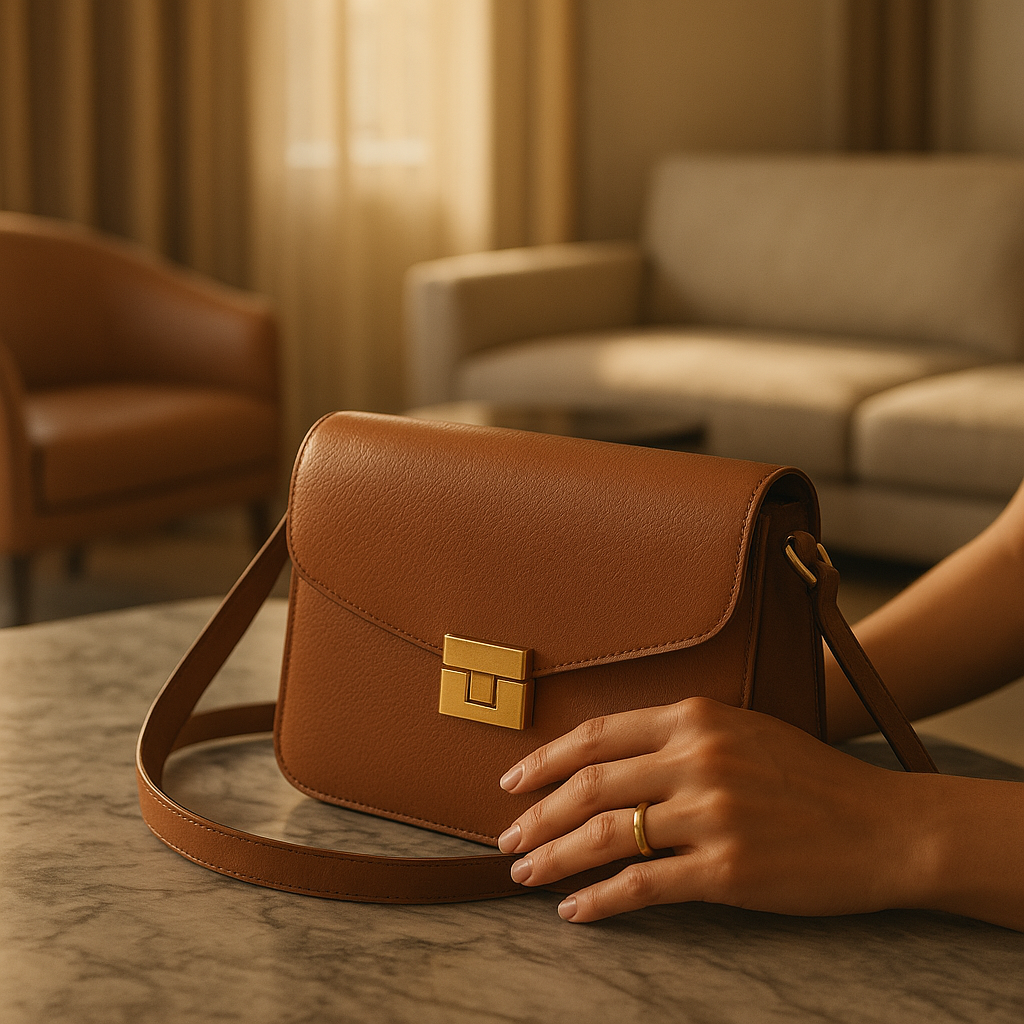
Step-by-step guide to choosing luxury well
- Define the use case. Are you buying for daily use, occasional wear, collecting, gifting, or travel? A travel watch, for example, should be legible and robust; a dress watch should be elegant, thin, and restrained. Wrong use case, wrong purchase.
- Inspect materials and construction. Leather should feel consistent, not plasticky. Metal should have proper finishing. A hotel room should have silence, clean air, and bedding that does not feel like a cheap afterthought. A luxury item can look impressive online and still be mediocre in hand.
- Study the maker’s actual history. Heritage matters only if the brand still knows how to produce well. Some houses coast on old reputations and mediocre current work. Others, like serious watchmakers or chefs with disciplined kitchens, keep standards high because they respect the craft.
- Compare against the best competitor, not the nearest one. If a bag is positioned as premium, compare it with its peers from comparable ateliers. If a resort calls itself exclusive, compare its service, privacy, and setting to the best alternatives, not to a roadside hotel with a fancy lobby.
- Check maintenance and ownership costs. Luxury is often purchased once and paid for again later. Watches need service. Cars need specialist care. Fine fabrics need proper storage. If you cannot maintain it, you do not own it; you merely borrow trouble.
- Look for emotional durability. Will you still want this in five years? I have seen too many people buy flashy objects that age into embarrassment. Quiet excellence ages better.
- Prioritize craftsmanship over theatrics. A hand-finished dial, a well-cut lapel, a chef’s clean plating, or a hotel staff member who anticipates a need before you ask—these are the signs of real quality. Not the flashiest logo in the room.
- Buy from sources that respect you. Authorized dealers, reputable boutiques, established hotels, and proven restaurants reduce risk. Read thoughtful coverage from sources like Hodinkee for watches, Robb Report for broader luxury coverage, and Luxury Travel Advisor for travel standards.
- Test the experience, not just the object. Sit in the chair. Sleep in the bed. Wear the watch. Taste the menu. Drive the car. Luxury is experiential. If the experience is hollow, the object is overpromised.
When I examined hundreds of luxury products over the years, the same pattern kept showing up: the best ones are quiet, coherent, and consistent. They do not need to shout because the work already speaks.
Comparison table: luxury goods and premium experiences vs. mass-market alternatives
| Category | Luxury/Premium | Mass-Market Alternative | What Actually Changes |
|---|
| Materials | Noble metals, fine leather, superior textiles, better ingredients | Standard alloys, synthetic blends, cost-driven sourcing | Touch, wear, longevity |
| Craftsmanship | Skilled finishing, handwork, tighter tolerances | Faster production, more visible shortcuts | Precision, durability, repairability |
| Service | Personalized, discreet, proactive | Scripted, transactional, inconsistent | Less friction, more confidence |
| Travel | Better privacy, comfort, logistics, and access | Basic convenience, more crowding | Time saved, stress reduced |
| Dining | Better sourcing, technique, pacing, and wine pairings | Predictable menus and volume service | Flavor, rhythm, memory |
| Resale Value | Sometimes strong in watches, bags, collectibles | Usually weak | Ownership cost over time |
| Emotional Impact | Often lasting and meaningful | Usually short-lived | Attachment, ritual, pride |
The table is not meant to flatter luxury blindly. Some premium products are overpriced theater. The better question is whether the object or service shows evidence of skill, restraint, and purpose. If not, it is just a fancy invoice.
Common mistakes to avoid
The biggest mistake is confusing visibility with value. A logo is not craftsmanship. A celebrity campaign is not proof. A long waitlist is not excellence. It may simply be controlled scarcity and a crowd that mistakes frustration for status.
Another common error is buying luxury for other people’s approval. That is a poor bargain, and it usually ends with regret. Items chosen to impress tend to age badly, because trends move and attention shifts. Quiet, functional, well-made things age with dignity.
People also overrate rarity without checking quality. Rare does not equal good. I have seen limited editions that were awkward, badly proportioned, or just silly. I have also seen exceptional objects that were not especially rare at release but became respected because they were simply very well made. That is the sort of thing serious collectors notice.
A third mistake is ignoring maintenance. Fine watches need service. Luxury handbags need care. Tailored clothing needs proper cleaning and storage. Hotels and restaurants need repeated evaluation because standards can drift. If you do not think about upkeep, you are not buying luxury; you are buying future inconvenience.
In luxury travel, the worst advice is “go where everyone is talking about.” That usually means crowding, inflated rates, and a diluted experience. Better to compare what matters: room size, privacy, staff-to-guest ratio, food quality, transfer logistics, and access to something genuinely beautiful. For destination ideas with substance, see exclusive luxury destinations.
In fine dining, the mistake is chasing the most elaborate menu instead of the most coherent one. Michelin-starred kitchens earn praise for technique, but technique alone is not enough. The best meals often feel ordered, not chaotic. They respect ingredients, and they do not try to impress you every 30 seconds.
And for the record, I am suspicious of “luxury hacks” that promise elite experiences for bargain prices. Sometimes you find value. Often you find disappointment with a coupon attached. The smarter route is to buy less, buy better, and keep your standards steady.

Frequently asked questions
What makes a product truly luxurious?
A truly luxurious product combines superior materials, expert craftsmanship, functional excellence, and a buying or ownership experience that feels considered. Price alone does not qualify. If the item looks expensive but fails in daily use, it is not luxury; it is just costly decoration.
Are luxury goods worth the money?
Sometimes. If the item is durable, useful, repairable, and emotionally satisfying, the cost may be justified. If it is trendy, fragile, and bought mainly for display, probably not. Frankly, a lot of luxury purchases are made lazily, not wisely.
Which luxury categories hold value best?
Usually watches, certain handbags, rare jewelry, and collectible spirits perform better than most people expect, though condition, rarity, and market timing matter a lot. Luxury cars usually depreciate hard. Hotels and restaurants deliver value as experiences, not assets.
How do I spot fake luxury marketing?
Look for vague claims, overloaded branding, and no proof of materials, workmanship, or service standards. Real luxury can be explained plainly because it stands on results. If a brand needs smoke and mirrors, it is often hiding weak substance.
Final thought
Luxury at its best is not loud, greedy, or vulgar. It is ordered. It respects time, labor, and the senses. That is why a well-made watch, a fine meal, a quiet suite, or a beautifully executed piece of design can feel almost restorative. They remind us that excellence still exists and that human hands can shape materials into something worthy of attention.
I have little patience for the idea that luxury must be silly to be enjoyable. It does not. When chosen well, it can honor craftsmanship, reward diligence, and bring a bit of beauty into daily life without turning into vanity. That is the line worth keeping. Spend with discipline. Appreciate with gratitude. And if an expensive thing cannot justify itself beyond the label, leave it on the shelf and keep your standards intact. That, in the end, is the rarest luxury of all.