Luxury is not just expensive stuff. It is craft, restraint, and taste under pressure. The best houses, hotels, watches, cars, and dining rooms sell more than...
Luxury is not just expensive stuff. It is craft, restraint, and taste under pressure. The best houses, hotels, watches, cars, and dining rooms sell more than status; they sell precision, memory, and the quiet pleasure of things made well. Most hype is nonsense. The real question is what survives scrutiny.
| Key Takeaways |
|---|
| Luxury goods earn their price through materials, workmanship, and rarity—not marketing fumes. |
| High-end brands with real heritage usually show consistency, not noise. |
| Luxury travel is about privacy, service, and timing, not just a marble lobby. |
| Fine dining matters when technique, sourcing, and hospitality align. |
| Premium experiences should feel human, not performative. |
| The smartest buyers look for craft, stewardship, and enduring value. |
What is luxury, really?
Luxury is the careful use of excellence. It is a watch built by hands that know tolerances, a hotel suite arranged so the room disappears and the day improves, a bag cut from leather that will age with grace, a meal where the sauce matters more than the speech. That is the clean definition. Anything else is confetti.
I have reviewed enough luxury products to say this plainly: luxury is not price alone. It is the ratio between cost and visible, felt, or lived quality. When people buy well, they are not chasing labels; they are buying reliability, beauty, and a certain peace of mind. Frankly, most luxury marketing pretends that every object is a cultural event. It is not.
The best luxury houses understand craftsmanship, heritage, materials, and service. A fine watch is not special because it is gold. It is special because the case, movement, dial, and finishing were assembled with absurd care. A luxury hotel is not memorable because the concierge uses your name. It is memorable because every detail, from the bedding to the lighting to the way the room absorbs sound, reduces friction in your life.
Luxury travel, in the same vein, is not just first class and a sea view. It is privacy, access, and a well-run experience in which your time is respected. If a trip leaves you exhausted, it was not luxury. It was expensive inconvenience. The same logic applies to fine dining. A restaurant can have rare truffles, a famous chef, and a three-month waitlist, yet still serve food that lacks soul. Beauty should point beyond itself, and good craft often does. That idea, modest as it sounds, is why true luxury still matters.
For a broader fashion angle, see our guide to runway trends and style guides, and if you want the watch side of this subject done properly, read luxury watches and horology. For travelers, the practical side lives in luxury travel destinations.
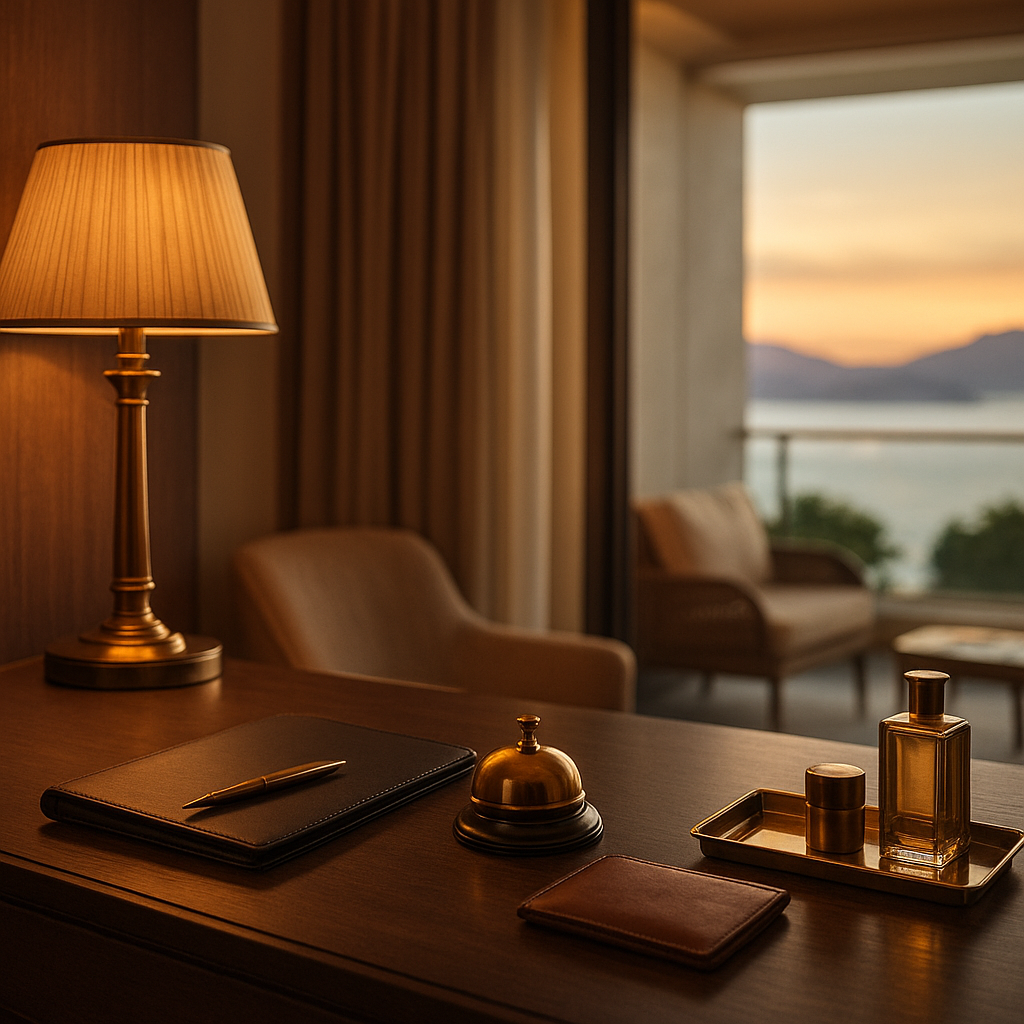
Why luxury still matters
Luxury matters because human beings are not machines. We respond to texture, proportion, silence, color, and ceremony. A superb object or experience can lift an ordinary day into something memorable. That is not vanity. That is appreciation. The old idea of stewardship fits here: if you can choose well, choose well. Waste is vulgar; excellence is not.
Here is the kicker. Luxury at its best rewards discipline. The finest brands often reject trends that would cheapen their work. The best hotels protect standards that make guests feel cared for without being fussed over. Serious chefs limit menus to keep quality high. Good designers edit. Good watchmakers obsess over invisible parts. That restraint is why these fields command respect.
- Durability: Well-made goods outlast fast purchases, sometimes by decades.
- Comfort: Better materials and design reduce irritation you may not notice until it is gone.
- Resale and collectability: Some pieces retain value when the brand, model, or provenance is strong.
- Craft appreciation: Luxury teaches you to notice what most people miss—finishing, balance, proportion, and handwork.
- Service quality: Premium brands often compete on how they treat people, not just what they sell.
- Experience value: In travel and dining, the memory can be worth more than the bill.
Not every expensive item is worth the money. Everyone knows this, yet the market keeps feeding on insecurity. A logo can be rented in your head. Actual quality cannot. When I compare high-end brands, I look for three things: consistency, honesty, and competence. Consistency means the house does the same thing well over time. Honesty means the brand does not oversell mediocre work. Competence means the product or service stands up under use.
Luxury goods also have a cultural role. They preserve techniques that would disappear if everything were mass-produced. Tailoring, enameling, hand polishing, stone setting, cellar management, and old-school service are not trivial. They are forms of human skill worth keeping alive. That is why luxury can be morally defensible when it honors labor, beauty, and proportion rather than greed.
For a closer look at craftsmanship across categories, compare our coverage of fine jewelry and precious gems with luxury cars and supercars. Different products, same standard: if the work is sloppy, the badge means nothing.

How to choose luxury goods, travel, and dining without getting played
Buying luxury well is part art, part restraint, and part refusal to be impressed by your own reflection. The process is simple enough, though few people follow it.
- Start with function. Ask what the item or experience must do. A watch should tell time cleanly and wear comfortably. A hotel should let you sleep, work, or rest with minimal friction. A restaurant should cook beautifully and serve with timing that does not insult the kitchen or the guest. If the basic function fails, the rest is theater.
- Inspect the materials. Materials are not marketing copy. They are the thing. Look for full-grain leather, solid construction, real finishing, quality metals, long-staple textiles, properly aged wood, and reputable sourcing. In jewelry, the cut matters more than the size fairy tale. In spirits, the cask, age statement, and bottling quality matter more than the bottle shape. In design, the material should age honestly.
- Study heritage, but do not worship it. Heritage can be real, or it can be a costume. I have seen brands hide behind old dates while producing forgettable work. Real heritage shows up in archives, service records, long-running techniques, and a clear design language. If a house has survived because customers return, that means something. If it survives only because advertisers are loud, it means less.
- Compare service, not slogans. Service reveals the truth. Does the sales associate know the product? Does the hotel remember preferences without being creepy? Does the restaurant handle mistakes with grace? Does the brand support repairs, maintenance, or authentication? The better the service, the less likely you are buying smoke.
- Check scarcity and liquidity. Scarcity is not always value, but it helps. Limited production, waitlists, and artisanal work can support desirability. Yet liquidity matters too. A rare handbag with no resale market may still be gorgeous, but call it what it is: a personal indulgence, not an asset. A watch with strong secondary demand is different. Be honest with yourself. That honesty saves money.
- Use a calm eye on experience purchases. For travel and dining, read the room before you book it. Check the size of the property, the number of rooms, the service ratio, the chef’s philosophy, and recent guest feedback from reliable sources. A good starting point is coverage from Condé Nast Traveler, The World’s 50 Best, and Hodinkee for timepieces. I am not saying these sources are flawless. I am saying they are better than random enthusiasm.
- Buy for use, not applause. This is the part people hate. If you are purchasing only for recognition, you will make poor choices. If the object or experience deepens your life, it stands a better chance of being worth it. Fine things should serve human flourishing. That is the standard.
For travelers, this method works especially well when choosing between hotels and destinations. Read our practical comparison of luxury hotels and resorts before you book, and pair it with exclusive destinations and premium experiences if you want the difference between a place that photographs well and one that actually feels good.
Luxury versus the biggest competitor: premium mass-market
Premium mass-market is the biggest competitor to true luxury. It copies the signals, trims the costs, and hopes you will not notice the difference. Sometimes it does a decent job. Often it does not. The comparison below cuts through the nonsense.
| Category | True Luxury | Premium Mass-Market |
|---|
| Craftsmanship | Hand-finishing, tight tolerances, meticulous QC | Good enough, usually machine-led |
| Materials | Higher-grade, often sourced with care | Improved over standard, but cost-optimized |
| Service | Highly personalized, attentive, discreet | Efficient, scripted, scalable |
| Exclusivity | Limited production or capacity | Broad availability |
| Longevity | Designed to age well, repairable | Often built for replacement cycles |
| Price | High, with some justification | Lower, but less distinctive |
| Status value | Strong, if recognized by informed buyers | Moderate, often trend-driven |
| Emotional effect | Quiet satisfaction, confidence | Short-term thrill |
| Best use case | Collectors, frequent users, serious travelers | Value-seeking buyers who want a nicer baseline |
The difference is not that one is always better. It is that they solve different problems. A premium airline seat can be perfectly sensible for a business trip. A couture gown, an estate wine dinner, or a handcrafted mechanical watch is a different matter entirely. The cheapest smart choice is not always the wisest one, but neither is the loudest splurge.
You will also see this contrast in the automotive world. A well-trimmed grand tourer can offer excellent comfort, but a proper luxury car carries a different kind of depth—more engineering care, more quietness, more integrity. See our coverage of luxury cars and supercars for a cleaner breakdown.
The same is true in hospitality. A large five-star hotel may offer plenty of amenities, yet a smaller property with sharper service can feel far more luxurious. I have stayed in places that looked like wealth and felt like a waiting room, and in modestly scaled hotels that handled every detail with grace. Frankly, scale is not the same as excellence.
Common mistakes people make with luxury
The biggest mistake is buying the symbol and ignoring the object. People chase a name, then wonder why they feel underwhelmed. Logos are not a substitute for judgment. Never were.
Mistake 1: Confusing hype with quality. Brands can manufacture excitement. They cannot manufacture legitimacy overnight. If a product is famous but poorly made, it is still poorly made. A lot of luxury marketing is polished nonsense, and the market knows it. The buyers who last are the ones who look at finishing, fabric, stitch density, movement architecture, menu coherence, or room design.
Mistake 2: Ignoring maintenance and ownership cost. Luxury is often easy to buy and expensive to keep. Watches need service. Cars need upkeep. Leather needs care. Hospitality memberships may have rules that make no sense until you read the fine print. A person who forgets ownership costs is not sophisticated; they are careless.
Mistake 3: Overvaluing rarity without asking why it is rare. Some things are rare because they are exceptional. Others are rare because nobody wants them. Do not confuse the two. The same warning applies to dining and travel. A hard-to-book restaurant is not automatically great. A remote resort is not automatically serene. Scarcity is just one variable.
Mistake 4: Chasing trends. Trends age badly. They were designed to. If you buy luxury only because everyone on social media is shouting about it, you are not making a refined choice; you are following a crowd in expensive shoes. That is usually a bad look.
Mistake 5: Forgetting the person, not just the product. Luxury is relational. A superb hotel with cold staff is dead on arrival. A serious restaurant without humility feels brittle. A brand that treats clients like fools is already slipping. The human element matters because beauty is meant to be shared, not used as a club.
I have found one practical rule useful: if you would be embarrassed to explain why the item is good without mentioning the logo, keep looking. This rule saves money and dignity. Both matter.
For deeper taste-making and cultural context, our pieces on art and collectibles and interior design and architecture are worth a read. Luxury does not live in a vacuum; it lives in the way people shape space, time, and objects.
Frequently asked questions
What makes something truly luxurious?
True luxury combines craft, quality, service, and restraint. It should feel better to use, not just more expensive to own. If the experience depends entirely on the label, it is probably weak.
Is luxury always worth the money?
No. Sometimes it is worth every cent. Sometimes it is vanity dressed as taste. I would rather own one excellent piece than five loud ones. Buying less, but better, is usually the wiser move.
What should I prioritize when buying a luxury item?
Start with function, materials, and serviceability. Then look at design, heritage, and resale value if that matters to you. For travel, prioritize location, privacy, and staff quality. For dining, prioritize technique and consistency.
Are premium experiences better than luxury goods?
They solve different problems. Goods can be kept, repaired, and collected. Experiences are remembered, discussed, and felt. The best life probably includes both, in moderation and with good judgment.
Final thought
Luxury, when it is honest, is not about excess. It is about order, care, and the dignity of making and choosing well. That is why the finest things often feel calm rather than loud. They do not need to shout. They simply work, and they do so with grace.
I have little patience for the smug idea that all luxury is waste. That is lazy thinking. A well-made object, a well-run hotel, a quietly brilliant meal, or a beautifully executed journey can sharpen attention and deepen gratitude. Those are not trivial effects. They are part of a civilized life. Beauty, rightly handled, points beyond appetite.
The trick is discernment. Buy what is made well. Book what respects your time. Eat where the kitchen still cares. Favor houses that honor labor, proportion, and truth over spectacle. If you keep that standard, you will make fewer mistakes, spend more wisely, and enjoy the good things without becoming ridiculous about them. That is the whole game, really.