Luxury is not the same as expensive. It is the rare mix of craftsmanship, restraint, materials, service, and taste that still feels justified after the invoice...
Luxury Goods and Premium Experiences: What Actually Deserves the Price
Luxury is not the same as expensive. It is the rare mix of craftsmanship, restraint, materials, service, and taste that still feels justified after the invoice stops stinging. Most of the market is marketing noise, but the best houses, the best hotels, the best kitchens, and the best travel experiences do something simple: they make time, effort, and skill visible.
What is Luxury Goods and Premium Experiences?
Luxury goods and premium experiences are products and services built above ordinary standards, where the extra cost buys better materials, tighter workmanship, stronger design, and a level of service that reduces friction. A true luxury item should feel deliberate. It should have a reason for existing beyond showing off. That's the part most people miss.
When I’ve reviewed luxury products for years, the pattern is obvious. The real brands obsess over details that casual buyers never see: hand-finishing on a watch movement, the grain selection in leather, the sourcing of silk, the balance of a chair, or the precision of a tasting menu. Cheap imitation often imitates the silhouette and skips the soul. Frankly, that is why so much of the sector feels hollow.
Luxury travel works the same way. A good resort, a private villa, or a first-rate cruise line is not merely padded with extras. It removes hassle, anticipates needs, and offers privacy, beauty, and calm. The same holds for fine dining. A serious kitchen respects ingredients, seasonality, and pacing. It does not bury mediocre food under foam and theatrics.
That said, luxury is not morally interesting just because it is costly. A Catholic view of beauty keeps the matter honest: beauty has meaning when it reflects order, care, and human dignity. Good craftsmanship honors work. Good stewardship respects resources. So yes, a well-made object can be beautiful in a way that points beyond itself. But no, a logo slapped on a thing does not make it worthy.
For deeper context on how elite hospitality sets the bar, see Forbes Travel Guide coverage, Robb Report travel features, and Tatler luxury travel reporting. These are useful because they separate polished fluff from actual standards.
Luxury is a hierarchy of proof. Materials first. Construction second. Service third. Status is last, if it deserves a place at all.
Core Benefits of Luxury Goods and Premium Experiences
Luxury has real benefits, but not the silly ones people recite at cocktail parties. Let’s be real. Most “investment pieces” are just expensive purchases with better branding. Still, the good stuff delivers value in ways that are practical, emotional, and sometimes quietly restorative.
- Durability: Better leather, better fabric, better hardware, and better finishing usually last longer. Not always forever, but longer than fast-fashion junk.
- Comfort: Luxury hotels, premium cabins, and high-end clothing often fit the body better and reduce friction. Comfort matters more than people admit.
- Service: A strong concierge, a proper butler team, or a kitchen that can handle allergies well saves time and stress.
- Craftsmanship: Handwork and technical skill create products that age gracefully. A watchmaker’s precision or a tailor’s fitting is not romantic fluff; it is measurable quality.
- Aesthetic pleasure: Beauty is not useless. It shapes mood, attention, and memory. There is nothing unserious about appreciating a well-composed room or a perfectly set table.
- Resale and collectability: Some pieces hold value because they are scarce, well-known, and condition-sensitive. Not all luxury does, so stop pretending otherwise.
- Experience memory: A fine meal in a great dining room or a villa on turquoise water becomes part of your mental archive. That has value, even if it is not “monetizable.”
There is also a quieter benefit: excellence trains the eye. Once you’ve spent time with proper materials and good service, you become harder to fool. That is useful. A fake can fool the uninformed; it rarely fools someone who has handled the real thing.
For examples of how resort standards and culinary quality are measured, look at MICHELIN Guide selections and The World’s 50 Best. They are not perfect, but they give structure to a market that loves self-congratulation.

How to Choose Luxury Goods and Premium Experiences
Choosing well is where most buyers fail. They chase labels, then wonder why the purchase feels thin. Here’s the kicker: expensive does not equal excellent. It never did.
- Start with the actual use case
- If you need a travel bag, buy for weight, organization, and wear resistance.
- If you want a hotel, decide whether privacy, spa quality, location, or dining matters most.
- If you want a watch, think about everyday wear, complication, and serviceability.
- Inspect materials and build
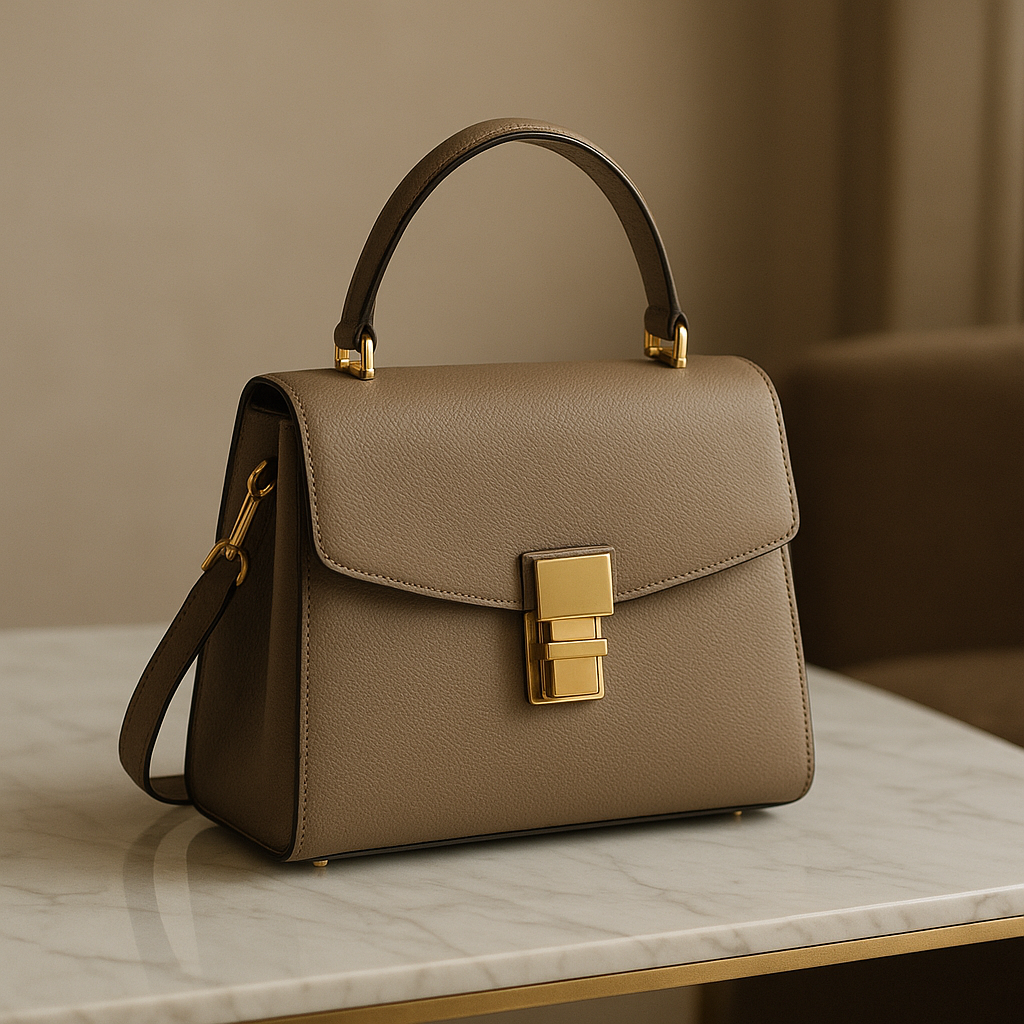
- For leather goods, look for full-grain leather, clean stitching, lined edges, and solid hardware.
- For watches, check movement finishing, case construction, and service network.
- For villas or resorts, inspect bedding, acoustics, bathrooms, and staff-to-guest ratio.
- Ask what is hidden
- Luxury is often what you do not see. The plumbing in a suite. The way a strap is edge-painted. The sourcing of truffles in a tasting menu.
- I always ask: what part of this product or service required actual skill?
- Compare the experience to the noise
- A lot of luxury advertising is froth. Ignore the slogans.
- Read reviews that describe concrete facts: room size, menu pacing, leather scent, hinge action, sun exposure, or transfer times.
- Check aftercare and service
- Good brands repair, maintain, and stand behind their products.
- Good hotels solve problems quickly.
- Good restaurants handle substitutions without drama.
- Buy for longevity, not applause
- If you need strangers to know you bought it, you probably bought the wrong thing.
- Proper luxury should satisfy you in private. That is the point.
For travelers comparing elevated stays, these guides are useful: Caribbean overwater bungalows, best luxury cruise lines in the world, and top tree top walks and canopy walkways. They cover different styles of premium escape, from water villas to small-ship cruising to high-altitude walkways.
Luxury should not feel needy. It should feel exact.
Comparison Table: Luxury Goods vs. Mass-Market Competitor
| Category | True Luxury | Mass-Market Competitor |
|---|
| Materials | Carefully selected, higher-grade, often rarer | Cost-controlled, standardized, often synthetic |
| Craftsmanship | Hand-finishing, precise assembly, tighter QC | Efficient production, broad tolerances |
| Service | Personalized, responsive, repair-oriented | Limited support, replacement-first |
| Longevity | Designed to age well if maintained | Often built for short to medium lifespan |
| Experience | Quiet, polished, low-friction | Functional, but usually impersonal |
| Price Logic | Higher because of skill, rarity, and service | Lower because of scale and compromises |
| Emotional Value | Strong if the item is genuinely well made | Usually disposable or trend-driven |
| Best For | Buyers who value quality and restraint | Buyers who prioritize cost above all else |
The difference is not subtle in person. A luxury item should reveal care through touch, balance, and finish. A cheap competitor usually reveals shortcuts. That is the whole story, despite what marketing departments would like you to believe.
Common Mistakes to Avoid
The luxury market is full of people paying for the wrong thing. That is not harsh; it is just true.
- Mistaking logo size for quality
Big branding can hide mediocre construction. A loud emblem does not fix bad stitching or a clumsy silhouette. - Buying for social proof
If your reason is mostly bragging rights, the purchase will age badly. Trends fade. Reality remains. - Ignoring service and maintenance
Fine watches need servicing. Leather needs care. Villas need good management. People forget this, then act surprised when luxury asks for stewardship. - Confusing rarity with excellence
Some things are scarce because they are genuinely good. Others are scarce because they are gimmicky. Big difference. - Overpaying for “experience theater”
Some hotels and restaurants are staged to look exclusive while offering shallow execution. I’ve seen enough candlelit mediocrity to last a lifetime. - Skipping independent research
Read real sources, not just brand copy. Check travel rankings, watchdogs, and critical reviews. For market and brand context, The Business of Fashion and The New York Times Travel often provide sharper reporting than glossy ads.
There is also a moral trap here. Luxury can drift into vanity if it becomes detached from gratitude and proportion. Fine things are worth enjoying, yes, but they should not become idols. Good taste without humility turns ugly fast.
Frequently Asked Questions
What makes a luxury item worth the money?
A luxury item is worth the money when its materials, construction, service, and longevity clearly exceed ordinary alternatives. If the only visible difference is branding, it is not worth much. Simple as that.
Are luxury goods a good investment?
Sometimes, but not usually in the way people imagine. Certain watches, handbags, jewelry, and collectibles can hold value if they are rare, iconic, and well preserved. Most luxury purchases are consumption, not financial assets.
What is the most important part of a luxury travel experience?
Consistency. Great beds, quiet rooms, reliable service, clean design, and competent staff matter more than gimmicks. A single spectacular feature cannot rescue a poorly run property.
How do I tell real quality from marketing?
Look for details you can verify: stitching, finishing, material weight, repair policies, staff training, menu execution, room acoustics, and guest-to-staff ratios. Marketing talks about feeling; quality leaves evidence.
Luxury is most convincing when it disappears into use. The best watch keeps time without begging for attention. The best hotel room feels calm without shouting. The best meal feels inevitable, as if the chef respected the ingredient rather than bullied it. That is what excellence looks like when it is doing its job.
I’ve spent enough time around expensive things to know a blunt truth: the good ones reward attention, and the mediocre ones demand applause. Choose the former. Enjoy the beauty. Keep your standards high. And do not let anyone talk you into mistaking noise for refinement.