Luxury goods are not just expensive objects. They are a mix of <strong>craftsmanship</strong>, <strong>scarcity</strong>, <strong>heritage</strong>...
Luxury Goods and Premium Experiences: What Actually Matters in 2026
Luxury goods are not just expensive objects. They are a mix of craftsmanship, scarcity, heritage, materials, and the quiet confidence that comes from owning something well made. The trouble is that a lot of luxury marketing is nonsense. Nice packaging is not value. Logo size is not taste. And a high price tag, by itself, proves very little.
Key Takeaways- Real luxury is about craft, service, and durability, not just status.
- The best purchases often hold value because they are well made, not because they scream for attention.
- In travel and dining, luxury means privacy, consistency, and excellent execution.
- Smart buyers compare materials, provenance, resale value, and aftercare before spending.
- Beauty matters, and so does stewardship; fine things should be used with care, not worshipped like idols.
If you want the honest version, luxury is the art of paying for fewer mistakes. When I examined high-end goods, trips, and meals over the years, the pattern was obvious: the best experiences are calm, precise, and almost annoyingly competent. A good watch keeps time and tells a story. A proper hotel room feels effortless. A serious dinner does not need to shout. That is the point.
For readers comparing categories, the logic is similar whether you are looking at a handbag, a resort, a bottle of wine, or a chef’s table. You are paying for design, labor, rare materials, and the skill to make hard things look simple. The better the craft, the less the object begs for attention. Frankly, that restraint is often the whole game.
To put this in context, sources like McKinsey on the state of luxury, Bain’s luxury goods insights, and LVMH news make one thing plain: wealthy consumers still care about rarity, experience, and brand credibility. But they are also more skeptical than the marketers like to admit. Good.
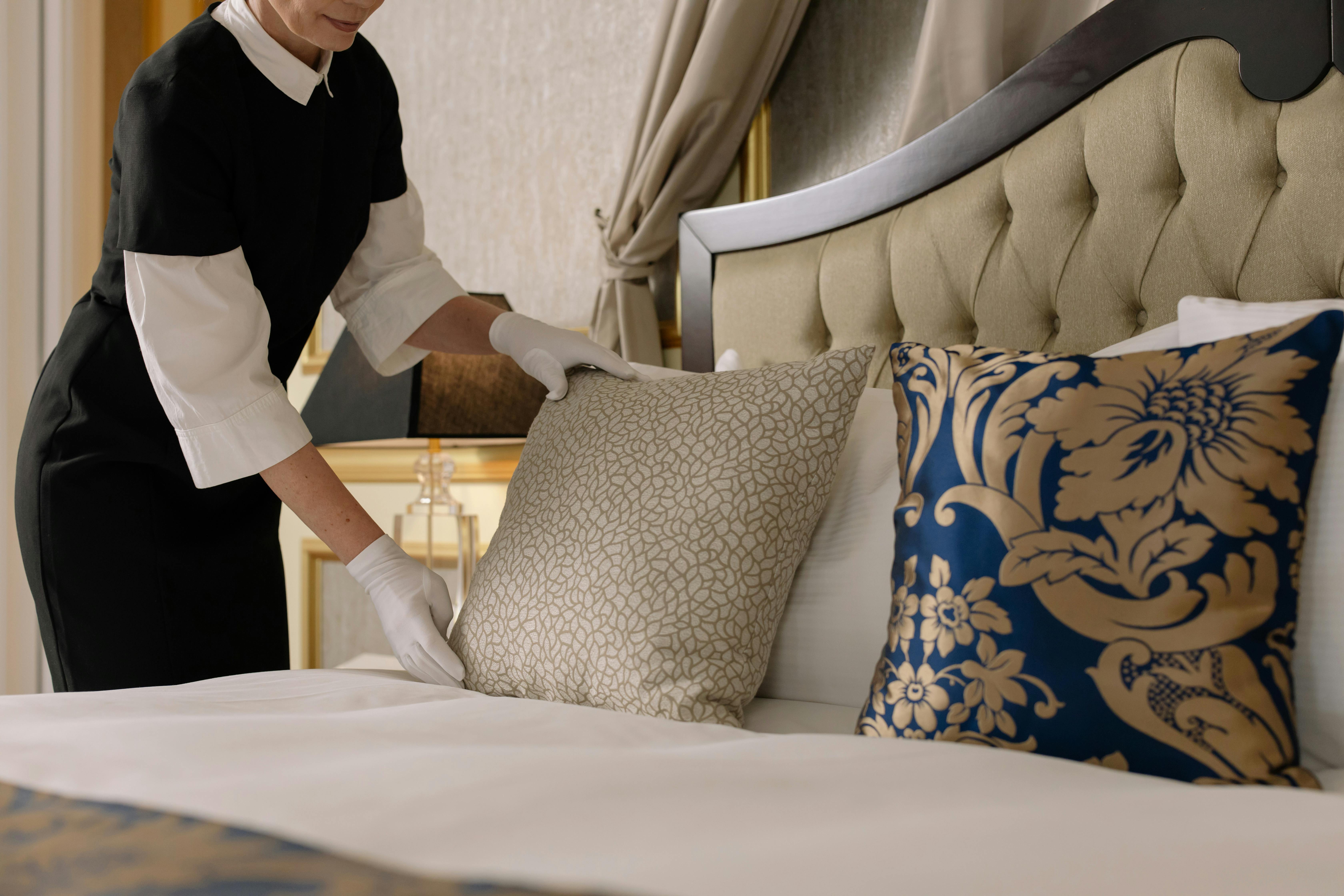
What is luxury goods and premium experiences?
Luxury goods are products and services that exceed ordinary standards in quality, design, rarity, service, and emotional appeal. That includes watches, jewelry, handbags, fashion, automotive, design, spirits, hotels, and high-end travel. Premium experiences are the same idea applied to places and moments: a private villa, a first-class cabin, a Michelin-starred meal, a yacht charter, or a spa that actually knows how to be quiet.
The definition sounds simple. It is not. Most brands try to confuse luxury with spectacle. They use louder logos, bigger campaigns, and flimsy buzzwords. That is the cheap route. True luxury is more grounded. It is the result of skilled labor, careful sourcing, and a refusal to cut corners when no one is looking. That matters because people can sense when something is built to impress strangers rather than serve the owner.
I have reviewed enough premium products to say this without hesitation: the best luxury items often look almost plain at first glance. A fine watch has balanced proportions. A serious leather bag has clean stitching and excellent edge finishing. A high-end hotel room is not packed with gimmicks; it works. A luxury meal respects ingredients. None of this is accidental. Good taste tends to be quiet.
This is where a Catholic view of beauty helps, even if only in the background. Beauty is not mere decoration. It can point beyond itself. Well-made things remind us that human work has dignity, that order matters, and that excellence is a form of stewardship. That is why a beautiful object can feel right without becoming sinful excess. Use what is good. Do not worship it.
In travel, the same logic applies. A resort such as the one discussed in this Angsana Corfu Resort & Spa review earns praise not because it is flashy, but because it shapes comfort, service, and setting into one coherent experience. That is what premium travel should do.
Luxury also includes cultural and culinary depth. A serious tasting menu, a private museum opening, or a well-run heritage hotel is not just entertainment. It is an encounter with skill and memory. If that sounds a bit lofty, fine. It still needs to work in practice, and that means housekeeping, temperature control, materials, and pacing. The little things carry the load.
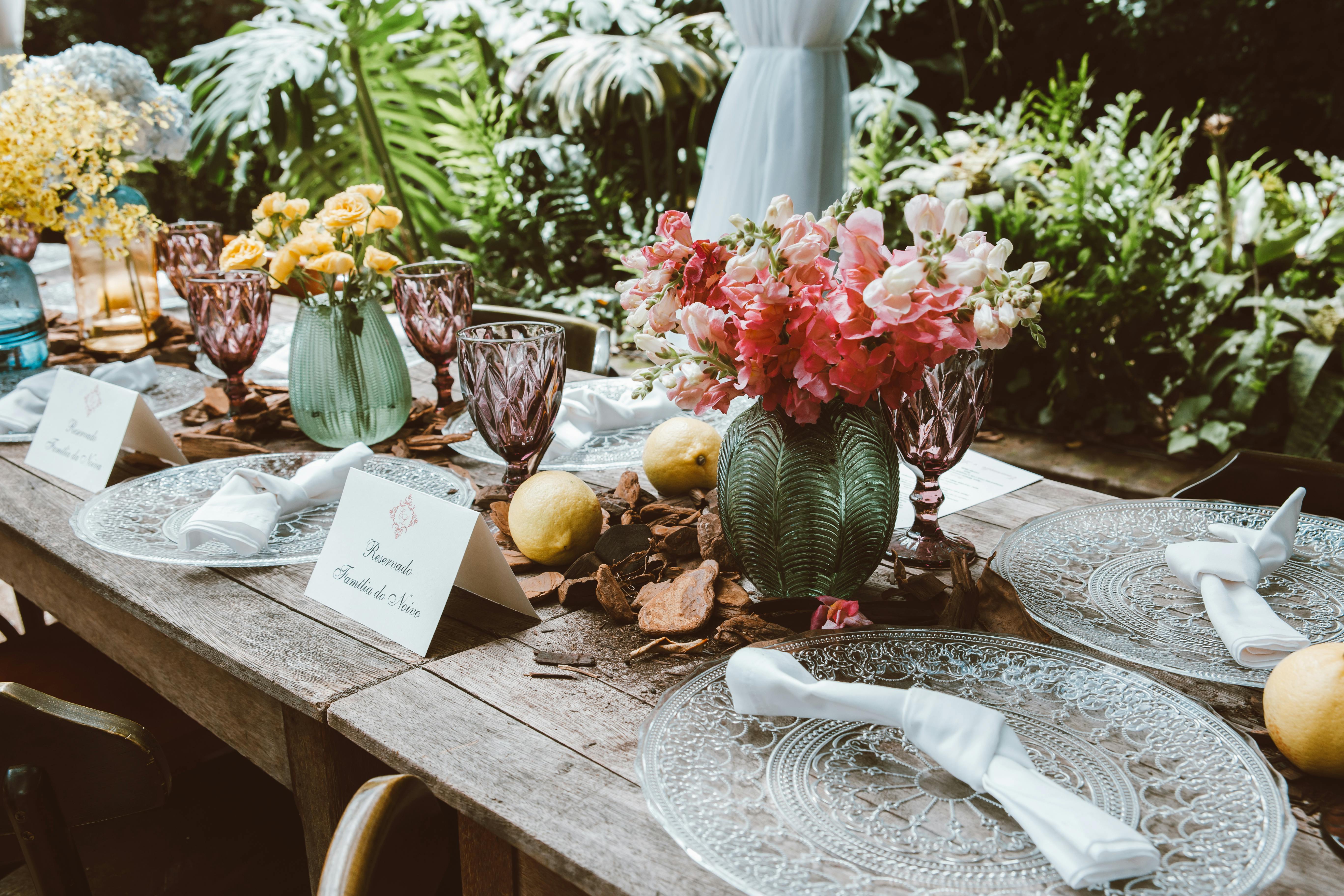
Core benefits and importance
Luxury matters for reasons that are practical before they are emotional. Anyone who says otherwise is selling something. Here is what actually counts.
- Better materials last longer. Cashmere, full-grain leather, precious metals, high-grade ceramics, and properly finished hardwoods tend to age better than bargain substitutes. If you are buying to keep, durability is not boring. It is the whole point.
- Craftsmanship improves daily use. A well-balanced watch feels different on the wrist. A tailored jacket moves better. A well-designed cabin on a cruise ship or in a boutique hotel reduces friction. You notice it every hour, not just on the day you buy it.
- Service can be the real product. In luxury travel and hospitality, the staff often matters more than the wallpaper. A good concierge, thoughtful butler service, or a chef who remembers dietary needs is worth real money. The best brands know that hospitality is a discipline, not a slogan.
- Resale value can reduce the sting. Some luxury goods hold value because they are desirable, scarce, and well documented. That does not make them investments in the strict sense. It does make them less wasteful than impulse buying a pile of disposable junk.
- Luxury can mark important moments. Engagement rings, milestone trips, and heirloom watches are often tied to life events. That emotional weight is legitimate. Good things can help us remember important promises. There is nothing shallow about that when handled with gratitude.
- Design shapes behavior. A beautiful room invites calm. A fine dining room slows the pace of a meal. A well-made travel bag makes packing easier. Fine objects train habits. That is useful, not silly.
The kicker is that not all luxury is equally worthwhile. Some brands are propped up by ad budgets and artificial scarcity. Others earn trust through decades of consistent quality. When I compare products, I look for evidence: materials, construction, servicing, provenance, and whether the object still works when the novelty fades.
The same skepticism should apply to premium experiences. Not every expensive hotel is excellent. Not every exclusive restaurant is memorable. Not every private tour is worth the invoice. You are buying a result, not a fantasy. That distinction saves money and disappointment.
For readers interested in destination-level luxury, this site’s coverage of the Caribbean overwater bungalows and water villas shows how setting, access, and privacy create value that cannot be copied by ordinary resorts. The view is nice. The seclusion is better.
And yes, beauty matters. A well-crafted object or place can lift the spirit because it reflects order, proportion, and care. That is not frivolous. It is human.
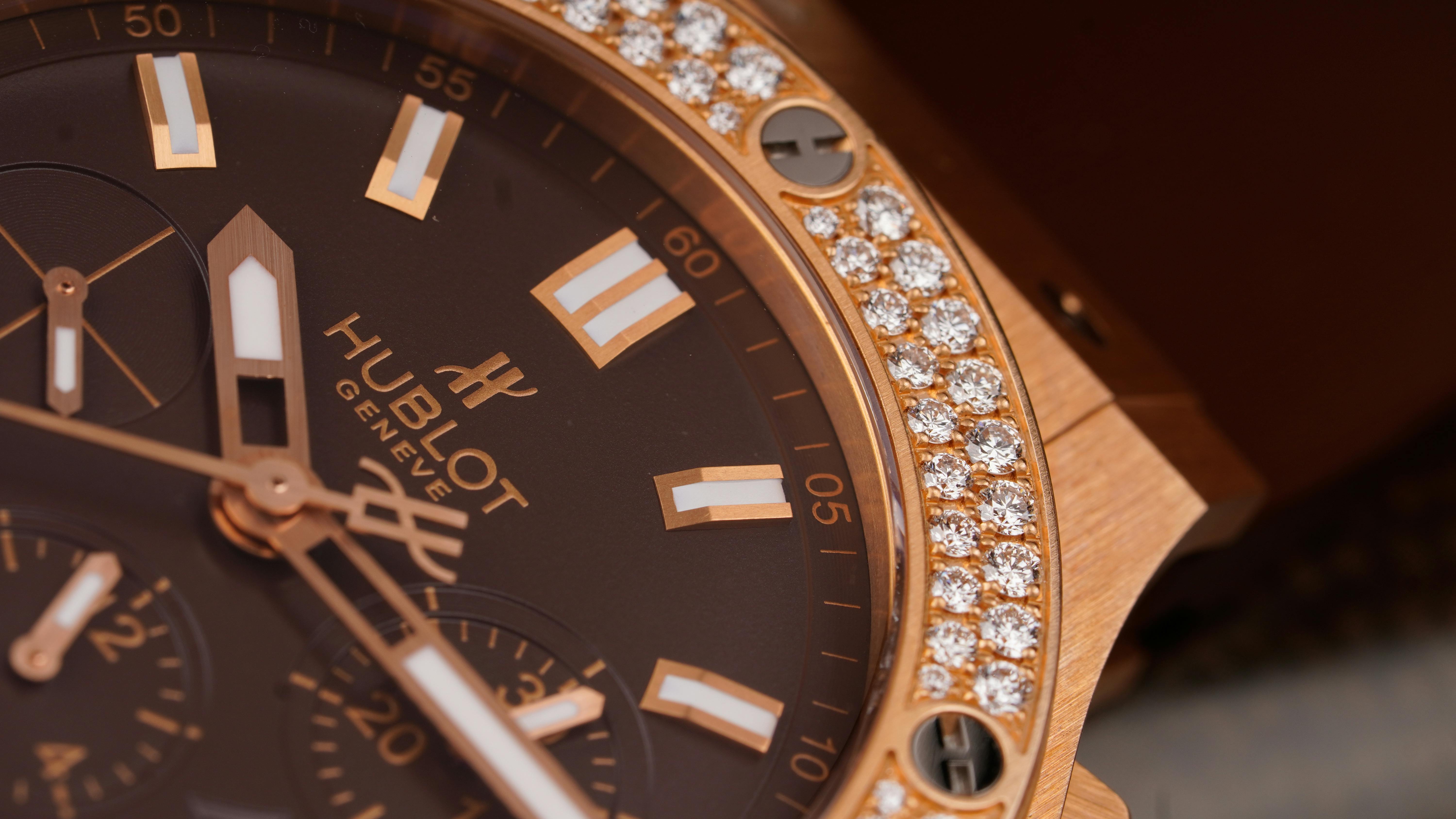
Step-by-step guide to choosing luxury goods and premium experiences
Buying luxury well is a process. Not a vibe. Not a mood board. A process.
- Start with use, not status. Ask what problem the item or experience solves. A watch should suit your wrist and lifestyle. A hotel should fit your pace of travel. A handbag should carry what you actually use. If the answer is “I want people to notice,” you should probably wait a week.
- Check the construction. For goods, inspect stitching, finishing, movement, lining, and materials. For travel and dining, inspect service standards, room configuration, food sourcing, and staff-to-guest ratios. I’ve found that quality usually reveals itself in the unglamorous details.
- Research heritage and repair support. Brands with long histories are not automatically better, but they often have more discipline. More important, they may offer servicing, parts, or restoration. A luxury item without support can become a pretty problem.
- Compare provenance and authenticity. Precious gems, limited watches, vintage bags, and wines all need documentation. If the seller is vague, be wary. Real luxury tolerates scrutiny. Fraud does not.
- Evaluate cost per use. A coat worn 200 times is often cheaper than a fast-fashion jacket replaced every season. A hotel suite that makes a long trip restful may be worth more than a larger room with poor sleep. Frugal thinking and fine taste are not enemies.
- Look at aftercare and service. Can the brand clean, repair, resize, polish, recondition, or rebook with competence? That matters. The best luxury companies understand that the relationship starts after payment.
- Separate signal from noise. Logos, celebrity campaigns, and limited drops are not quality metrics. Sometimes they hide weak craftsmanship. Harsh, but true.
- Buy with proportion. Stewardship matters. A person can appreciate luxury without making an idol of it. One excellent jacket is better than five mediocre ones. One properly chosen vacation is better than three forgettable splurges.
If you want a concrete travel example, compare a polished spa resort to a standard chain. A property like the Bürgenstock Resort and Alpine Spa in Switzerland costs more for a reason: setting, service discipline, privacy, and a standard of finish that changes the whole stay. That is measurable.
For dining, the same rule applies. Read the menu, study the sourcing, and pay attention to consistency. Anyone can make a dish look dramatic on social media. Fewer can make it taste balanced every single time.
Comparison table: luxury goods vs mass-market competitors
The comparison people avoid is usually the useful one. Luxury is not automatically better in every category, but it does outperform mass-market goods when quality, longevity, and experience matter.
| Factor | Luxury Goods & Premium Experiences | Mass-Market Competitor |
|---|
| Materials | Higher-grade leathers, metals, fabrics, ingredients | Cheaper substitutes, faster wear |
| Craftsmanship | More hand-finishing, tighter quality control | Higher volume, less attention per item |
| Service | Personal, responsive, often proactive | Standardized, limited support |
| Longevity | Often designed to last years or decades | Shorter useful life |
| Resale Value | Sometimes strong, especially for icons | Usually weak |
| Experience | Calm, private, refined, personalized | Functional, crowded, inconsistent |
| Price | High upfront cost | Lower upfront cost |
| Long-term value | Can be excellent when chosen carefully | Often cheaper only at purchase |
The table is blunt because reality is blunt. A cheap item can be fine. A cheap flight can get you there. A mid-range restaurant can be delicious. But if the question is what delivers lasting satisfaction, luxury tends to win when it is genuine.
That does not mean every luxury brand deserves applause. Far from it. Some are just expensive mediocrity with a monogram. The useful distinction is between true quality and premium theater. True quality survives scrutiny. Premium theater needs applause and influencers.
Luxury travel shows this better than almost anything. A first-class cabin, a boutique island resort, or a well-run expedition cruise does more than impress. It reduces stress and saves time. If you want to see how high-end travel is evolving, check industry coverage from Condé Nast Traveler on luxury travel trends and broader market reporting from Bain. They both point to the same truth: people still pay for discretion, comfort, and memorable execution.
For those who want an example of niche premium travel done right, this site’s coverage of the best luxury cruise lines in the world is a good reference point. The best ships do not merely transport passengers. They create a floating hotel experience with actual standards.
Common mistakes to avoid
Most luxury mistakes are expensive forms of insecurity. That sounds harsh. It is also true.
- Buying for the logo. A visible brand mark is not a substitute for quality. Sometimes it is the opposite. If the only reason you want it is recognition, you are probably overpaying for social signaling.
- Assuming expensive means rare. Plenty of overpriced goods are easy to find. Rarity has to be real: limited production, specific materials, or artisanal labor. If the product is everywhere, it is not especially scarce.
- Ignoring repair and maintenance. A fine watch needs servicing. Leather needs care. Hotels need consistency. If you cannot maintain it, you do not fully own it. You are just renting the headache.
- Confusing trend with enduring style. Trend pieces age quickly. Good style survives seasons. That is why heritage shapes remain relevant while gimmicks become awkward. Everyone likes novelty until it looks dated.
- Overlooking fit and function. A luxury garment that fits badly is still a badly fitting garment. A restaurant with beautiful plating but weak flavor is still underperforming. Beauty without usefulness is thin gruel.
- Treating all “exclusive” things as worthwhile. Exclusivity can be genuine, but it can also be artificial. A private club, private island, or invitation-only dining room may be excellent. Or it may be a velvet rope around mediocrity.
- Neglecting value of time. Time is part of the cost. A transfer that saves two hours, a hotel that simplifies logistics, or a bag that reduces packing chaos may justify its price. That’s the math people forget.
There is also a moral mistake, though few luxury editors say it plainly: excess can flatten appreciation. When everything is abundant, nothing is cherished. Good stewardship means choosing carefully, caring for what you own, and refusing the childish habit of consumption for its own sake. The dignity of work deserves the dignity of use.
For a food-and-drink example, a well-chosen bottle matters more than a shelf full of status wine. If spirits are your thing, read a solid guide like this overview of Decanter’s wine and spirits education before chasing labels. Knowledge beats vanity every time.
Frequently asked questions
What makes a luxury brand truly worth the money?
A luxury brand is worth the money when it offers superior materials, real craftsmanship, strong service, and long-term usability. If it only offers hype, skip it. Frankly, hype is cheap.
Are luxury goods a good investment?
Sometimes. Iconic watches, rare jewelry, and certain handbags can hold value or appreciate, but most luxury purchases should be treated as consumption, not financial assets. Buy because you want to own and use the item, not because someone on the internet promised returns.
What defines luxury travel today?
Luxury travel is defined by privacy, consistency, personalization, and excellent execution. It can be a yacht, a safari lodge, a private villa, or a top-tier city hotel. The form matters less than the quality of the experience.
How do I tell real quality from branding?
Look at construction, materials, service standards, provenance, and aftercare. Read reviews from credible sources, study product details, and compare alternatives. Branding is loud. Quality is specific.
Final thought
Luxury, when done properly, is not about greed or vanity. It is about ordered beauty, skilled labor, and the comfort that comes from things made well. That is why the best watchmakers, hoteliers, chefs, and artisans deserve respect. They turn time, material, and effort into something useful and lovely.
Still, let’s be real: the market is crowded with overpriced junk wearing a nice suit. So keep your head. Buy less, buy better, and keep your standards higher than the marketing department would prefer. Whether you are choosing a handbag, a resort, a bottle of wine, or a week at sea, the same rule applies. Seek excellence, not applause. Appreciate what is well made. Use it with gratitude. Care for it. That is the whole point.
When I look at the best luxury goods and premium experiences, I do not see mere indulgence. I see craftsmanship, patience, and a quiet refusal to accept mediocrity. That is a sensible way to live. It is also, in its own understated way, a form of reverence.