Luxury is not price alone. It is craftsmanship, restraint, and the stubborn refusal to accept mediocrity, whether you are buying a watch, booking a suite, or...
Luxury Goods and Premium Experiences: What Actually Matters in High-End Living
Luxury is not price alone. It is craftsmanship, restraint, and the stubborn refusal to accept mediocrity, whether you are buying a watch, booking a suite, or sitting down for a tasting menu that took a chef twenty years to perfect. Most luxury marketing is theatrical nonsense, frankly, but the real thing still exists: materials that age well, service that remembers your name, and experiences that feel ordered, quiet, and made with care. When I’ve reviewed luxury brands and premium travel for years, the pattern is consistent: the best purchases reward attention, while the worst merely broadcast expense.
Key Takeaways
- Luxury worth paying for usually combines craftsmanship, heritage, and service.
- The best luxury goods keep value through materials, scarcity, and repairability, not slogans.
- Premium travel and dining matter when they create calm, privacy, and excellence in execution.
- Comparison shopping is still useful; hype does not cancel arithmetic.
- Beauty, rightly understood, points beyond vanity to order, excellence, and human skill.
What is luxury, really?
Luxury is the point at which utility gets refined into pleasure, and then refined again into meaning. A good example is a hand-finished watch, a tailored coat, or a cruise suite with a real butler and a deck you actually want to sit on. A bad example is most “premium” stuff, which is usually just expensive packaging around average goods. You can tell the difference fast. The stitching is cleaner. The leather smells right. The staff are trained to notice before you ask.
I’ve looked at enough high-end brands to say this without embarrassment: luxury is not the same as wealth signaling. It is the disciplined use of resources to make something durable, beautiful, and difficult to fake. That sounds almost old-fashioned, because it is. In a sane world, excellence would still matter. Here’s the kicker: the finest things tend to reveal the hand of a maker, not the ego of a marketer.
That is why categories matter. A luxury watch is not merely a time-telling device; it is horology, finishing, complications, and often a century of brand memory. A luxury handbag is not just a tote with a logo; it is material science, edge paint, and pattern cutting. A luxury hotel is not a room with a minibar; it is sleep quality, quiet, bedding, staffing ratios, and the odd miracle of remembering your preferred tea. And a fine dining experience is not “fancy food”; it is sourcing, technique, pacing, and the courage to season properly.
That subtle order matters. Beauty matters too, and not in a shallow way. Fine craftsmanship reflects a deeper truth: human work can be noble when it is exacting, patient, and made for the good of others. That is why great luxury often feels less like excess and more like stewardship of talent, materials, and time.
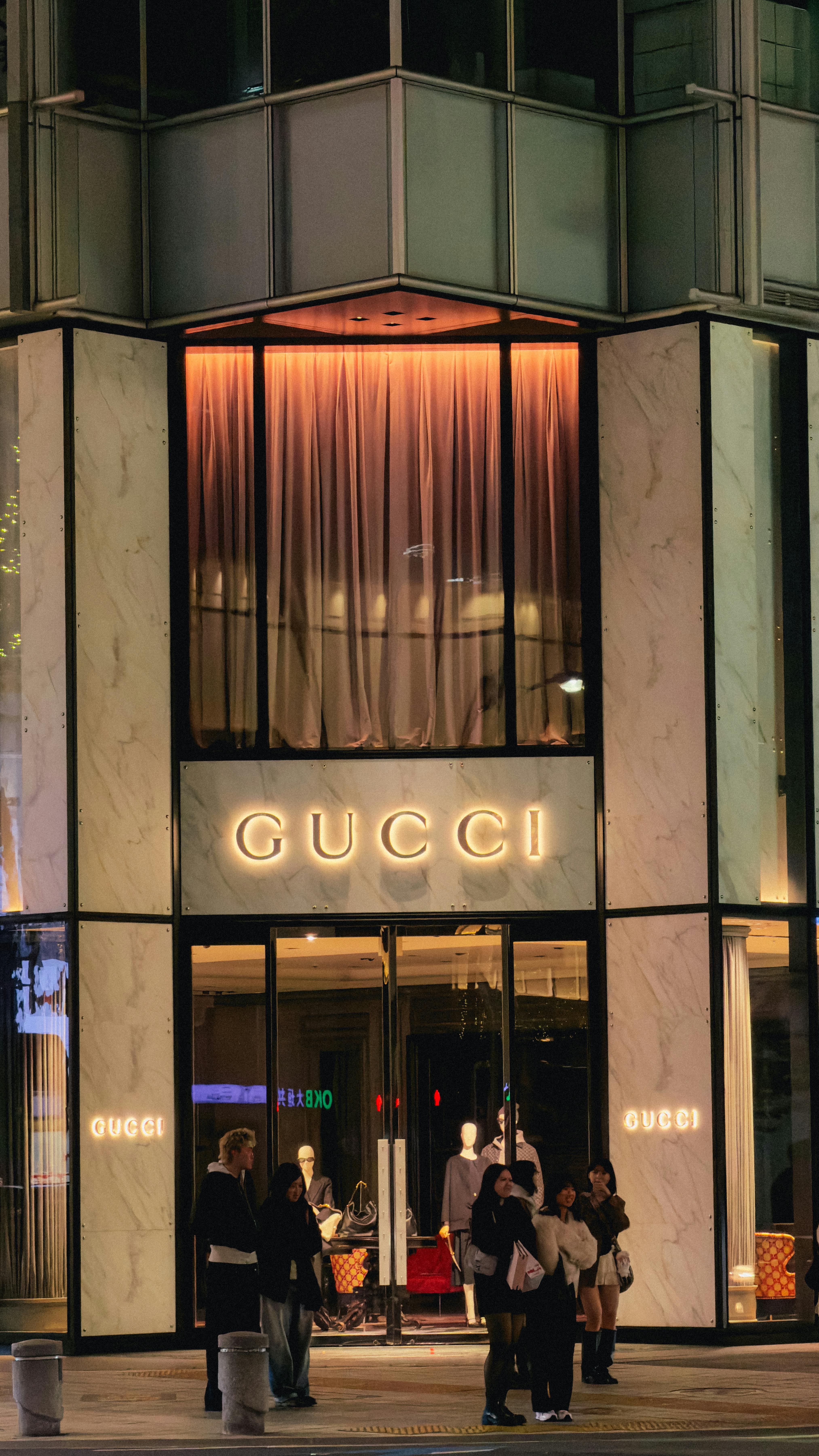
If you want a practical benchmark, read beyond the marketing and look at standards. For travel, the best hotels in the world are usually praised for service consistency, not just marble bathrooms. For luxury vessels, Travel + Leisure’s cruise rankings make the same point: the best lines excel at staff attention, space, and a calm atmosphere. For dining, the MICHELIN Guide’s star criteria remind you that technique and consistency still rule the room. Fancy? Yes. Empty? Not if done properly.
Core benefits and why people keep paying for it
Luxury is not only about vanity. It solves real problems, and the useful ones are often boring. The best goods and experiences remove friction, reduce uncertainty, and improve how time feels. That matters more than most people admit.
- Quality that lasts: Good leather, precious metals, dense fabrics, and solid construction age gracefully. Cheap versions age like milk.
- Service that anticipates needs: A strong hotel or cruise team can save you time, awkwardness, and irritation before they become your problem.
- Scarcity with purpose: Limited production can mean better control, better finishing, and fewer compromises. It can also mean artificial hype. Watch both.
- Resale and collector value: Certain watches, handbags, and rare wines retain value because the market respects provenance and condition.
- Emotional satisfaction: A beautifully made object can make daily routines feel less mechanical. That is not silly; it is human.
- Access to better experiences: Luxury travel often buys quiet cabins, better locations, finer linens, smaller crowds, and more competent people.
Frankly, the biggest benefit is not status. It is the reduction of bad surprises. A proper hotel does not make you wrestle with the shower. A proper airline seat does not punish your spine for existing. A proper restaurant does not serve a warm plate and call it design. Competence is luxurious because incompetence is everywhere.
The contrarian view is simple: not all luxury is worth it. A logo-heavy item that falls apart is not luxury. A “signature” menu with tired plating and no depth is not fine dining. A cruise that stuffs its itinerary until every port feels rushed is not premium; it is just expensive fatigue. I’ve seen enough of that nonsense to say it plainly.
Still, the best luxury purchases can be rational. A well-made coat can last a decade. A serious watch can be serviced for generations. A suite on a longer voyage can create real rest, especially on lines that understand space and pacing, like the refined experiences often highlighted in Silversea cruise reviews. In other words, the value is not abstract. It shows up in wear, sleep, peace, and the absence of regret.
How to choose luxury goods and premium experiences without getting fooled
Start with function. Luxury should improve use, not merely decorate it.
- Define the job clearly.
If you are buying a watch, do you want daily wear, formal presence, or collector value? If you are booking travel, do you want rest, romance, adventure, or privacy? Be specific. Vague desires lead to waste.
- Inspect the materials.
Solid gold, platinum, full-grain leather, high-grade steel, cashmere, silk, and good ceramics each behave differently. Ask what the item will look like after five years. That question cuts through marketing fast.
- Check finishing and construction.
On watches, look at movement finishing, dial print, case edges, and bracelet articulation. On handbags, examine stitching, lining, hardware weight, and edge paint. On hotels, assess bedding, soundproofing, bathroom design, and staff cadence. These details matter more than an influencer shot with terrible lighting.
- Read the service model.
The best luxury is delivered by people. A luxury hotel with a bad concierge is just a nice building. A cruise with sluggish service is a floating mall. Ask how the brand handles repairs, upgrades, dietary needs, and special requests.
- Compare heritage to actual performance.
Heritage matters when it shows up in know-how, not when it is pasted onto a website like wallpaper. I’m skeptical of any brand that talks more about history than finish quality. Real heritage is measurable: stable quality, trained artisans, and consistent output.
- Consider total cost of ownership.
For goods, include servicing, insurance, repairs, and storage. For travel, include transfers, gratuities, drinks, and taxes. The bill often grows teeth. Don’t pretend it won’t.
- Test the emotional return.
Will you use it often? Does it calm you? Does it fit your life? If a beautiful object ends up in a drawer, its luxury value is weak. Stewardship means using good things well, not hoarding them like a dragon with a taste for trench coats.
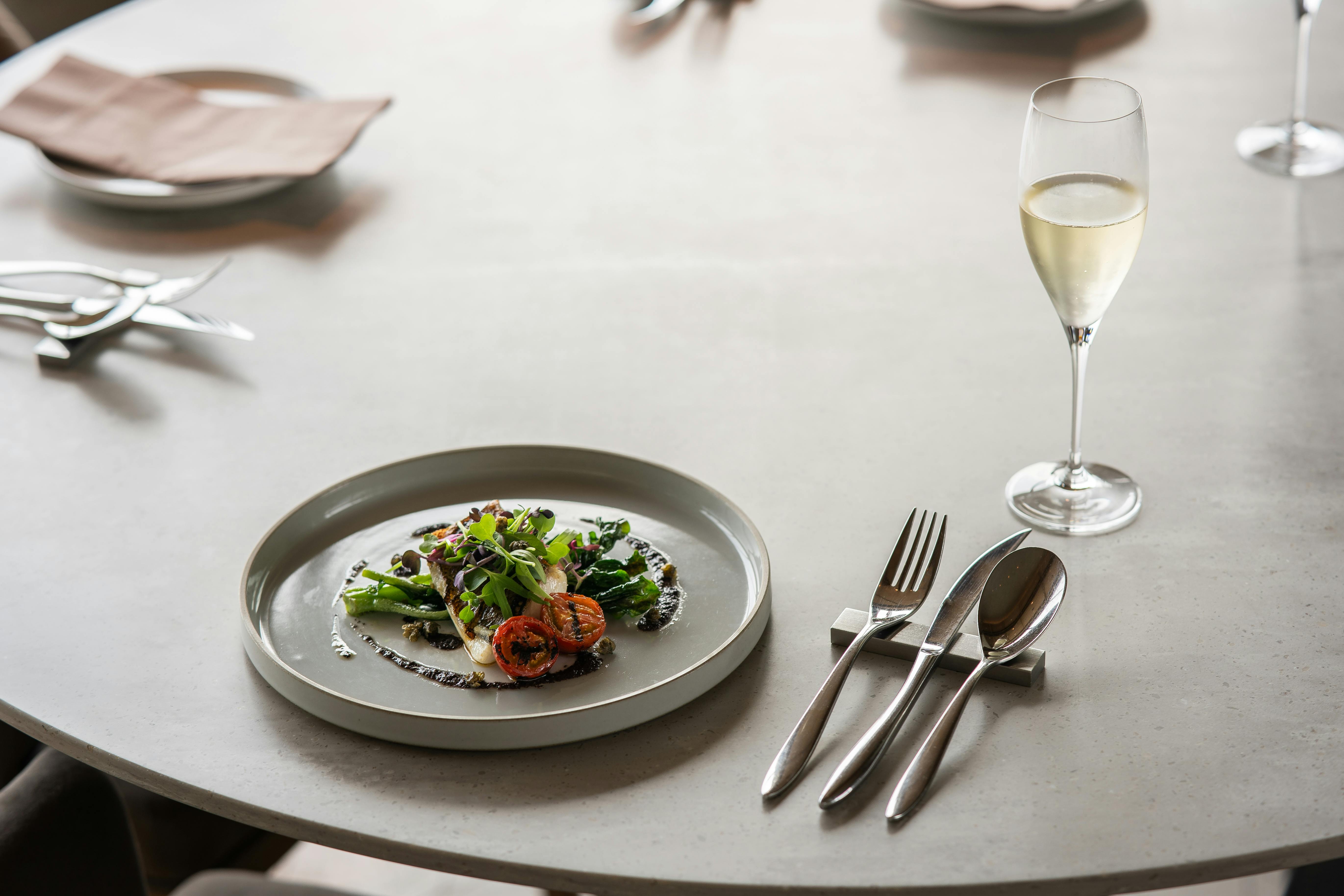
When I compare categories, the same rule holds: buy the item or experience that serves its purpose beautifully and with restraint. For more specific shopping strategies, see related guidance in luxury watches, designer handbags, and luxury travel. If those links are part of a broader site, they should lead readers to the category deep dive they actually need, not a generic homepage with too many pop-ups.
Comparison table: luxury goods vs. mass-market premium
| Factor | True Luxury | Mass-Market Premium |
|---|
| Materials | Exceptional, often natural, selected for aging and feel | Better than basic, but usually optimized for cost |
| Craftsmanship | Highly trained labor, more hand finishing | Machine-led with limited hand work |
| Service | Personalized, responsive, often white-glove | Standardized, script-driven |
| Longevity | Built to last and often serviceable | Often disposable after a few years |
| Resale Value | Can be strong in watches, bags, spirits, and cars | Usually weak |
| Brand Meaning | Heritage, design language, and proven quality | Mostly marketing and trend-chasing |
| Experience | Calm, privacy, detail, discretion | Convenience with nicer branding |
| Best For | Buyers who value durability, excellence, and taste | Buyers who want a polished look at a lower cost |
The point of the table is not to sneer at everything cheaper. That would be lazy. The point is to separate polish from substance. Plenty of “premium” products are fine. They are just not luxury in the meaningful sense. If the stitching is average and the service is robotic, what exactly are you paying for? A logo and a little theater. That’s all.
Common mistakes people make with luxury
The first mistake is confusing recognition with quality. A famous logo is not evidence. It is often just advertising that has been repeated long enough to feel true.
The second mistake is buying for strangers. If your choices are shaped by social media comments, you are not purchasing luxury; you are renting approval. That gets old quickly. Real elegance does not shout. It sits quietly and holds up.
The third mistake is ignoring maintenance. Watches need servicing. Leather needs care. Fine fabrics need proper storage. Luxury travel also needs planning—private transfers, dining reservations, and realistic pacing. Too many people spend lavishly, then treat upkeep like an afterthought. That is how expensive things start looking tired.
The fourth mistake is over-indexing on novelty. Limited editions can be excellent, but they can also be bait. I’ve seen plenty of releases where the special colorway is doing all the work because the underlying product is mediocre. Let’s be real: if the object needs a press release to matter, it probably doesn’t matter enough.
The fifth mistake is forgetting context. A yacht charter may be perfect for one family and absurd for another. A grand hotel may be ideal for a city stay but useless if you want intimacy. A Michelin-starred tasting menu may be profound one evening and exhausting another. Luxury has to fit the person, the place, and the moment.
One more thing. A healthy view of luxury keeps gratitude in the picture. The Catholic instinct here is obvious, even if you never say it out loud: good things are meant to be received with thanks, used well, and not idolized. That makes luxury more honest and less brittle. Beauty should ennoble, not corrupt.
Frequently asked questions
What makes something truly luxury rather than just expensive?
True luxury combines quality, craftsmanship, service, and durability. Expensive items can fail on all four counts. If the product looks costly but feels flimsy, it is not luxury. It is just overpriced.
Are luxury goods a good investment?
Sometimes, yes. Certain watches, handbags, jewelry, rare spirits, and limited-edition automobiles can hold or increase value, but only with strong provenance, condition, and demand. Most luxury goods should be bought for use and pleasure first. Speculation is a messy business.
Is luxury travel worth the money?
If you value privacy, comfort, time savings, and better service, it often is. The best luxury travel removes friction and creates real rest. But a bad luxury trip is just an expensive headache, so research matters.
How do I avoid paying for hype?
Look at materials, finishing, service, repairability, and track record. Then compare with alternatives. Read independent reviews, not just brand copy. If a product depends on celebrity endorsements more than performance, be suspicious.
Final thought
Luxury, at its best, is not a parade of excess. It is care made visible. It is the work of people who know that a seam should lie flat, a sauce should taste alive, a cabin should be quiet, and a watch should keep faith with the hand that made it. That kind of excellence deserves respect.
I’ve spent enough time around high-end brands and premium experiences to know the ugly truth: most people are sold aspiration, not quality. But when luxury is done properly, it does something quieter and better. It rewards discernment. It preserves craft. It treats time as precious. And, in a modest way, it reminds us that beauty is not frivolous at all—it is one of the few things that can make the ordinary world feel ordered again.
If you are buying well, choose less noise and more substance. If you are traveling well, choose comfort with restraint. If you are dining well, choose skill over spectacle. That’s the real standard. Everything else is just expensive chatter.