Luxury is not just expensive stuff. It is the mix of craftsmanship, rarity, service, and restraint that makes an object, place, or meal feel worth the bother...
Luxury Goods and Premium Experiences: How to Judge What’s Worth the Money
Luxury is not just expensive stuff. It is the mix of craftsmanship, rarity, service, and restraint that makes an object, place, or meal feel worth the bother. Most luxury marketing is pompous nonsense, frankly, but the real thing still exists. I have reviewed luxury brands for years, and the pattern is simple: the best names respect materials, labor, and time; the weaker ones sell a logo and a story.
Key Takeaways- True luxury is defined by craftsmanship, materials, service, and rarity.
- Price alone is a lazy metric; some costly items are merely branded ordinary goods.
- Luxury travel and dining succeed when comfort, privacy, and execution are excellent.
- Selection matters: buy for use, fit, provenance, and repairability, not noise.
- Beauty and excellence have moral weight when they honor good work and stewardship.
What is luxury goods and premium experiences?
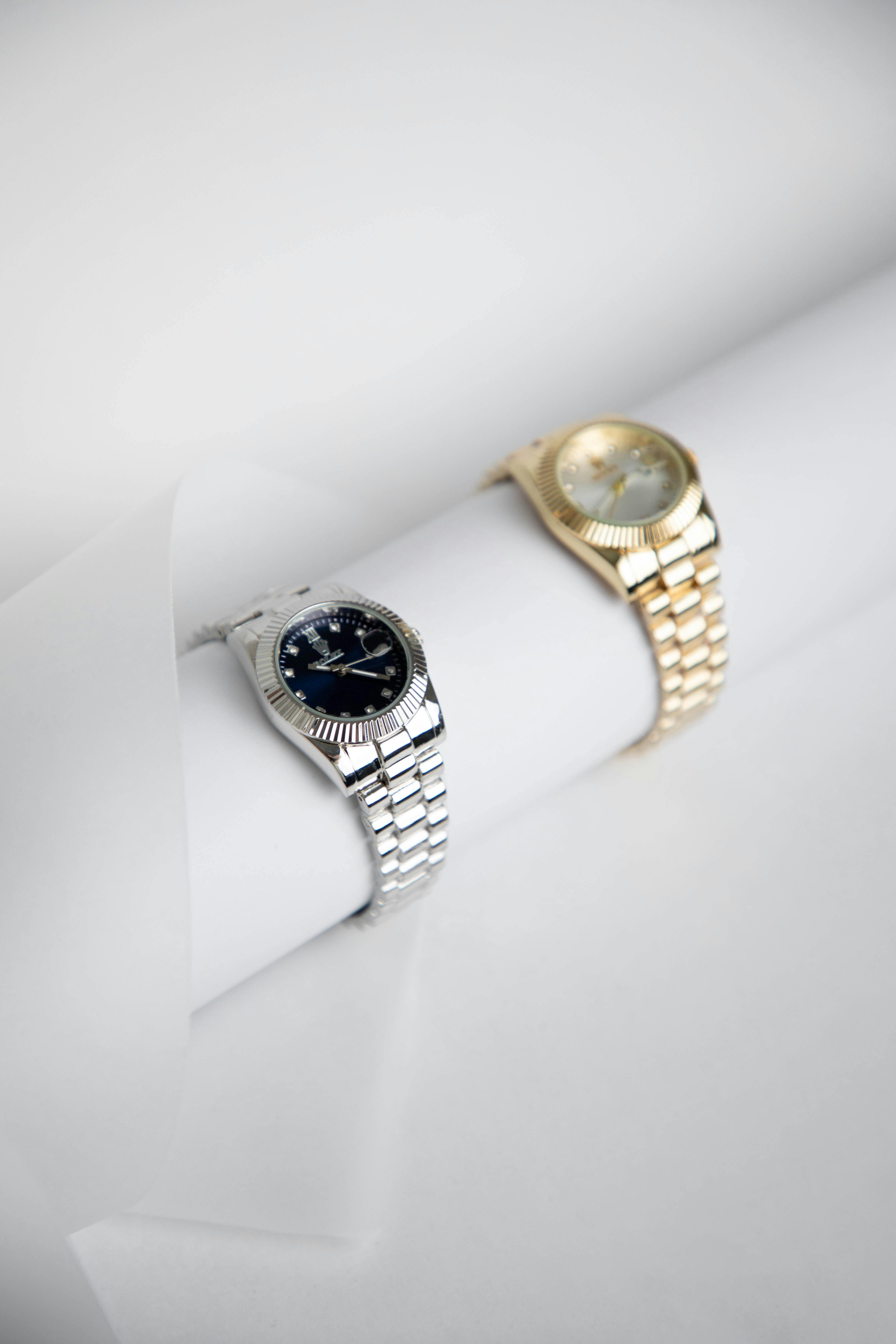
Luxury goods are products made with better materials, tighter finishing, and more disciplined design than mass-market alternatives. Premium experiences are the same idea applied to travel, dining, and service: fewer compromises, more attention, and less friction. A real luxury watch, handbag, hotel, or tasting menu should solve problems before you notice them. That is the point. Not the billboard. Not the empty flex.
The market is crowded with fake sophistication. Here’s the kicker: some brands are famous because they are excellent, while others are famous because they are loud. When I analyze luxury purchases, I look for four things. First, craftsmanship. Second, material quality. Third, service consistency. Fourth, useful scarcity. If a product or experience lacks those, it is just overpriced theater.
This is where categories matter. A proper watch rewards horology and precision. A jewelry house should handle precious metals and stones with care. A fashion label should cut cloth well, not merely print a name on it. A hotel should anticipate needs without acting like a clown in a vest. And a fine-dining room should cook with discipline, not smoke and mirrors.
The best luxury also respects human dignity. That sounds grand, but it is plain truth. When artisans spend hours polishing a case, setting a gem, or stitching leather, you are paying for disciplined work, not just vanity. Beauty, when ordered rightly, points beyond appetite. Used badly, luxury becomes a toy for ego. Used well, it is an appreciation of talent, time, and proportion.
I’ve also learned this: luxury is not one market. It is many. A Rolex and a Rimowa and a Belmond stay do not behave the same way, and they should not be judged by the same yardstick. Still, the core logic holds. Does it feel special because it is genuinely better, or because the ad team shouted louder? That question saves money.
For deeper context on the category’s mechanics, see McKinsey’s luxury market analysis, Bain’s luxury goods research, and The Business of Fashion luxury coverage.
Core Benefits and Importance
Luxury matters for reasons that go beyond ego. Surprise.
- Better longevity: Well-made goods usually last longer, age better, and need fewer replacements. That is not glamorous, but it is efficient.
- Higher daily satisfaction: A good bag closure, a well-cut jacket, or a quiet hotel room changes how a day feels. Small comforts stack up.
- Repair and service networks: Strong brands support maintenance, refurbishment, and parts access, which protects value.
- Resale strength: Some categories, especially watches and certain handbags, retain value because demand is real, not invented.
- Cultural value: Fine pieces often carry design history, regional craft, and a link to broader artistic traditions.
- Experiential memory: A proper private villa, chef’s table, or first-class rail route can stay vivid for years, while a generic trip blurs into mush.
- Stewardship: Buying fewer, better things can be the responsible choice when the item is built to endure. That is a good habit, not a sermon.
Still, let’s be real. Not every expensive purchase is wise. Some luxury categories are inflated by artificial scarcity, influencer fog, or the old trick of making ordinary things seem rare. The point is not to reject luxury. It is to sort the real from the rigged.
Here is what actually matters across the major categories:
- Watches: movement quality, finishing, complication usefulness, and brand support.
- Jewelry: stone provenance, setting quality, metal purity, and design longevity.
- Handbags: leather grade, stitching, hardware, structure, and practical size.
- Fashion: fabric, cut, tailoring, and how the garment performs over time.
- Travel: privacy, access, logistics, and whether staff fix problems fast.
- Hotels: bedding, soundproofing, housekeeping detail, and consistency.
- Dining: ingredient sourcing, cooking precision, pacing, and cellar depth.
When I compare luxury goods to premium experiences, I notice something important. Objects are easier to resell, but experiences often produce better memories. A handbag can be sold. A perfect meal at a great restaurant cannot. That is why the smartest buyers mix both, instead of chasing only logo goods or only “once in a lifetime” splurges.
For related reading, these guides help frame the buying logic: luxury watches and horology, luxury travel experiences, and fine wines and premium beverages.
Step-by-Step Guide to Selecting Luxury Goods and Experiences
Choosing well takes discipline. Most people skip that part.
- Define the use case. Are you buying daily wear, an heirloom, a status piece, or a trip that should feel restorative? A dress watch, for example, is not a dive watch. A city hotel is not a resort. Simple distinction, big difference.
- Inspect the construction. I look for the boring details first, because boring details are where quality hides. On a watch, that means movement architecture and finishing. On a handbag, it means leather grain, seam alignment, and hardware weight. On a hotel, it means water pressure, blackout curtains, and housekeeping standards.
- Check the brand’s real strengths. Some maisons are strong in one category and weak in another. A fashion house may make beautiful clothes and mediocre shoes. A spirit maker may produce a fine bottle and a forgettable gift box. Do not assume excellence travels in a straight line.
- Study provenance and service. Who made it, where, and what happens if something breaks? Reliable aftercare matters. A luxury item without service support is a fragile brag.
- Compare cost per use, not sticker shock. A well-made coat worn 100 times may be smarter than three trendy jackets worn six times each. Same with travel. A quieter suite with better sleep can outperform a grander room with lousy acoustics.
- Test the emotional response. This sounds soft, but it is practical. Does the item feel calm, enduring, and proportioned, or just loud? Good luxury settles the nerves. It does not scream for attention.
- Use trusted sources, not only ads. Read critical reviews, buyer reports, and specialist commentary. Cross-check claims. The luxury market rewards clarity and punishes lazy buying.
Here’s my blunt rule: if a product only looks impressive in a campaign image, walk away. If it holds up under touch, wear, service, and time, you may have found the real thing.
For authoritative checks, review industry standards and market reporting from Fédération de l'industrie horlogère suisse for watch exports, and MICHELIN Guide updates for dining quality signals.
Comparison Table: Luxury Goods and Premium Experiences vs. Mass-Market Alternatives
| Category | Luxury Goods and Premium Experiences | Mass-Market Alternatives |
|---|
| Craftsmanship | Hand-finishing, tighter tolerances, better materials | Faster production, broader tolerances, lower detail |
| Longevity | Often built to last and repair | Usually cheaper to replace than repair |
| Service | Personalized, often white-glove | Standardized, limited support |
| Price Logic | Higher upfront cost, sometimes better lifetime value | Lower entry price, higher churn |
| Emotional Value | Stronger sense of occasion and identity | Functional, but less distinctive |
| Resale | Sometimes strong in watches, bags, and certain cars | Typically weak |
| Travel/Dining | Privacy, comfort, and precision | Basic comfort, fewer custom touches |
The comparison is not subtle. Luxury should outperform where it matters. If it does not, the premium is just wallpaper.
Common Mistakes to Avoid
People make the same mistakes over and over. It is almost tragic.
- Buying the logo, not the object. A famous name does not fix poor leather, sloppy finishing, or weak proportions.
- Assuming rarity equals quality. Limited editions can be brilliant, or they can be leftovers with a certificate.
- Ignoring maintenance costs. A luxury car, watch, or home accessory can become expensive if service is neglected.
- Confusing trendiness with value. Trends fade. Materials and construction do not.
- Overpaying for packaging. Nice boxes are not craftsmanship. They are cardboard with ambitions.
- Choosing status over fit. A watch that is too large, a bag that is awkward, or a suite that faces noise will bother you every time.
- Trusting influencer hype. A polished reel is not a review.
The usual advice says, “Buy what you love.” Fine. But that is incomplete. Love should be informed. If you can’t explain why a piece is good beyond “it’s popular,” you’re probably paying tuition to a marketing department.
A better approach is to ask three questions. Does it work well? Will it age well? Can it be repaired or serviced? If the answer is yes three times, you are closer to a sound purchase.
This matters especially in travel and dining, where the packaging can hide weak execution. A hotel can have grand marble and miserable sleep. A restaurant can have dramatic plating and dull flavors. A spirits brand can have a glossy bottle and a thin liquid. The vice is always the same: spectacle over substance.
For more context on hospitality standards and quality signals, see MICHELIN Guide and Forbes Luxury coverage of premium brands and experiences.
Frequently Asked Questions
What makes a luxury product worth the price?
A luxury product is worth the price when it offers better materials, stronger construction, real service support, and a long useful life. If it only offers status, the price is inflated. Simple as that.
Are luxury goods a good investment?
Some are. Watches, handbags, and certain collectibles can hold or grow value, but most luxury purchases should be treated as enjoyment first and investment second. If you buy only for resale, you may miss the point and still lose money.
What matters more: brand or quality?
Quality matters more. Brand can signal quality, but it can also mask mediocrity. The brand is the clue. The object is the evidence.
How do I choose between luxury goods and luxury travel?
Choose goods if you want ownership, daily use, and possible resale. Choose travel if you want memory, access, and an experience that cannot be boxed up. The best answer is often both, just not at once.
Luxury is easiest to fake when people stop asking hard questions. That is why so much of it feels empty. But when it is done properly, luxury is not sinfully loud or uselessly precious. It is ordered beauty, serious craft, and service that makes life a little more humane.
That is the standard worth keeping. A good watch measures time well. A good hotel respects rest. A good meal honors ingredients. A good object serves the person using it, rather than demanding applause. That balance matters. Beauty should never be crude, and excellence should never be lazy. If you buy with discernment, you end up with fewer things, better things, and less regret. Frankly, that is the whole game.
