Luxury goods are not just expensive things. They are objects and experiences where <strong>craftsmanship, scarcity, service, and atmosphere</strong> carry real...
Luxury Goods and Premium Experiences: What Actually Matters in High-End Travel, Brands, and Fine Dining
Luxury goods are not just expensive things. They are objects and experiences where craftsmanship, scarcity, service, and atmosphere carry real value, if you can separate that from marketing varnish. I’ve spent years reviewing high-end brands and premium travel, and the pattern is plain: the best luxury earns its price through material quality, attention to detail, and a kind of quiet excellence that cheap imitations cannot fake.
Key Takeaways- Luxury is defined by quality, provenance, service, and restraint, not price alone.
- The best high-end brands protect their reputation through craftsmanship and consistency.
- In travel and dining, luxury means comfort, privacy, access, and precision, not needless spectacle.
- Most luxury marketing is inflated. The real value shows up in the details.
- Beauty matters. Properly made things can reflect order, care, and stewardship of good materials.
What is Luxury Goods and Premium Experiences?
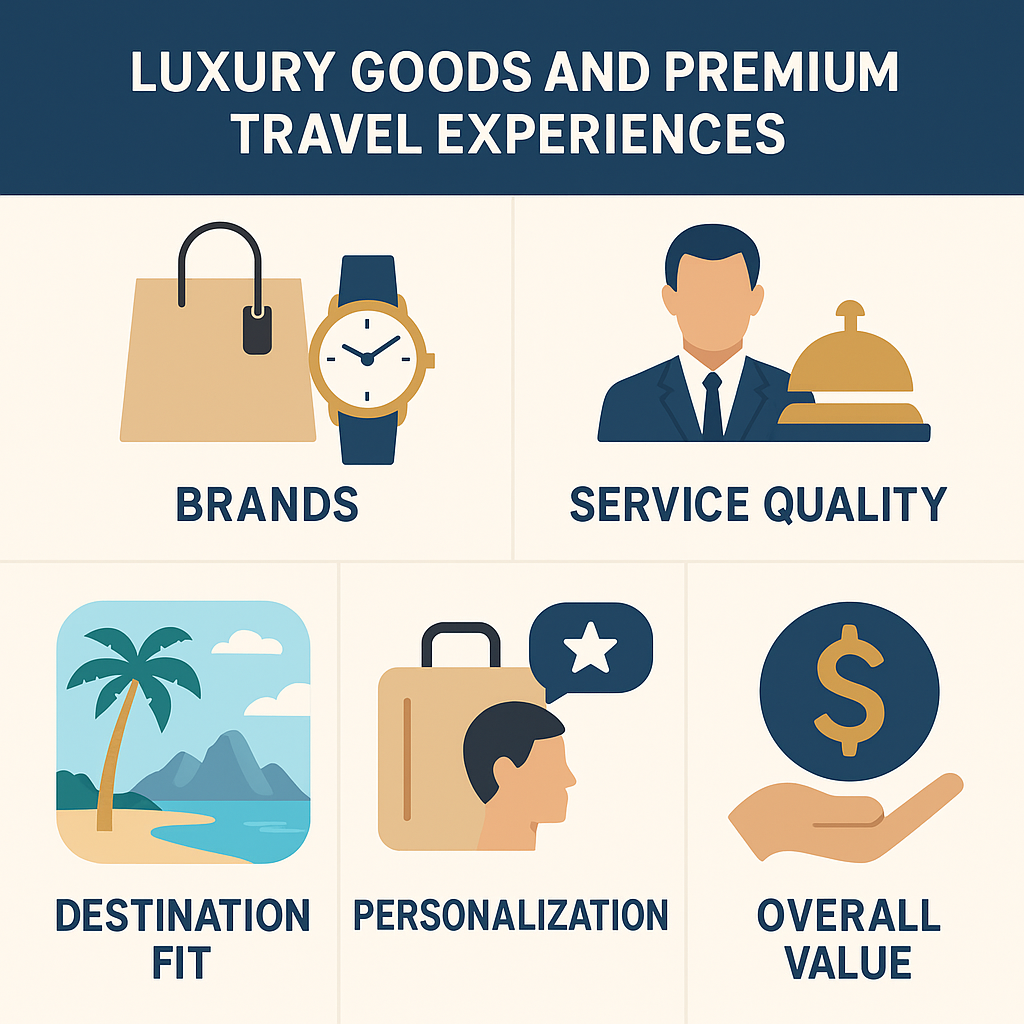
Luxury goods are premium products and services built around rarity, skilled labor, superior materials, and a controlled customer experience. That includes luxury watches, fine jewelry, handbags, designer clothing, luxury hotels, private villas, first-class travel, elite cruise lines, and haute cuisine. The broad category sounds glamorous because it is, but glamour is not the same as value. Frankly, too many brands sell status theater and call it heritage.
When I examine a luxury item, I ask a blunt question: what, exactly, am I paying for? Sometimes the answer is obvious. A watchmaker who finishes a movement by hand, a hotel that remembers your preferences without making a scene, or a chef who sources ingredients with discipline and cooks them with restraint. Those things cost money because they require skill, time, and judgment.
That said, luxury is often confused with excess. A logo plastered on canvas is not craftsmanship. A room with too much gold leaf is not refinement. A menu that tries to impress by shouting is usually a sign the kitchen lacks confidence. The better standard is quieter. Luxury, at its best, is order made visible. It rewards patience, and it respects the person using it.
There is also a moral dimension here, though most brands would rather not mention it. Fine things should be treated as gifts, not idols. Beauty, when rightly ordered, points beyond vanity. Good work deserves payment. Excellent materials deserve respect. That is the sane view, and it is older than modern marketing.
If you want a useful starting point, compare elite hospitality with popular all-inclusive travel in a guide like best Caribbean overwater bungalows or evaluate service-led cruising in best luxury cruise lines in the world. You will see the difference quickly. One sells a room or cabin. The other sells attention, access, and calm.
Core Benefits and Why It Still Matters
Luxury matters because people still notice quality. The world is full of cheap materials, rushed labor, and copycat design. The rare counterweight is excellence, and excellence has real benefits. Let’s be real, not everything labeled luxury deserves the name, but the best examples do provide measurable value.
- Durability: Good leather, fine cashmere, hand-finished metal, and properly built interiors last longer. A well-made item often costs less over time than replacing junk every year.
- Comfort: Premium travel and hospitality reduce friction. Better bedding, quieter suites, thoughtful layouts, and attentive staff make a long stay feel sane instead of tiring.
- Access: Luxury opens doors. Think private transfers, hard-to-book dining rooms, boutique villas, and experiences that are not sold to the crowd at large.
- Craftsmanship: A true luxury object contains skill you can feel. Stitching, finishing, balance, and material choice are not cosmetic extras; they are the point.
- Status, yes, but carefully: Human beings notice symbols. That is not going away. The trick is buying with judgment, not insecurity.
- Investment value: Some luxury goods retain value, especially watches, classic handbags, precious gems, and rare spirits. Not all, of course. Most do not.
Here’s the kicker: the greatest luxury is often time. A hotel that saves you five annoying decisions a day may be worth more than a louder suite with a marble bathtub nobody asked for. The same logic applies to dining. A superb tasting menu is not valuable because it is elaborate. It is valuable because each course is precise, balanced, and memorable.
I’ve seen plenty of “luxury” that is really just inflated pricing and weak taste. A good brand understands proportion. A good resort understands silence. A good chef understands restraint. Those are not small things. They are signs of discipline, and discipline is part of dignity.
For travel examples with clear differentiators, compare ultra-premium stays in best luxury spa breaks for couples and elevated nature access in top tree top walks and canopy walkways in the world. Luxury is not always a chandelier. Sometimes it is privacy, fresh air, and a staff that does not intrude.
Step-by-Step Guide to Choosing Worthwhile Luxury
Choosing luxury well is mostly about avoiding nonsense. Anyone can spend money. That is easy. Buying something that gives lasting value requires judgment, and a bit of suspicion helps.
- Define the actual need first. Do you want durability, prestige, comfort, rarity, or resale value? Do not pretend these are the same thing. A family villa in the Caribbean and a top-handle handbag do different jobs.
- Inspect materials and construction. I always check the obvious things first: leather grain, stitching consistency, clasp weight, lining quality, seam alignment, movement finishing, room acoustics, or chef sourcing. The face of the object or experience tells you more than the brochure ever will.
- Study brand behavior, not just brand mythology. Heritage matters only if it is alive. I want to know whether a house still makes things well, trains staff properly, and resists cheap shortcuts. A long history of sloppy output is not noble; it is a warning.
- Compare service delivery. In luxury travel, service is the difference between fancy and worthwhile. Look for response time, discretion, personalization, and consistency. A resort with gorgeous photos but chaotic service is just expensive chaos.
- Check the resale or long-term utility. Watches, handbags, and jewelry can hold value if they are from the right makers and in the right condition. But do not romanticize the market. I’ve reviewed enough cases to know that “investment piece” is often a sales pitch wearing perfume.
- Read expert sources and firsthand reports. Compare opinion with evidence. For destination and hotel planning, a guide such as best Caribbean overwater bungalows can help you separate gimmicks from genuinely strong properties. For high-end cruising, consult best luxury cruise lines in the world and look for patterns in suite quality, dining, and onboard service.
- Test for restraint. The best luxury rarely screams. It does not need to. A watch with balanced proportions, a hotel with excellent flow, or a restaurant that trusts the ingredient can often outclass a louder competitor. Beauty, in the older sense, is ordered and fitting.
- Buy from people who can explain the product. The salesperson should know the materials, origin, care, and limitations. If they only know slogans, walk out.
The truth is, premium purchases go better when you think like a steward, not a collector of trophies. Use what you buy. Care for it. Let it serve a real purpose. That attitude cuts through vanity fast.

Comparison Table: Luxury Experiences vs Mass-Market Alternatives
Luxury is often compared with standard premium offerings, but the difference is bigger than price. The table below shows what usually separates true high-end value from the merely expensive.
| Category | True Luxury | Mass-Market Competitor |
|---|
| Materials | High-grade, carefully sourced, often rare | Standardized, cheaper, faster to replace |
| Craftsmanship | Hand-finishing, skilled labor, strict quality control | Automated production, less finishing detail |
| Service | Personalized, discreet, proactive | Scripted, reactive, often inconsistent |
| Travel Experience | Privacy, access, quiet, customization | Crowds, rigidity, generic amenities |
| Dining | Ingredient-led, precise, memorable | Heavy-handed, uniform, volume-focused |
| Value Over Time | Better durability, stronger retention in select categories | Lower upfront cost, weaker longevity |
| Emotional Effect | Calm, confidence, satisfaction | Convenience, but often forgettable |
The biggest competitor to luxury is not another luxury brand. It is convincing-looking mediocrity. That is why so many people get burned. They pay premium prices for average construction, average service, and average taste dressed up with expensive language. I’ve seen that trick too many times.
For example, a high-end cruise line can offer suites, but the real difference may be the staff-to-guest ratio, the dining quality, or the quality of shore arrangements. Likewise, a luxury hotel may advertise a dramatic view, but the competitor might offer better sleep, better privacy, and better staff judgment. The better purchase is often the quieter one.
You can see this same contrast in carefully curated destinations and wellness travel. A place like a top-tier spa resort or an overwater villa does not just sell scenery; it sells stillness and competence. That is worth paying for when done honestly.
Common Mistakes to Avoid
Most bad luxury purchases come from ego, haste, or laziness. That is the ugly truth. People want to feel clever, so they buy the loudest thing in the room and call it discernment.
- Buying a logo instead of a product. A brand name can be meaningful, but it is not proof. Inspect the object. Use your eyes.
- Assuming expensive means superior. Not even close. Plenty of high-priced products are inflated by marketing, limited drops, or trend-chasing.
- Ignoring maintenance costs. Luxury is rarely maintenance-free. Fine leather, mechanical watches, premium cars, and exclusive travel require care, and sometimes serious care.
- Overvaluing rarity without function. Something can be rare and still awkward. A useless chair remains a useless chair, even in an imported wood veneer.
- Trusting one glowing review. I do not. Neither should you. Check patterns across multiple sources and actual guest reports.
- Confusing novelty with taste. A dish with twelve foams is not automatically better than a perfect roast chicken. A villa with five pools is not automatically more restful than a well-designed suite.
Here’s what nobody tells you: the luxury market loves buyers who feel intimidated. That fear makes people surrender judgment. Resist it. Ask direct questions. What is handmade? What is standardized? What is included? What is hidden in the fee? Who fixes it if it breaks? Those are adult questions, and they save money.
In travel, be careful with properties that photograph well but perform poorly. In dining, beware menus that chase theater more than flavor. In goods, beware labels that lean on history while cutting corners in production. A good steward does not waste resources on shiny nonsense. That principle has biblical roots, and it still makes sense.
Frequently Asked Questions
What makes a product or experience truly luxurious?
True luxury combines superior materials, excellent craftsmanship, high service standards, and thoughtful design. Price alone does not qualify. If the object or experience does not improve comfort, quality, or access in a meaningful way, it is probably just expensive.
Are luxury goods worth the money?
Sometimes, yes. If the item lasts, performs well, and brings real pleasure or utility, the premium can be justified. I’m skeptical of most marketing claims, though. Buy for use, not for applause.
Which luxury categories hold value best?
Generally, select watches, fine jewelry, rare handbags, and certain spirits tend to retain value better than fashion items or decor. Condition, provenance, and brand strength matter a lot. Most luxury purchases should still be treated as consumption, not an investment.
What should I look for in luxury travel?
Look for privacy, staff quality, room comfort, location, and consistency. Beautiful photos are nice, but they do not tell you whether the mattress is good or the service is calm. Read credible reviews and compare real experiences.
Final Thought
Luxury, when it is honest, is not about showing off. It is about choosing things made with care, used with gratitude, and enjoyed without confusion. That may sound old-fashioned because it is. I think that is a strength, not a flaw.
The best luxury goods and premium experiences respect time, skill, and the human need for order. A well-cut suit, a quiet suite over clear water, a meal cooked with discipline, or a watch built to outlast trends all point in the same direction: good things deserve careful making. Beauty is not a sin; vanity is. There is a difference, and pretending otherwise is how people end up with overpriced junk.
If you approach luxury with clear eyes, you stop chasing labels and start noticing workmanship, hospitality, and restraint. That shift changes everything. It also makes spending more responsible, which is no small matter. Resources are not infinite, and neither is time. Use both well.