Luxury is not just expensive stuff. It is a mix of craft, restraint, materials, service, and proof that someone cared enough to make the thing properly. Most...
Luxury Goods, High-End Brands, and Premium Experiences: What Actually Matters
Luxury is not just expensive stuff. It is a mix of craft, restraint, materials, service, and proof that someone cared enough to make the thing properly. Most branding is noisy nonsense. The real value shows up in how an item wears, ages, performs, and makes daily life better without begging for attention.
Key Takeaways
- Real luxury is measured by craftsmanship, materials, service, rarity, and longevity.
- Price alone is a lazy metric; the best purchases hold up over time.
- Luxury travel and fine dining matter when they create memory, not just spectacle.
- The smartest buyers compare brand promise against actual experience.
- Beauty has weight. Used well, it reflects good stewardship, not vanity.
What is luxury, really?
Luxury is the deliberate choice of quality over speed, and meaning over noise. It covers watches, jewelry, handbags, fashion, automotive, travel, hotels, design, spirits, home goods, and premium experiences like Michelin-star dining or private guides. In plain English, it is what happens when materials, labor, and judgment are handled with uncommon care.
Frankly, most people use the word too loosely. A shiny logo is not luxury by itself. A high price tag is not luxury either. I’ve reviewed luxury brands for years, and the pattern is always the same: the best houses obsess over stitching, finishing, provenance, and aftercare, while the mediocre ones lean on hype and celebrity photos.
True luxury also has a moral dimension, even if marketers never mention it. Good craftsmanship respects the dignity of work. Fine objects can be enjoyed rightly when they are treated as gifts, not idols. That matters. Beauty is not a sin; waste is.
The category spans very different buyer motives. A collector may want a mechanical watch with hand-finishing and limited production. A traveler may want a private rail suite or a resort with real privacy, not just a marble lobby. Someone else may care about a handbag that can survive a decade of use. Same word. Different logic.
If you want a more specific category example, look at how our coverage treats the details in luxury watches and horology, luxury travel and exclusive destinations, and fine jewelry and precious gems. Those worlds overlap, but the buying rules shift depending on the object and the experience.
Here’s the kicker: luxury works best when it improves ordinary life. A good coat keeps its shape. A well-made bag ages beautifully. A precise watch makes time feel tactile instead of abstract. A calm hotel suite can actually restore a person. Most advertising cannot say that because it sounds too sensible. But that is the point.
Core benefits and why luxury still matters
Luxury matters for reasons that are practical first and emotional second. The order matters.
- Longevity: Better materials usually last longer. Good leather, precious metals, stable construction, and serviceable parts beat disposable goods. The truth is simple.
- Repairability: Many premium brands offer maintenance, refurbishment, and replacement parts. That extends useful life and preserves value.
- Performance: A luxury car brakes better, a fine knife cuts cleaner, and a premium mattress supports the body more consistently. Fancy is useless without function.
- Comfort: Higher-grade fabrics, quieter engines, better mattresses, and thoughtful layouts improve daily comfort in ways cheap products rarely do.
- Resale value: Some items hold value because demand remains strong and supply is controlled. Not all of them. Anyone promising easy profit is selling fairy dust.
- Identity and ritual: A fragrance, watch, or tailored jacket can become part of a person’s routine, which is more meaningful than trend-chasing.
- Experience quality: Luxury travel and dining can remove friction, save time, and create memorable moments. That is not trivial.
Most luxury marketing gets this backward. It screams exclusivity while ignoring use. But use is the whole game. A bag that scuffs badly after three outings is not luxury. A hotel with no warmth in service is just expensive real estate with sheets.
When I analyzed premium purchases across categories, the strongest value came from items that combined craft, utility, and service support. The weakest purchases were the loudest. Shocking, I know.
If you want examples of service-driven excellence, compare a properly run five-star hotel with a generic upscale property. Read how luxury hotels define true service and then compare that to the broader standards discussed in premium home and interior design. Service quality is not a slogan; it is a habit.
Luxury also has a stewardship angle. A well-made object does not demand replacement every season. It is chosen carefully, maintained responsibly, and passed along or kept in use. That’s not just savvy. It is sane.
Step-by-step guide to choosing luxury wisely
A good luxury purchase is never accidental. It is selected.
- Define the use case first. Do you need daily wear, travel durability, collector value, or status signaling? Be honest. If you lie to yourself, the purchase will expose you later.
- Study craftsmanship. For watches, inspect movement finishing, case construction, and brand service history. For handbags, look at stitching, leather quality, glazing, and hardware. For fashion, examine fabric weight, seam discipline, and cut.
- Check materials, not slogans. Ask what the object is made of and how it behaves over time. Calfskin, alligator, platinum, high-grade stainless steel, cashmere, silk, and solid hardwood each age differently. Materials matter more than celebrity campaigns.
- Compare aftercare. Luxury should come with support. Can it be repaired? Cleaned? Serviced? Restored? A brand that disappears after the sale is not premium. It is opportunistic.
- Evaluate scarcity honestly. Limited production helps, but scarcity alone is not quality. Some brands restrict supply because they can. Others restrict supply because they should.
- Inspect the experience itself. In travel and dining, the product is the service. Read about the chef, the property, the guides, the spa protocols, the wine list, and the staff-to-guest ratio. If you want an example, our related coverage on luxury spa breaks for couples shows how a stay can rise or fall on tiny details.
- Buy with a horizon, not a mood. Ask whether you will still enjoy it in three years. If the answer is no, step away. Impulse is expensive.
- Track total cost of ownership. A cheaper bag that fails in two years costs more than a higher-end bag that lasts ten. Same for watches, luggage, and outerwear.
- Separate taste from trend. What looks loud today may look foolish tomorrow. Quiet excellence ages better.
- Respect your standards. Luxury should not make you sloppy. If anything, it should sharpen discernment.
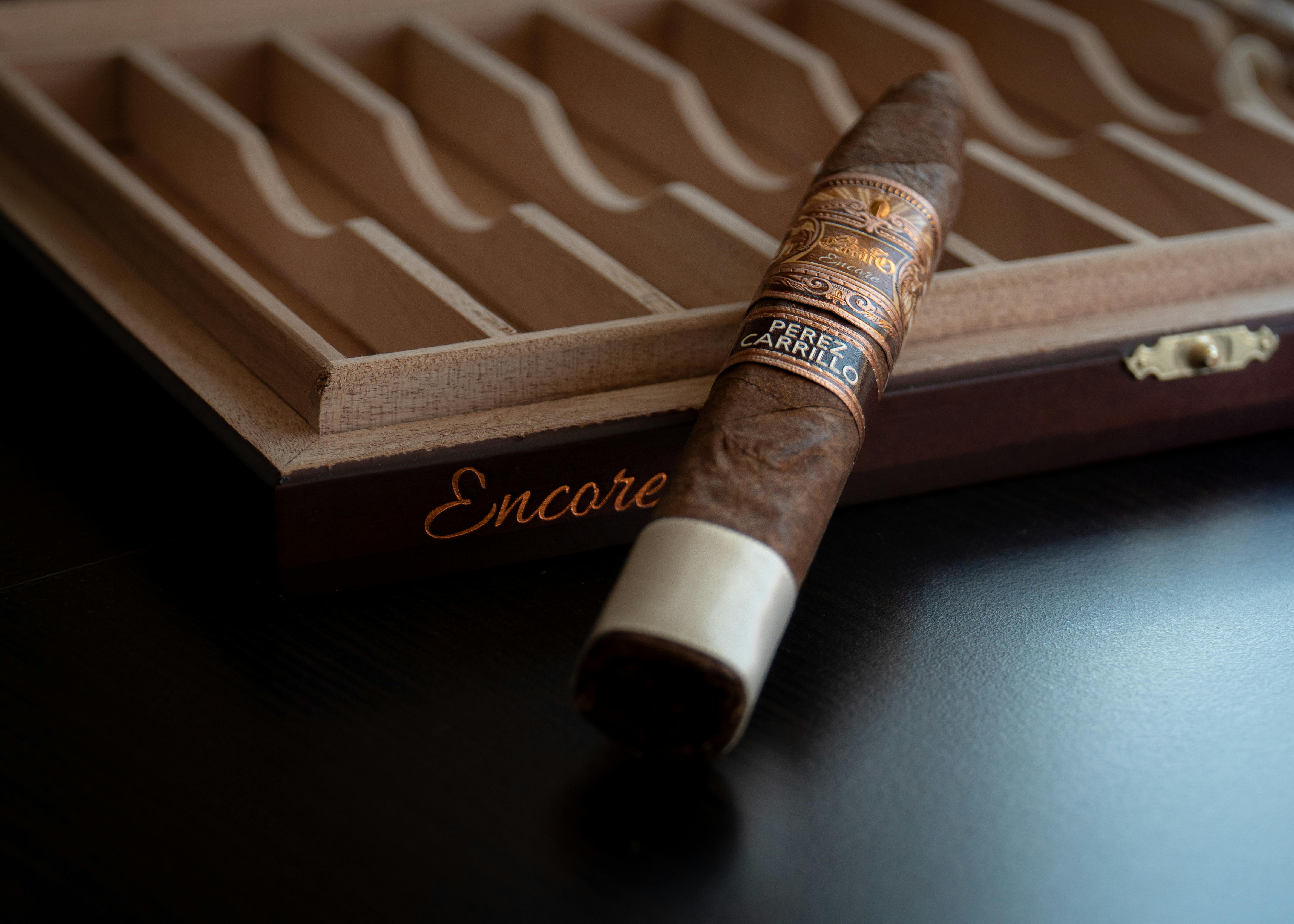
I’ve seen buyers obsess over logos and ignore fundamentals. Bad move. The smart path is boring, methodical, and effective. That is why it works.
For deeper context on brand credibility, see luxury brand updates and market news and designer fashion craftsmanship. The best brands earn attention because they keep standards high after the press release dust settles.
Comparison table: luxury done well vs. luxury done poorly
| Category |
Luxury done well |
Luxury done poorly |
What to look for |
| Watches |
Precise movement, finishing, service network, lasting design |
Oversized case, weak movement, hype-only value |
Movement quality, service history, finishing |
| Handbags |
Strong leather, balanced structure, clean stitching |
Flimsy lining, sloppy edges, logo overload |
Leather grade, stitching, hardware |
| Fashion |
Excellent cut, fabric, tailoring, comfort |
Trend-chasing, poor drape, fast wear-out |
Fabric weight, seam quality, fit |
| Travel |
Quiet service, privacy, strong local knowledge, smooth logistics |
Overbooked, impersonal, all optics |
Staff consistency, guest ratio, location |
| Fine dining |
Ingredient quality, technique, balance, pacing |
Gimmicks, tiny portions without purpose |
Menu coherence, service, sourcing |
| Spirits |
Balance, provenance, aging, clarity of flavor |
Bottle theater, empty prestige |
Distillation method, cask, tasting notes |
The biggest competitor to real luxury is not another brand. It is vanity. Vanity buys fast and thinks later. Real luxury thinks first.
Common mistakes to avoid
People make the same bad decisions over and over. It gets tedious.
- Buying the logo instead of the object. A famous name can hide mediocre materials. That happens more than brands admit.
- Confusing rarity with quality. Limited release does not mean better build.
- Ignoring service costs. Watches need maintenance, leather needs care, cars need upkeep, and travel needs planning.
- Chasing trends too hard. Trend-driven purchases age quickly and look tired even when expensive.
- Overpaying for an “experience” that is mostly photos. A lot of luxury travel content is staged fluff. The actual stay may be ordinary.
- Neglecting fit and function. If a jacket pinches or a shoe hurts, the item has failed. Period.
- Assuming all premium brands are equal. They are not. Some are heritage houses with real standards; others are good at marketing and weak elsewhere.
The truth is, people often want permission to buy what they already wanted. That is human. But good judgment cuts through that noise. It asks whether the object or experience genuinely serves your life.
When I compare the smartest buyers with the most frustrated ones, the difference is usually patience. The patient buyer inspects reviews, examines materials, and waits for the right piece. The impatient buyer gets sold a story.
For travel-specific caution, our article on exclusive destinations and premium experiences explains why location alone never guarantees a good stay. You still need execution.
Luxury should refine desire, not inflame it. That distinction matters more than most brands would like.
Frequently asked questions
What makes a luxury brand truly worth the price?
A luxury brand is worth the price when the object or service shows better materials, better construction, better support, and better longevity than cheaper alternatives. If none of those are present, the brand is selling aura, not value.
Are luxury goods a good investment?
Sometimes, but not usually as a primary goal. Certain watches, handbags, art, and collector spirits can retain or increase value, but condition, rarity, brand demand, and timing matter. Buying only for profit is a bad habit.
What is the difference between premium and luxury?
Premium usually means higher quality than standard. Luxury usually implies rarity, craftsmanship, service, and emotional appeal beyond utility. Premium is a rung. Luxury is a whole ladder.
How can I tell if a luxury experience is real or just marketing?
Check the details: staff knowledge, consistency, materials, pacing, privacy, and follow-through. Real luxury feels effortless because the hard work is hidden well. Fake luxury feels loud because it needs applause.
Final thought
Luxury is at its best when it serves life instead of replacing it. That sounds simple because it is. A fine watch, a well-cut coat, a memorable meal, or a calm hotel suite can remind us that craftsmanship still matters and that beauty is not an accident. It is made.
The world has plenty of expensive nonsense. No shortage at all. But the good stuff—the honest craft, the careful service, the objects and experiences that reward patience—deserve attention because they honor work, taste, and restraint. And frankly, in a culture that often mistakes noise for worth, that kind of excellence is refreshing.
Choose what lasts. Choose what serves. Choose what reflects good judgment, not just appetite. There is nothing frivolous about that.