Luxury goods are not just expensive things. They are objects and experiences that combine craftsmanship, rarity, service, materials, and cultural weight, then...
Luxury Goods, High-End Brands, and Premium Experiences: What Actually Matters
Luxury goods are not just expensive things. They are objects and experiences that combine craftsmanship, rarity, service, materials, and cultural weight, then charge accordingly. That sounds obvious, but most luxury marketing is polished nonsense, so the real question is whether the price buys lasting value, real pleasure, or merely a logo. In the best cases, it buys all three.
Key Takeaways- Luxury is about more than price; it is about workmanship, scarcity, and service.
- The strongest brands pair heritage with restraint, not noise.
- Travel, fashion, watches, food, and design each signal luxury in different ways.
- Smart buyers look for materials, finishing, provenance, and maintenance.
- True premium experiences often feel calm, precise, and human.
What is luxury goods, high-end brands, luxury travel, fine dining, and premium experiences?
Luxury is the disciplined use of excellence. It spans watches, jewelry, handbags, fashion, automotive, travel, hotels, spirits, home design, and even cultural objects that carry craftsmanship and memory. The common thread is not price alone; it is the concentration of skill, time, and scarce inputs into something that feels hard to replace. That is why a hand-finished movement, a suite with a serious view, or a meal cooked with exacting care can feel worth the money, while a logo slapped on mediocre goods feels empty.
I’ve reviewed enough luxury products and places to say this plainly: the category splits into two camps. One camp sells substance—craft, materials, and service. The other sells status theater. Frankly, people confuse the two because status is easier to photograph. But the things that endure usually show their value in quiet ways: the edge of a well-made jacket, the glide of a watch crown, the silence of a hotel room, the timing of a tasting menu, the honesty of a well-set table.
That’s the thing nobody says out loud. Luxury is at its best when it respects human labor and the good use of resources. A finely built object honors the maker’s work; a carefully run hotel honors the guest’s time; a good meal honors the ingredients. That sense of order, proportion, and beauty is not accidental. It points beyond vanity and toward something more serious.
If you want a useful lens, read Esquire Malaysia’s publishing debut and cultural positioning as a sign of how premium media frames taste today, or compare how design-led hospitality gets staged at W Kuala Lumpur to see how architecture becomes part of the product. And if you want a broader market pulse, the reporting around Kuala Lumpur luxury arrivals shows why cities now compete on atmosphere as much as infrastructure.
Core benefits and why it matters
Luxury matters when it improves daily life instead of just announcing itself. Sounds simple. It isn’t.
- Durability: Better materials and construction usually last longer, which can lower cost per use over time. A solid briefcase or proper travel watch is not frivolous if it survives years of actual use.
- Service: Premium hotels, concierge teams, and restaurants often train staff to anticipate needs before they become problems. That matters more than gilded furniture, honestly.
- Resale value: Some luxury goods, especially select watches, bags, and jewelry, hold value better than mass-market alternatives. Not every item does. Far from it.
- Craft identity: A well-made piece tells you where it came from, who made it, and what standards it met. Provenance still counts, despite marketing department poetry.
- Cultural signal: Luxury objects and places often act as shorthand for taste, education, and discernment, though some people wear that signal like a clown suit.
- Experience quality: Fine dining, top-tier travel, and high-end hospitality reduce friction. The best version of luxury is calm, not loud.
Here’s the kicker: the strongest luxury categories reward informed buyers, while weak ones punish the gullible. A watch with a respected movement, a handbag with good leather and sensible stitching, or a hotel with architecture that actually works will age better than whatever is trendy this quarter. I’ve seen too many people chase hype and ignore finishing. Bad habit.
Luxury also has a stewardship angle. Buying fewer, better things is not a slogan; it is a practical discipline. When a product is repaired, maintained, and used well, it becomes part of a household’s order rather than clutter. That idea is old, sensible, and deeply unfashionable in an era that confuses consumption with refinement.
For examples of excellence in adjacent luxury categories, see how collectible chair design can cross from furniture into art, or how Seaplane Asia’s luxury aviation model signals the strange but real overlap between transport and hospitality. Even the premium dayboat market, with its local dealer expansion and tighter regional fit, shows how luxury grows when it adapts to real use instead of pure fantasy.
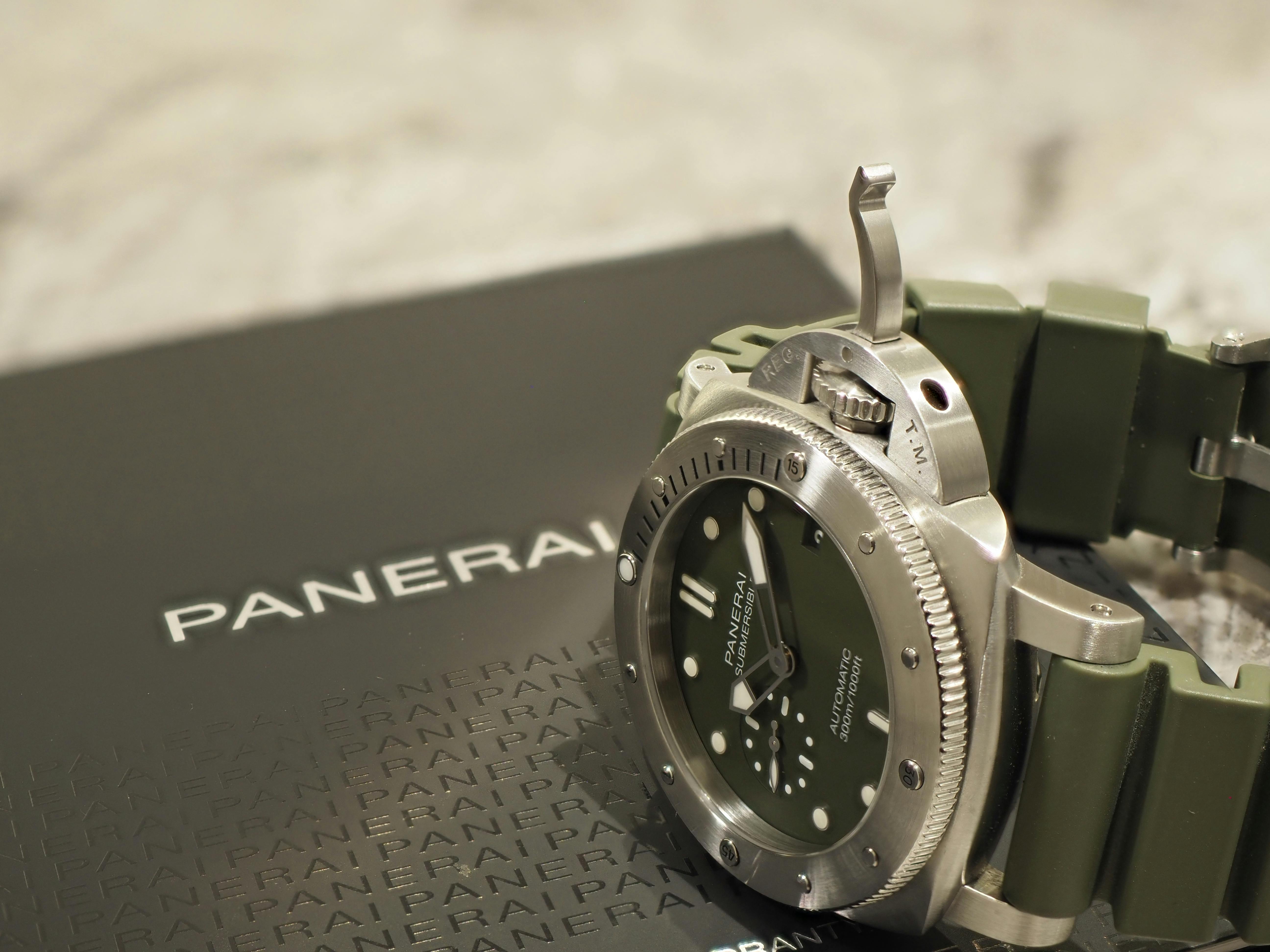
Step-by-step guide to choosing luxury well
Choosing luxury requires judgment.
You cannot buy taste.
You can, however, train your eye and spend with discipline. That is where the real value sits, not in flexing on strangers or chasing the most visible label in the room.
- Define the use case first. Ask what the item or experience must do. A travel bag should protect contents and age well. A hotel should give you sleep, privacy, and competent service. A restaurant should make the food the hero. If the purpose is fuzzy, the purchase will be too.
- Inspect materials and construction. Look at leather grain, stitching, metal finishing, movement architecture, fabric weight, stone setting, room finishes, and kitchen discipline. I’ve found that honest quality usually shows up in the small things: aligned seams, even polish, stable hinges, smooth crown action, and the absence of cheap shortcuts.
- Check provenance and reputation. Heritage matters when it reflects repeatable standards, not just old advertising. Read the brand’s history, but don’t worship it. Many brands sell nostalgia because it is cheaper than excellence. The better question is whether the current product still earns the name.
- Compare service, not just product. Luxury is often a service business wearing a product costume. Ask about repair, aftercare, white-glove delivery, concierge access, and responsiveness. A beautiful thing with miserable support is only half a luxury.
- Measure longevity and maintenance. Find out how the item ages. Does leather patina cleanly? Does a watch require costly servicing? Can a hotel room or villa actually function after the novelty fades? Real luxury survives contact with use.
- Buy fewer, better pieces. This is where restraint matters. A wardrobe built around a few excellent jackets, shoes, bags, or watches tends to outperform a pile of trend-chasing junk. The same goes for travel: one extraordinary stay beats three forgettable ones.
- Trust your senses. Does it feel balanced, quiet, and well made? Does the experience reduce friction? Does it show care? If not, walk away. A lot of expensive things are just expensive.
When I examine a luxury purchase, I ask three blunt questions: Will I use it? Will it age well? Will I still respect it in five years? That filter saves money and irritation. Try it.
For a closer look at design standards in premium hospitality, the visual positioning of W Kuala Lumpur is useful because it shows how location, view, and interior language work together. For fashion and editorial context, Esquire Malaysia also reflects how premium media shapes taste without shouting. And if you want to see how emerging city markets attract luxury spending, the story around Kuala Lumpur luxury arrivals is worth reading.
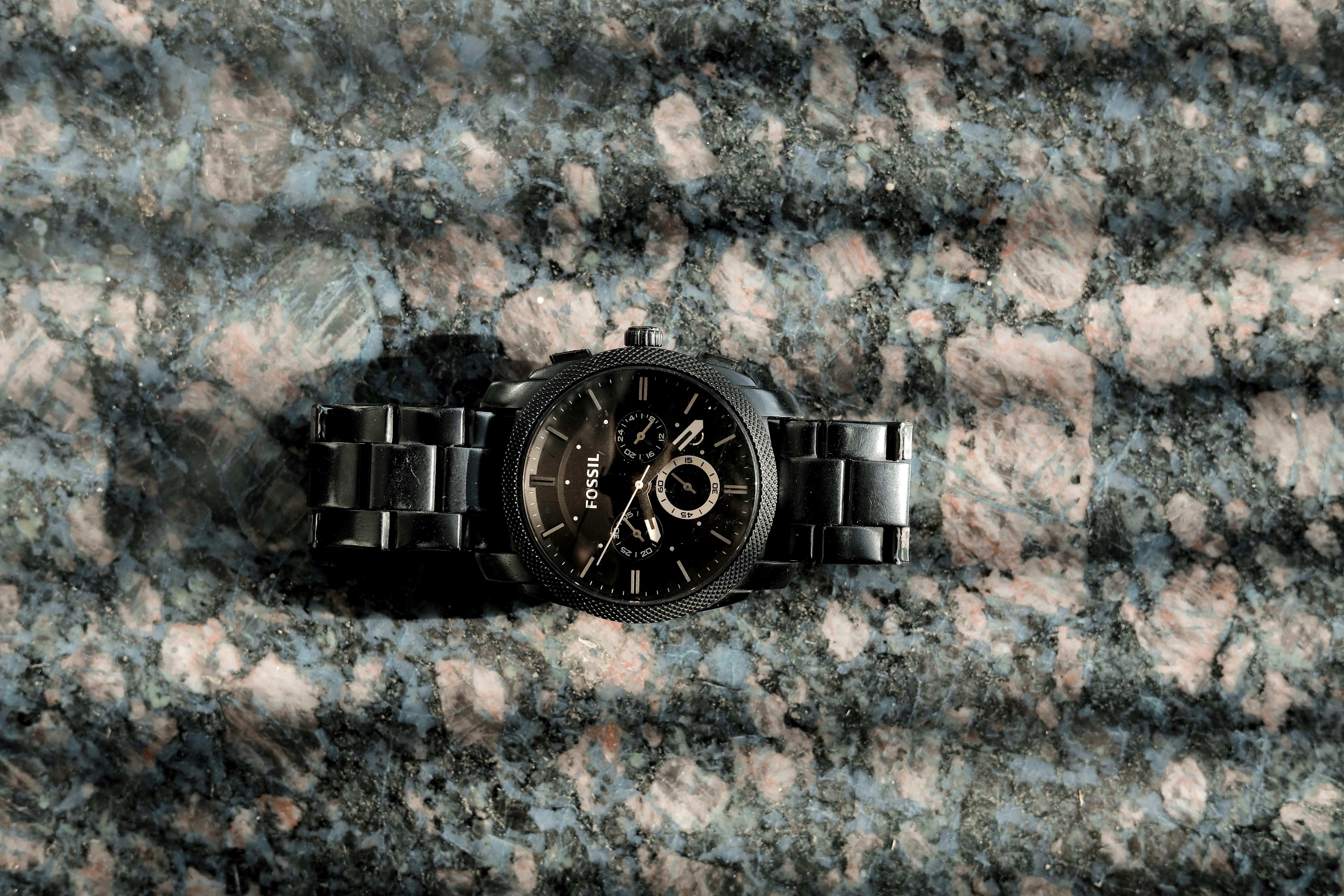
Comparison table: luxury goods vs. mass-market alternatives
Luxury and mass-market goods are not the same game.
| Dimension | Luxury Goods / Premium Experiences | Mass-Market Alternatives |
|---|
| Materials | Better leather, metals, textiles, stone, and food sourcing | Lower-cost substitutes and mixed quality |
| Craftsmanship | More hand-finishing, tighter tolerances, stronger attention to detail | Efficient production, less finishing care |
| Service | White-glove support, concierges, aftercare, reservation priority | Standardized support, limited follow-up |
| Longevity | Often designed to age, repair, and retain character | Frequently made for short cycles of use |
| Identity | Stronger brand heritage and cultural cachet | Wider accessibility, weaker exclusivity |
| Price | Higher upfront cost, sometimes better long-term value | Lower entry cost, but often lower durability |
| Experience | Calm, private, precise, and personal | Functional, efficient, less tailored |
| Best Use | People who value quality, time, and restraint | Buyers prioritizing budget and convenience |
The obvious competitor here is the mass market, because that is where most people actually shop.
And that is fine.
Luxury is not morally superior by default; it is only justified when it serves a real purpose with excellence. If it turns into peacocking, it fails. If it becomes stewardship—good objects, proper maintenance, fine food, thoughtful travel—it earns its place.
Common mistakes to avoid
Most bad luxury advice sounds polished.
That’s the trap.
- Buying the logo, not the object: A famous name cannot rescue poor finishing, weak materials, or uncomfortable design. If the product itself disappoints, the brand is just a wrapper.
- Confusing rarity with quality: Scarcity can be manufactured. True quality must be built, tested, and repeated.
- Ignoring service: A gorgeous hotel with slow check-in and careless staff is not luxury; it is theater with a minibar.
- Overpaying for hype: Social media makes mediocre items look essential. They are not.
- Skipping maintenance: Watches need servicing, leather needs care, hotels need repeat evaluation, and good clothing needs proper storage. Neglect ruins value faster than wear.
- Buying outside your life: A supercar in a city with terrible roads, a delicate suede bag in bad weather, or a formal hotel suite for a rushed business trip can be silly. Use should dictate choice.
- Forgetting the human element: The best luxury experiences are made by people who know their craft. Machines help, but they do not replace judgment, grace, or timing.
Here’s what nobody tells you: many people want luxury because they want certainty, but they buy it from brands that thrive on ambiguity. That mismatch causes regret. If you ask hard questions before paying, you avoid most of the nonsense.
Another mistake is treating luxury as a substitute for interior life. It is not. Beauty can lift the soul and sharpen judgment, but it cannot repair disordered priorities. A well-made thing should fit into a well-ordered life, not become its master. That is a distinction worth keeping.
Frequently asked questions
What makes a luxury brand truly high-end?
A truly high-end brand combines materials, craftsmanship, consistency, service, and restraint. If it relies only on celebrity and logo placement, it is not as strong as it looks.
Are luxury goods worth the price?
Sometimes, yes. If the item lasts longer, performs better, can be repaired, and still pleases you years later, the cost may be justified. If it is just a flex, probably not.
Which luxury categories hold value best?
Select watches, handbags, and jewelry often hold value better than many other luxury items, but only certain references, conditions, and brands do. Not every expensive piece is an investment.
What should I look for in luxury travel?
Look for privacy, quiet, strong service, thoughtful design, good sleep, and a location that actually suits your purpose. A famous address without competent staff is just an expensive headache.
Final thought
Luxury works when it respects reality.
That means honest craft, dignified service, beautiful materials, and experiences that make life cleaner, calmer, and more ordered rather than more cluttered. I’ve seen enough glossy nonsense to know that the label is the least interesting part. The real measure is whether something is worthy of your time, your money, and your habits. Frankly, that is the whole game.
The best luxury does not scream. It endures.