Luxury is not just price. It is craft, restraint, and taste, with a dose of nerve. The best houses earn attention through materials, workmanship, service, and...
Luxury Goods, High-End Brands, and Premium Experiences: Why Craft, Cool, and Taste Still Matter
Luxury is not just price. It is craft, restraint, and taste, with a dose of nerve. The best houses earn attention through materials, workmanship, service, and a point of view that feels human rather than stamped out by committee. Franck Muller gets this better than most, which is why the brand can talk about watchmaking, chocolate, and style in the same breath without sounding ridiculous.
Key Takeaways:- Luxury is value you can feel, not just a logo you can spot.
- Craftsmanship, heritage, materials, and service matter more than hype.
- Cool matters because people buy with the eye before they buy with the spreadsheet.
- Premium travel and dining work when execution is excellent, not merely expensive.
- Stewardship counts: beautiful things should be used well, cared for, and chosen with restraint.
What is luxury goods and premium experiences?
Luxury goods are products and services made with rare materials, obsessive craftsmanship, and brand discipline, then sold with a level of service that makes ordinary retail feel clumsy. Premium experiences are the same idea applied to travel, hotels, restaurants, and private services, where comfort, access, and atmosphere are part of the product. I’ve reviewed enough of this category to say the obvious: most luxury marketing is inflated nonsense, but the real thing is easier to recognize than people think.
The core is not excess. It is proportion. A fine watch, a tailored jacket, a hand-finished bag, a Grand Cru bottle, or a quietly excellent hotel suite all do the same thing when done properly: they compress skill, time, and judgment into an object or experience that feels earned. That is why serious buyers care about heritage, materials, finishing, service, and rarity. A true luxury product can survive scrutiny from across the room and under a loupe.
Franck Muller’s CEO Nicholas Rudaz has made an interesting point in recent coverage: “cool” matters because it shapes desire before technical detail does. That is not shallow. It is practical. A complication is wasted if the watch lacks presence, the way a brilliant menu is wasted if the dining room feels dead. Beauty matters because it points beyond utility; call it aesthetics if you want, but the older word is better. Beauty has order.
If you want a useful benchmark, look at the houses that maintain identity without screaming for attention. In watches, that means brands like Franck Muller, Patek Philippe, and Audemars Piguet. In travel, it means hotels like Aman, Cheval Blanc, and Four Seasons at its best. In dining, it means kitchens that respect ingredients instead of burying them under theatrics. For a sharper breakdown of how luxury brands protect status, see this overview of luxury brand positioning and this watch industry analysis from Hodinkee.
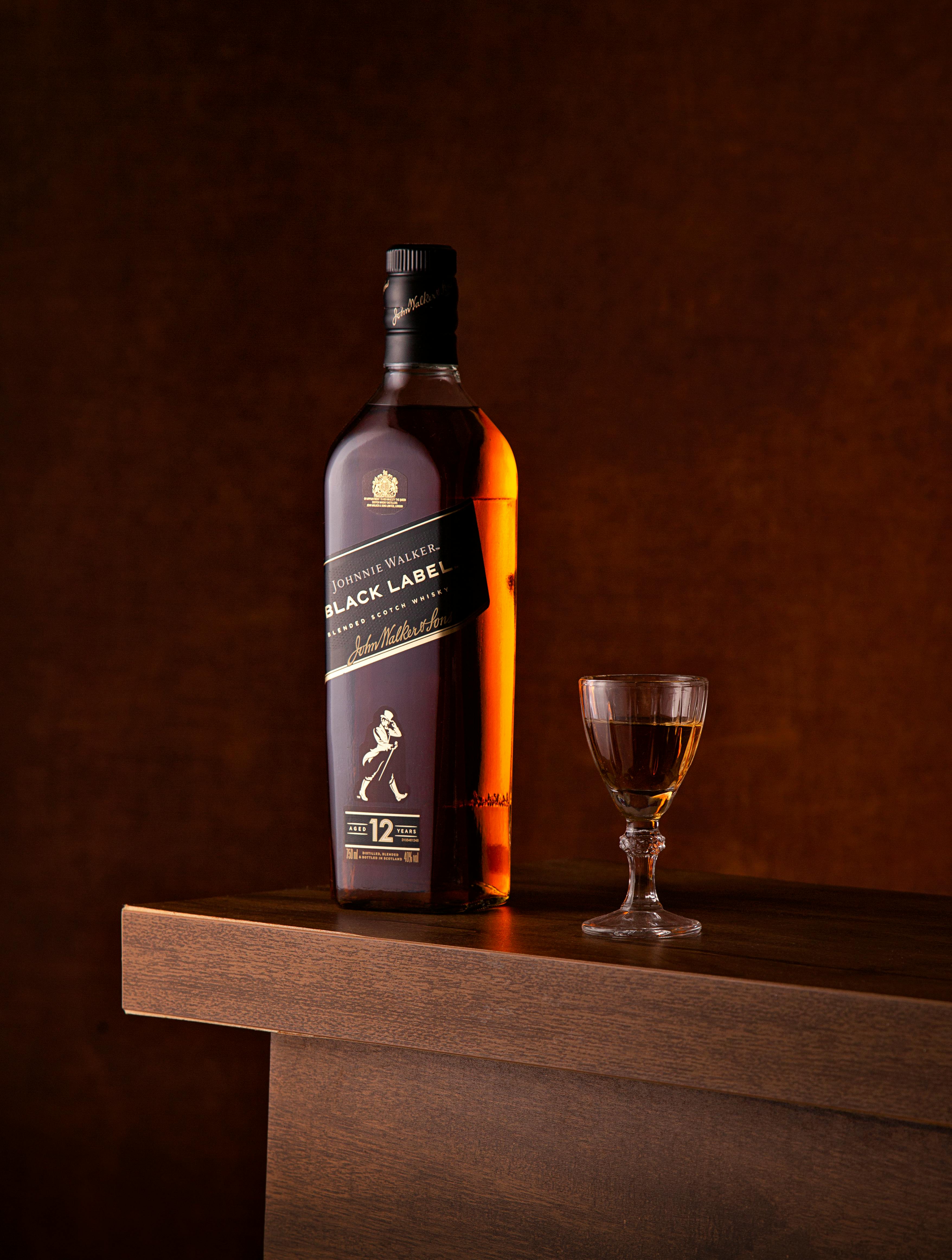
Core benefits and why luxury still matters
Luxury matters because it solves problems that cheap stuff never really addresses. Cheap can work. Cheap can even be smart. But when people pay for luxury, they are buying more than function, and that is where the argument gets interesting. Frankly, this is where a lot of commentary gets silly; people either sneer at luxury as vanity or romanticize it as some magical realm. Both takes are lazy.
- Durability and repairability: Good leather, good metal, and good watchmaking age better than disposable goods. A well-made item can be serviced, not tossed. That is stewardship, plain and simple.
- Emotional satisfaction: Luxury gives daily life shape. A well-cut suit or a hand-finished timepiece can change the posture of the person wearing it. Not because it makes them superior, but because it reminds them to act with care.
- Access and service: High-end hotels, private transfers, concierge teams, and fine dining reservations remove friction. Time is expensive. People pay to waste less of it.
- Investment value: Some pieces hold value well, especially select watches, rare bags, and limited collectibles. Not all of them. Anyone promising that every luxury purchase is an “investment” is selling fog.
- Craft preservation: Supporting serious makers helps preserve skills that cannot be automated without loss. Hand-finishing, gem setting, leather work, and haute horlogerie are human arts. They deserve patronage.
- Cultural signal: Luxury objects often carry history, design language, and local identity. A Swiss watch, an Italian shoe, a French handbag, or a Japanese ryokan experience says something about place and method.
The kicker is this: luxury works best when it is restrained. The loudest room in the building is usually the least convincing. I’ve walked through enough boutiques and five-star lobbies to know that true confidence is quiet, almost stubborn. The person who knows the worth of a thing does not need to shout about it.
Luxury also has a moral dimension people rarely mention. When it is used well, it honors labor, patience, and the human ability to make something beautiful. That is not a small thing. There is dignity in work done carefully, and there is something almost liturgical about a room where everything has been made with attention.
For broader reading on current category trends, skim Robb Report’s luxury coverage and The Business of Fashion’s market reporting. They do not always agree, which is useful.
How to evaluate or choose luxury goods and premium experiences
The best luxury purchase starts with discipline. Not desire. Desire comes cheap. Discipline costs more, and it saves you from buying the wrong thing because a salesperson smiled at you and the packaging looked expensive. Here is the selection process I actually use when I analyze luxury brands and products.
- Start with purpose. Ask what the item or experience must do. A watch should suit your wrist, wardrobe, and use case. A hotel should fit the trip’s pace. A restaurant should match the occasion. Too many people start with status and end with regret.
- Inspect craftsmanship first. Look for finishing, symmetry, stitching, movement architecture, balance, and material integrity. If it is a watch, check the case edges, dial work, and movement details. If it is a bag, inspect handles, glazing, hardware, and lining. If it is a hotel, inspect how staff handle requests when things go sideways. That reveals the truth faster than marketing copy.
- Ask what is rare. Not everything expensive is rare. Often it is just expensive. Real rarity can mean a hand-assembled movement, a limited production run, a prime location, a heritage technique, or a reservation system that protects quality. Scarcity alone is not enough; quality must justify it.
- Compare service, not just product. In luxury, service is part of the item. The watch should come from a dealer who will maintain it. The hotel should solve problems without drama. The restaurant should guide rather than posture. Good service is calm, competent, and almost invisible.
- Check the long game. Ask how it will age. Will the leather darken beautifully? Will the hotel still feel elegant in five years? Will the dining concept survive fad fatigue? I prefer houses that make decisions with the long view. That is usually the mark of real confidence.
- Watch for cosmetic luxury. This is the scam version. Giant logos, inflated menus, overdone interiors, and empty “heritage” stories often mask weak execution. If a brand talks about itself more than it proves itself, be suspicious.
- Buy with restraint. One excellent thing is better than four mediocre “luxury” things. A single great watch or a superb trip is a cleaner use of money than a stack of status items bought to impress people who do not pay your bills.
When I examine brands like Franck Muller, I look for two things: technical conviction and visual personality. Without both, a watch is just an object with a price tag. The same applies to travel and dining. A hotel with marble everywhere but no warmth is a showroom. A tasting menu without clarity is performance art with smaller plates.
If you want to cross-check editorial standards in this sector, see Forbes on luxury consumer behavior and The Wall Street Journal on premium brands. Not because they are holy writ, but because they offer useful angles.

Comparison table: luxury vs. mass premium
Here is the part people try to dodge. Most “premium” goods are not luxury. They are expensive versions of ordinary things. That distinction matters.
| Category | True Luxury | Mass Premium | Which Wins |
|---|
| Craftsmanship | Hand-finished, highly controlled, often limited production | Machine-led with selective upgrades | True Luxury |
| Materials | Rare leathers, precious metals, high-grade fabrics, top sourcing | Better-than-average but scaled for volume | True Luxury |
| Service | Personal, responsive, discreet, knowledgeable | Polite but scripted | True Luxury |
| Price | High, justified by labor, rarity, and brand equity | Lower, justified by branding and features | Depends on budget |
| Ownership Experience | Repair, care, legacy, resale potential | Functional, convenient, replaceable | True Luxury |
| Travel Example | Aman, Cheval Blanc, ultra-curated private villas | Upscale chain rooms with perks | True Luxury |
| Dining Example | Exceptional chef-led room with precision and poise | Stylish restaurant with a strong social media feed | True Luxury |
The truth is, mass premium often wins on convenience. That is not an insult. If you need a solid daily driver, a competent hotel near the airport, or a watch you can wear without worry, upscale mainstream options make sense. But if you want the full weight of artistry, you pay for the real thing.
The same principle shows up across categories. In watches, a true haute horlogerie piece offers complications, finishing, and identity. In travel, a top-tier property offers space, discretion, and staff who do not need to be reminded twice. In fine dining, the meal should feel inevitable, not merely elaborate. For more on how top hotels compete on service rather than flash, see Condé Nast Traveler’s hotel reviews and Travel + Leisure’s best hotels coverage.
Common mistakes to avoid
Most mistakes in luxury come from vanity, haste, and bad advice. The internet loves these three. It is astonishing.
- Buying for labels only: A visible logo can be fine, but it is not a substitute for quality. If the object looks expensive but feels hollow, you have paid for signal, not substance.
- Ignoring fit and proportion: A watch that is too large, a bag that is too precious to use, or a hotel suite that is grand but wrong for the trip all miss the point. Luxury should fit life, not cosplay.
- Confusing scarcity with value: Limited editions can be clever, or they can be artificial. Ask whether the design, movement, or experience is actually better.
- Overlooking aftercare: Service, repairs, maintenance, and preservation matter. Good luxury houses support ownership. Bad ones vanish after the sale.
- Chasing trends too hard: Today’s “must-have” can look tired next season. I have seen more regret from trend-chasing than from patient buying.
- Believing every story: Heritage matters, but it must be demonstrated, not merely narrated. A brand that leans on history should have the receipts.
Here’s the kicker: luxury fails when it forgets use. A beautiful object locked away forever is not fully alive. A hotel suite admired more than enjoyed is a museum room with a minibar. A fine meal should be remembered for taste and balance, not just for the bill.
This is where a disciplined eye helps. Ask whether the object, meal, or trip improves daily life. If not, it may be expensive decoration. There is nothing wrong with beauty; in fact, beauty deserves respect. But beauty should serve a good life, not replace it.
You can compare broader consumer patterns in Bloomberg’s luxury coverage and The New York Times travel section, which often shows how luxury behaves when taste outruns hype.
Frequently asked questions
What makes a luxury good different from a premium good?
Luxury goods usually involve higher craftsmanship, rarer materials, more limited production, and better service. Premium goods may be well-made, but they often scale more aggressively and rely on brand polish rather than deep artisanal value.
Are luxury watches worth the money?
Sometimes, yes. A serious watch can offer craftsmanship, heritage, mechanical interest, and strong resale performance. But not every expensive watch is worth it. Buy the one that fits your wrist, use case, and taste—not the one that merely performs wealth.
Is luxury travel really better than five-star travel?
It can be. True luxury travel adds privacy, discretion, personalization, and a level of service that removes friction. Five-star travel can still feel generic if the property is large, crowded, or overly standardized.
How do I know if a brand is genuinely luxurious?
Look at finishing, materials, service, consistency, and how the product ages. Then look at how the company treats customers after the sale. If the brand only shines in advertising, it is probably not worth your time.
Final thought
Luxury, at its best, is not a shrine to excess. It is a disciplined celebration of human skill. That is the part people miss when they sneer at watches, bags, hotels, or a meal plated like a small work of art. A well-made thing can remind us that labor has dignity, that beauty matters, and that good design is a form of respect.
Franck Muller’s “cool” instinct makes sense in that light. A watch can carry technical brilliance and still fail if it lacks character. The same is true of travel, dining, and every premium experience worth the money. We are not just buying function. We are choosing the kind of order we want around us, and that choice says something real.
That is why I remain skeptical of luxury that behaves like a costume and loyal to luxury that behaves like craft. The first is noise. The second is a small mercy in a loud world. Use it well, care for it, and do not mistake spectacle for value. Beauty deserves better than that.