Luxury is not just expensive stuff. It is the difference between mere ownership and considered excellence: better materials, tighter craft, rarer access, and...
Luxury Goods, High-End Brands, and Premium Experiences: What Actually Matters in 2026
Luxury is not just expensive stuff. It is the difference between mere ownership and considered excellence: better materials, tighter craft, rarer access, and service that does not waste your time. Most luxury marketing is glossy nonsense, frankly, so the real question is whether the object, hotel, meal, or trip earns its price through lasting value, not smoke and mirrors.
Key Takeaways
- True luxury is measured by craft, rarity, comfort, and service—not logos alone.
- Best-in-class luxury often appears in watches, jewelry, fashion, hotels, cruise lines, fine dining, and travel.
- Price is not proof; durability, provenance, and restraint matter more.
- Stewardship matters: fine things are best when chosen with taste and responsibility.
- The smartest buyers compare heritage, materials, after-sales care, and resale value before spending.
What is Luxury?
Luxury is a category defined by excess in the right places and discipline in all the others. It is not about cluttering a room with gold trim or buying the loudest bag in the store window. It is about the workmanship you can feel, the finishing you can see only when you look closely, and the level of comfort that quietly removes friction from daily life. When I’ve reviewed luxury products for years, the best ones usually share the same traits: they age well, they do not shout, and they reward attention.
That matters because a lot of so-called luxury is just markup. A polished logo is easy; real craft is hard. Real craft takes time, trained hands, good materials, and a willingness to say no to shortcuts. That is why the finest luxury watches, fine jewelry, designer handbags, luxury fashion, high-end hotels, premium cruises, and fine dining experiences still separate themselves from the rest. Not by screaming. By being unmistakably better.
Luxury also has a moral dimension that people ignore. A beautiful object, made well, can reflect the dignity of labor and the proper use of created goods. That sounds lofty, but it is actually practical. If something is made to last, repaired instead of tossed, and enjoyed with gratitude rather than vanity, it has a better claim on your wallet than the disposable junk everyone pretends is “premium.” Beauty matters. So does restraint.
Here is the kicker: the category is changing. Buyers now care more about provenance, sustainability, servicing, and access than they do about flash. The wealthy still want status, sure, but the informed wealthy want confidence. They want to know whether the movement inside the watch is properly finished, whether the hotel actually remembers their preferences, whether the chef can cook a fish without theatrics, and whether the brand’s reputation rests on substance or ad copy. For a useful overview of how luxury brands are measured globally, see Luxury Daily, The Business of Fashion, and McKinsey’s retail insights.
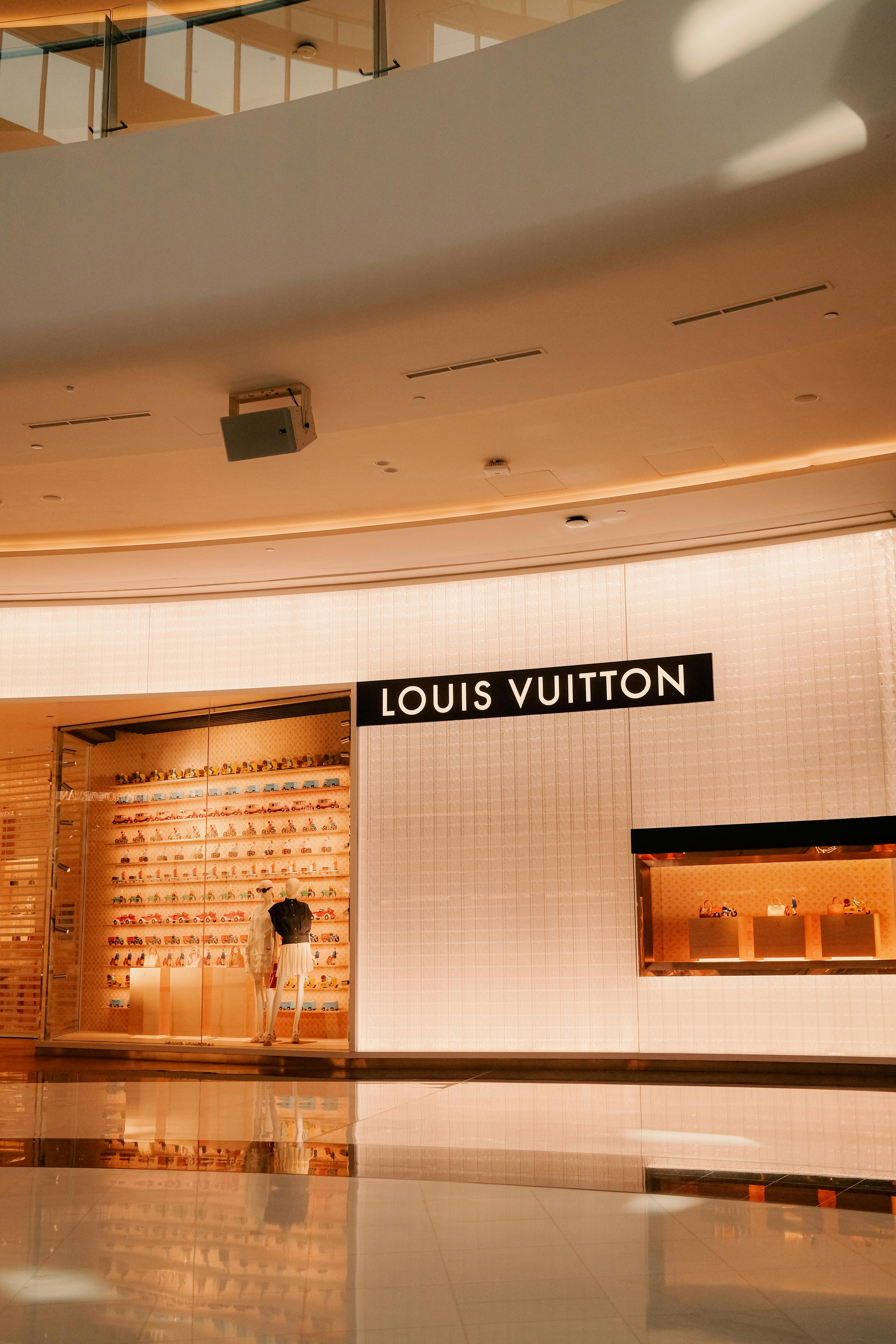
Core Benefits of Luxury Goods and Premium Experiences
Luxury, when it is real, solves problems most people barely notice until they are gone. It removes friction. It improves the feel of daily life. It makes travel less exhausting and meals more memorable. It also carries a social and cultural role that is often dismissed by cynics who secretly love nice things.
- Craftsmanship that lasts: A well-made watch, suitcase, jacket, or sofa can serve for years, even decades. That is not frivolous. That is responsible buying.
- Better materials: Full-grain leather, precious metals, high-grade wool, rare woods, and natural stones behave differently than cheap substitutes. You feel the difference immediately.
- Service that respects your time: Luxury hospitality should be quiet competence, not staged friendliness. The best hotels and cruise lines know this. The bad ones confuse attention with value.
- Access and exclusivity: Private transfers, chef’s tables, overwater villas, and invitation-only events can turn a trip into an experience rather than a checklist.
- Resale and investment value: Certain watches, handbags, and jewelry pieces retain value because demand outlives trends. Not every “investment piece” deserves the label, though. Most do not.
- Emotional durability: The best luxury items become part of your life story. That matters more than people admit.
The contrarian truth? More luxury does not always mean better life. Too many buyers confuse accumulation with taste. A closet full of branded garments can look foolish; one tailored coat can look sharp for years. A cabin on a floating palace means little if the itinerary is rushed and the dining is mediocre. A meal with three unnecessary foams is not fine dining. It is performance art with a bill.
What actually matters is the experience of use. Does the watch keep time beautifully and wear comfortably? Does the hotel room make sleep easier? Does the restaurant respect ingredients? Does the cruise line handle space, service, and itinerary with precision? Those are the benchmarks. Everything else is confetti.
For readers who care about where to spend, not just what to buy, related guides such as Caribbean overwater bungalows, best luxury cruise lines, and top tree top walks and canopy walkways help frame the difference between an ordinary trip and a premium one.

Step-by-Step Guide to Choosing Luxury Well
Buying luxury badly is expensive in every sense. You can waste money, yes, but you also waste taste. Here is the method I actually trust.
- Define the use case first
Buy for the life you actually live. If you travel often, prioritize luggage, hotel status, and comfort. If you love horology, focus on watches with strong finishing, reliable service, and a movement worth owning. If you entertain, invest in barware, tableware, or spirits that improve the ritual. - Check the maker’s real reputation
Ignore the ad campaign. Read about materials, origin, repair network, and consistency. A brand with heritage but sloppy execution is just an old name with current problems. I’ve seen enough hype to know the difference. - Inspect materials and construction
A luxury handbag should have clean stitching, proper edge finishing, and hardware that feels substantial. A watch should have a case and bracelet that do not feel hollow. A hotel should use linens, bedding, and acoustics that support rest. Small details are not small. - Ask about service and aftercare
Fine things need care. Watches need servicing. Leather needs repair. Hotels should handle preferences. Cruise lines should solve problems without drama. If the brand disappears after the sale, it is not luxury. It is a transaction with lipstick on it. - Compare price to longevity
The cheapest option is often the most expensive over time. But the priciest option can still be silly. Look for a balance of endurance, utility, and pleasure. Stewardship is not stinginess. It is wisdom. - Consider provenance and rarity
Precious gems, limited-edition watches, hand-finished pieces, and historic hotels often command attention because they are genuinely uncommon. Rarity should support quality, though, not disguise mediocrity. - Use trusted editorial and brand sources
Read a few reputable guides before spending big. For travel and hospitality, sources like Condé Nast Traveler and Travel + Leisure are useful. For market and brand analysis, The Business of Fashion and Luxury Daily are better than influencer fluff. - Buy fewer, better things
This is the part everyone says and few follow. But it is the right move. A wardrobe with ten excellent pieces beats fifty forgettable ones. A trip with one superb resort and one great dinner beats six rushed activities.
The truth is simple: the best luxury is coherent. The bag matches the wardrobe, the hotel matches the destination, the meal matches the setting, and the spending matches the owner’s values. Nothing about that is random.
Comparison Table: True Luxury vs. Mass-Market Premium
Luxury and “premium” are not the same thing. People blur them because marketing departments get paid to blur them. Here’s the difference in plain English.
| Factor | True Luxury | Mass-Market Premium |
|---|
| Craftsmanship | Hand-finished details, careful assembly, visible precision | Better than average, but often machine-driven and inconsistent |
| Materials | Top-grade, selected for longevity and feel | Improved materials, but often optimized for cost |
| Service | Personalized, anticipatory, discreet | Polite, standardized, script-based |
| Rarity | Limited production or hard-to-replicate access | Broad availability with elevated branding |
| Resale Value | Often stronger in watches, bags, and jewelry | Usually weak or heavily discounted |
| Emotional Impact | Deep satisfaction, pride of ownership | Short-term excitement, then fades |
| Best Fit | Buyers who value craft, heritage, and utility | Buyers who want a nicer version of ordinary goods |
That table is the whole argument. A lot of brands sit in the middle, which is fine, but people should stop calling everything luxury. An airline seat with a slightly wider recline is not a first-class experience. A hotel with a velvet chair and a bad mattress is not luxury. A watch with a famous name and no technical merit is not horology. It is a badge.
Where true luxury often justifies itself is in the parts you notice after months, not minutes. The stitching still holds. The clasp still closes cleanly. The room still sleeps well. The restaurant still remembers your allergy. The service remains civilized. That is worth paying for.
Common Mistakes to Avoid
People make the same errors over and over, and the luxury industry quietly profits from it.
First, they buy for logos. That is the oldest trick in the book. A visible emblem can feel like a shortcut to taste, but taste is not outsourced. It is developed through attention, comparison, and a bit of humility.
Second, they confuse price with excellence. No, the most expensive bottle on the wine list is not automatically the best. No, the most expensive suite is not automatically the quietest or most comfortable. No, the most expensive watch is not necessarily the most wearable. Luxury pricing can be justified, but it can also be padded to the rafters.
Third, they ignore maintenance. This is especially silly with watches, shoes, leather goods, and travel experiences. A luxury item without upkeep becomes an expensive regret. Think of stewardship again: when you care properly for a fine object, you honor the work that made it.
Fourth, they follow hype cycles. Everyone online suddenly decides a brand is “hot,” and then buyers rush in like pigeons after breadcrumbs. Frankly, that is rarely smart. Timeless design usually outlives trend-chasing, and the market tends to punish stupidity with time.
Fifth, they skip research on hospitality. A luxury cruise line can have elegant suites and still fail on pacing, cuisine, or shore planning. A resort can offer villas over water and still feel cramped if the service is clumsy. For example, if you are comparing premium resorts, useful reading includes destination guides such as Caribbean overwater bungalows and experience-driven pieces like best luxury cruise lines. These help separate the genuinely special from the merely photogenic.
Most advice you hear is too cheerful and too vague. “Choose what you love” is not enough. Love can be expensive. Better to choose what you love, what lasts, and what serves a real purpose in your life. That is a more honest standard.
Frequently Asked Questions
What makes something truly luxurious?
True luxury combines craftsmanship, materials, service, and scarcity. If those are missing, the item is probably just expensive branding. The best pieces feel calm, precise, and durable.
Are luxury goods worth the money?
Sometimes. If the item lasts longer, performs better, and gives lasting satisfaction, yes. If it is only expensive because of a logo, no. Most people should buy less and buy better.
Which luxury categories hold value best?
Usually watches, fine jewelry, and some designer handbags hold value better than luxury fashion apparel. Limited production, strong demand, and brand heritage matter. Condition matters too. A scratched-up trophy is still scratched-up.
What should I look for in a luxury travel experience?
Look for service quality, privacy, location, food, sleep quality, and consistency. A great resort or cruise line should make life easier, not just prettier. If the pillows are poor, the spell breaks fast.
Final Thought
Luxury at its best is not loud. It is exact. It respects labor, honors materials, and offers comfort without vulgarity. That is why the finest things—whether a hand-finished watch, a quiet suite above the sea, a properly cooked meal, or a cruise that moves with grace—feel different from ordinary consumption. They point beyond themselves.
I do not think luxury should be treated as moral poison, as some people lazily claim, nor as a religion, which is worse. It should be treated as a privilege to be judged with discipline. A beautiful object or experience is worth something when it serves life rather than devours it. That is where taste meets wisdom.
When I look at the best brands and experiences, the same principle shows up again and again: excellence requires effort, and effort deserves respect. That is almost old-fashioned now, which may be why it still matters. Beauty, rightly ordered, is not indulgence. It is a form of gratitude.