Luxury is not just price. It is craftsmanship, restraint, materials, service, and the rare feeling that something was made properly. Most people confuse...
Luxury is not just price. It is craftsmanship, restraint, materials, service, and the rare feeling that something was made properly. Most people confuse expensive with excellent. They are not the same, and frankly, the difference shows up fastest in travel, dining, design, watches, jewelry, and the quiet details that never make a brochure.
Key Takeaways:
- True luxury rests on craftsmanship, heritage, materials, and service.
- Premium experiences are worth it when they reduce friction and elevate the whole day.
- Branding can be noisy; quality is usually quiet.
- The best purchases feel durable, useful, and beautiful in a way that lasts.
- Luxury, rightly understood, should reflect stewardship, not waste.
What is luxury goods, high-end brands, and premium experiences?
Luxury goods are products and services made with unusual care, scarce materials, expert labor, and a heavy dose of brand discipline. High-end brands sell more than objects; they sell consistency, identity, and often a history of doing one thing well for a very long time. Premium experiences are the services that surround these things: hotels, private travel, fine dining, and bespoke hospitality that remove annoyance and replace it with order.
Let’s be real. A logo alone does not make a thing luxurious. Plenty of brands slap on shiny marketing and hope nobody notices the stitching, the finish, or the way the zipper behaves after six months. I have reviewed enough luxury products to say this plainly: the real markers are build quality, materials, design coherence, and after-sales support. If the object feels delicate in the wrong way, it is not luxury. It is just expensive fragility.
In watches, that means movement finishing, case proportions, and horological seriousness. In jewelry, it means stone quality, setting integrity, and metal purity. In handbags, it means leather grain, hardware, and edge paint that does not look tired by Tuesday. In travel and hotels, it means quiet competence. No one should need a map to find breakfast. No one should need to beg for water.
There is also a moral dimension people rarely admit. Good craftsmanship honors labor. Beautiful objects can reflect something higher than status when they are made and used with care. That matters. Beauty should not be empty theater. It should point toward order, proportion, and human skill used well.
For a practical example, compare the way a true luxury resort handles arrival versus how a mediocre one does. A real place remembers names, preferences, and timing. You see that same seriousness in reviews like Angsana Corfu Resort & Spa review and Bürgenstock Resort and Alpine Spa review, where service, setting, and design carry the experience far more than slogans do.
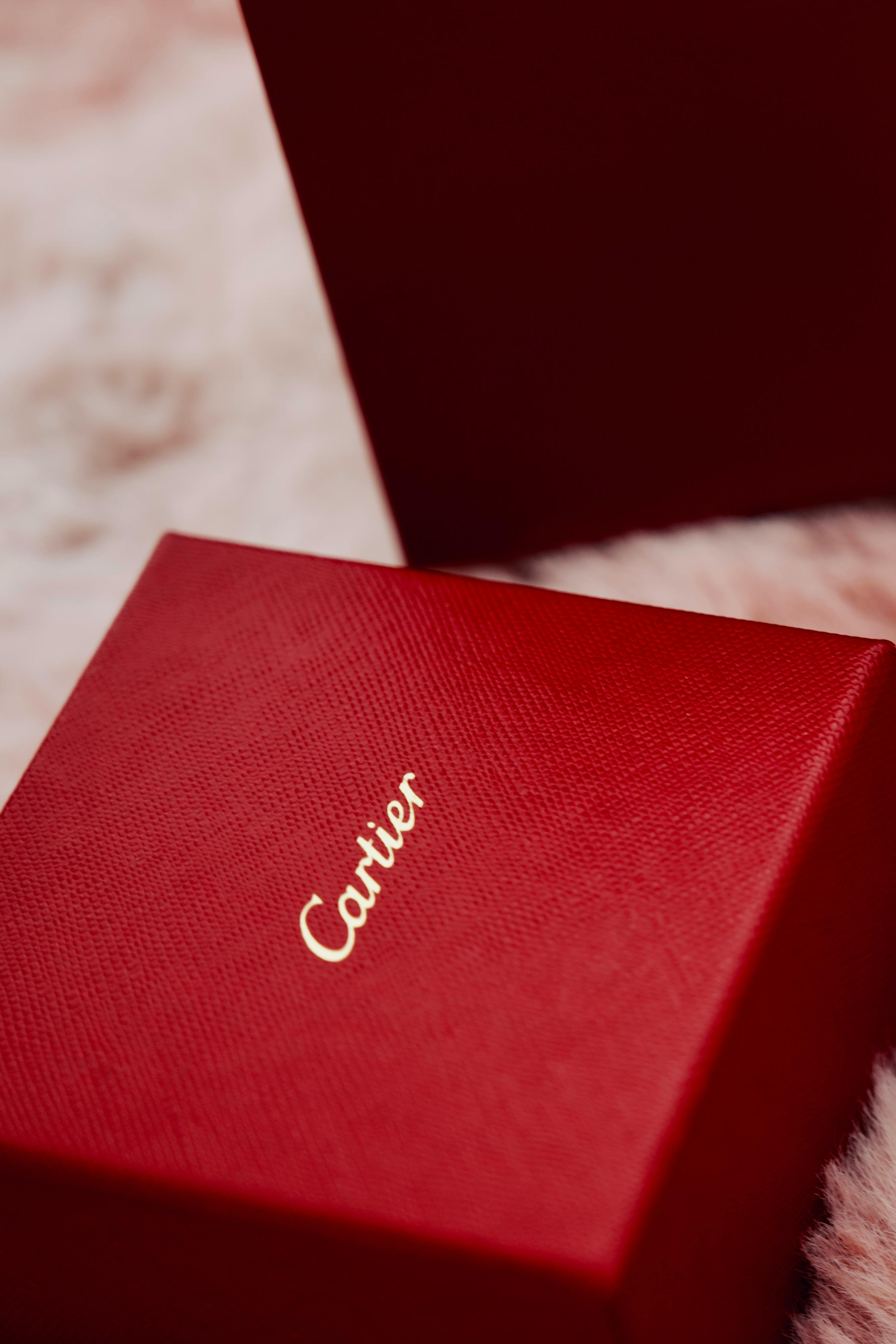
The broad category also spans the softer side of luxury: a long dinner with properly paced courses, a wine list that was built by someone with a palate, a spa treatment that actually changes how you feel, and travel that respects your time. That is the point. Luxury should save attention, not drain it.
Core benefits and importance
Luxury matters for reasons that are practical, not merely vain. The hype merchants hate that answer because it cannot be sold in a 15-second clip. Still, it is true.
- Better longevity: Well-made goods often last longer, age more gracefully, and cost less per use. A good watch, bag, jacket, or suitcase can stay in service for years. Cheap stuff dies early and looks cheap while dying.
- Superior materials: Full-grain leather, high-grade steel, precious metals, natural fibers, and quality stone are not decorative fluff. They affect feel, durability, and repairability.
- Service that reduces friction: Premium hotels, airlines, restaurants, and concierge teams remove hassles. That is why people pay. Nobody wants a “luxury” stay that feels like a scavenger hunt.
- Craftsmanship and design integrity: The best luxury items are coherent. They work visually and physically. Nothing is random, and nothing screams for attention. Quiet confidence beats loud branding.
- Emotional value: The right object or experience can mark an achievement, a family moment, or a rite of passage. Not every purchase should be optimized like a spreadsheet.
- Resale and retention: Some luxury categories, especially watches, handbags, and rare jewelry, can hold value surprisingly well when bought intelligently.
But there is a catch. High price alone is not a benefit. It can be pure inflation wrapped in velvet. A lot of “luxury” is really just mood music. I’ve seen hotel suites with absurd rates, weak mattresses, and service so sluggish it felt like the staff had sworn a vow of indifference. That is not premium. That is a tax on vanity.
The real importance of luxury is this: when chosen well, it protects your attention, your time, and your standards. In a world of disposable junk, that matters more than people admit. There is also a stewardship angle here. Buying fewer, better things is often a more disciplined approach than constant replacement. That is not austerity. It is common sense with a better suit on.
For travel readers, the best examples are usually places where every detail has been thought through. If you want to compare how a refined property handles atmosphere and operations, the reviews of Angsana Corfu Resort & Spa and Bürgenstock Resort Alpine Spa are useful starting points. They show how scenery matters, but service finishes the job.

Step-by-step guide to choosing luxury well
Choosing luxury well is mostly about refusing nonsense. That’s the trick. Not glamorous, but effective.
- Start with use, not status
Ask what the item or experience will actually do for you. A bag should carry. A watch should suit your life. A hotel should fit the purpose of the trip. If you cannot explain the function, you are probably buying theater.
- Check craftsmanship first
Look at seams, hems, clasps, finishing, fit, movement, balance, and material quality. I usually trust what I can inspect, not what a campaign says. In luxury, the details tell the truth faster than the brand story.
- Study the brand’s heritage, but don’t worship it
Heritage matters when it reflects consistent standards over time. It does not matter when it is just a museum wall and a marketing budget. Ask what the brand still makes well now.
- Compare materials and service terms
Two products may look similar, but the materials and aftercare can be miles apart. In travel, service terms mean room policy, cancellation flexibility, spa quality, dining access, and whether the staff solve problems gracefully.
- Inspect the experience ecosystem
Luxury is not only the thing itself. It is the packaging, care instructions, repair policy, concierge access, delivery, and return support. A beautiful product with miserable service is half-baked.
- Read serious reviews, not just praise
I prefer reviews that mention small frustrations as well as strengths. That is where the truth lives. A polished property like those described in this Corfu resort review or this Swiss alpine spa review is easier to trust when the details are concrete, not gushy.
- Buy less, choose better
This sounds trite because everyone says it, but it remains true. A smaller number of excellent pieces beats a room full of mediocre purchases. That principle holds in wardrobes, luggage, hotel stays, and dining budgets alike.
- Prefer things that age well
Leather patina, stainless steel, solid stone, timeless tailoring, and classic architecture tend to age with dignity. Trends flare and fade. Taste should outlast the season.
Here is the kicker: the best luxury choices usually feel calmer, not louder. They do not need to shout because they are already doing the work. A properly designed spa, for instance, should slow your breathing before you even notice why. That is competence.

Comparison table: luxury versus mainstream premium
| Factor | True Luxury Goods & Experiences | Mainstream Premium Competitor |
|---|
| Materials | Rare, durable, carefully selected | Attractive on the surface, mixed quality underneath |
| Craftsmanship | Hand-finished or tightly controlled production | Efficient production, fewer finishing touches |
| Service | Proactive, personal, discreet | Standardized, scripted, often reactive |
| Longevity | Built to age gracefully | Often designed for trend cycles |
| Resale value | Can be strong in select categories | Usually weak to moderate |
| Experience | Seamless, calm, and precise | Comfortable, but less refined |
| Brand value | Heritage plus proven quality | Heavier reliance on advertising |
| Emotional effect | Quiet confidence, satisfaction | Short-lived novelty |
A broad comparison matters because not every “premium” product deserves the label. The market is crowded with impostors wearing expensive packaging. The biggest competitor to true luxury is not always another luxury house. Often it is competent mass-market premium—good enough, attractive, and far cheaper. That is why consumers should measure value with cold eyes and decent taste.
Common mistakes to avoid
People make the same mistakes over and over, which is frankly embarrassing, but useful if you avoid them.
- Buying for logos alone: The logo is not the product. It is a marking device. If you would not like the item without the branding, you probably do not like the item.
- Confusing trend with quality: A fashionable object can be flimsy. A timeless object can be excellent. These are different categories.
- Ignoring service quality: In travel and dining, service can make or break the experience. Beautiful rooms and bad staff do not add up to luxury.
- Assuming higher price means better value: Sometimes the most expensive thing is the most inefficient thing in the room.
- Overlooking maintenance: Watches need servicing. Leather needs care. Fine hotels and restaurants need reservation planning. Luxury rewards attention.
- Chasing exclusivity for its own sake: Scarcity is not virtue by itself. If a thing is rare but poorly made, it is still poor.
Most advice online tells people to “invest in luxury” as if every purchase were a financial instrument. That is sloppy thinking. Some things are meant to be used, enjoyed, and maintained. A watch can be heirloom-worthy without being treated like a stock. A hotel can be memorable without becoming a religion. A proper dinner can be wonderful without turning the table into a shrine of status.
I also think many buyers neglect proportion. They spend heavily on one showy item and ignore the rest of the experience. That is backwards. A handbag without a good wardrobe, or a resort suite without thoughtful service, is only half the picture.
The wiser path is coherence. Buy and choose things that fit each other, fit your life, and fit a standard of beauty that does not collapse under scrutiny. There is a kind of moral clarity in that, even if nobody says so out loud.
Frequently asked questions
What makes something truly luxurious?
True luxury combines quality materials, excellent craftsmanship, strong design, and reliable service. It should feel good now and still look sensible years later.
Are luxury goods worth the price?
Sometimes. If the item lasts longer, performs better, or gives you meaningful satisfaction, yes. If the price is mainly brand theater, no. Simple as that.
Which luxury categories hold value best?
Often watches, certain handbags, rare jewelry, and select collectible pieces. Condition, rarity, and brand strength matter more than hype.
How do I know if a luxury hotel is actually good?
Read detailed reviews, not glossy blurbs. Look for comments on staff competence, bed quality, dining, spa treatment, location, and whether the place handles small problems well.
Final thought
Luxury should not make a person stupid. It should make life more exact, more graceful, and a little less crude. The best goods and experiences honor human skill, reward discernment, and let beauty do what it ought to do: lift the mind without pretending to save the soul.
That is why I respect luxury when it is honest. A well-made watch keeps time with dignity. A serious hotel cares for guests without fuss. A great meal arrives as if somebody actually thought about the people eating it. These things are not trivial. They are signs that work, taste, and order still matter.
And in a culture addicted to noise, that quiet excellence is worth more than most people realize. If you choose carefully, luxury becomes less about display and more about gratitude—for talent, for materials, for hospitality, and for the strange human capacity to make useful things beautiful.