Luxury is not just price. It is quality, rarity, and restraint.
Luxury is not just price. It is quality, rarity, and restraint.
When done properly, luxury goods and high-end brands offer more than status, because the best pieces deliver craftsmanship, comfort, and a kind of quiet authority that cheap substitutes never quite manage. But let’s be honest: most luxury marketing is pretentious nonsense, and a lot of expensive things are overpriced showpieces with good lighting.
Key Takeaways- True luxury is built on craftsmanship, materials, heritage, and service.
- Price alone proves nothing. Some costly items are junk with a logo.
- The best luxury travel, fine dining, and premium experiences reward discernment, not snobbery.
- A good purchase should age well, function beautifully, and feel worth the sacrifice.
- Beauty matters, because well-made things reflect order, care, and human dignity.
What is luxury goods and premium experience culture?
Luxury goods are products or experiences that exceed ordinary utility in materials, workmanship, design, exclusivity, or service. That is the clean definition. The messier truth is that luxury also signals discernment, because people buy expensive things for reasons that range from genuine appreciation to tribal vanity, and the two are not the same.
I’ve reviewed enough luxury products over the years to know this: the label does not make the item. A handbag can be stitched like a dream or assembled like a tired school project, and both can carry a famous name. Same with watches, jewelry, hotels, wines, cars, and designer clothing. The market loves prestige, sure, but what matters is whether the object or experience stands up to use, touch, and time.
The strongest luxury brands usually share a few traits. They control materials carefully. They preserve some sense of history. They avoid the loud, desperate look that screams for attention. And they understand service as part of the product, not a favor performed by bored staff. Frankly, that last part matters more than most glossy ad campaigns admit.
Luxury also has a moral edge when it is handled well. Fine objects, thoughtfully made, can reflect stewardship rather than waste. Beauty is not sin. In the right context, it points beyond itself, like a well-cut suit, a hand-finished watch, or a meal where every detail has been considered. There is dignity in excellent work, and the person who makes something with care deserves respect.
If you want a practical lens, start with the category itself. A luxury watch should keep time well and feel balanced on the wrist. A fine-jewelry piece should use stones and settings that justify their price. A luxury hotel should save you from friction, not merely put velvet in the lobby. A premium dining experience should offer precision, not theater for its own sake.
For a broader perspective on market standards, the reporting at Boat International and the design coverage at Dezeen’s luxury coverage show how high-end demand keeps circling back to one point: people pay for taste, workmanship, and trust.
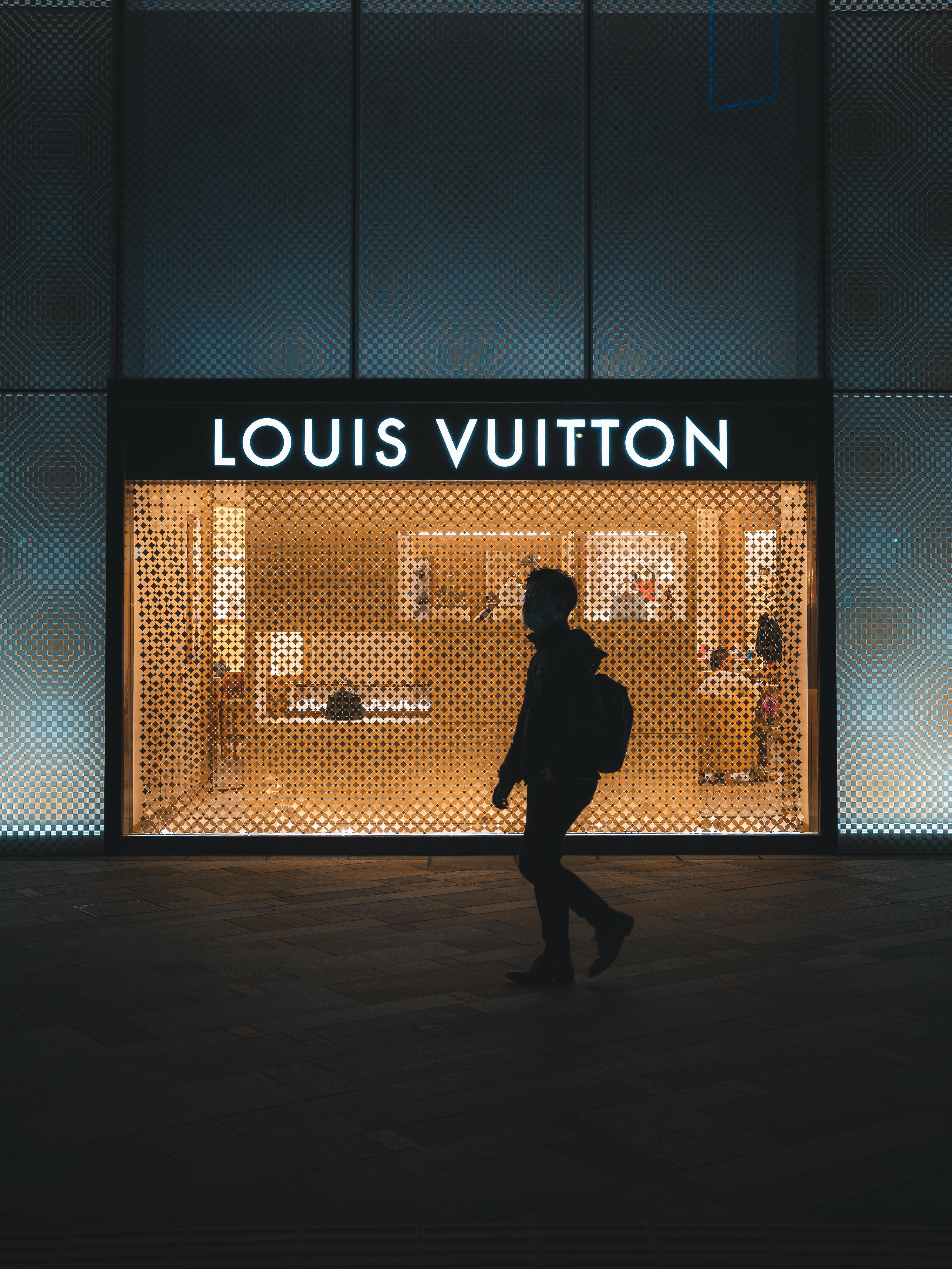
Core benefits and why people still buy luxury
Luxury survives because it solves emotional and practical problems at the same time. That is the plain answer. It gives pleasure, yes, but it also reduces friction, improves performance, and makes a day feel less ordinary, which is no small thing in a world drowning in disposable junk.
Here’s the kicker: the best luxury is rarely loud. It is often the jacket that fits like it was drafted by a patient tailor, the hotel room that is silent at night, the bottle that tastes balanced instead of merely expensive, or the car door that shuts with a satisfying, heavy hush. If you notice those details, you understand the game better than most buyers.
- Craftsmanship: Hand-finishing, precise construction, and disciplined attention to detail.
- Materials: Gold, platinum, rare stones, premium leather, fine wool, architectural stone, or top-grade mechanical components.
- Longevity: Better pieces can last years, sometimes decades, if cared for properly.
- Service: Good luxury includes delivery, maintenance, and repair support.
- Identity: A well-chosen piece can express taste without shouting.
- Experience: In travel and dining, luxury can remove stress and create calm.
Now the skeptical part. Not every expensive thing is better. In fact, many are worse. Some brands spend more on campaigns than finishing. Some hotels charge for “exclusive” experiences that should be standard. Some restaurants confuse complexity with excellence. I’ve seen enough of it to say this with confidence: a price tag is not a moral halo.
Still, real luxury matters because it rewards care. In that way, it echoes a basic truth: excellence in work is worthy of admiration. That old-fashioned view is unfashionable in certain circles, but it survives because it is true. The world runs better when things are made properly.
For travel, this applies sharply. A good resort or suite is not just bigger. It is calmer, better run, and better placed. For dining, the difference is often in timing, sourcing, and restraint. For fashion, the difference is cut, drape, and fabric hand. For jewelry, it is the setting, clarity, proportions, and the honesty of the materials.
If you want more context on how luxury is changing, see Bain’s luxury goods market study and McKinsey’s state of luxury analysis. Both make one thing plain: buyers are getting smarter, not dumber. About time.
Step-by-step guide to choosing luxury without getting fleeced
Buying luxury well takes discipline. It is not a vibe. It is a process. And if you do not approach it with a bit of suspicion, you will pay a lot for branding and very little for substance.
I use a simple method when I analyze luxury goods, whether I am looking at a watch, a hotel, a bottle of wine, or a handbag. It is not glamorous, but it works. The goal is not to impress strangers. The goal is to own or experience something that earns its keep.
- Start with purpose
Ask what the item or experience is for. A watch should suit your daily life. A handbag should fit your practical needs. A hotel should match the purpose of the trip. A fine-dining reservation should be about cuisine, company, and atmosphere—not social climbing. If the use case is fuzzy, you are probably shopping for ego. - Check the materials
Materials tell the truth. Leather quality, metal density, gem grading, fabric composition, stone sourcing, and mechanical movement all matter. In travel, materials show up as bedding, bath linens, acoustics, and room construction. In automotive luxury, they appear in cabin materials, cabin isolation, and finish quality. Touch matters. So does smell. - Look for craftsmanship
Good stitching, clean edges, balanced proportions, precision tolerances, and consistent finishing are not decorative details. They are the product. If a brand hides behind vague language and celebrity faces, be wary. Real craftsmanship rarely needs a press agent. - Study the brand’s heritage, but do not worship it
Heritage is useful when it means continuity of standards. It is useless when it is just a sepia-toned story told to justify mediocrity. A house with decades of serious work deserves respect. A house with a famous logo and sloppy output deserves none. - Compare service and aftercare
Luxury without service is just a markup. Ask about repairs, concierge support, replacement policies, room upgrades, maintenance, and sourcing transparency. A premium experience should reduce headaches, not create them. - Measure value over time
The real question is not “Can I afford it?” but “Will I still respect this purchase a year later?” If the answer is no, keep your money. Luxury should age well, patina gracefully, and remain useful or beautiful after the first thrill fades. - Buy fewer, better things
This is the one piece of advice that gets repeated because it is true. A thoughtful wardrobe, a small collection of exceptional watches, a few excellent bags, and a well-curated travel habit beat random indulgence every time. Stewardship is not austerity; it is ordered desire. That’s a more sensible way to live, frankly.
For readers interested in related categories, you may also want to compare standards in luxury watch buying, best luxury hotels, and fine wine selection if those pages are available in your site structure.
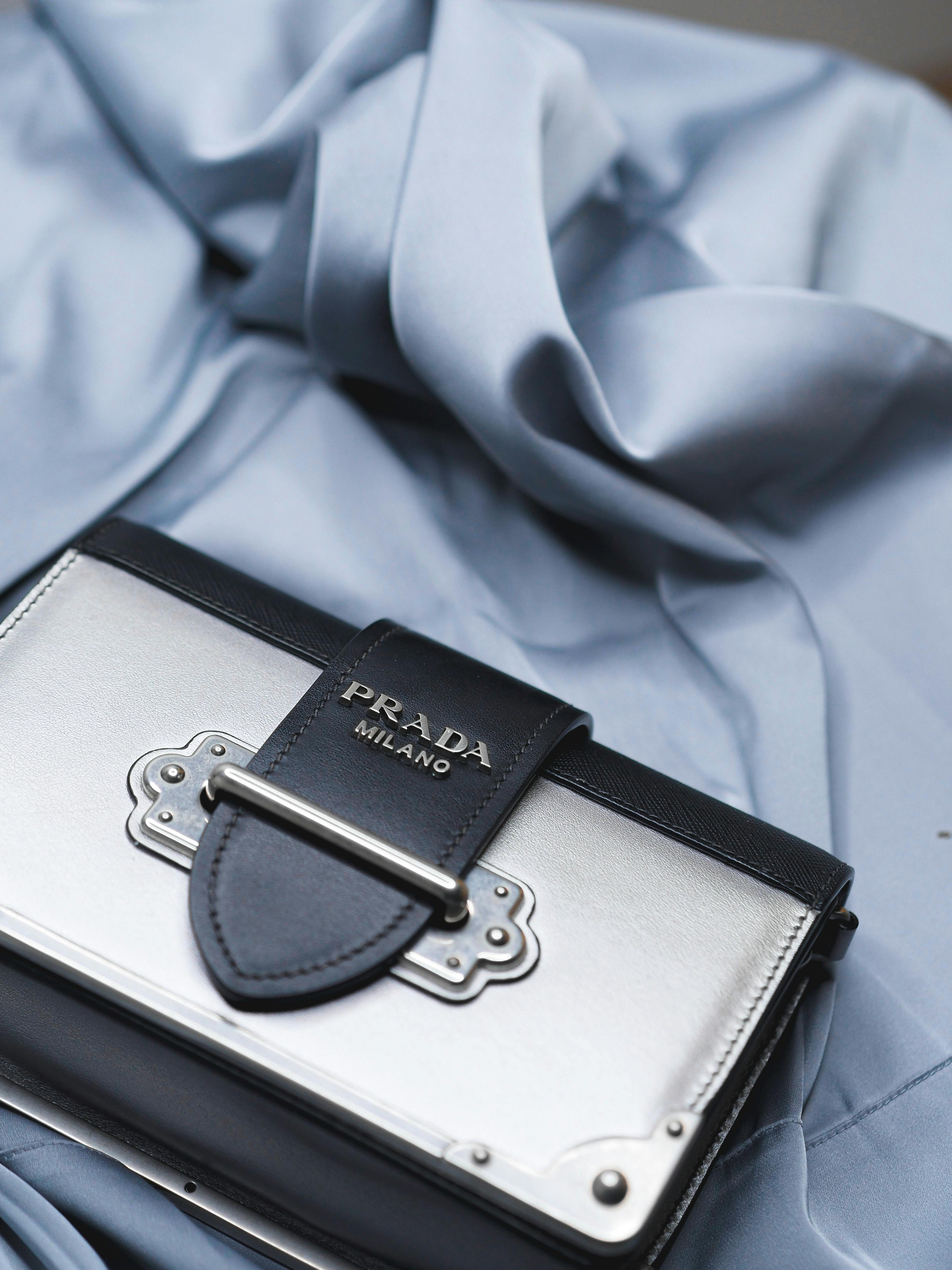
Comparison table: luxury vs. the cheapest competitor
Luxury is not the opposite of affordability. It is the opposite of false economy. Cheap things can be fine when they are temporary, but they are often not comparable to well-made goods or premium experiences.
| Category | Luxury / High-End | Cheapest Competitor |
|---|
| Watch | Mechanical precision, fine finishing, lasting value, repairable | Quartz convenience, generic materials, weak resale |
| Handbag | Full-grain leather, strong stitching, thoughtful design | Coated synthetics, weak hardware, fast wear |
| Hotel | Quiet rooms, personalized service, better bedding, privacy | Inconsistent service, thin walls, basic amenities |
| Fine Dining | Sourced ingredients, technical cooking, measured pacing | Heavy portions, uneven execution, noisy service |
| Spirits | Balanced aging, complex aroma, quality cask selection | Harsh burn, simple profile, marketing-driven |
| Automotive | Cabin refinement, advanced materials, smooth power delivery | Basic trim, louder cabin, less comfort |
| Jewelry | Clear provenance, superior stones, refined settings | Dubious sourcing, weak settings, little longevity |
The comparison is plain. Luxury usually wins on experience, durability, and refinement. But the cheapest option can still be the right choice if the need is short-term, practical, or low-stakes. The mistake is pretending every purchase belongs in the same bracket.
That is where too many people get lazy. They buy the cheapest thing, regret it, then buy the better thing later. Congratulations, you just paid twice. Not exactly brilliant.
If you want to see how elite hospitality brands define service and setting, the editorial work at Condé Nast Traveler and Forbes Travel Guide is useful, even if the gloss can be a bit much at times.
Common mistakes to avoid
Most luxury mistakes are boringly predictable. People mistake visibility for quality. They buy logos instead of construction. They overpay for trends that age badly. And they trust brand mythology more than actual inspection. It is all very human, and very expensive.
Mistake 1: Confusing fame with quality
A famous house can produce excellent work, but fame is not the work itself. Some brands coast on inherited prestige. Others still earn it. Learn the difference. Anyone can print a monogram. Not everyone can make a product that justifies it.
Mistake 2: Ignoring function
A beautiful object that annoys you is a bad object. A bag with useless compartments, a watch that is hard to read, a hotel room with impractical lighting, or a restaurant meal that is gorgeous but unsatisfying all fail the same test. Luxury should improve life, not just decorate it.
Mistake 3: Chasing trends like a nervous intern
Trends are not evil. Blindly following them is. The most durable luxury choices usually sit slightly outside the noise. They are classic, not stale. Refined, not flashy. The point is to own things you will not cringe at later.
Mistake 4: Believing more detail always means better craft
Some brands pile on details because they know people confuse decoration with sophistication. Real excellence is often restrained. A clean seam can be more impressive than a cluttered pattern. A quiet dining room can be more luxurious than a loud one. Subtlety is expensive.
Mistake 5: Forgetting maintenance
Luxury is stewardship, not possession alone. Watches need servicing. Leather needs care. Hotels matter most in consistency. Cars require proper upkeep. Wines need storage. Good things survive because they are respected. That principle is older than any brand campaign and a lot wiser too.
Mistake 6: Overbuying
This one gets people every time. Too many handbags, too many bottles, too many garments, too many trips taken for the photo instead of the memory. The better path is discernment. Beauty used wisely has order. Beauty used carelessly becomes clutter.
If you are interested in market behavior and buying habits, The Business of Fashion often tracks luxury consumer shifts with enough realism to be useful.
Frequently asked questions
What makes something truly luxurious?
True luxury combines quality materials, excellent craftsmanship, useful function, and strong service. A high price alone does not count. That is just a number with ambition.
Is luxury always worth the money?
No. Sometimes it is worth it, sometimes it is pure vanity, and sometimes it is just bad value with polished branding. I’d rather buy one excellent thing than five mediocre “premium” items.
Which luxury category holds value best?
Usually watches, some fine jewelry, certain handbags, and rare collectibles do well if purchased wisely. But condition, provenance, and brand strength matter a lot. Do not assume every expensive item will appreciate.
How can I spot a luxury brand that is all marketing?
Look at finishing, materials, aftercare, consistency, and how the product feels in real use. If the story is louder than the object, be suspicious. That rule saves money.
Final thought
Luxury at its best is not excess for its own sake. It is excellence made tangible. That may sound old-fashioned, because it is. And good. Old-fashioned ideas about craftsmanship, proportion, dignity, and stewardship survive for a reason.
When I look at the best watches, the most elegant hotels, the sharpest tailoring, the finest meals, or the rare bottle opened on the right night, I do not see mere consumption. I see work done well, materials treated with respect, and beauty offered without apology. That matters. It matters more than the noise around it.
The trick is not to buy more. The trick is to buy better, travel with more discernment, dine with more attention, and choose experiences that leave you calmer, wiser, and more grateful than before. That is the real luxury. Everything else is just expensive scenery.