Luxury is not just high prices. It is rarity, craftsmanship, restraint, and service that does not make you beg for it. When I examine luxury goods, high-end...
Luxury Goods, High-End Brands, and Premium Experiences: What Actually Matters in 2026
Luxury is not just high prices. It is rarity, craftsmanship, restraint, and service that does not make you beg for it. When I examine luxury goods, high-end brands, luxury travel, fine dining, and premium experiences, the real question is simple: does the thing justify itself, or is it just expensive theater?
Key Takeaways:- Luxury is value plus scarcity, not merely a bigger bill.
- The best brands win on craftsmanship, heritage, materials, and service.
- Real premium experiences feel calm, precise, and personal.
- Most hype is marketing varnish; function and finish matter more.
- Good luxury respects beauty, stewardship, and skilled labor.
What is luxury, really?
Luxury is the careful concentration of human skill into an object, a meal, a hotel stay, or a trip that feels unusually complete. It is not merely status signaling, although plenty of people use it that way. Frankly, that is the cheap version. The better version is about excellence, made visible.
When I look at luxury across automotive, travel, hotels, spirits, fashion, jewelry, watches, and design, I see a common thread: the product or experience does more than perform a job. It performs it with grace. A hand-finished movement in a watch. A hotel suite that anticipates your needs before you ask. A tasting menu where every course is trimmed of clutter. These are not random indulgences. They are acts of disciplined making.
That is why the best luxury feels almost moral in its restraint. Beauty matters. Craft matters. Attention matters. In a proper order, luxury should serve human flourishing, not vanity. The old Christian instinct here is sound: excellence is good when it respects both the maker and the user. Waste, excess, and pretense are another matter entirely.
The market for luxury goods and premium services has become louder, but not necessarily better. Reports from Bain & Company and The Business of Fashion repeatedly show that affluent consumers are more selective now. Good. They should be. The world has too much junk dressed up as aspiration. The serious buyer wants proof, not slogans.
In practical terms, luxury falls into a few buckets. There are tangible goods like watches, handbags, cars, jewelry, and furniture. There are services like private aviation, top-tier hospitality, and concierge travel. There are also sensory luxuries such as fine dining, rare wine, and premium spirits. The best examples share one trait: they reduce friction and increase delight without shouting about it.
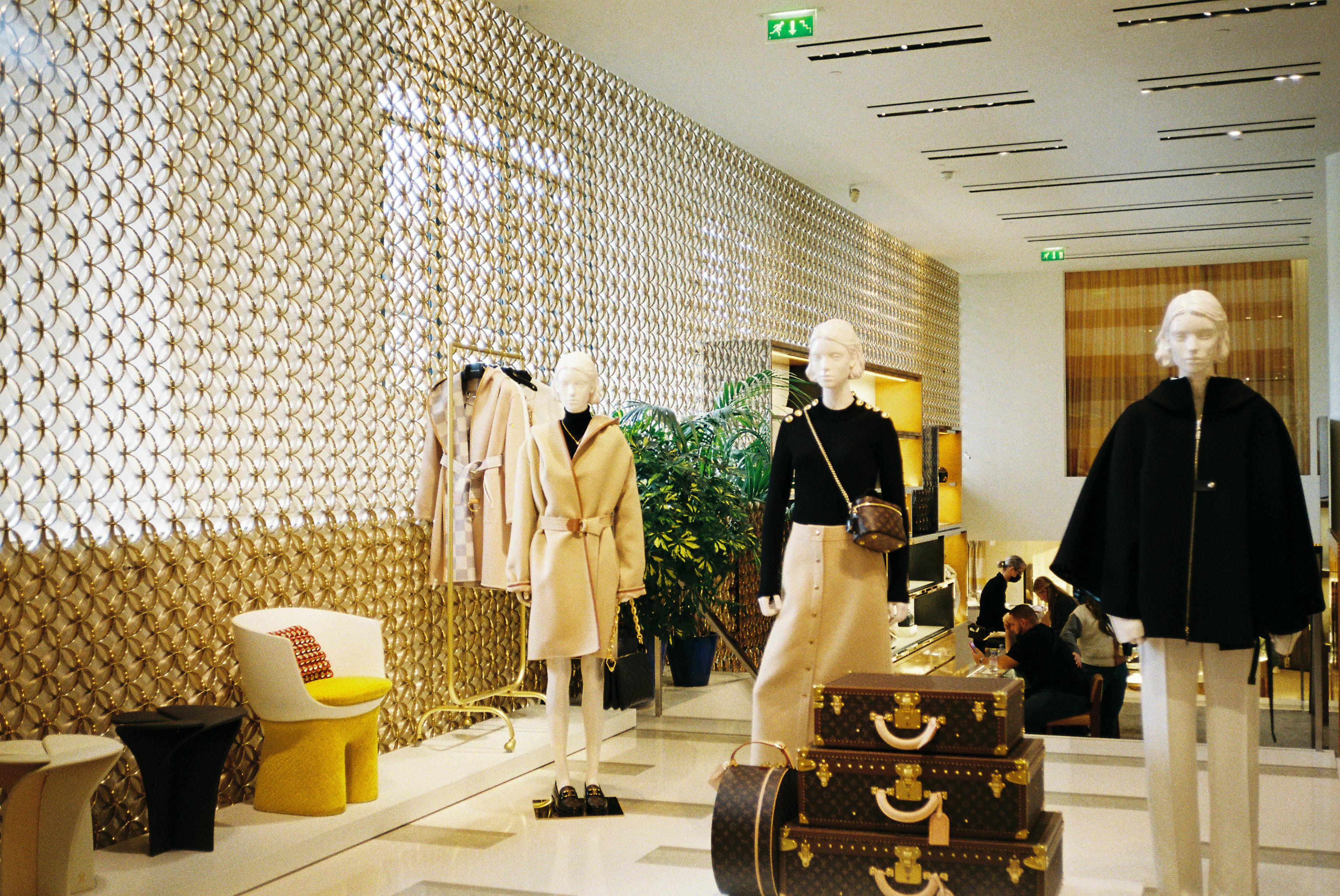
Here’s the kicker. Luxury is not valuable because it is expensive. It is expensive because it is valuable to a small number of people who can tell the difference. That difference is often invisible to casual observers, which is exactly why it persists.
Core benefits and why luxury still matters
Luxury matters because it rewards excellence. It also exposes fraud. You cannot fake quality forever in a world where real buyers inspect seams, stitch counts, patina, provenance, and service response times. That is healthy.
- Craftsmanship: In true luxury, labor is not hidden; it is honored. A fine watchmaker, a bespoke shoemaker, or a master chef leaves evidence. The hand is present.
- Durability: Good luxury often lasts longer than cheap substitutes. The price can be outrageous, yes, but the ownership horizon may be far better.
- Resale and collectability: Some categories retain value because scarcity and reputation actually mean something. Not every “investment piece” deserves that label, but some do.
- Experience quality: A premium hotel, restaurant, or travel advisor can remove friction in a way that saves time, stress, and mistakes. Time is the scarce asset. Money is just the invoice.
- Cultural capital: Knowing the difference between a genuine icon and a logo parade helps you make better decisions. It also keeps you from looking foolish.
Most luxury marketing pretends every purchase is transcendent. Nonsense. Plenty of items are just well-branded. The useful distinction is between price premium and real premium. Price premium means you pay more. Real premium means you receive more in material quality, design intelligence, service, or rarity.
The travel side is especially revealing. A top hotel or resort can change the entire rhythm of a trip. Read about the logic behind elite hospitality in our guide to what makes luxury hotels worth it and compare it with the planning standards in bespoke luxury travel planning. The difference between good and great is often the absence of chaos.
The same is true in food and drink. A celebrated dining room can be theatrical, but the real measure is control: temperature, timing, seasoning, pacing, and the discipline to stop before the plate becomes a sermon. For that matter, premium spirits and wine matter when they bring complexity, not just label vanity. A good bottle should reward attention, not require a sales pitch.
Luxury also has an economic role. It sustains skilled trades, artisans, designers, growers, vintners, and service professionals. That is not sentimental fluff. It is a labor ecosystem. When luxury is done properly, it supports dignity of work and preserves techniques that mass production erases.

How to choose luxury brands and premium experiences
Choosing well takes discipline. Most people buy with their eyes and regret with their wallets. I prefer a colder method.
- Start with purpose. Ask what you actually need: status, performance, comfort, collectability, or enjoyment. A supercar, a five-star resort, and a heritage watch solve different problems. Mixing them up leads to bad spending.
- Check the maker, not just the badge. Brand fame matters less than the specific product line, atelier, factory, or chef. A celebrated house can still make mediocre pieces. I have seen it too often.
- Inspect materials and construction. In watches, look at movement finishing, case execution, and service support. In handbags, examine leather quality, edge finishing, and hardware. In cars, assess engineering, ride quality, and reliability. In hotels, note bedding, acoustics, bathroom design, and staff training.
- Measure service reality. A luxury brand without good aftercare is a bluff. Repair policy, concierge access, room upgrades, and response speed all matter. If the company disappears after the sale, it was never really luxury.
- Compare against peers, not fantasy. A $5,000 handbag should be judged against similar competitors, not against a $50 tote. Be honest. The market does not care about your feelings.
- Look for restraint. Excess often signals insecurity. The best luxury brands usually know when to stop. That is why understated tailoring, discreet watch dials, and elegant hotel design often age better than loud alternatives.
- Think long-term. If you are buying for pleasure, fine. If you are buying for value retention, maintenance cost, rarity, and provenance must be part of the calculation. That applies especially to watches, cars, and collectible jewelry.
For a sharper view of luxury categories, see our related guides on luxury watch buying and how to evaluate fine jewelry. Both categories punish sloppy judgment.
When I reviewed premium hospitality and high-ticket retail patterns, one thing stood out: buyers often overpay for surface drama and underpay for invisible quality. The quiet things are the important ones. Seam alignment. Maintenance. Staff memory. Sound insulation. Menu editing. This is where real luxury lives.
There is also the moral side. Stewardship means you do not buy like a fool. You choose fewer things, but better things. That is not austerity for its own sake. It is order.
Comparison table: luxury brand vs mass premium competitor
Below is a plain comparison. No incense, no nonsense.
| Category | True Luxury Brand | Mass Premium Competitor |
|---|
| Craftsmanship | Hand finishing, stricter tolerances, visible care | Good assembly, broader tolerances |
| Materials | Better hides, metals, fabrics, movements, or ingredients | Solid but cost-controlled |
| Service | Personalized, proactive, responsive | Standardized, slower, scripted |
| Rarity | Limited production, selective distribution | Wider availability, easier to buy |
| Design | Restraint, proportion, longevity | Trend-led, more obvious branding |
| Ownership Experience | Repairability, aftercare, collectability | Adequate, but less memorable |
| Price | Very high, sometimes extreme | Lower, with fewer frills |
The point is not that mass premium is bad. It often makes excellent sense. The point is that true luxury earns its premium with deeper quality, not just a shinier logo. If the product and service do not improve meaningfully, the extra price is just rent paid to a brand story.
That said, some categories have more irrational pricing than others. Cars are a prime example. Certain luxury automobiles blend engineering, performance, and presence so well that the price can be defended. Others are merely loud. The better benchmark is not “most expensive,” but “most convincing.” For readers who want a sharper ranking lens, our piece on luxury cars that justify the price is a better filter than showroom gossip.
Common mistakes to avoid
People make the same errors again and again. The pattern is almost comical.
- Confusing brand heat with quality. Social media attention is not craftsmanship. A bag can be everywhere and still be poorly made.
- Buying for strangers. If your motive is applause, you will usually overpay. Real luxury is often quiet. Let’s be real: the room does not need to know.
- Ignoring maintenance and ownership costs. A car with a dazzling badge and brutal upkeep is not a smart buy. Same for watches that demand constant service or homes that require endless custom care.
- Overrating “limited edition” labels. Scarcity only matters when demand is real and design is strong. Otherwise it is merch with a certificate.
- Treating every premium experience as interchangeable. A Michelin-starred meal, a private villa, a grand hotel, and a yacht charter all solve different desires. Choose accordingly.
- Skipping provenance. This matters especially in watches, jewelry, art, and collectible spirits. Paperwork, authenticity, and condition change everything.
- Assuming expensive means tasteful. No. Some expensive things are tacky, overworked, and spiritually exhausting to look at. Taste still requires judgment.
- Buying without trying. Fit, feel, sound, scent, scale, and pace matter. Never purchase based on polished photos alone. That is amateur hour.
In fine dining, the most common mistake is chasing novelty over coherence. The flashiest plate is often the least memorable. In hotels, people mistake marble for hospitality. In fashion, they mistake logos for style. In travel, they confuse itinerary density with richness. All of that is backwards.
The better approach is to ask one blunt question: will this still seem wise, beautiful, and useful in three years? That question cuts through most nonsense.
Frequently asked questions
What defines a luxury brand?
A luxury brand combines quality, scarcity, heritage, and service in a way that feels difficult to imitate. It is not just expensive. It is meaningfully better in specific ways, and usually more selective about distribution and presentation.
Are luxury goods worth the price?
Sometimes. If the product offers superior craftsmanship, durability, service, or collectability, then yes. If it only offers status theater, then no. I’ve seen both, and the difference is obvious once you stop being dazzled by the label.
Which luxury categories hold value best?
Typically watches, fine jewelry, select handbags, and certain cars hold value better than many other luxury purchases. But value retention depends on brand, model, condition, rarity, and market demand. Provenance matters more than wishful thinking.
What should I look for in a premium travel experience?
Look for service consistency, privacy, comfort, personalized planning, and ease of movement. The best trips reduce friction. A good luxury travel experience should feel calm, not performative. The same applies to luxury hotels and exclusive destinations.
Final thought
Luxury, at its best, is not about indulgence without boundaries. It is about making room for excellence in the things that shape daily life and memory: the watch you wind, the room you sleep in, the meal you remember, the car you trust, the bag that endures, the trip that restores you. That sounds grand, but it is really just good order.
The world sells too much glitter. Buyers are not obliged to be gullible. If you care about craftsmanship, you will notice the difference between a brand that honors labor and one that merely monetizes desire. If you care about beauty, you will see that the best objects and experiences do not shout. They settle the mind.
That is the deep appeal of luxury done rightly. It respects material reality, rewards skill, and offers pleasure without cheapening the soul. And in a culture that often mistakes excess for richness, that distinction matters more than ever.