Luxury is not just price. It is the rare mix of craftsmanship, restraint, materials, service, and taste that makes an object, hotel, meal, or trip worth...
Luxury Goods, High-End Brands, and Premium Experiences: What Actually Matters
Luxury is not just price. It is the rare mix of craftsmanship, restraint, materials, service, and taste that makes an object, hotel, meal, or trip worth remembering long after the bill is paid. Most luxury marketing is pretentious nonsense, frankly, but the good stuff still exists—if you know how to spot real quality, and if you care about beauty as something more than a flex.
Key Takeaways- Real luxury is built on craftsmanship, heritage, and service.
- Price alone proves nothing; scarcity and workmanship matter more.
- The best luxury purchases hold emotional, practical, and sometimes investment value.
- Fine travel and dining should feel measured, not theatrical.
- Taste is stewardship: use wealth well, or it curdles into vanity.
What is luxury, really?
Luxury goods and premium experiences are products and services made with unusual care, scarce materials, skilled labor, and a level of consistency most mass-market brands never touch. That includes luxury watches, fine jewelry, designer handbags, high-end fashion, luxury hotels, fine dining, and curated travel that removes friction without turning everything into a sterile corporate lounge.
I’ve reviewed enough luxury products to say this plainly: the word “luxury” gets slapped on mediocre junk all the time. A logo is not craftsmanship. A velvet box is not quality. A famous name is not proof of merit. The real signal is how the item performs over years, how it feels in the hand, how well it is built, and whether the experience remains calm, precise, and humane instead of loud and performative.
Luxury is also about proportion. A beautifully made watch, a quiet hotel suite, or a well-cooked tasting menu can point beyond mere consumption. Beauty, when it is ordered and honest, reflects something higher than status alone. That is why certain objects and places endure: they satisfy the eye, the hand, and the mind without begging for applause.
For a sharper look at how markets frame exclusivity, see Forbes Luxury, Harper’s Bazaar Fashion, and Condé Nast Traveler. Those outlets cover the surface well enough, though you still have to separate real substance from shiny nonsense.
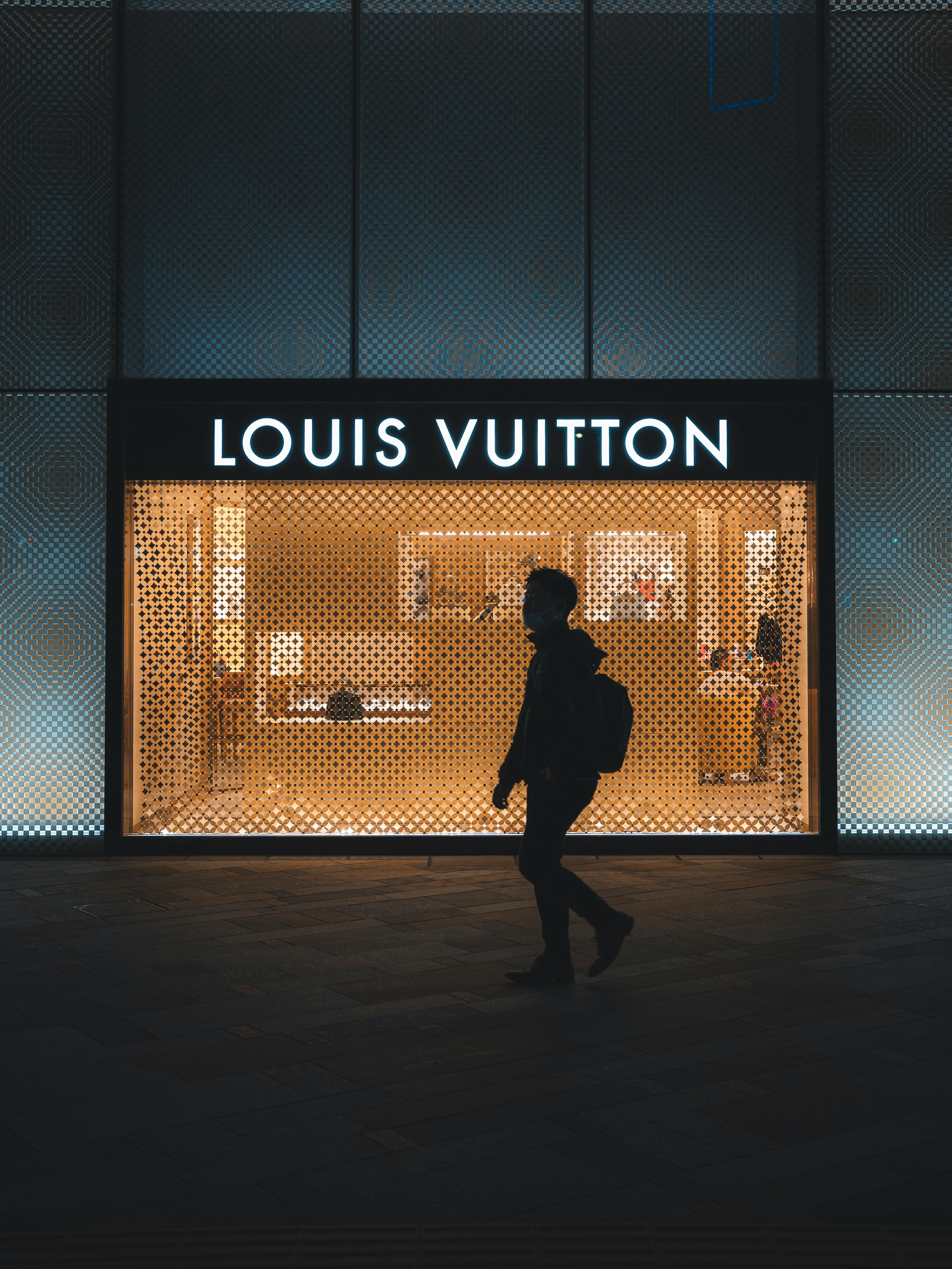
Luxury can mean many things.
It can mean a hand-finished timepiece with a movement built to last decades, a leather bag stitched by skilled hands, or a hotel where every detail works because someone thought about it. What ties them together is not excess. It is competence. And competence, unlike hype, is hard to fake.
Core benefits and why luxury still matters
Luxury matters because the best versions solve problems ordinary products ignore. They last longer, age better, and often feel better in use. That is not romantic fluff. It is practical truth.
- Better materials. Full-grain leather, noble metals, high-grade wool, fine silk, sapphire crystal, and carefully sourced stones do what cheap substitutes cannot. They wear differently, and often beautifully.
- Craftsmanship. Skilled makers still matter. Hand-finishing, precise stitching, balanced proportions, and tuned mechanical parts make a real difference in how something holds up.
- Service. A luxury hotel that remembers your preferences or a boutique that repairs a piece properly saves time and aggravation. That matters more than people admit.
- Longevity. Good luxury purchases can outlive trends. A well-made coat or watch may be used for years, then passed on.
- Emotional value. Some things mark milestones. A wedding band, a first serious watch, or a trip to a standout resort can carry memory better than almost any digital archive.
Here’s the kicker: the best luxury is often quiet. A subtle cashmere coat says more than a billboard logo. A restrained menu in a serious dining room beats a fireworks display of edible theatrics. Most ostentation is just insecurity in costume.
Luxury also supports craftsmanship as a form of dignity. The hands that cut a suit, set a diamond, or restore a vintage leather interior are doing work that deserves respect. There is something morally sane about paying fairly for excellence rather than pretending skill should be free.
A few categories deserve special mention.
Watches offer mechanical beauty and lasting utility. If you want the deeper mechanics of the category, a look at Hodinkee is worthwhile.
Travel and hotels matter because the setting shapes the experience. The right suite, spa, or itinerary can make a trip feel restorative instead of exhausting. For destination ideas, Travel + Leisure remains useful.
Fine dining matters because food, when done well, is craft in motion. The discipline behind a great sauce or perfectly timed service is not far from that behind watchmaking or tailoring.
And yes, luxury can be frivolous when it becomes a shrine to self. But used wisely, it can honor quality, support artisans, and reward restraint. That is worth defending.
How to choose luxury wisely
Choosing luxury well requires skepticism. Lots of it. The glossy ads are designed to make you confuse fame with merit, and that is a costly mistake.
- Start with function. Ask what the item or experience actually does. A watch should be legible, reliable, and well made. A bag should carry your essentials comfortably and age well. A hotel should offer rest, privacy, and competent service.
- Inspect the materials. I look at what touches the body first. Leather, metal, fabric, stone, and glass tell the truth faster than brand copy does. If the materials are weak, the rest is mostly theater.
- Check the craftsmanship. Uneven stitching, sloppy finishing, poor alignment, and awkward proportions are warning signs. In horology, that means looking at movement quality, case finishing, and service reputation. In travel, it means noticing whether the staff moves with competence or confusion.
- Assess long-term value. Some luxury purchases hold resale value, but that should not be the only test. Better to ask whether you will still enjoy the item in five years. If the answer is no, it is probably fashion noise.
- Study the brand’s actual record. Heritage matters when it reflects consistent making, not just old photographs. Read the product history, compare collections, and check how the company handles repairs, guarantees, and customer care.
- Compare experience against ego. This one matters. Are you buying it because it is beautiful and useful, or because you want people to notice? Be honest. Vanity has a way of dressing itself up as discernment.
- Use trustworthy sources. For design and market context, I often cross-check with Architectural Digest for interiors and The Business of Fashion for brand strategy and industry shifts.
- Test the aftercare. Luxury is not only the sale. It is what happens after the sale. Repairs, alterations, concierge access, room upgrades, and luggage handling separate serious brands from poseurs.
When I compare a truly good piece with a merely expensive one, the difference is usually obvious. The good one disappears into use. The bad one demands attention. Nobody needs that.
Comparison table: luxury experience vs. mass-market alternative
| Category | Luxury Option | Mass-Market Competitor | What Actually Separates Them |
|---|
| Watches | Swiss or German mechanical timepiece | Fashion watch | Movement quality, finishing, serviceability, longevity |
| Handbags | Crafted leather bag from heritage house | Trend-driven logo tote | Leather grade, construction, repairability, aging |
| Hotels | Boutique or five-star property | Chain midscale hotel | Privacy, staff training, room design, consistency |
| Fine Dining | Chef-led tasting menu | Standard upscale restaurant | Precision, ingredient sourcing, service choreography |
| Travel | Private transfer, bespoke itinerary | Packaged group tour | Flexibility, time efficiency, discretion |
The table is blunt because the truth usually is. Luxury is not automatically better in every case, but when it earns its price, the gap is visible in the details: seams, timing, temperature, texture, and how little friction you experience.
For broader market reporting, Luxury Daily is useful, though you should read it with the same caution you bring to any brand-driven publication. Marketing has a habit of sounding profound while saying very little.
Common mistakes to avoid
People make luxury harder than it needs to be. They also make it easier to waste money. Both are annoying.
- Buying the logo, not the object. A famous name can hide weak construction. If a product only works when others recognize it, that is not luxury. That is branding with a fee attached.
- Ignoring maintenance costs. A mechanical watch needs service. A luxury car needs upkeep. Fine leather needs care. High-end living always has a maintenance bill. Pretending otherwise is silly.
- Chasing trends over taste. Trend pieces can be fun, but they age fast. True taste often looks calm. It does not need a siren.
- Confusing scarcity with quality. A limited run can still be mediocre. Artificial scarcity is a common trick. Don’t fall for it.
- Overvaluing celebrity endorsements. Famous faces sell attention, not necessarily standards. Read the specs, inspect the finish, and compare alternatives.
- Treating travel like a checklist. Luxury travel is not about bragging rights. It is about the right pace, the right place, and enough stillness to enjoy them.
- Ignoring how staff behaves. In hotels and restaurants, service is the product. If staff are rushed, brittle, or disorganized, the whole thing slips.
Here’s what nobody tells you: many luxury mistakes come from impatience. People want instant prestige and skip the boring homework. But real discernment takes time. It means reading reviews, handling the item, visiting the place, and asking whether the thing will still feel worthy after the dopamine wears off.
I’ve seen plenty of beautiful objects that were not worth the price, and plenty of restrained purchases that were excellent value. The difference is not mystery. It is judgment.
Frequently asked questions
What makes a product truly luxury?
A true luxury product combines quality materials, careful craftsmanship, durable construction, and service that continues after purchase. Branding alone does not qualify.
Are luxury goods worth the price?
Sometimes. If the item lasts longer, performs better, and gives lasting satisfaction, then the premium can be justified. If it only signals status, probably not.
Which luxury purchases hold value best?
Certain watches, handbags, jewelry, and collectible fashion pieces can retain value, especially when condition, rarity, and provenance are strong. But value retention should not be your only reason to buy.
How do I spot fake luxury marketing?
Watch for vague claims, overreliance on heritage, and language that sounds grand but says nothing concrete. Real quality can be described plainly.
Final thought
Luxury, at its best, is not a peacock parade. It is disciplined beauty. It is the kind of work that rewards patience, skill, and care, whether that shows up in a watch movement, a stitched seam, a plated dish, or a quiet room after a long flight.
The world has plenty of expensive nonsense. It always will. But the truly good things—the ones made with attention, ordered purpose, and respect for the person using them—still matter. They remind us that excellence is not vulgar, that craftsmanship is a form of honesty, and that beauty can be received gratefully rather than consumed greedily.
That is the standard worth keeping.