Luxury goods and premium experiences are not just about price. They are about craftsmanship, restraint, service, and the rare feeling that something was made...
Luxury Goods, High-End Brands, Luxury Travel, and Fine Dining: What Actually Matters
Luxury goods and premium experiences are not just about price. They are about craftsmanship, restraint, service, and the rare feeling that something was made with care instead of speed. The best high-end brands earn loyalty by combining materials, heritage, and execution, while the best luxury travel and fine dining experiences make time feel better spent. Most luxury marketing is polished nonsense. The real value is simpler.
Key Takeaways:- True luxury is measured by craftsmanship, service, and consistency.
- Price alone proves nothing. Scarcity and story are not enough.
- Luxury travel and fine dining matter most when details are exact.
- The best brands respect materials, labor, and the person using the product.
- Beauty, when ordered rightly, points beyond vanity and toward something higher.
What is luxury goods, high-end brands, luxury travel, fine dining, and premium experiences?
Luxury goods are products or services made with exceptional materials, skilled labor, and careful design, then delivered with a level of service that ordinary offerings rarely match. That includes Swiss watches, fine jewelry, tailored fashion, designer handbags, luxury hotels, private travel, rare spirits, and tasting menus where the kitchen treats each plate like a small act of discipline. Frankly, the word “luxury” gets abused so much it can mean almost nothing.
The serious version is narrower. Real luxury has a cost structure that reflects time, labor, rarity, and expertise. A hand-finished watch movement, a well-cut diamond, a hotel suite with actual privacy, or a meal where the chef controls sourcing with obsessive precision—these are not the same as glossy branding. I’ve reviewed luxury brands for years, and here’s what actually shows up: the stronger the product, the less it needs to shout.
Luxury also works across categories because people are buying more than objects. They are buying calm, confidence, and better use of time. That is why the best luxury travel coverage usually focuses on service and access, not just pretty photos. It is also why Hodinkee can spend pages on finishing, proportions, and movement architecture while most ads just show a wrist and a lifestyle fantasy.
Luxury Travel Advisor and Condé Nast Traveler both make this clear in different ways: the truly memorable stay is not defined by marble alone, but by silence, staff judgment, and the sense that every detail was thought through.
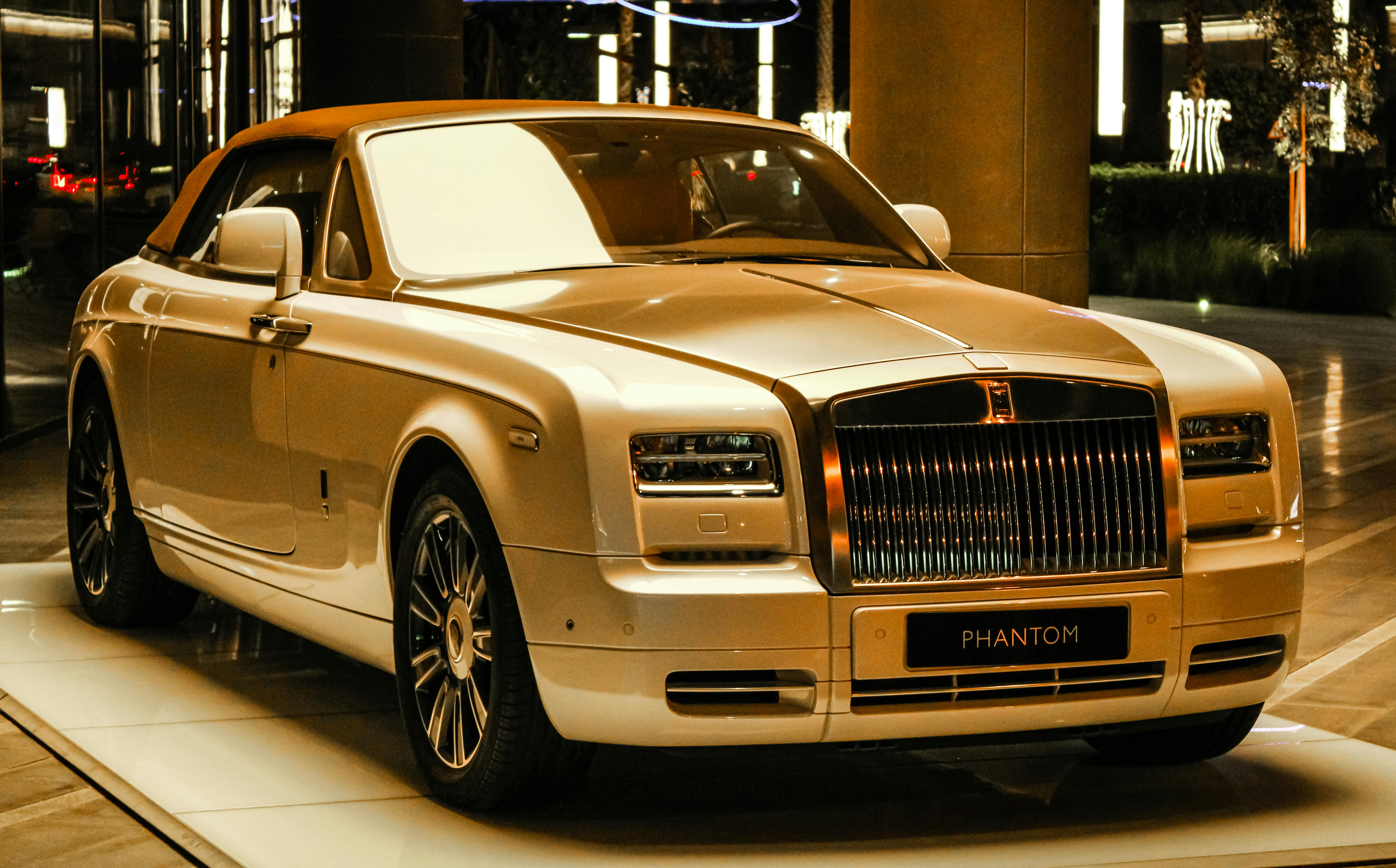
Luxury at its best also carries a moral dimension. Fine workmanship honors the dignity of labor, and well-made objects can be a proper use of material beauty rather than a crude display of wealth. That distinction matters. It is the difference between stewardship and vanity.
Core benefits and why luxury still matters
Luxury goods and premium experiences survive because they solve real problems. Not every problem is dramatic. Sometimes the problem is a suitcase that breaks, a hotel room with bad acoustics, or a dinner that looks expensive but tastes tired. Luxury done properly removes friction.
Here’s the value, stripped of marketing perfume:
- Craftsmanship lasts. A well-made leather bag, fine watch, or tailored jacket can age better than cheaper replacements, which often cost more over time through repeated buying.
- Service reduces stress. In a top hotel or restaurant, the staff anticipates needs before you start explaining them. That is not fluff. That is competence.
- Materials matter. Real gold, precious stones, superior fabrics, and carefully sourced ingredients behave differently from flimsy substitutes.
- Time is preserved. Premium travel saves effort through direct flights, private transfers, better locations, and better planning.
- Experience becomes memory. A properly executed tasting menu or spa stay stays with you because the details were coherent, not random.
- Resale and collectability can help. Some watches, handbags, and spirits hold value better than common luxury products, though speculators love to pretend every purchase is an investment. It isn’t.
The biggest lie in the sector is that luxury is always about excess. Often it is about subtraction. Fewer distractions. Cleaner lines. Better ingredients. Less noise. That is why a restrained room at a top hotel can feel richer than a loud suite packed with chrome and mirrors.
When I examine premium brands, I look for consistency, not hype. Does the brand preserve standards across products and markets? Are the materials honest? Is the finish visible in the hand, not just in the ad? Those are the questions that separate serious houses from brands riding old reputations.
For travel readers, this matters even more. An island resort, a heritage city hotel, or a spa retreat only earns the word luxury if the rest of the experience supports the claim. For example, a place like best hotels in Corfu should be judged by service rhythm, setting, and calm—not by a brochure’s sunset photo.
Step-by-step guide to choosing luxury goods and premium experiences
Buying or booking luxury badly is easy. People get seduced by branding, then wonder why the item or trip feels hollow. The trick is to inspect the thing like a skeptic, not a tourist in a boutique.
- Start with purpose. Ask what problem you want solved. A travel bag for constant flying is not the same as a collector’s handbag. A hotel for recovery is not the same as a hotel for social noise.
- Check the construction. For watches, inspect movement finishing, case work, and service history. For leather goods, examine stitching, edges, lining, and hardware. For fine dining, study sourcing, pacing, and technique. If the obvious surfaces are weak, the hidden parts usually are too.
- Study the brand’s actual record. Heritage only matters when the house still does the work well. Read independent coverage from sources like Hodinkee articles or The World’s 50 Best Restaurants, not just brand campaigns.
- Look for restraint. Loud luxury often hides weak product. Real quality rarely begs for attention. A quiet hallway in a hotel may say more than a gold-plated lobby.
- Compare the service layer. If staff are clumsy before the sale, they will be clumsy after it. That goes for boutiques, resorts, and restaurants alike.
- Ask about longevity. Can the item be repaired? Can the hotel be revisited without boredom? Will the restaurant still matter after the first Instagram post? These are serious questions.
- Separate desire from rationality. I like beautiful things, obviously. But beauty without order turns into clutter. A watch should fit your life. A villa should make rest easier. A tasting menu should satisfy, not just impress.
If you are selecting a destination stay, use a tighter lens. A resort review should tell you about room acoustics, beach access, wellness facilities, privacy, and staff behavior under pressure. That is why articles like hotels and resorts coverage are more useful than generic travel fluff. The truth is, luxury travel is mostly logistics dressed as pleasure.

Comparison table: luxury vs premium mass-market alternatives
Luxury and mass-market products sometimes overlap in appearance, but not in substance. A polished imitation may look good in a thumbnail. In hand, on foot, or at the table, the difference becomes obvious fast.
| Category | Luxury Standard | Premium Mass-Market Competitor | What Usually Wins |
|---|
| Watches | Hand-finished movements, strong heritage, service support | Solid quartz or entry mechanical, fewer finishing details | Luxury, if craftsmanship matters |
| Handbags | Full-grain leather, precise construction, lasting resale | Good materials, more automation, less longevity | Luxury for durability and status |
| Hotels | Personalized service, space, privacy, exceptional locations | Good amenities, more standardized execution | Luxury for experience quality |
| Fine Dining | Chef-led sourcing, technique, tasting precision | Polished menu, broader appeal, less daring | Depends on goal, but luxury for depth |
| Travel | Private transfers, rare access, calm planning | Efficient packages, lower cost, less customization | Premium mass-market for value; luxury for ease |
| Spirits | Small-batch, aged, provenance-rich bottles | Reliable mass production, consistent flavor | Luxury for nuance and collectability |
The table hides one thing: context. A luxury product can be a waste if you never use it properly. A premium mass-market option can be the smarter buy if your needs are simple and repeated often. That’s the part people skip because it is less glamorous.
Still, there is a line. When craftsmanship, service, and materials all improve together, the luxury version usually justifies itself. The reason is not snobbery. It is the compounding effect of better choices. Better stitching lasts. Better insulation sleeps better. Better ingredients taste better. Better planning saves time and temper.
For those who care about culture, this is where luxury becomes more than consumption. It becomes patronage. Good houses preserve techniques, support artisans, and keep specialized trades alive. That matters. A society that cannot make beautiful things well is poorer than it knows.
Common mistakes to avoid
Most luxury buying mistakes are embarrassingly simple. People ignore them because a nice logo makes them feel clever. It doesn’t.
- Confusing price with quality. Expensive does not automatically mean excellent. Some brands charge more because the marketing department needs a new fountain.
- Chasing hype instead of fit. A watch collector’s darling may be awkward on your wrist. A famous resort may be wrong for your need for quiet.
- Ignoring maintenance. Luxury goods still require care. Leather needs conditioning, watches need service, and fine clothes need proper storage. Neglect destroys value faster than age does.
- Treating every purchase as an investment. Most purchases are consumption, not assets. Yes, certain pieces hold value. No, that does not make your impulse buy a portfolio.
- Assuming “heritage” means current excellence. Some houses coast on old stories. The label is old; the product is tired.
- Overlooking the experience layer. A beautiful object bought from a rude seller is still a bad purchase in spirit. Service is part of the product.
- Ignoring proportion and taste. More shine, more logos, more plates, more suites—none of that equals better. Restraint is often the harder and wiser choice.
I’ve seen people spend a fortune on a “luxury” stay and then spend the whole trip solving problems that should have been handled before arrival. That is just poor planning. Frankly, if the front desk is disorganized, the spa is overbooked, and the concierge cannot answer simple questions, the property is pretending.
The same caution applies to fine dining. A famous chef does not guarantee a memorable meal. Service timing, room energy, and ingredient quality matter as much as technique. If the plate is clever but the pacing is sloppy, the experience collapses.
For deeper travel context, guides from destination-focused luxury travel reporting and regional reviews like travel guides can help separate real merit from polished marketing. That is the sensible way to buy beauty without becoming gullible.
Frequently asked questions
What makes a luxury brand worth the money?
A luxury brand is worth the money when it delivers measurable gains in craftsmanship, materials, service, durability, or access. If it only delivers a logo, it is overpriced decoration.
Are luxury goods a good investment?
Sometimes, but rarely in the way ads suggest. Certain watches, handbags, wines, and collectibles retain value better than others. Most purchases, however, are for use and enjoyment, not profit.
What defines a luxury hotel or resort?
A true luxury hotel offers privacy, attentive service, strong design, excellent beds, quiet spaces, and staff who solve problems before they become annoying. Amenities alone are not enough.
How can I tell if fine dining is actually good?
Look for ingredient quality, pacing, balance, and restraint. A good meal should feel composed, not theatrical for its own sake. If every course tries too hard, something is off.
Final thought
Luxury is often misunderstood because people confuse it with display. That is a mistake. The best luxury goods, brands, hotels, and dining rooms do not merely cost more; they do more with less noise. They respect the maker, the guest, and the material. That is the real standard.
When I think about the finest things I’ve reviewed, the pattern is always the same. The product or place is beautiful, yes, but also ordered. Nothing feels accidental. The stitching lands cleanly. The service arrives before the request. The meal is balanced instead of showy. The room gives rest instead of stress. That kind of excellence is rare, and rarity is part of why people seek it.
Still, the point is not to worship objects. Beauty is meant to be received with gratitude, not greed. In a sensible life, luxury can remind us that craftsmanship matters, labor has dignity, and well-made things can serve a higher good than vanity. That is a fair bargain. Anything beyond that is just expensive noise.