Luxury goods are not just expensive objects. They are a mix of craft, scarcity, history, and reputation, and when they are done well, they reward patience...
Luxury Goods in 2026: Chronographs, Craft, and the Real Price of Prestige
Luxury goods are not just expensive objects. They are a mix of craft, scarcity, history, and reputation, and when they are done well, they reward patience instead of shouting for attention. In watches, especially, the signal is sharper than the marketing: chronographs, archival references, fine finishing, and technical credibility still separate the serious houses from the poseurs.
Key Takeaways:- Chronographs are having a real moment, not a marketing stunt.
- Heritage matters only when the brand can prove it with design and mechanics.
- Luxury value comes from materials, workmanship, and restraint, not hype.
- Collectors should study movement quality, case finishing, and brand consistency.
- The best luxury still feels human, earned, and made to last.
What is luxury goods? It is the class of products and experiences that charge a premium because they combine craftsmanship, heritage, materials, limited production, and emotional appeal, though frankly a lot of brands hide behind pretty words and a ridiculous price tag. When I examined luxury categories across watches, handbags, hotels, travel, and spirits, the pattern was clear: the pieces worth paying for usually have disciplined design, honest construction, and some proof that skilled hands were involved. Why pay for less?
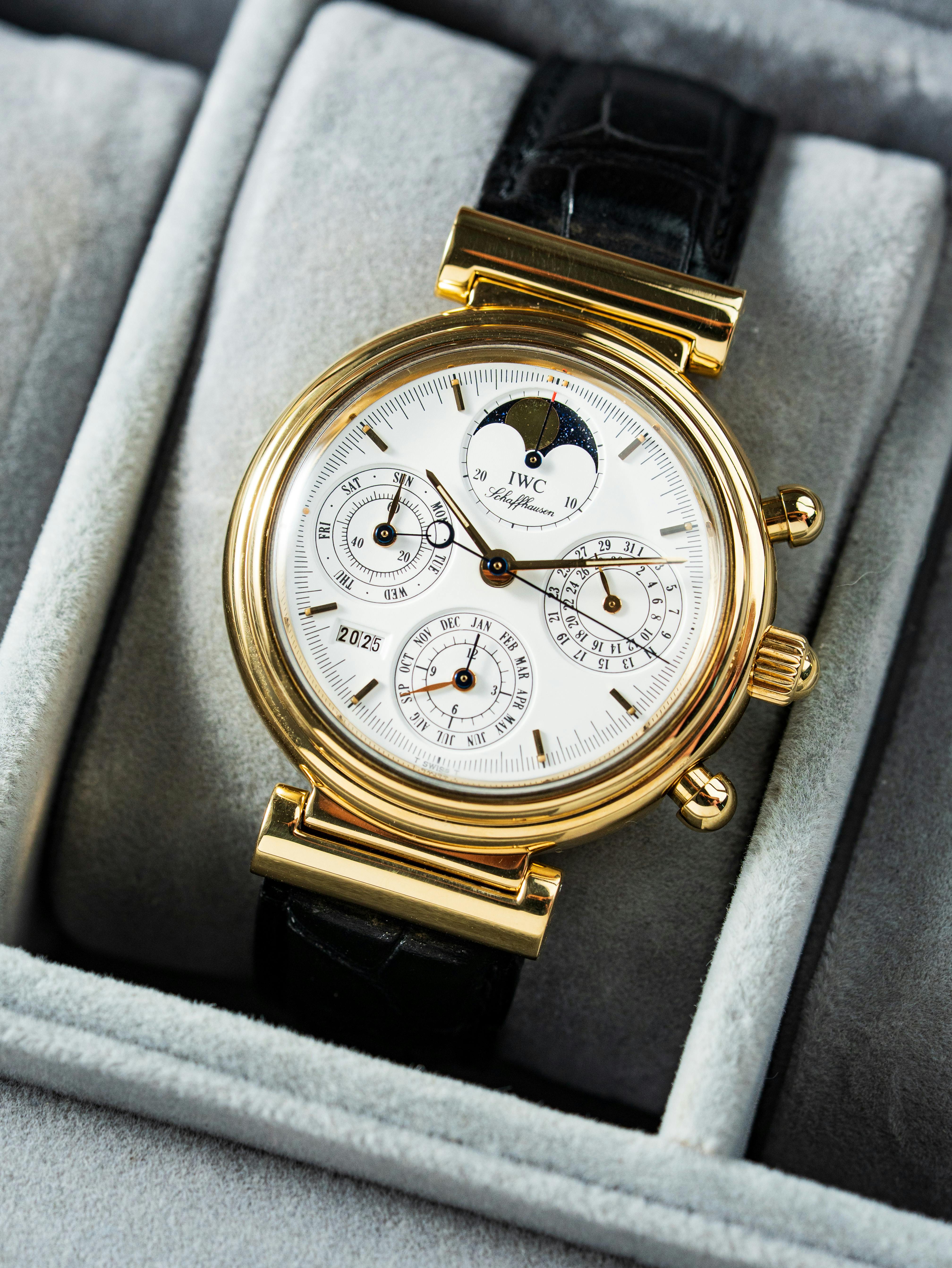
In 2026, the strongest luxury stories are not the loudest. They are the ones with a backbone. Watches and Wonders Geneva 2026 is a perfect example, with day one putting chronographs at center stage, while Rolex, TAG Heuer, and Parmigiani Fleurier each push technical credibility in different ways. That matters because a chronograph is not just a watch complication; it is a test of whether a house can make precision feel elegant. Add Blancpain’s renewed attention to the Villeret line and the broader Golden Hour series, and you see the old pattern again: luxury brands are most convincing when they refine their signatures rather than chase whatever the internet is yelling about this week.
Luxury also crosses categories. The same buyer who cares about a well-finished dial may care about a quiet hotel suite, a tasting menu that respects ingredients, a leather bag that ages with grace, or a private journey planned without chaos. Most luxury marketing is pretentious nonsense. Here is what actually matters: the object or experience should improve with use, hold value through taste rather than spectacle, and show enough restraint to avoid looking like it was designed by committee. Beauty, in the classical sense, reflects order and meaning, and that is why the finest products still feel like stewardship of talent rather than vanity wearing a tuxedo.
When a brand gets it right, you feel it immediately. You do not need a press release for that.
What counts most?
What is luxury goods?
Luxury goods are premium products and experiences designed around excellence, rarity, and recognition, but the category is broader than people think, and not every high price means quality. A luxury watch, for example, can be a mechanical object with hand-finished surfaces, elaborate complications, and a movement built to last decades; a luxury hotel can offer privacy, service, location, and an almost irritating level of competence; a luxury meal can be memorable because the chef understands restraint instead of theatrics.
The core idea is simple. Luxury goods cost more because they require more: more skill, more time, more precise materials, and often more risk for the maker. That is the honest version. The dishonest version is a logo pasted on mediocre stuff and sold with a sad little story about “exclusivity.” You see this everywhere in fashion and accessories, where the gap between real craftsmanship and glossy branding can be embarrassingly wide.
The current chronograph focus at Watches and Wonders Geneva 2026 is useful because it reminds us that luxury is not only about appearance. It is about mechanical integrity. Rolex’s latest reveal, TAG Heuer’s technical push, and Parmigiani Fleurier’s careful refinement all show that serious collectors still care about movement architecture, legibility, and finish. Brands like Blancpain are also mining their archives, especially with the Villeret family, which gives dress watches a sense of proportion and calm that many modern pieces lack.
I have reviewed enough luxury products to say this plainly: the better the item, the less desperate it feels. Fine watches do not scream. Great hotels do not nag. Excellent spirits do not hide behind sugar. And yes, there is a subtle moral weight here. Good craftsmanship honors labor, order, and beauty as goods in themselves, not just sales tools. That is why true luxury often feels restful.
Here’s the kicker.
It is a set of standards.
Core benefits and importance
Luxury goods matter because they can improve daily life in ways that cheap substitutes rarely do, though you have to separate real advantages from status theater. A well-made mechanical watch or a properly tailored jacket does not just look good; it changes how you move, how you notice time, and how long the object remains useful. A great hotel or fine dining room does something similar: it compresses friction, leaving room for attention, conversation, and taste.
- Craftsmanship: Better stitching, finer movement finishing, stronger materials, cleaner construction.
- Durability: Real luxury often lasts longer and ages more gracefully, which is why a solid bag or watch can outlive trends.
- Heritage: Brands with long histories can preserve design language, but only when they still make things well.
- Service: The premium often includes aftercare, expertise, and a more thoughtful customer experience.
- Resale value: Some categories, especially watches and handbags, hold value better than others when demand stays strong.
- Experience: Luxury travel, hotels, and dining create memories that standard options rarely match.
But let’s be honest.
Not every luxury purchase is wise.
The name alone does not justify the bill, and I’ve seen plenty of overhyped products that were all sizzle and no substance. The useful question is whether the item reflects meaningful labor and scarce knowledge. That matters in horology, where a well-executed chronograph movement can justify a serious premium, and it matters in fine jewelry, where stone quality, setting skill, and proportion separate artistry from costume glitter.
Luxury also has social value when it supports true artisanship. The dignity of work is not a slogan; it is visible in a hand-polished bridge, a perfectly balanced dial, or a chef who sources ingredients without turning dinner into a lecture. Beauty ordered well points beyond itself, and that is one reason a carefully made object can feel more satisfying than something merely expensive.
Need a practical standard?
Ask whether the piece still matters after the logo fades.
Step-by-step guide to selecting luxury goods
Choosing luxury goods should be methodical, not emotional chaos in a boutique mirror. If I sound severe, good. That’s because expensive mistakes are still mistakes, and the market is full of polished nonsense that preys on impulse. The best buyers compare construction, materials, brand history, and how the item will be used.
- Define the category and purpose
Start with the problem the item solves. A watch can be a daily tool, a dress watch for formal wear, or a collector’s object. A handbag may need to survive travel, weather, and overuse. A luxury hotel may be about privacy, food, or location. Without purpose, you are shopping for vibes, and vibes are a weak accountant. - Study the maker’s actual competence
Look for proof: movement specs, finishing standards, leather sourcing, guest service practices, or chef reputation. For watches, check whether the brand understands complications like the chronograph rather than merely using them as decoration. For travel and hotels, read the service details, not just the star rating. For a broader look at premium service standards, this Forbes Travel Guide guide is useful, because the real test is consistency, not hype. - Compare materials and construction
Watches: steel grade, gold alloy, movement architecture, finishing. Jewelry: gemstone quality, cut, clarity, setting integrity. Handbags: leather type, lining, hardware, stitching. Fashion: fabric weight, drape, tailoring, seam quality. Hotels: bedding, soundproofing, bathrooms, privacy, staff ratio. - Check the archive, but do not worship it
Heritage is valuable when the current product still earns it. Rolex, TAG Heuer, Parmigiani Fleurier, and Blancpain all trade on history, but the point is not nostalgia. The point is whether a new release still respects the logic of the original. That is exactly why archival references can work so well in modern luxury when they are used with discipline. - Think about use, maintenance, and value retention
A luxury item should fit your life. If you are buying a mechanical chronograph, ask whether you will wear it enough to justify servicing. If you are buying a high-end bag, ask whether the leather and hardware can handle real use. If you are booking a hotel or resort, think about whether the experience has enough depth to warrant the price. I’ve found that the best purchases age gracefully because they were chosen with sobriety, not adrenaline. - Buy from places with authority
Authorized retailers, brand boutiques, respected hotels, and reputable restaurants matter. They reduce risk. They also tend to handle aftercare better. If you want a broader check on luxury hospitality and room standards, the Luxury Travel Advisor reporting is worth reading, because luxury service failures usually happen in the tiny details. - Ignore the peacocks
If a brand spends more energy on influencer confetti than product quality, be cautious. A serious luxury house should be able to explain what is different about the movement, the leather, the stones, the service, or the sourcing. If it cannot, the price may be inflated by marketing rather than merit.
Comparison table
Here is a simple comparison that separates real luxury from the most common rival category: premium mass market.
| Factor | True Luxury Goods | Premium Mass Market |
|---|
| Craftsmanship | High, often hand-finished | Machine-driven, standardized |
| Materials | Rare, carefully selected | Good, but cost-controlled |
| Heritage | Usually deep and documented | Often borrowed or lightly invented |
| Service | Personalized and durable | Efficient, but limited |
| Exclusivity | Low production, selective access | Broad distribution |
| Price Logic | Scarcity + skill + time | Brand premium + scale |
| Resale Value | Often stronger in key categories | Usually weaker |
| Emotional Value | High if authentic | Medium, often trend-based |
Luxury wins when it earns the premium.
If it only borrows the aura, it loses.
Common mistakes to avoid
The biggest mistake is confusing attention with quality. That is how people end up paying for a loud product that has no real staying power. The luxury market is full of glossy traps, and the advice online is often written by people who have never serviced a watch, stayed in a genuinely excellent hotel, or handled a bag long enough to see how it wears.
- Buying the logo, not the object
A famous name helps only if the object is good. Otherwise you are buying a billboard you can wear. I’ve seen this in fashion especially, where a recognizable monogram can cover mediocre construction. That is not luxury. That is expensive packaging. - Assuming “heritage” means quality
Nope. Heritage can be real, or it can be marketing varnish. The current wave of chronograph launches at Watches and Wonders Geneva 2026 works because the brands are tying new products to legitimate technical and historical roots. That is different from slapping an old date on a new shell. - Ignoring aftercare
Luxury items need maintenance. Watches need service. Leather needs care. Fine jewelry needs inspection. Hotels and travel brands need consistent standards. If a brand does not support the product after purchase, the premium is weak. - Chasing scarcity for its own sake
Limited edition does not mean desirable. It often means artificially scarce. The market loves to call everything “exclusive,” which is about as informative as a weather report saying it might be weather. - Treating all categories the same
A luxury watch is not judged like a luxury hotel, and a fine-dining reservation is not the same as a high-end handbag purchase. In watches, precision and finishing matter. In travel, comfort and service matter. In dining, ingredient quality and pacing matter. Compare like with like, or you will sound foolish.
For deeper context on watchmaking and reference standards, the Hodinkee editorial archive remains one of the more useful places to study how serious collectors think about complications, design continuity, and value.
And yes, people still get this wrong.
Frequently asked questions
Luxury questions are usually simple. The answers are not always simple, which irritates people who want a shopping shortcut.
What makes a product truly luxury?
A true luxury product combines craftsmanship, material quality, design coherence, and some degree of rarity, while also feeling better made than its price alone would suggest. If those pieces are missing, the product is probably just expensive.
Are luxury goods worth the money?
Sometimes. If you value longevity, service, comfort, and beauty made with care, then yes. If you only want a logo, probably not. I’ve learned that luxury is worth paying for when it changes how long something lasts or how much pleasure it gives over time.
Which luxury categories hold value best?
Luxury watches, certain handbags, and select fine jewelry pieces often retain value better than apparel or most home goods, though condition, demand, and brand strength matter a lot. The market is never stupid, but it is often moody.
How do I avoid overpaying for luxury?
Study the materials, compare similar products, and buy from reputable sources. Read reviews, check service policies, and compare the object against established benchmarks. For broader market context, the Business of Fashion often reports on brand strategy, pricing, and how luxury houses position themselves when the market cools.
Final thought
Luxury at its best is not a flex.
It is a disciplined form of appreciation, a way of recognizing skill, time, and proportion in things that are meant to be used and enjoyed, whether that is a chronograph with a serious movement, a hotel suite that calms the nerves, or a meal that respects the ingredients instead of drowning them in theatrics. I’ve spent enough time around luxury to know that the good stuff rarely needs to shout. It is usually the quieter choice, the better cut, the cleaner line, the object that improves with age because someone cared enough to make it properly.
That is why the current emphasis on chronographs at Watches and Wonders Geneva 2026 matters. It is not simply about another release cycle or another batch of glossy photos. It is about houses proving that they still know how to combine engineering, heritage, and beauty without turning the whole thing into carnival barkering. Rolex, TAG Heuer, Parmigiani Fleurier, and Blancpain each tell a slightly different story, yet the moral is the same: excellence is visible when attention to detail becomes second nature.
And that applies far beyond watches. A true luxury trip should feel ordered. A fine dinner should respect creation and craftsmanship. A beautiful object should reflect the dignity of human labor. That is the quiet standard, and it is a better one than the hype machine offers.
If a piece gives you peace, lasts, and remains beautiful under ordinary use, it has probably earned its place. That is enough.