Luxury is not just expensive stuff. It is craftsmanship, restraint, and the stubborn refusal to accept mediocre materials when better ones exist. When I’ve...
Luxury Lifestyle: How to Buy, Enjoy, and Judge the Real Thing
Luxury is not just expensive stuff. It is craftsmanship, restraint, and the stubborn refusal to accept mediocre materials when better ones exist. When I’ve examined high-end goods, the price only made sense when heritage, skill, scarcity, and service lined up. Otherwise? It was polished nonsense with a monogram.
Key Takeaways
- Luxury value comes from craft, materials, scarcity, and service—not hype.
- Travel and dining become luxurious when details are precise, not merely flashy.
- Best choices reward patience, research, and a healthy suspicion of marketing.
- Real elegance is stewardship: enjoying fine things without becoming owned by them.
What is luxury lifestyle and why does it matter?
Luxury lifestyle covers the goods, places, and experiences that sit above the ordinary: fine watches, jewelry, handbags, tailored fashion, first-rate hotels, exceptional restaurants, polished design, and discreet service. It is not merely about cost. Frankly, if price alone made something luxurious, airport gift shops would be temples of refinement.
The real difference is in the ingredients. A superb watch uses disciplined engineering and finishing that can take years to master. A serious hotel run feels calm because hundreds of small decisions were made correctly. A fine meal earns its place through sourcing, timing, and restraint. I’ve reviewed enough premium brands to say this plainly: many sell status, but only a smaller share sell substance.
That distinction matters because luxury should reflect order, not excess. Beauty has weight. Good objects are often the result of patient labor, and that labor deserves respect. In a sane world, luxury is not a scream for attention; it is quiet excellence, made visible.
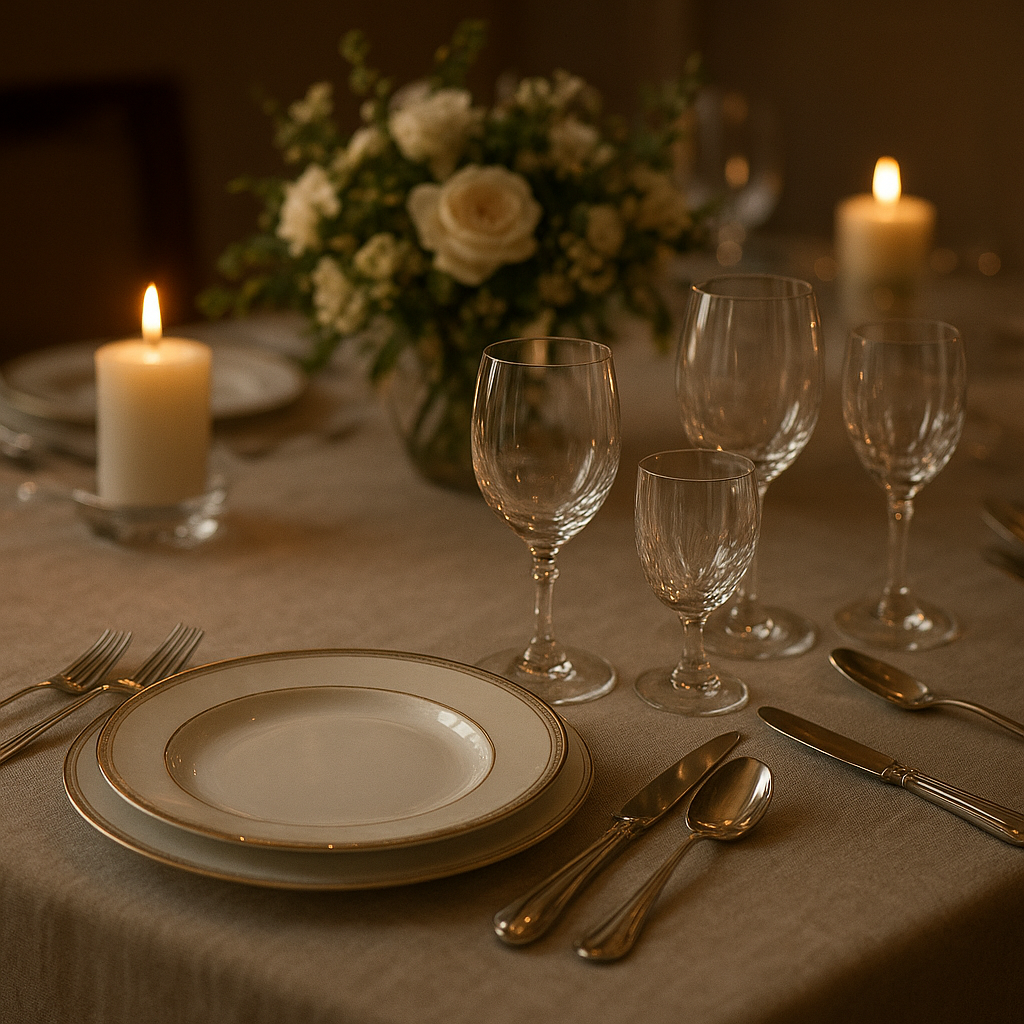
Brands like Chanel, Rolex, Aman, and Michelin-starred kitchens understand this better than loud copywriters do. Their strongest products usually show consistency, not theatricality. Here’s the kicker: the more a luxury item depends on explaining itself, the weaker it often is.
If you want a practical lens, think in five parts: craftsmanship, materials, provenance, service, and longevity. That applies whether you’re buying a handbag, booking a resort, or choosing a bottle from a fine wine list. One can admire luxury without worshiping it. That is the difference between taste and vanity.
For readers who care about style with substance, see these related guides: Luxury Columnist’s home and travel coverage, luxury style tips and trends, and best places to eat and wellness picks. The specifics change, but the standards do not.
Core benefits and why discerning people still pay for it
Luxury is expensive for reasons that are sometimes real and sometimes ridiculous. The trick is telling the difference. When it is done well, luxury pays you back in durability, comfort, precision, and sheer pleasure. When it is done badly, you get a louder logo and a thinner wallet.
- Better materials last longer. Full-grain leather, high-grade steel, cashmere, hardwoods, and hand-finished textiles age better than cheap substitutes.
- Craftsmanship shows in use. A well-made bag keeps its shape, a well-made hotel room works without friction, and a well-made watch keeps time with character.
- Service reduces friction. Luxury travel and hospitality should feel orderly, calm, and personal. Not fussy. Not fake-smiling. Efficient.
- Scarcity can preserve value. Limited production often supports resale strength, especially in watches, iconic handbags, and collectible jewelry.
- Design has emotional value. Beautiful objects and places lift the mind. That sounds airy, but it is true; ordered beauty matters to human beings.
- Repairability matters. The best goods can be maintained. A throwaway object is not a luxury, no matter how expensive it was at checkout.
The contrarian point is simple: not every pricey thing is worth it. Some high-end brands lean on heritage stories to distract from weak materials or sloppy execution. I’ve seen too many “luxury” products that look good for six months and behave like regret after that. Most hype is just smoke.
Yet the best luxury has a moral shape. It rewards the hands that made it and honors the person who uses it carefully. There is something almost liturgical in that: excellent work, properly ordered, serving a real purpose. That’s not sentimental nonsense. It’s how civilized life should function.
Luxury travel follows the same rule. A private transfer, a quiet suite, and a table at the right restaurant can turn a trip from exhausting to restorative. For destination ideas, compare notes in the luxury travel section, the luxury hotels coverage, and the destination guides. The point is not excess. The point is ease, precision, and memorable quality.

How to choose luxury goods and premium experiences without getting played
Choosing well takes discipline. Not glamour. Disciplinary attention is what keeps you from buying a logo instead of a product, or booking a glossy hotel that can’t even make tea properly.
- Start with the use case. Ask what the item or experience must actually do. A watch should fit your life. A hotel should fit your trip. A bag should fit your habits. I’ve found that the wrong use case makes even excellent products feel annoying.
- Inspect materials and construction. Look at stitching, finishing, weight, grain, movement, and fit. Cheap shortcuts hide in the details. Always.
- Check provenance and reputation. Heritage matters only when it is backed by consistent execution. A famous name with uneven quality is not noble; it is just famous.
- Compare service, not just price. In luxury, the aftercare is part of the product. Warranty support, repair policies, concierge help, and staff competence all matter.
- Review scarcity honestly. Limited editions can be valuable, but artificial scarcity is common. If everything is “exclusive,” nothing is.
- Test for longevity. Can the item be serviced, cleaned, reconditioned, or repaired? If not, think twice.
- Buy the quiet version when possible. The most tasteful choice is often the least obnoxious one.
When I compared premium goods over the years, the best purchases were rarely the most advertised. They were the ones that felt inevitable after use: the watch that disappeared on the wrist, the coat that improved with age, the hotel that anticipated needs before I voiced them. That is what paying for quality should feel like.
For dining, the same rule applies. A serious meal is not a plate piled high with flourishes. It is timing, temperature, balance, and restraint. If you want a better read on elevated travel and hospitality, cross-check the advice in expert luxury travel tips and fine dining recommendations.
Here’s the kicker: the best luxury buyers are usually not the loudest. They ask better questions. They care about service and repair. They understand that stewardship matters, because fine things are meant to be used well, not worshiped or wasted.
Comparison table: luxury choice versus mass-market competitor
Below is the blunt version. No perfume on it.
| Category | Luxury Option | Mass-Market Competitor | What You Actually Get |
|---|
| Watch | Mechanical timepiece with hand finishing | Battery-powered fashion watch | Craft, serviceability, and heirloom value versus disposable styling |
| Handbag | Full-grain leather, structured construction | Coated synthetic or mixed materials | Better aging, shape retention, and repair options |
| Hotel | Personal service, strong housekeeping, quiet design | Standardized rooms, variable service | Less friction, more comfort, and better memory value |
| Restaurant | Sourcing, technique, pacing, wine care | Volume, speed, broad appeal | More precision, less sameness, stronger flavor control |
| Travel | Private transfers, curated itinerary, premium access | Self-managed logistics | Time saved, stress reduced, and more usable experiences |
| Home goods | Hardwood, stone, artisan finishing | MDF, veneers, mass assembly | Longevity, tactile quality, and visual calm |
The biggest competitor to luxury is not another luxury brand. It is complacency. Most people settle for “good enough” and then wonder why their daily life feels flat. Luxury done right corrects that. It brings order, not clutter. It clarifies use. It rewards attention.
And yes, price matters—but only as a signal, not a verdict. A cheap item can be excellent. A costly one can be absurd. The competent buyer compares, tests, and watches for real standards. That is plain common sense, which is rarer than it should be.
For more context on premium living, related coverage on high-end home products, design trends, and premium beverages can help sharpen your eye.
Common mistakes to avoid when buying or booking luxury
The most common mistakes are not subtle. They are expensive forms of self-deception.
- Buying for labels instead of fit. If a bag, suit, or watch does not fit your life, it will annoy you. Status is a poor substitute for usefulness.
- Assuming heritage equals quality. Some old brands are still excellent. Some are coasting on old stories. Be skeptical.
- Ignoring service and aftercare. Repairs, alterations, housekeeping standards, and concierge competence matter. A lot.
- Confusing scarcity with value. Limited production can be meaningful, or it can be a marketing trick wrapped in velvet.
- Overlooking maintenance costs. Luxury often requires care: polishing, servicing, tailoring, cleaning, shipping, insurance.
- Buying on impulse at the top of a trend. If everybody is shouting about it, the easy money may already be gone.
Frankly, the worst advice in luxury circles is “just buy the best.” That is lazy. The best for whom? For what use? Over what time? A rare watch can be a brilliant purchase, but only if you understand service intervals, resale logic, and whether you actually want to wear it. A five-star hotel can be glorious, but if the location is wrong or the staff are robotic, the experience collapses.
I’ve seen plenty of glossy marketing built around the idea that luxury should be aspirational in a vague way. That is nonsense. Real luxury solves a problem elegantly. It saves time, reduces friction, and gives pleasure without shouting about it. The old wisdom still holds: good things should be ordered toward good use.
For travelers, this means checking room size, transfer times, and restaurant access before clicking book. For shoppers, it means checking stitch lines, grain, movement, and warranty terms before opening the wallet. Use your head. It is still the best accessory.
Frequently asked questions
What makes something truly luxurious?
True luxury combines craftsmanship, better materials, strong service, and lasting satisfaction. Price alone does not count. A flashy product that falls apart is just a costly mistake.
Are luxury goods worth the money?
Sometimes. If the item is durable, repairable, and genuinely better in daily use, yes. If it is only a badge, probably not. That’s the blunt truth.
How do I judge a luxury hotel or restaurant?
Look at consistency, not just decor. Cleanliness, staff skill, pacing, comfort, and the ability to solve problems quickly matter more than staged glamour.
Is luxury travel just about spending more?
No. The best luxury travel removes friction and preserves energy. A smoother transfer, a better room, and a thoughtful itinerary often matter more than a bigger bill.
Final thought
Luxury, at its best, is not a pose. It is competence made visible. It is the careful stitch, the quiet room, the properly aged leather, the table where the food tastes like someone paid attention, and the trip that leaves you restored rather than drained. That is why fine things still matter. They remind us that excellence is real, labor has dignity, and beauty is not an accident.
The cheap imitation is easy to spot once you stop being dazzled by marketing. Real quality has weight, patience, and restraint. It does not beg to be noticed. It earns notice by working well and lasting well. That may sound old-fashioned. Good. Some old-fashioned things survive because they are right.
When I look at luxury through that lens, the conclusion is simple: choose fewer things, choose better, and treat them well. That approach respects both your money and the people who made the object or experience possible. In the end, that is what good taste looks like.