Luxury is not simply a high price tag. It is the considered choice of excellent materials, skilled work, thoughtful service, and experiences that reward...
Luxury Lifestyle, With Taste: How to Choose the Things Worth Paying For
Luxury is not simply a high price tag. It is the considered choice of excellent materials, skilled work, thoughtful service, and experiences that reward attention. From fine dining and well-made clothes to memorable hotels and art, the best luxuries add pleasure without demanding that you mistake spending for substance.
Luxury Columnist’s appeal is straightforward: expert ideas for enjoying fashion, food, travel, home, wellness, and culture at different budgets. That approach makes sense. Price can buy access to exceptional materials or attentive service, but it cannot guarantee good taste, sound judgment, or a meaningful afternoon. Frankly, plenty of luxury marketing is just expensive noise. The useful question is not “What costs the most?” but “What genuinely improves the way I live?”
I assess luxury by looking past the campaign photography. Who made the item? What is it made from? Does the experience feel considered from arrival to departure? Can the object be repaired, worn, shared, or passed on? Those questions apply equally to a mechanical watch, a small countryside hotel, a handmade chair, and a dinner that lingers in the memory. Luxury becomes more compelling when we see the human skill behind it and treat beauty as something to appreciate responsibly—not as permission to consume without thought.
What Is a Luxury Lifestyle?
A luxury lifestyle is a pattern of choosing and enjoying goods and experiences that offer exceptional quality, comfort, beauty, service, or cultural value. It can include a tailored jacket, a carefully designed home, a remarkable meal, a first-class rail journey, or an afternoon spent with art. It does not require every choice to be expensive, and it does not mean turning daily life into a parade of purchases.
The word “luxury” is used loosely. Brands may apply it to limited production, precious materials, specialist labor, heritage, personalization, or simply a larger marketing budget. Sometimes the distinction is real; sometimes it is packaging. A handmade leather bag may justify its cost through pattern cutting, construction, material selection, and repairability. A mass-produced accessory with a prominent emblem may offer little beyond recognition. The label alone proves nothing.
When I examine a premium product, I separate its price into practical and less tangible parts. Practical value can include durability, fit, technical performance, reliable service, and access to skilled repairs. Less tangible value includes design, history, pleasure, rarity, and the feeling that an object suits its owner. The second group matters, too. Beauty can lift an ordinary room or make a familiar meal feel celebratory. But emotional value is personal; it cannot be established by a price list.
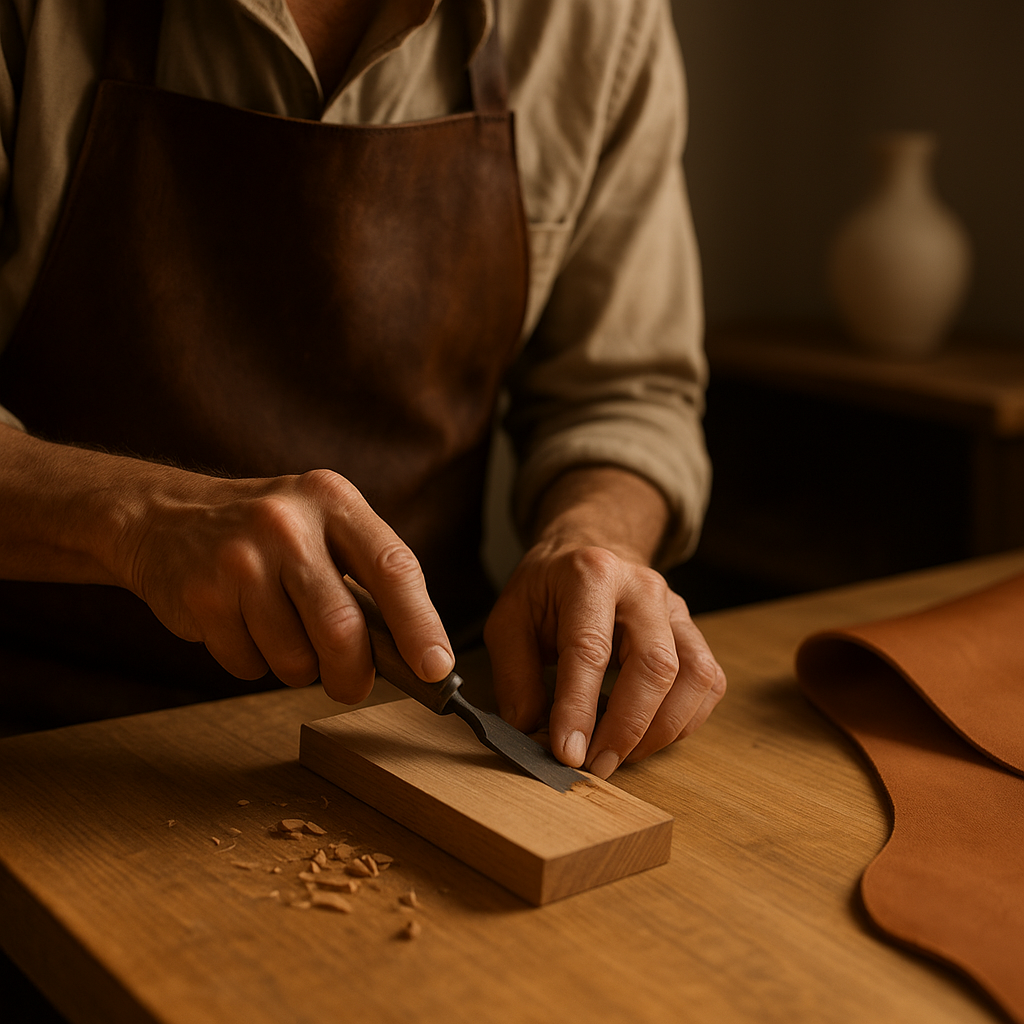
A good luxury purchase also has a human story. Craftsmanship depends on learned skill, patient work, and standards that are not always visible in a finished photograph. UNESCO’s overview of traditional craftsmanship describes the knowledge and techniques that communities preserve and pass on (UNESCO on traditional craftsmanship). That is a more useful starting point than vague claims about “heritage.” Ask what is made, by whom, and how.
Luxury also has a place in ordinary life. A single excellent coat worn for years may be a wiser choice than a wardrobe of disposable trends. A special meal can matter more than a costly table booked only to be seen. The point is discernment: choosing what serves, delights, or lasts, and leaving the rest on the shelf. The best things are not always the most expensive ones. Sometimes they are simply the things you notice and care for.
Core Benefits and Importance
Luxury, chosen well, can offer benefits that are concrete rather than theatrical. The first is quality of use. Good materials, precise construction, comfortable design, and proper maintenance can make an object more pleasant and dependable. A well-cut garment moves differently. A thoughtfully designed hotel room lets a guest rest rather than puzzle over the lighting. In fine dining, the sequence of dishes, pacing, and hospitality can turn dinner into an occasion.
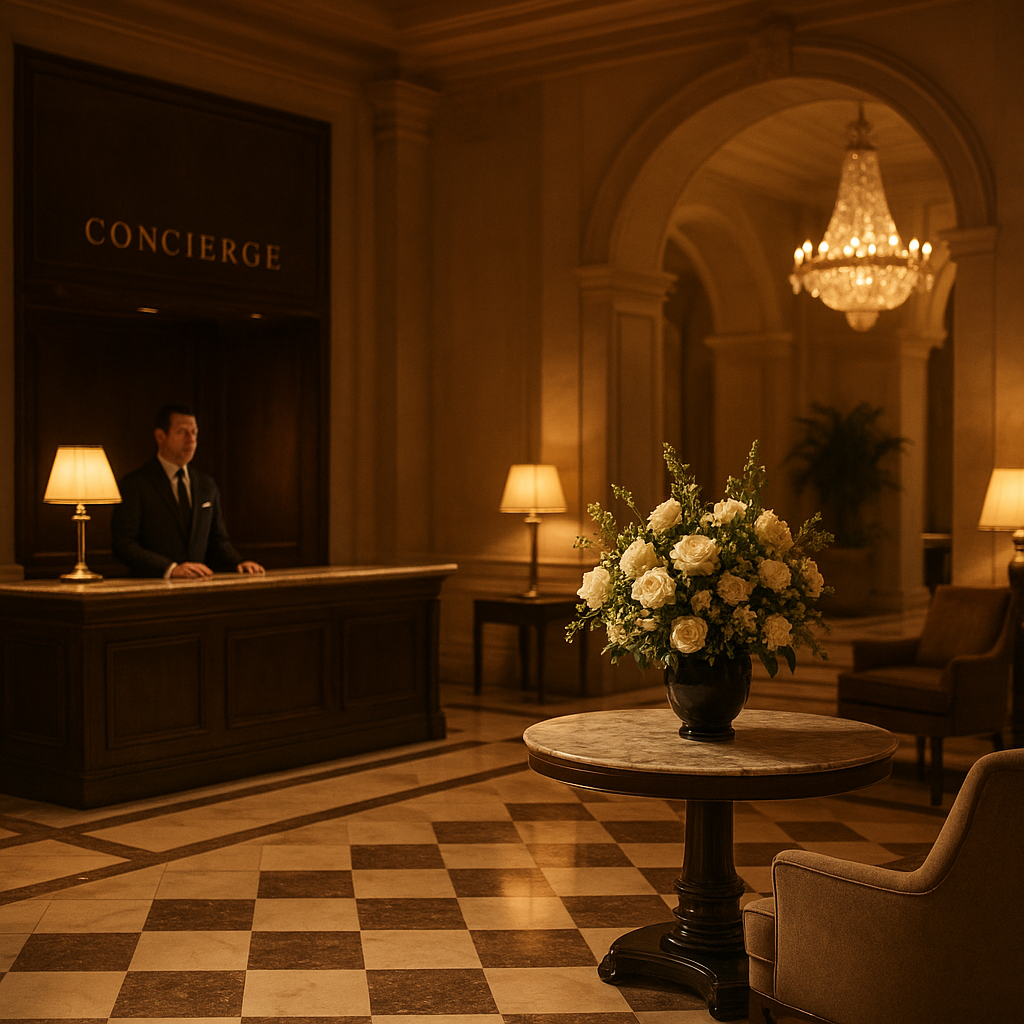
The second benefit is service. The premium is sometimes less about the object than the help around it: a knowledgeable watchmaker, a hotel team that remembers a practical preference, or a specialist who can explain care without pushing an upgrade. Service should be attentive, not obsequious. If the experience relies on making guests feel inferior or indebted, something has gone wrong.
Third comes cultural and aesthetic pleasure. Museums, historic buildings, gardens, concerts, and skilled cooking give us ways to encounter the care and imagination of other people. That pleasure need not be grand. It may be a quiet gallery visit, a chef’s use of a seasonal ingredient, or the line of a chair designed to fit its room. Beauty is not a moral achievement, but it can invite attention, gratitude, and respect for human work.
Fourth, considered purchases can reduce replacement churn. That claim needs a caveat: a premium price does not automatically mean an item lasts longer, and a “forever piece” can still be poorly made. Check construction, warranties, parts availability, cleaning instructions, and repair services. For watches, ask about servicing intervals and costs. For handbags, inspect stitching, lining, hardware, and the brand’s repair policy. For hotels and travel, read cancellation terms and understand what is genuinely included.
Here’s the kicker: luxury is most valuable when it fits the owner’s real life. An elegant shoe that cannot tolerate the owner’s commute is not a triumph of style. A remote resort that creates stress through difficult transfers may not be the right escape. A lavish wine list is no use to someone who wants a simple supper. Match the experience to your needs, rather than asking your needs to perform for the purchase.
A measured approach also protects financial freedom. Enjoying premium goods is compatible with responsibility when spending follows a plan and does not crowd out housing, savings, health, or family commitments. Stewardship is not joyless austerity; it is the sensible care of what has been entrusted to us. Buy fewer things if that leaves room to enjoy them properly. That is not a compromise. It is often the whole point.
Step-by-Step Guide to Choosing Luxury
- Name the pleasure or problem. Start with a clear reason. Is the purchase meant to improve comfort, mark an important event, support a hobby, or replace something worn out? “I want a luxury item” is too vague to guide a good decision. A concrete need narrows the choices and exposes purchases driven mainly by urgency or social pressure.
- Set a complete budget. Include more than the sticker price. A car has insurance, maintenance, fuel, and depreciation. Fine jewelry may need cleaning, insurance, and secure storage. Travel can bring transfers, gratuities, resort fees, and meals not included in the room rate. I find that a total-cost estimate is far more useful than comparing promotional prices in isolation. Decide on a ceiling before visiting the boutique or booking site.
- Research the maker and the object. Look for specific facts: materials, place of manufacture, production method, warranty, servicing, and repair access. “Inspired by generations of artisans” is not enough. Ask what technique is used and what part is done by hand. When comparing watches, learn the movement type, service network, water-resistance limits, and actual function of any complication. For clothing, assess fabric, seams, fit, and alteration options. For a hotel, consider location, room details, staff responsiveness, and guest policies.
- Compare like with like. A price comparison is meaningful only if the products or services are comparable. Check room size and cancellation terms, not just hotel star ratings. Compare the total contents of a dining menu, not only the headline tasting-menu price. For a handbag, compare leather grade, construction, capacity, and repair options—not the size of the logo. If the seller will not explain the difference, that is useful information.
- Try it in real conditions. Visit a shop, request a fitting, test the controls, or speak with the concierge before booking. Ask the hotel how long transfers take. Check whether a coat works with the clothes you already own. For a premium experience, clarify accessibility, dress codes, dietary needs, and timing. I have found that a short, specific question often reveals more than an hour spent scrolling through polished marketing images.
- Pause before paying. A day or two can cool the heat of a sales pitch. Confirm return rules, deposits, delivery dates, taxes, and exchange terms. For rare or pre-owned items, ask for independent authentication and clear documentation. “Only one left” is not a financial plan. Nor is a resale estimate a guarantee of future value.
- Plan to care for what you choose. Read the care instructions and arrange appropriate storage, cleaning, or servicing. Keep receipts and relevant certificates. Use professional conservation for delicate objects and follow the maker’s guidance rather than internet folklore. A beautiful thing is not more meaningful because it stays sealed in a box; it is meaningful when it is enjoyed and maintained.
- Review the experience afterward. Did it deliver the pleasure you expected? Would you choose it again? This simple reckoning builds better judgment over time. I would rather see someone return from one excellent, well-matched trip with genuine memories than from three expensive trips chosen because a feed said they were fashionable.
Comparison: Considered Luxury vs. Status-Led Consumption
There is no single “biggest competitor” to an entire lifestyle category. For practical comparison, the table sets considered luxury against status-led consumption—the habit of buying chiefly for visibility or social approval. These are qualitative distinctions, not market statistics; people can value both beauty and recognition, but the motive changes how a purchase is judged.
| Measure | Considered luxury | Status-led consumption |
|---|
| Main reason to choose | Quality, usefulness, comfort, beauty, service, or personal meaning | Recognition, trend participation, or visible brand signaling |
| How value is assessed | Materials, workmanship, fit, experience, care, and personal enjoyment | Logo visibility, current popularity, and perceived prestige |
| Typical research | Checks specifications, craft, service, terms, and maintenance | Often emphasizes what is new, scarce, or widely discussed |
| Long-term relationship | Used, maintained, repaired, revisited, or remembered | May be replaced when attention shifts to another trend |
| Best fit | People who want their spending to reflect their priorities | People who enjoy fashion and social signaling as part of the appeal |
| Main risk | Paying a premium for quality that does not matter to the buyer | Confusing public recognition with private satisfaction |
Neither column describes every buyer. A famous label can be attached to a superb product, and an unbranded object can be badly made. The useful distinction is whether you know what you are paying for. Heritage, exclusivity, and celebrity endorsements may add pleasure for some people, but they do not substitute for sound design, honest service, or a price the buyer can comfortably afford.
For market context, Bain & Company’s analysis of the personal luxury goods market tracks how consumer demand and spending patterns change (Bain’s luxury goods market study). Market growth, however, is not proof that any single purchase is wise. A category can be popular and still be wrong for you. That distinction sounds obvious; advertising spends heavily to make people forget it.
Common Mistakes to Avoid
Treating a high price as proof of quality. Price reflects many things: materials and labor, but also distribution, marketing, rent, scarcity, and brand positioning. Examine the object or service. Ask for details. A luxury label can make excellent goods, but the label is not a substitute for inspection.
Believing every expensive item is an investment. Most goods are purchases, not financial assets. Some watches, jewelry, cars, and collectible objects retain value better than others, but resale depends on condition, provenance, demand, fees, and timing. Even widely admired brands can lose value, and auction records do not promise what a private seller will receive. Buy first for ownership and enjoyment; treat possible resale value as uncertain.
Chasing heritage without checking the present. A company’s history may be fascinating. It tells you little about a current item’s construction unless the maker explains the connection. Look for evidence of today’s materials, production standards, labor practices, and after-sales support. Tradition deserves respect, not automatic immunity from questions.
Booking by star count or photographs alone. Hotel ratings differ by country and system. Images can conceal room size, street noise, inconvenient transfers, or a view that costs extra. Read recent reviews for recurring practical details, check the location on a map, and ask direct questions. The Michelin Guide explains how its inspectors assess restaurants through published criteria and repeated anonymous visits (how Michelin Guide inspectors work). A recognized rating can be a useful clue, not a promise that the place will suit every diner.
Confusing scarcity with significance. A limited run may reflect genuine production constraints, or it may be a sales tactic. Ask whether the item’s design, materials, or workmanship justify your interest even if it were widely available. If the answer is no, you may be buying the countdown clock rather than the object.
Ignoring care and ownership costs. A white silk jacket, a vintage sports car, and a complicated mechanical watch all ask for ongoing attention. Maintenance is part of the purchase. Before committing, check the likely cost and availability of cleaning, repair, storage, insurance, or servicing. This is especially important for items with specialized parts or fragile finishes.
Letting other people set the definition. Social media can be a useful source of ideas and an exhausting source of comparison. A quiet room, a local restaurant, or a well-made everyday object may bring more pleasure than a destination chosen for its online reputation. Let inspiration broaden your options, not dictate your calendar.
Overplanning every moment. Premium travel often tempts visitors to pack the itinerary with exclusive reservations. Leave space. A walk through a market, an unhurried breakfast, or a conversation with a guide may outshine the headline attraction. The truth is, being busy in a beautiful place is still being busy.
Frequently Asked Questions
What makes a brand a luxury brand?
There is no universal checklist. Luxury brands usually combine some of the following: distinctive design, high-quality materials, skilled production, strong service, a recognizable identity, controlled distribution, and a reputation built over time. Not every brand excels in every area. Look for evidence behind claims about craftsmanship and service rather than relying on price or prestige alone.
Can you enjoy a luxury lifestyle on a modest budget?
Yes. Luxury is not a monthly spending target. Choose a few experiences that matter, plan ahead, and look for quality in places that do not charge for a famous name. A museum visit, a well-cooked seasonal meal, a single tailored garment, or a beautiful public garden can deliver real pleasure. Spend within your means and do not borrow to imitate someone else’s life.
Are luxury goods a good investment?
Usually, they should be treated as consumer goods, not investments. A small number of collectible pieces may appreciate, but future prices are uncertain and selling involves costs. Condition, authenticity, provenance, demand, and timing all matter. Buy because you value owning the item; regard any resale value as a possible bonus rather than a promise.
How can I tell whether a premium experience is worth its price?
Compare what is included, how well the service meets your needs, and what alternatives cost. For a hotel, assess location, room quality, food, transfers, cancellation terms, and staff support. For a restaurant, consider the menu, ingredients, pacing, and hospitality. Ask specific questions, read recent independent accounts, and decide whether the experience suits your preferences—not only its reputation.
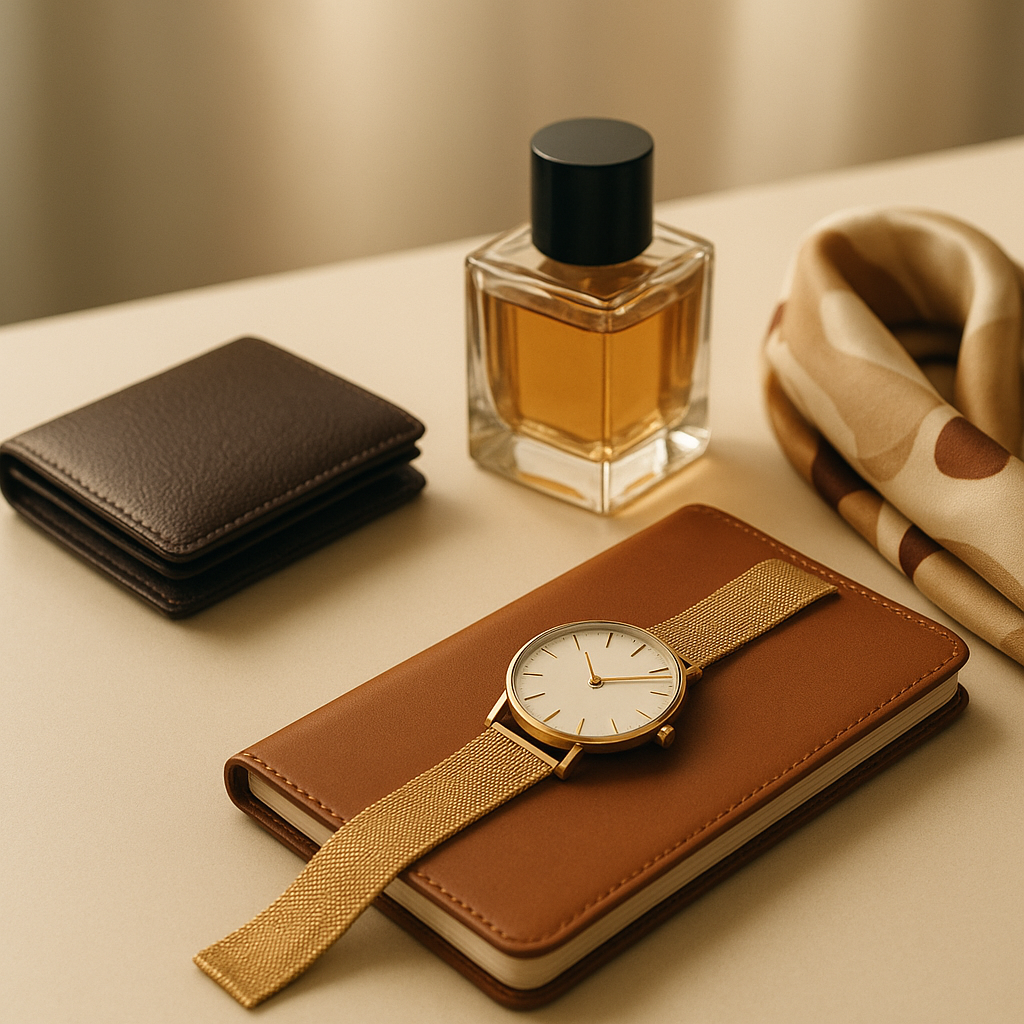
A life of luxury does not need constant upgrades. It needs attention: to the hands that made an object, the people who host a meal, the place you have chosen to visit, and the limits of your own budget. Enjoy the excellent things when they bring genuine pleasure, care for them properly, and leave room for the ordinary gifts that cannot be bought. That is a finer standard than price alone.