Luxury spa breaks for couples are more than pretty robes and cucumber water. Done well, they combine privacy, skilled therapists, serious hospitality, and a...
Luxury Spa Breaks for Couples: The Best High-End Escapes for Rest, Romance, and Real Value
Luxury spa breaks for couples are more than pretty robes and cucumber water. Done well, they combine privacy, skilled therapists, serious hospitality, and a setting that lets two people actually rest, speak, and reconnect. Done badly, they are expensive wallpaper. The difference is craft, not hype.
Key Takeaways:- The best luxury spa breaks for couples prioritize privacy, treatment quality, and the setting.
- Price alone proves nothing; service, thermal facilities, cuisine, and sleep quality matter more.
- Look for wellness programs that fit both partners, not one-size-fits-all packages.
- Good luxury is orderly, beautiful, and well made; it should feel like stewardship of time, not indulgence for its own sake.
What is a luxury spa break for couples? It is a short stay built around restoration. The room matters. The treatments matter. The food matters. The silence matters. When I’ve reviewed high-end properties, the ones worth the money understood that couples do not need theatrical nonsense; they need space, thermal water, thoughtful design, and staff who know when to disappear.
Luxury is often misused as a label for excess. Frankly, that is rubbish. Real luxury in wellness is closer to disciplined comfort: linen that feels right, a steam room that works, a massage therapist with actual skill, and a dining room that serves clean, excellent food without turning dinner into a performance. The best spa escapes respect the body and the relationship. That’s not a marketing slogan. It’s common sense.
There is also a deeper angle people rarely mention. Beauty, when it is ordered and not gaudy, lifts the mind. A calm suite, fresh flowers, stone, wood, light, and quiet all speak to something beyond utility. Even a weekend away can reflect good stewardship of time and attention, which, if we are honest, most of us squander. The point is not to consume a luxury label. The point is to choose an experience that restores what work, noise, and habit have worn down.
If you want related reading on the standards behind premium hospitality and luxury taste, see Condé Nast Traveler, Travel + Leisure, and Bloomberg Luxury. These sources are useful because they separate polish from actual quality, which, let’s be real, many glossy brochures do not.
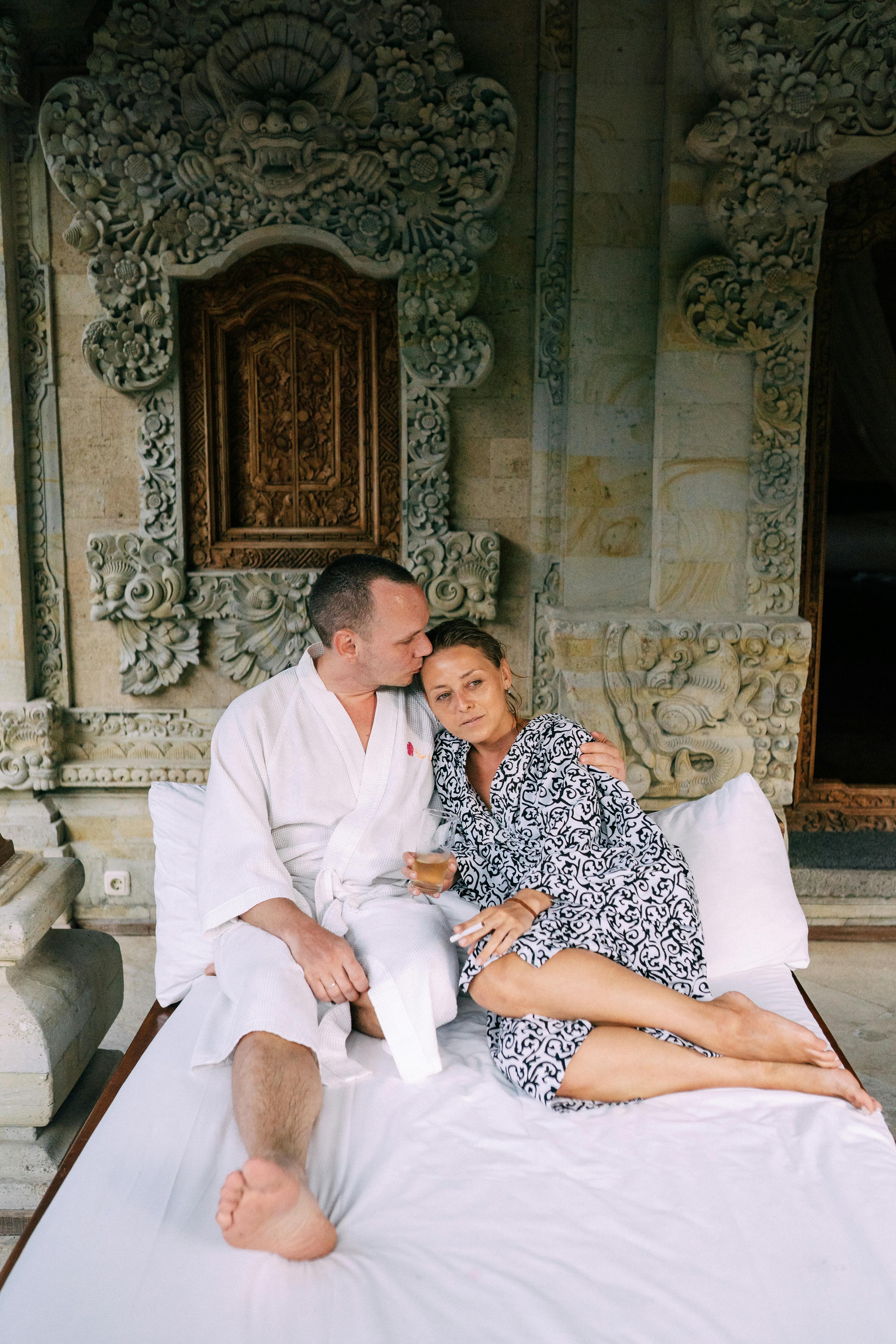
What is the topic here, exactly? It is the art of choosing a luxury spa break for two without falling for fluff. A strong couple’s spa escape includes excellent accommodations, credible wellness programming, high-end dining, and private spaces that allow conversation and rest. The hotel may be in the mountains, on the coast, or in a city, but it should feel intentionally designed for recovery. In other words, it should work.
Too many people think luxury means more things. It usually means fewer, better things. I’ve seen couples spend a fortune on a room with marble everywhere and no peace to be found. Useless. The better properties get the fundamentals right: sleep quality, temperature control, acoustics, clean air, competent service, and treatment rooms that do not feel like an afterthought. The best places also offer thermal circuits, couples suites, and cuisine that supports recovery rather than wrecking it.
A proper spa break for couples can also include wine pairings, bath rituals, yoga, guided walks, or just unstructured time. That last one is underrated. People are terrified of quiet. They fill every hour, then wonder why they still feel tired. A refined retreat gives the body what it needs and gives the mind a bit of room. That, more than velvet slippers, is what makes it luxurious.
For broader context on the standards of exceptional hotels and resorts, you can also compare spa-focused stays with destination-led hospitality at Forbes Travel Guide and Luxury Travel Advisor. Those outlets track service quality, amenities, and property standards better than most social media hype ever will.
Core Benefits and Why They Matter
Luxury spa breaks for couples are not just about pampering. They have practical value. The right one can reset sleep, reduce tension, and create actual time together without phones, errands, or social obligations. That is worth something.
- Better recovery: Thermal circuits, massage, stretching, and rest reduce physical fatigue. Not magic. Just biology.
- Improved connection: Shared downtime often leads to better conversation than another loud dinner reservation.
- Higher service standards: Good luxury properties solve problems before you notice them. That matters when you’re paying premium rates.
- Stronger sensory experience: Materials, scent, light, sound, and food are chosen carefully. The effect is calming, not flashy.
- Less decision fatigue: Packages simplify the stay so you are not spending the weekend making small choices. Bliss, frankly.
- Food that supports wellness: Fine dining at a spa resort should be thoughtful, not bloated nonsense. Clean cooking can still be rich in flavor.
The contrarian point? Not every luxury spa break is worth the money. Some are all velvet and no substance. I’ve seen “wellness” menus that look impressive but deliver weak treatments, noisy rooms, and mediocre food. That’s not wellness; that’s theater. The real value comes when the property treats rest as a craft.
If you want a sense of how premium hospitality and design affect the experience, luxury hotel coverage from Condé Nast Traveler Hotels is useful, especially when comparing suites, spa facilities, and service reputation. It is less romantic than an influencer reel, but far more honest.
There is also a moral sanity to well-made luxury. A beautiful place, properly maintained, honors the labor behind it. Housekeepers, chefs, therapists, architects, and gardeners all contribute to the experience. Good luxury recognizes that dignity. Bad luxury just poses for photos.
Step-by-Step Guide to Choosing the Right Spa Break
Picking the right couples’ spa break is simple if you stop listening to brochures. Use your eyes. Use your sense of smell. Ask direct questions. Here’s what actually works.
- Start with the goal. Decide what you want: deep rest, romance, recovery after travel, or a little of each. A treatment-heavy medical spa and a romantic seaside retreat are not the same thing.
- Check the room first. If the bedroom is noisy, awkward, or badly lit, the whole trip fails. I always look at bed quality, blackout curtains, temperature control, and soundproofing. Those are not extras. They are the spine of the stay.
- Inspect the spa facilities. Ask whether there is a thermal suite, sauna, hammam, hydrotherapy pool, or couples treatment room. A single treatment room is not enough. Neither is a shampoo parade disguised as a wellness program.
- Look at the therapists and treatment menu. A long menu is not a virtue. Skilled hands and sensible treatments matter more than thirty exotic names. I prefer properties that explain their methods clearly and do not rely on nonsense.
- Assess the dining. Spa food should be nourishing and memorable. That does not mean sad lettuce. Look for good produce, clear broth-based options, quality seafood, lean proteins, and enough flavor to make you happy.
- Check the setting. Ocean, mountains, vineyard, forest, historic city—fine. But the setting should support quiet and beauty. A view of a parking lot is not wellness. Obvious, yes? Yet people still book it.
- Compare privacy policies. Couples want time together. Find out whether the resort offers private spa suites, in-room treatments, adults-only zones, or at least separate quiet areas. Privacy is the whole point for many guests.
- Read recent reviews with a skeptical eye. Ignore vague praise. Focus on comments about service consistency, noise, cleanliness, and whether the spa actually feels luxurious. If you want a reality check on premium experiences, consult source material from Travel + Leisure spa vacations.
- Compare value, not just price. The expensive place is not automatically better. The better property usually gives you more: longer treatment time, better food, quieter rooms, and fewer irritations. Simple arithmetic.
- Book at the right pace. Arrive early. Stay long enough to unwind. A one-night sprint rarely resets anything. Two nights is the floor for many couples. Three is better if the schedule allows.

When I examine premium stays, I pay attention to friction. Every unnecessary friction point weakens the experience: slow check-in, overbooked treatment slots, poor robe stock, weak lighting, bad pillows, awkward staff interactions. Luxury should remove friction, not add a glossy layer over it.
Here’s the kicker. A truly good spa break often feels almost simple once you are there. That simplicity took work. Someone planned the movement of guests, the timing of treatments, the quiet of the lounge, and the food pacing. That is what competent hospitality looks like.
Comparison Table: Luxury Spa Breaks for Couples vs. Standard Weekend Getaways
| Feature | Luxury Spa Break for Couples | Standard Weekend Getaway |
|---|
| Room quality | Soundproofed suites, premium bedding, controlled lighting | Variable, often inconsistent |
| Spa facilities | Thermal circuits, couples suites, expert therapists | Limited treatments, basic amenities |
| Food | Fine dining or wellness-driven cuisine | Casual dining, wider quality swings |
| Privacy | Adults-only zones, private sessions, quiet spaces | Crowded public areas |
| Service | High-touch, anticipatory, discreet | Functional, sometimes rushed |
| Rest value | Designed for sleep and recovery | Often packed with activities |
| Price | Higher upfront cost | Usually cheaper |
| Overall outcome | Better restoration and connection | Fun, but less restorative |
The biggest competitor to a luxury spa break is not another spa. It is the ordinary hotel weekend. That option can be fine, but it usually lacks the consistency, privacy, and care that make couples actually feel restored. I’ve seen many travelers pay for location when they should have paid for sleep and service.
For more on properties where design and wellness meet, Architectural Digest’s spa coverage is useful. It tends to note how spaces are built, not just how they photograph. That matters more than most people admit.
Common Mistakes to Avoid
The mistakes are predictable. That is the annoying part.
- Choosing by Instagram alone. Pretty tiles do not guarantee good therapy, quiet rooms, or proper meals.
- Ignoring room acoustics. If you hear every hallway step, your “relaxing escape” is already broken.
- Booking too short a stay. One night is often just a rushed sleep in a nicer setting.
- Overstuffing the schedule. Three treatments, a hike, cocktails, and a tasting menu can become a chore.
- Assuming expensive means excellent. Sometimes it means excellent branding. Big difference.
- Not checking the wellness philosophy. Some places are spa-heavy but incoherent. Others are disciplined and calm.
- Forgetting the food. Bad meals ruin good recovery. Simple as that.
Most advice tells couples to “indulge” and “treat themselves.” That is lazy nonsense. What you want is a stay that respects human limits. Beauty should serve order, not chaos. Good hospitality reflects this by balancing comfort, restraint, and care.
I also advise against booking a property that treats every guest the same. Couples’ travel should feel tailored, even if subtly. A bottle of wine in the room, a private breakfast nook, or a late checkout can matter more than another scented candle.
One more thing. Don’t confuse luxury with moral license. Spend well, yes. But spend with gratitude and restraint. The finest hospitality feels like a gift, not an excuse for gluttony. There’s wisdom in that, and not just the glossy kind.
Frequently Asked Questions
What makes a spa break luxurious for couples?
A luxurious couples’ spa break combines privacy, strong service, excellent accommodations, serious treatments, and food that supports rest rather than wrecking it. The whole stay should feel calm and deliberate.
How many nights is ideal for a couples’ spa retreat?
Two nights is the minimum for real rest. Three nights is better if you want treatments, meals, and quiet time without feeling rushed.
Are luxury spa breaks worth the cost?
Sometimes. If the hotel offers genuine quiet, skilled therapists, thoughtful dining, and good sleep, yes. If it is all marketing and no substance, no. Don’t pay for a logo.
What should couples look for when booking a wellness hotel?
Look for room quality, treatment options, privacy, thermal facilities, dining standards, and recent guest feedback about service consistency. Those matter more than flashy package names.
Final Thought
A good luxury spa break for couples is not escape for its own sake. It is a reset. It gives two people time, silence, warmth, and space to remember that life is not meant to be lived at full speed all the time. That is a small mercy, and in a noisy age, small mercies are no small thing.
The best properties understand that beauty has structure. They place the bed where sleep comes easily, the table where conversation flows, and the treatment rooms where hands can do real work. That kind of craft is rare. It should be prized. Luxury, at its best, is not vanity; it is ordered care. And when it is used well, it reminds us that excellence in work and comfort in rest both belong to the same human calling.
For couples, that means choosing less spectacle and more substance. Choose the place where everything functions, where the staff are attentive without hovering, and where the day slows down in a way that feels almost natural. That’s the good stuff. The rest is just expensive wallpaper.