Luxury is not just expensive stuff. It is careful design, real service, and time used well. The best hotels, river cruises, fine dining rooms, and high-end...
Luxury Travel and Premium Experiences: What Actually Justifies the Price
Luxury is not just expensive stuff. It is careful design, real service, and time used well. The best hotels, river cruises, fine dining rooms, and high-end brands give more than polish; they offer comfort, privacy, and craft that ordinary products cannot fake.
Key Takeaways- Luxury is judged by execution, not logo size.
- The strongest brands combine materials, service, and restraint.
- River cruises and resorts can be smarter buys than flashier alternatives.
- Real value comes from durability, experience, and how well something serves daily life.
- Most luxury marketing talks too much and proves too little.
What is luxury? It is the deliberate use of excellent materials, skilled labor, and controlled access to create an experience that feels rare, calm, and precise. I have reviewed enough premium goods and travel products to say this plainly: the price is not the point; the standard is. Frankly, a lot of so-called luxury is just loud packaging with a padded bill. Real luxury is quieter. It is a hand-finished case, a suite with thoughtful acoustics, a meal cooked with discipline, a watch with mechanical honesty, or a river cruise that removes friction without pretending to be a miracle.
Luxury goods cover watches, jewelry, handbags, fashion, automotive, design, spirits, home, and travel. In each category, the same rules apply: materials matter, craftsmanship matter, service matters, and consistency matters. A brand can have heritage, sure, but heritage alone does not make an object worth owning. If the stitching is sloppy, the movement is off, or the concierge treats guests like inventory, the whole pitch collapses. Beauty has moral weight here too. When work is done well—clean lines, patient finishing, durable construction—it reflects the dignity of labor and a proper respect for gifts entrusted to us. That sounds lofty, but it is also practical.
Luxury travel, especially, shows the difference between performance and substance. A place like the Bürgenstock Resort and Alpine Spa works because it pairs location, architecture, wellness, and service in a way that feels composed rather than desperate. The same is true for top river cruise lines, where the best operators focus on intimate scale, shore access, excellent dining, and low-drama logistics. When I compare these experiences with crowded mega-resorts or overpromising cruise products, the winner is obvious. Less noise. Better flow. More room to breathe.
That does not mean every expensive thing is sensible. It means you should ask what you are paying for. Is it craftsmanship? Is it time saved? Is it quiet? Is it privacy? Is it a meal worth remembering in six months? Those questions cut through the nonsense. And yes, luxury can be worth it when it respects the person using it rather than merely flattering the ego.
What is luxury?
Luxury means disciplined quality, not just high prices or shiny branding. It is the result of better materials, deeper skill, and tighter quality control, whether the object is a timepiece, a handbag, a hotel suite, or a tasting menu. I’m skeptical by nature, and I think that helps here. Most luxury marketing is pretentious nonsense until the product proves itself. The proof is in the stitching, the service cadence, the acoustics, the hand feel, the way light hits a surface, and whether the experience still feels good after the first five minutes.
In watches, luxury often shows up through finishing, movement architecture, complications, and heritage. In hotels and resorts, it appears through privacy, bedding, sound control, staff training, and location. In travel, especially river cruising, it shows up in efficient shore access, small-ship intimacy, and dining that treats guests like adults. The best brands across categories understand restraint. They do not cram every possible feature into the product. They choose what matters and execute it cleanly. That is harder than it sounds.
I’ve reviewed luxury brands for years, and here’s what actually separates the real thing from the impostors: the product continues to reward use. It does not become irritating after a week. It does not shout for attention. It does its job with grace. That matters because beauty, properly understood, is not vanity. It points beyond itself. A well-made room or object can lift a person’s attention toward order, proportion, and care. There is something right about that. Not sanctimonious. Just true.
Luxury also lives in the details people usually ignore. The zipper pull on a handbag. The weave of a sheet set. The mineral balance of a wine list. The spacing of a dining room. The way staff remember your name without acting like a sales team in uniforms. When those details are handled with competence, the whole experience rises. When they are not, the brand becomes theater. And theater gets old fast.
If you want a useful definition, use this: luxury is the best available answer to a specific human need when cost is not the only concern. That can mean comfort, quiet, rarity, speed, artistry, or longevity. Sometimes it means all of them. Sometimes it just means one thing done properly. That is enough.
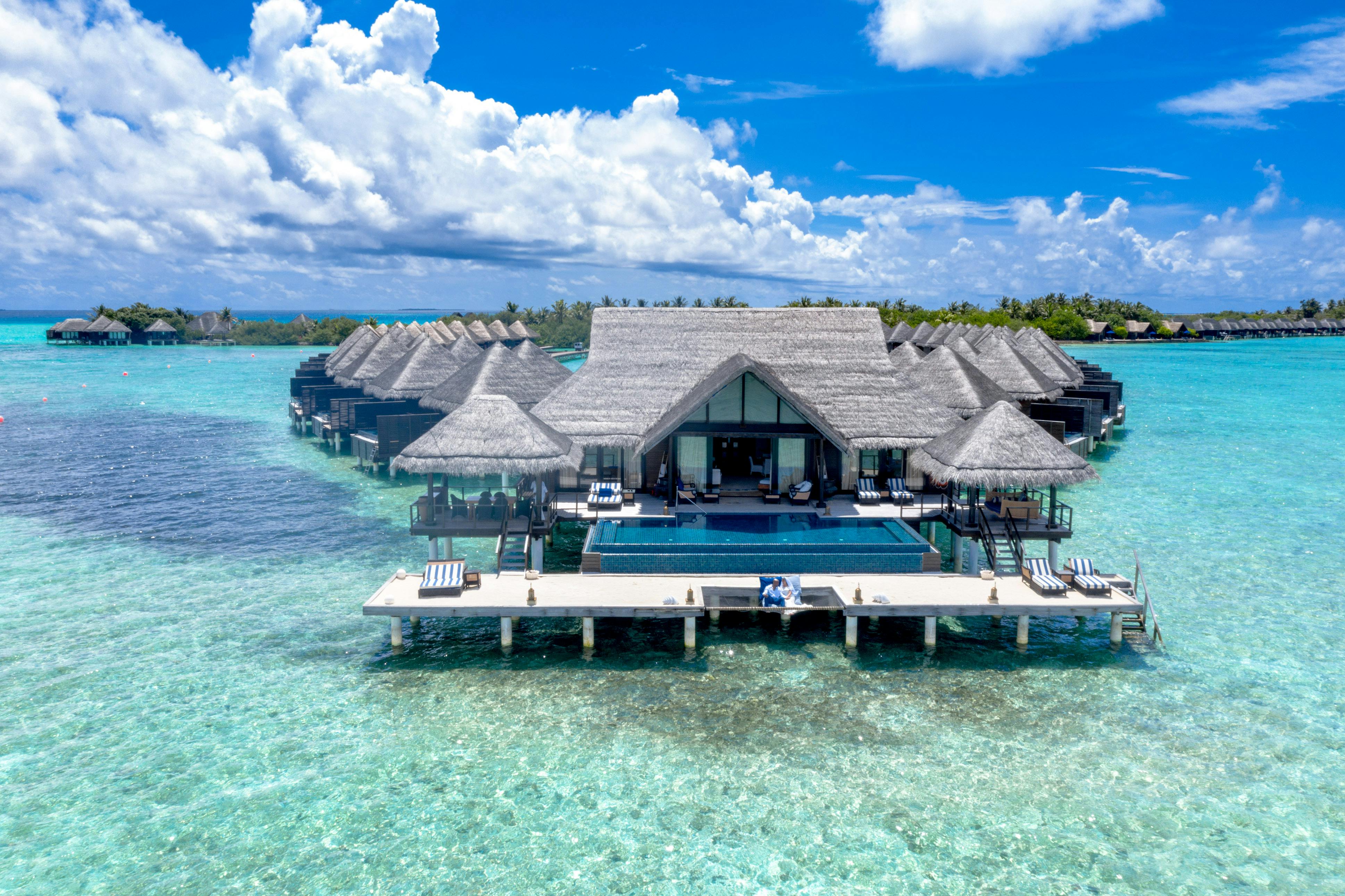
Core benefits and importance
Luxury matters because it changes the way people use time, objects, and space. A poor purchase wastes both money and attention. A smart premium purchase reduces friction and improves daily life. That is the basic calculation. Everything else is frosting.
- Better materials and finish: Solid metals, fine leather, high-grade textiles, polished stone, and precise engineering last longer and feel better in use.
- Stronger longevity: Well-made items often outlive cheaper substitutes, which makes them more sensible over time.
- Superior service: Good luxury brands solve problems quickly, which matters when something goes wrong.
- Emotional satisfaction: A fine object or a memorable trip can mark a milestone in a way disposable items never will.
- Status with discipline: Yes, signaling exists. Pretending otherwise is foolish. The question is whether the signal is backed by substance.
- Better use of time: Premium travel and hospitality cut stress, shorten lines, and remove hassles that cheap options leave behind.
Here’s the kicker: people often assume luxury is wasteful because they only see the sticker price. That is lazy analysis. A well-built watch that can be serviced for decades, a resort that eliminates logistical headaches, or a handbag that survives heavy use can deliver better total value than a “budget” alternative that falls apart or annoys you every month. I’m not saying premium always wins. I am saying the comparison needs adult math, not slogans.
There is also a human reason luxury endures. People are not machines. We respond to texture, scent, light, sound, and proportion. Fine dining understands this. So do the best hotels and resorts. So does a properly finished interior, or a watch dial that balances clarity and depth. These things matter because they acknowledge the dignity of the person using them. That is a serious point, even if marketers would rather dress it up in nonsense about “aspirational living.”
And let’s be real: the best premium experiences often create memories that outlast the object. A river cruise through Europe, a mountain spa stay, a meal that is technically exact but still warm and humane—those are not just pleasures. They are ordered experiences that mark time well. A wise person does not worship them. He or she simply recognizes that good things can be received with gratitude rather than guilt.
For broader context on premium travel standards, compare Condé Nast Traveler coverage of top hotels with the more product-focused approach at Robb Report. For river cruising specifically, Luxury Travel Advisor often tracks service and itinerary differences that matter more than glossy ad copy. That is the sort of reading that helps you separate the polished from the merely expensive.

Step-by-step guide to selecting luxury well
Buying luxury well is not mystical. It is methodical. If you skip the method, you end up paying extra for ego. That happens constantly.
- Define the real use case. Daily wear, business travel, family celebration, investment, or occasional indulgence. If you do not know the use, you do not know the right product.
- Inspect the quality signals. Look for materials, finishing, provenance, construction, and service support. A beautiful brochure means nothing if the stitching fails or the staff vanish after payment.
- Compare total ownership costs. Maintenance, repairs, cleaning, insurance, and depreciation matter. A luxury watch with strong service support can be a better hold than a cheaper item with no repair path.
- Check reputation from credible sources. Read sources like Bürgenstock Resort and Alpine Spa for direct property details, plus independent reviews from Condé Nast Traveler and Robb Report.
- Test comfort and fit. If it is a bag, wear it. If it is a suite, check the bed, the acoustics, and the bathroom. If it is a restaurant, study the menu pacing and wine pairing logic.
- Ignore hype that cannot survive scrutiny. If the sales pitch is louder than the product, walk away. Simple as that.
When I evaluate luxury purchases, I ask three annoying questions: Will I still like this in five years? Can it be serviced? Does it perform better than the alternatives in ways I can actually feel? Those questions remove most bad options immediately. They also reveal the brands that respect the customer rather than the customer’s insecurity.
For travel, the process is similar. Compare privacy, transfer logistics, room configuration, dining quality, and staff-to-guest ratio. A gorgeous lobby does not excuse a terrible sleep. A scenic route does not excuse clumsy timing. A cruise line that gets the little things right—embarkation, shore calls, evening service, shore excursions—can outperform a larger, more famous competitor that mainly sells varnish. That is not theory. That is common sense.
For goods, focus on finishing and repairability. A good watch should have a clear service network. A fine leather bag should age well, not peel like cheap paint. Jewelry should be made with sound setting work, not just sparkle. Home goods should feel substantial, not fragile. And in all of it, you should notice the dignity of workmanship. That is the subtle moral thread people often miss.
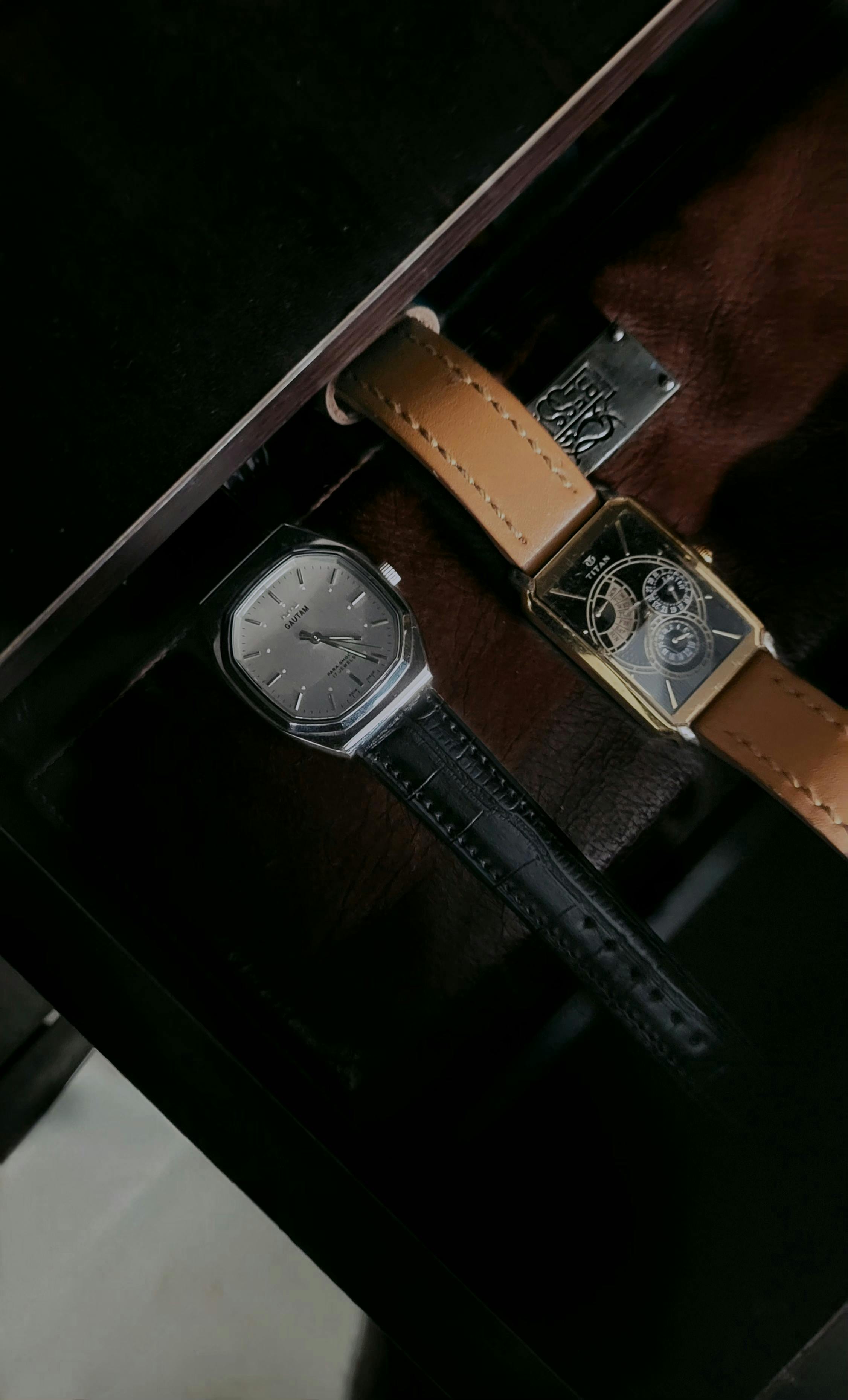
Comparison table
People often compare luxury to the cheapest alternative, which is usually the wrong fight. The real competitor is the best non-luxury option. That is where the math gets honest.
| Category | Luxury option | Biggest competitor | What really matters |
|---|
| Luxury goods | Craftsmanship, materials, aftercare | Mass-market premium brands | Durability, finishing, service |
| High-end brands | Consistency, heritage, recognition | Fashionable label-driven brands | Trust, resale, identity fit |
| Luxury travel | Privacy, access, quiet efficiency | Large upscale resorts or cruises | Sleep quality, logistics, staff skill |
| Fine dining | Technique, sourcing, restraint | Trend-driven tasting menus | Flavor balance, pacing, memory |
| Premium experiences | Rare access, seamless execution | Mass-market “VIP” packages | Authenticity, comfort, usefulness |
The table makes one thing plain. Luxury is not simply “more.” It is better in specific, measurable ways. If those ways do not exist, the price is a vanity tax. Period.
That is why places like the Bürgenstock Resort matter as reference points. They show how architecture, view, wellness, and service can combine without shouting. I prefer that to theatrical excess. Quiet excellence ages better. It also tends to serve human beings more honestly, which is no small thing in a market full of bluff and glitter.
Common mistakes to avoid
The first mistake is treating luxury as a visual costume. If it looks expensive in photographs, people assume it is good. That is nonsense. I have seen plenty of beautiful-looking products and properties that were clumsy in use. Pretty is not the same as precise.
The second mistake is buying for social proof. If your only reason for a purchase is that other people will recognize it, you are renting someone else’s opinion. That is a bad habit. A wiser approach is to buy what supports your life and what you will still respect when the noise dies down.
The third mistake is ignoring maintenance and support. Luxury items often require service, cleaning, and care. If a brand has weak repair channels, the initial thrill fades fast. That applies to watches, luggage, high-end cars, and even hotel memberships. Fancy is not enough. There must be infrastructure.
The fourth mistake is overpaying for “exclusive” branding without checking substance. A lot of marketing uses scarcity language when the real difference is just small scale. Sometimes small scale is valuable. Sometimes it is just a smaller room with a larger bill. I remain unconvinced by empty exclusivity.
The fifth mistake is believing expensive dining automatically means excellence. Good food requires discipline, not just rare ingredients or foam on a plate. A great room is balanced. The kitchen knows when to stop. The staff doesn’t perform for the camera. The meal serves the guest, not the chef’s ego. That matters more than people admit.
And yes, there is a deeper error underneath all of this: forgetting stewardship. Beautiful things should be used responsibly. Luxury can be a proper enjoyment of the goods of creation when it is measured, grateful, and ordered toward real human good. That sounds old-fashioned because it is old-fashioned. It also happens to be right.
Frequently asked questions
What makes a luxury product worth the money?
Usually the materials, workmanship, service network, longevity, and the way it improves daily use. If those are weak, the price is just theater.
Are luxury travel experiences better than standard ones?
Often yes, but only when the operator gets the fundamentals right: privacy, comfort, staff training, timing, and food. A fancy brochure does not count.
Do luxury goods hold value?
Some do. Select watches, fine jewelry, and certain handbags can retain value, but many items depreciate quickly. Buy for use first, resale second.
How do I spot fake luxury?
Look for poor finishing, inconsistent branding, weak materials, vague provenance, and a seller who relies on volume instead of specifics. Real quality can usually explain itself.
For more on premium hospitality and travel standards, see Bürgenstock Resort and Alpine Spa, Condé Nast Traveler, and Luxury Travel Advisor. They are not perfect, but they give you enough signal to sort out the fluff.
Final thought: luxury is only worth defending when it serves truth, beauty, and human scale. That sounds almost too neat, but there it is. The best objects and experiences do not make a person vain; they make negligence look shabby. A well-made watch, a calm mountain resort, a meal prepared with patience, or a river cruise done properly can remind us that excellence is a form of respect. Not worship. Respect. And in a noisy market, that distinction matters.