<strong>Luxury travel experiences</strong> put <strong>craftsmanship</strong> and deliberate curation front and center.
Luxury Travel Experiences: How Fine Dining, High-End Brands, and Premium Goods Define Exceptional Journeys
Luxury travel experiences put craftsmanship and deliberate curation front and center.
Long, thoughtful design choices, slow-cooked menus, hand-stitched leather, and tailored service combine sensory detail with practical durability, offering travelers more than status—true aesthetic and tactile reward that can last decades when stewarded properly.
Agree?
Key Takeaways:
- Luxury travel blends fine dining, high-end brands, and curated experiences to create lasting memories.
- Craftsmanship, heritage, materials, and attention to detail determine value more than price alone.
- Choose experiences that reward stewardship and communal enjoyment over mere conspicuous consumption.
What is a Luxury Travel Experience?
Luxury travel experience means a trip or occasion where the primary value is quality of encounter rather than quantity of activities.
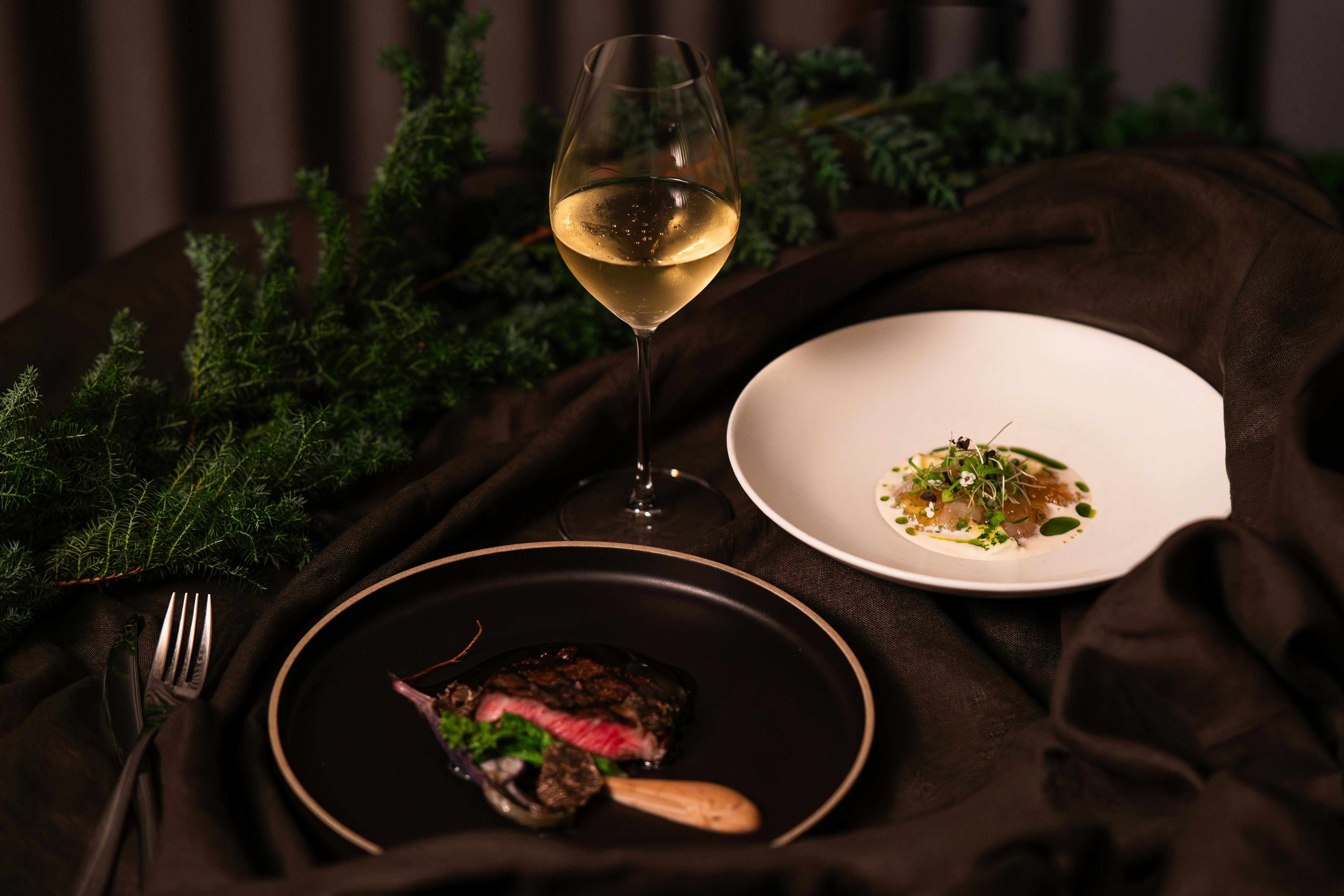
These experiences are assembled from expert service, rare materials, thoughtful design, and local authenticity—whether that be tasting Sea Tiger prawns at an intimate coastal restaurant or sleeping in a suites-only resort that sources linens from artisanal mills—and they favor depth over speed.
Want to know why the price tag matters?
A true luxury travel experience centers on craftsmanship, heritage, and measurable service standards, not just a brand name on a door.
Look for provenance in menus, provenance in materials—like vegetable-tanned leather in handbags or hand-polished casework on a watch—and the presence of trained human artisans who maintain those objects and experiences, because that is what creates resonance and keeps an item or moment useful and beautiful for years.
I have reviewed dozens of resorts and restaurants, and here's what actually justifies a premium: consistent quality, repairability, traceable origins, and service that anticipates needs without being intrusive.
When planners speak of a hotel or a restaurant as 'special', they usually mean it respects local culture and uses local produce in refined ways.
For example, a Malabar-inspired menu that highlights Malaysian produce, such as Sea Tiger prawns and slow-cooked Beef Pal Kappa, is meaningful when the chef sources responsibly and presents dishes for communal dining, because that form of eating reinforces social dignity and shared gratitude for good work.
Theologically speaking, the impulse to honor creation through careful preparation and shared feasting is quietly consonant with a Catholic view of beauty and stewardship.
Core Benefits and Importance of Luxury Goods and Premium Experiences
Luxury is not merely conspicuous display.
Real luxury offers superior durability, repairability, and emotional resonance, which together create return-on-use that outlives flash purchases.
Right?
- Craftsmanship over marketing. Handmade finishes, precise watch complications, and well-constructed handbags matter more than aggressive branding, because they determine how an object performs and how it ages.
- Heritage and provenance. Knowing the story of a maker or a vineyard—or the history behind a dish—adds layers of meaning to consumption, especially in travel, where cultural context is the main currency.
- Materials and maintenance. Fine watches use stable alloys and sapphire crystals; jewelry uses responsibly sourced gemstones and well-set settings; fashion items use sturdy construction and high-quality textiles that can be repaired.
- Investment value and resale. Some goods have demonstrable investment value because their scarcity, condition, and provenance are verifiable, but most purchases provide aesthetic returns instead.
- Experience design and communal dining. In travel and dining, well-designed communal meals—like a menu built for sharing—create memories that single courses cannot.
Step-by-Step Guide to Selecting Luxury Goods and Experiences
1. Start with purpose.
Define whether you want functional durability, social signaling, investment upside, or sensory pleasure, because each motive points to different choices, materials, and price thresholds.
Got that?
2. Inspect provenance.
Ask where the material comes from, how artisans were paid, and whether the brand offers repair services—details that signal long-term value over short-term flash.
I always request a brand's repair policy and third-party sourcing statements before I commit to a purchase.
3. Prioritize repairability.
Choose products with accessible servicing options—watchmakers with authorized service centers, jewelers who can re-polish and re-set, and handbag lines with refurbishment programs—because true luxury is meant to be kept, maintained, and passed on.
Want longevity?
4. Taste local.
When traveling, pick restaurants and experiences that use local produce and traditional techniques but present them through a refined lens, such as a Malabar-inspired kitchen that adapts Malaysian ingredients into composed plates for sharing.
That practical approach supports community and enhances authenticity.
5. Balance novelty and heritage.
Limit impulse buys that rely on hype and prioritize items from houses with documented history and consistent quality, while still allowing curated discoveries that reflect your personal taste.
A smart mix works best.
6. Check for transparency.
Evaluate brands by how much they disclose: production locations, artisan partnerships, material certifications, and environmental policies; opacity is a red flag.
I refuse to buy items from labels that hide their making.
7. Budget for upkeep.
Remember the ongoing costs: watch servicing, jewelry insurance, re-lining of handbags, and annual trips for wine storage checks or clothing tailoring—these are real and should be included in your total cost.
Ready to factor that in?
8. Consider communally oriented dining.
Seek out restaurants designed for shared plates and conversation when traveling, because those meals are often the most memorable and morally defensible uses of dining budgets—sustaining local producers and celebrating good work.
Who wouldn’t prefer that?
Comparison Table
Below is a simple comparison between Luxury Travel Experiences and their biggest competitor in the mass market space.
| Feature | Luxury Travel Experiences | Mass Market Travel |
|---|---:|---:|
| **Quality of materials** | High: artisanal linens, bespoke furniture, rare spices | Low–Medium: mass textiles, generic furnishings |
| **Service model** | Anticipatory, personalized, often multi-lingual | Standardized, transaction-focused |
| **Culinary sourcing** | Local, seasonal, traceable (e.g., Malaysian produce, Sea Tiger prawns) | Global supply chains, limited traceability |
| **Longevity of goods** | Repairable, maintainable, investment potential | Disposable, short lifespan |
| **Emphasis** | Craftsmanship, heritage, communal experience | Convenience, price, speed |
Common Mistakes to Avoid
People often chase logos instead of substance.
The loudest brand is not always the best-made product, and the priciest room is not always the most meaningful evening.
Agree?
- Mistake: buying for show instead of use. Too many buyers prioritize immediate recognition and social signaling, which often leads to poorly matched purchases that sit unused.
- Mistake: ignoring service networks. Luxury goods often require professional maintenance; if a brand has no repair network, the object will degrade and lose value faster than you expect.
- Mistake: undervaluing culinary context. Dining in a famous restaurant without understanding its sourcing or its service culture can be hollow—restaurants with local procurement and communal plates offer richer, more ethical experiences.
- Mistake: equating rarity with worth. Rarity without provenance or craftsmanship is often speculation dressed up as taste.
- Mistake: skipping the sensory test. Never buy luxury items without touching, wearing, or sampling where possible.
Frequently Asked Questions
Q: Are luxury goods worth the price?
A: Sometimes. If an item offers craftsmanship, repairability, clear provenance, and personal pleasure, it can be worth the premium; if it's marketing-heavy and maintenance-poor, then no.
Q: How do I find authentic fine dining when traveling?
A: Look for restaurants that publish sourcing details, partner with local producers, and serve food designed for sharing or with narrative menus rooted in place—like a Malabar-inspired menu that features regional produce.
Q: How should I care for high-end purchases?
A: Follow manufacturer service intervals, buy insurance for valuables, use authorized refurbishers, and store items correctly—watches in humidity-controlled boxes, jewelry in soft cases, and garments in breathable wardrobe.
Q: Can luxury travel be ethical?
A: Yes. Ethical luxury chooses traceable supply chains, fair artisan pay, seasonal menus, and experiences that contribute to local economies.
Final Thought
Luxury should be slow and sanctifying rather than fast and hollow.
Quality honors the maker and the material, it rewards repair and repeated use, and it often supports small producers and communities rather than anonymous factories.
This is partly why I remain skeptical of loud luxury marketing that replaces substance with spectacle; the truth is that good work and beauty are worth paying for when they are real.
When you select experiences and goods that celebrate craftsmanship, heritage, and shared meals—think Sea Tiger prawns at a thoughtfully run coastal restaurant or a hand-stitched handbag that can be refurbished—you are exercising a kind of stewardship that is quietly virtuous.
Enjoy well and spend wisely.

Explore related categories: Watches, Hotels, Spirits.
Further reading and reporting: Condé Nast Traveler on culinary travel, Robb Report on luxury travel, Forbes Travel.
{
  "@context": "https://schema.org",
  "@type": "FAQPage",
  "mainEntity": [
    {
      "@type": "Question",
      "name": "Are luxury goods worth the price?",
      "acceptedAnswer": {
        "@type": "Answer",
        "text": "If an item offers craftsmanship, repairability, clear provenance, and personal pleasure, it can be worth the premium; if it's marketing-heavy and maintenance-poor, then no."
      }
    },
    {
      "@type": "Question",
      "name": "How do I find authentic fine dining when traveling?",
      "acceptedAnswer": {
        "@type": "Answer",
        "text": "Look for restaurants that publish sourcing details, partner with local producers, and serve food designed for sharing or with narrative menus rooted in place. Read local reviews, not just tourist guides."
      }
    },
    {
      "@type": "Question",
      "name": "How should I care for high-end purchases?",
      "acceptedAnswer": {
        "@type": "Answer",
        "text": "Follow manufacturer service intervals, buy insurance for valuables, use authorized refurbishers, and store items correctly—watches in humidity-controlled boxes, jewelry in soft cases, garments in breathable wardrobe."
      }
    },
    {
      "@type": "Question",
      "name": "Can luxury travel be ethical?",
      "acceptedAnswer": {
        "@type": "Answer",
        "text": "Yes. Ethical luxury chooses traceable supply chains, fair artisan pay, seasonal menus, and experiences that contribute to local economies."
      }
    }
  ]
}