Dreamer Marine offers bespoke yacht ownership, charter and investment services launched at the Thailand Boat Festival in Phuket Boat Lagoon, with tailor-made...
Luxury Yacht Ownership: Dreamer Marine’s Tailor-Made Programmes, Charter and Investment in Phuket
Dreamer Marine offers bespoke yacht ownership, charter and investment services launched at the Thailand Boat Festival in Phuket Boat Lagoon, with tailor-made programmes designed for owners seeking operational ease and financial clarity.
Key Takeaways:
- Tailor-made ownership reduces hassle and increases Investment Value.
- Charter options offset running costs while preserving privacy and control.
- Proper selection emphasizes Craftsmanship, Naval Architecture, long-term Maintenance, and reputable Crew.
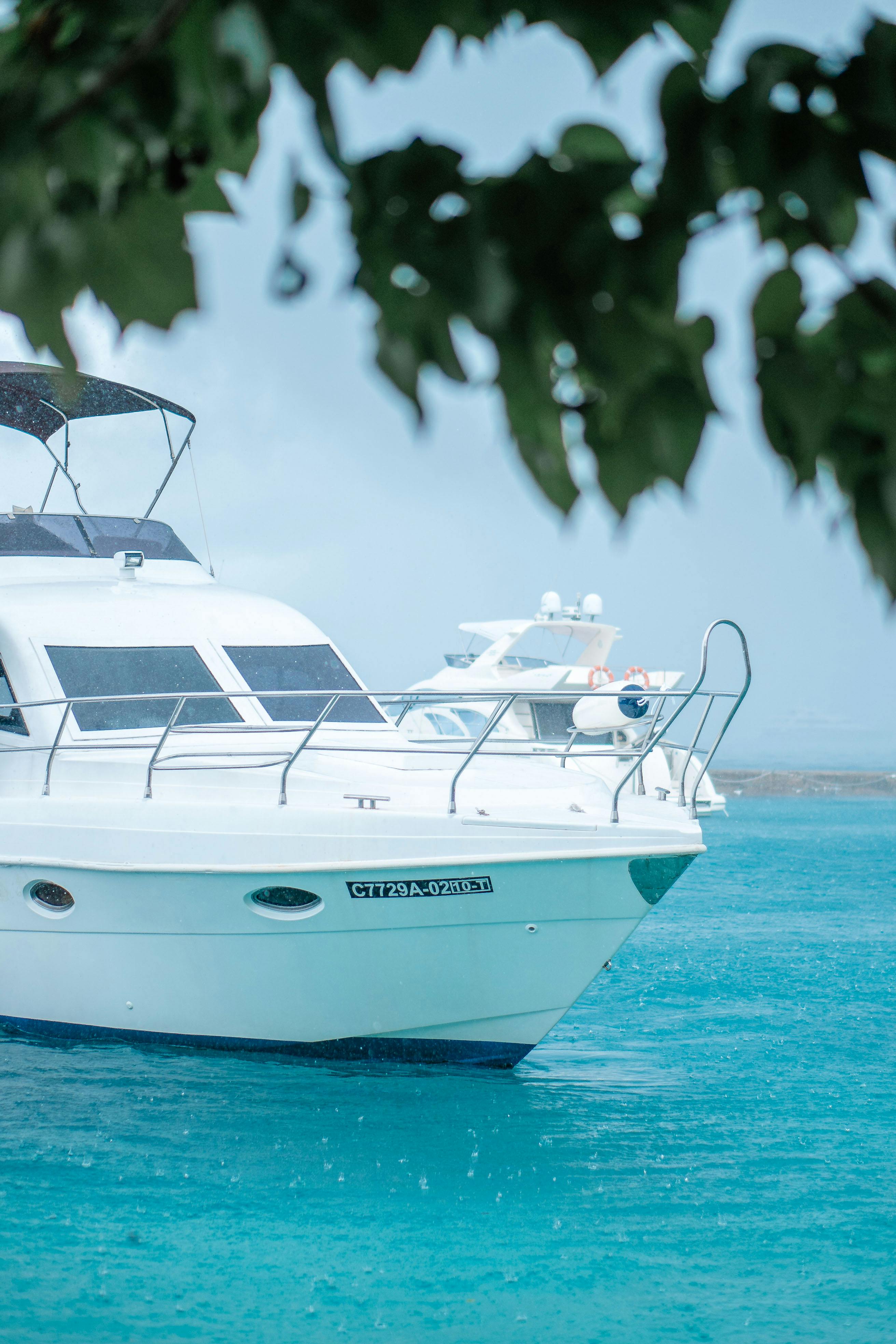
What is Luxury Yacht Ownership?
Short answer: bespoke ownership with professional management.
Luxury yacht ownership, as offered by Dreamer Marine, pairs design and Craftsmanship with structured programmes that cover legal set-up, crew recruitment, maintenance scheduling, charter placement and financial reporting, all aimed at turning pleasure and status into manageable ownership that senses real value and control.
Is luxury ownership simply a hobby or a financial decision?
Start with how you want to use the vessel.
The first practical decision is whether you want full control of a privately registered yacht, which gives you complete autonomy but increases administrative overhead, or whether you favor managed programmes that provide a buffer between the owner and day-to-day operations and allow for charter, seasonal crewing, and expert maintenance scheduling that protects resale value.
Which model fits your temperament?
In my experience, many buyers romanticize ownership based on images of effortless leisure.
However, the reality is that a yacht is a complex system involving powerplants, electrical, plumbing, safety, and comfort systems that require constant attention, and that is why assessing the vessel's build quality, materials, and the shipyard's reputation is more important than the color of varnish or the size of the sun deck.
Ready to be practical?
Core Benefits and Importance
Owning a yacht conveys freedom.
Yet the practical benefits are concrete—better access to exclusive destinations, predictable maintenance schedules, professional crew, and documented Investment Value that can be measured against market conditions and charter revenues, provided the contract and programme are well written and transparent.
Is this worth the premium?
Here’s what actually matters.
First, accelerated access to remote anchorages and private harbors creates experiences that hotel stays and private jets can't always replicate, and that exclusive access has measurable value for those who truly use the vessel rather than merely owning an objet d'art.
Value for use or value for show?
Second, a managed programme like Dreamer Marine’s can transform a high-friction asset into something that behaves more like a service, with scheduled dry-dock periods, contracted spare parts, standardized preventive maintenance, and transparent reporting that enables owners to forecast future cash flows and potential charter income.
Want predictability?
Third, the combination of curated design, **Naval Architecture**, and materials selection impacts long-term value; well-specified hulls, proven propulsion systems, fatigue-tested structures, and quality interior joinery made by skilled artisans extend service life and protect resale price, and that's craftsmanship you can count.
Do you care about resale?
Step-by-Step Guide / Selection Process
Start with realistic goals.
I examined dozens of ownership agreements and spoke with experienced brokers, naval architects, and yacht managers, and here is what actually moves the needle: clarify expected annual use, evaluate total cost of ownership including dockage and insurance, verify shipyard credentials and materials, insist on third-party surveys, and write charter and maintenance clauses that protect resale value.
Ready to pick a boat?
1) Define use and lifestyle.
Decide how many weeks per year you will use the yacht, how many guests you’ll host, and what regions you will visit—South East Asia, the Mediterranean, or transoceanic passages all impose different design and logistic requirements on hull form, fuel capacity, and crew size.
Have a plan?
2) Set a realistic budget for Total Cost of Ownership (TCO).
TCO must include berthing or anchor fees, fuel, crew salaries, insurance, spares, periodic haul-outs, regulatory compliance, and an allowance for unexpected repairs; neglecting even one of these categories produces epic cost overruns and grief later.
Got numbers?
3) Choose the right build and **Materials**.
Look for builders with proven structural records, and favor materials and systems that are well-supported internationally, because exotic specifications may look clever on paper but become logistic nightmares when parts are needed in remote anchorages.
Want reliability?
4) Insist on third-party surveys and sea trials.
A qualified marine surveyor will identify issues in hull integrity, alignment, systems integration and safety equipment; don't sign until you have a clean report and a follow-up plan for any corrective work.
Will you get the paperwork?
5) Build contract terms that protect you.
Contracts should define service levels, downtime remedies, charter revenue allocation, maintenance windows, and transparent accounting; I’ve seen owners get burned by vague language about "management" that really meant unilateral broker decisions, so clarity is everything.
Want clear terms?
6) Choose the right manager for charter and operations.
A manager should have a proven track record in the charter market, strong local agent networks, and a willingness to provide detailed reports and KPIs such as charter nights, revenue per available night, average daily rate, and operating expense ratios; without this the numbers are guesswork.
Ready to hire?
7) Inspect crew quality and culture.
Request crew CVs, verify certifications, run background checks, and understand the crew rotation plan and rehiring policies, because temperament and training affect both safety and guest experience—and that in turn affects charter demand and resale.
Want competent crew?
8) Think about exit strategy.
Document maintenance history, keep up cosmetic refurbishments, and align refit timing with market cycles and demand seasons so that resale occurs when the asset appears both well-cared-for and tightly marketed.
Do you have a plan B?
Comparison Table
Below is a direct comparison in markdown that helps visualize models and their trade-offs.
| Feature |
Dreamer Marine Tailor-Made Ownership |
Fractional Ownership / Traditional Broker |
| Ownership Model |
Full ownership with managed services |
Shared ownership or brokerage-only models |
| Charter Integration |
Managed charter programs to offset costs |
Charter often ad hoc or restricted |
| Maintenance |
Scheduled, managed, documented |
Variable; owner dependent |
| Crew & Ops |
Professional recruitment and oversight |
Owner hires or relies on broker's network |
| Resale / Investment Value |
Active management aiming to protect value |
Less consistent value protection |
| Transparency |
Regular financial and operational reporting |
Often limited reporting |
| Ideal Buyer |
Owners wanting control with low hassle |
Buyers seeking lower upfront cost |

Common Mistakes to Avoid
Buying for the wrong reasons is common.
Most buyers choose a model they saw in a glossy ad rather than one that fits their calendars, budgets, and temperament, and the result is years of frustration and oversized bills; that's avoidable if you focus on real numbers rather than brand vanity.
Want to dodge regret?
Mistake one: underestimating running costs.
Many people factor purchase price but ignore annual operating expenses which can total 10% or more of the yacht’s value per year, and that oversight turns a pride asset into a liability quickly.
Sound familiar?
Mistake two: ignoring resale pathways.
Think about the follow buyer and market demand in regions you frequent; certain styles, layouts, or exotic systems can narrow buyers' appeal and erode value, so prioritize universal features and reputable systems over one-off designer flourishes.
Think ahead.
Mistake three: trusting verbal promises.
Only written, legally reviewed agreements will protect you from ambiguous management fees, unrecorded repairs, or unilateral decisions by a broker; insist on audited financial statements if your yacht will operate in charter.
Demand documentation.
Frequently Asked Questions
Q: How does chartering offset ownership costs?
A: Charter revenue can cover management, maintenance and some depreciation when the programme is properly marketed and the calendar maximized during high season.
Q: What should I ask about crew and operations?
A: Ask for crew CVs, background checks, certifications, and the management company’s escalation process for emergencies.
Q: Is yacht ownership a good investment?
A: It is rarely a pure capital-growth play; it is best seen as a premium asset that provides lifestyle value and, when managed well, partial cost recovery via charter.
Final Thought
Beauty matters.
In the Catholic sense that beauty points beyond itself, a well-built yacht and the dignity of craftsmanship celebrate human excellence when stewarded responsibly, and Dreamer Marine’s programme, if executed with transparency and solid contracts, can conserve that beauty without turning it into an endless headache.
That's the point.
If you plan to act, do so with prudence.
Visit the Thailand Boat Festival at Phuket Boat Lagoon to inspect offerings in person, compare managers, and demand clear KPIs, because the sea tolerates no shortcuts and good stewardship rewards the owner with reliable performance and memorable voyages; for more practical buying advice see Boat International’s guide and market reports and Superyacht Times insights which I used while researching ownership models.
Want practical sources?
Sources and further reading:
Internal resources you may find useful: luxury travel, luxury hotels, exclusive destinations.
{
  "@context": "https://schema.org",
  "@type": "FAQPage",
  "mainEntity": [
    {
      "@type": "Question",
      "name": "How does chartering offset ownership costs?",
      "acceptedAnswer": {
        "@type": "Answer",
        "text": "Charter revenue can cover management, maintenance and some depreciation when the programme is properly marketed and the calendar maximized during high season."
      }
    },
    {
      "@type": "Question",
      "name": "What should I ask about crew and operations?",
      "acceptedAnswer": {
        "@type": "Answer",
        "text": "Ask for crew CVs, background checks, certifications, and the management company’s escalation process for emergencies."
      }
    },
    {
      "@type": "Question",
      "name": "Is yacht ownership a good investment?",
      "acceptedAnswer": {
        "@type": "Answer",
        "text": "It is rarely a pure capital-growth play; it is best seen as a premium asset that provides lifestyle value and, when managed well, partial cost recovery via charter."
      }
    }
  ]
}