Most valuable currencies are not always the most famous. Strength comes from policy, scarcity, trust, and the stubborn habit of people believing a note or coin...
Most Valuable Currencies in the World: 20 Strong Legal Tenders That Still Matter
Most valuable currencies are not always the most famous. Strength comes from policy, scarcity, trust, and the stubborn habit of people believing a note or coin will still buy something tomorrow.
Key Takeaways:- Currency value is measured against other currencies, not by how flashy a country sounds.
- Oil wealth, tight monetary policy, low inflation, and political credibility often support stronger exchange rates.
- “Strong” does not mean “best.” A pricey currency can still belong to a small economy.
- Investors, travelers, and collectors should watch stability, not headlines.
- Beauty in a currency, like beauty in craftsmanship, works best when it serves order and honest exchange.
What is the most valuable currency in the world?
The most valuable currency in the world is the one with the highest exchange rate against major benchmarks, usually the U.S. dollar. That sounds simple. It rarely is. A currency can be “valuable” because the issuing country limits supply, keeps inflation low, or benefits from export revenues, sovereign wealth, or a central bank that does not play games.
Frankly, a high exchange rate is not the same thing as economic greatness. Kuwait’s dinar, for example, often sits near the top because of carefully managed policy and the country’s oil income, not because the whole planet is suddenly buying Kuwaiti goods in bulk. That distinction matters. People mix up value, purchasing power, and national wealth all the time.
When I examined currency rankings over the years, the same pattern kept showing up: smaller economies with disciplined money management can outrank bigger, messier ones. The United Kingdom, for instance, has a globally recognized currency, but recognition is not the same as numerical strength. Switzerland’s franc, meanwhile, has long been prized for stability, which is why investors often treat it like a financial refuge when markets get ugly. See the Bank for International Settlements for broad context on global monetary systems and IMF data for the macro backdrop.
Here’s the kicker. Value is relative.
A currency may be “expensive” per unit, yet weak in the real-world sense if inflation is chewing through wages and savings. A million-dollar dinner tastes no better if the bill is merely inflated theater. The same logic applies here. A strong currency matters because it reflects institutional discipline, not because someone on social media slapped a “#luxury” label on it.
And yes, there is a quiet moral point hiding in all this. Money works because trust exists, and trust is built, painstakingly, by habits of honesty, restraint, and stewardship. That is not grandstanding. It is just how civilized exchange survives.
Core benefits and why strong currencies matter
Strong currencies matter for practical reasons, not for bragging rights. The benefits show up in travel, trade, investment, and plain old cost control, which is why serious people pay attention and the rest usually talk nonsense.
- Lower import costs: Countries with stronger currencies can buy foreign goods more cheaply, which helps businesses that rely on imported machinery, food, energy, or luxury inputs.
- Travel buying power: Travelers from strong-currency countries often get more hotel, dining, and retail value abroad. That matters when you are paying for suites, tasting menus, or a chauffeur in another currency.
- Inflation control: A disciplined currency can help reduce the pressure of imported inflation, especially for nations that rely on global commodities.
- Investor confidence: Strong and stable currencies often signal credible fiscal and monetary policy, which attracts capital and keeps markets calmer.
- Luxury consumption: High-net-worth buyers care because they buy across borders. Watches, couture, cars, and art are often priced globally, so exchange rates can swing the final bill in a very real way.
Most luxury marketing pretends price is proof. It is not. In currencies, the same confusion happens. A high nominal exchange rate is impressive to the eye, but the real question is whether the state can maintain purchasing power without turning every shop receipt into a tragedy.
Let’s be real. Some currencies are strong because the underlying economy is small, specialized, or heavily managed. That is not a flaw by itself. Small can be elegant. But it is a reminder that strength is not a trophy; it is a balance sheet outcome.
For travelers and luxury buyers, this becomes concrete fast. A room at one of the world’s best luxury hotels may look similar online, but your actual cost changes depending on your home currency. The same applies to premium dining and shopping in global hubs such as Dubai, Zurich, Singapore, or Monaco. Currency strength can make a fine experience feel almost reasonably priced, which is about as close to a miracle as finance gets.
There is also the dignity of craftsmanship in all this. Strong currencies are often supported by societies that value order, competence, and the work of building institutions that outlast a single election cycle. That kind of seriousness matters. It is not glamorous, but neither is a collapsed currency.
Step-by-step guide to identifying the strongest currencies
If you want to know which currencies are actually strong, stop listening to cocktail chatter and use a method. I have done this long enough to know that most people confuse a famous currency with a valuable one, which is sloppy thinking dressed up as confidence.
- Check the exchange rate against the U.S. dollar. Start with the most obvious benchmark. A currency trading at a high unit price versus the dollar is usually considered “valuable,” but only in nominal terms.
- Look at inflation history. Stable currencies usually belong to countries with controlled inflation, prudent central banks, and fewer policy tantrums. High inflation ruins trust faster than bad manners at a Michelin-star table.
- Study reserve assets and external income. Oil exports, financial services, sovereign wealth funds, and trade surpluses can support a currency. Kuwait, Bahrain, Oman, and Singapore each have different reasons for resilience.
- Assess political stability and credibility. Investors want predictability. A government that changes rules every five minutes does not inspire confidence, no matter how glossy the national branding.
- Compare purchasing power, not just nominal price. A currency can look strong on paper while local costs remain high or local wages lag. That is why nominal strength and real-world usefulness are related but not identical.
- Watch central bank policy. Serious monetary institutions matter. The Swiss National Bank, the Monetary Authority of Singapore, and similar bodies often influence currency durability through disciplined policy.
- Track how the currency behaves in stress. When markets get jumpy, does the currency hold up or crack? That is where you learn whether the strength is real or merely decorative.
- Use credible data sources. I rely on references such as the Bank for International Settlements, IMF country data, and central bank publications rather than viral infographics with bad math.
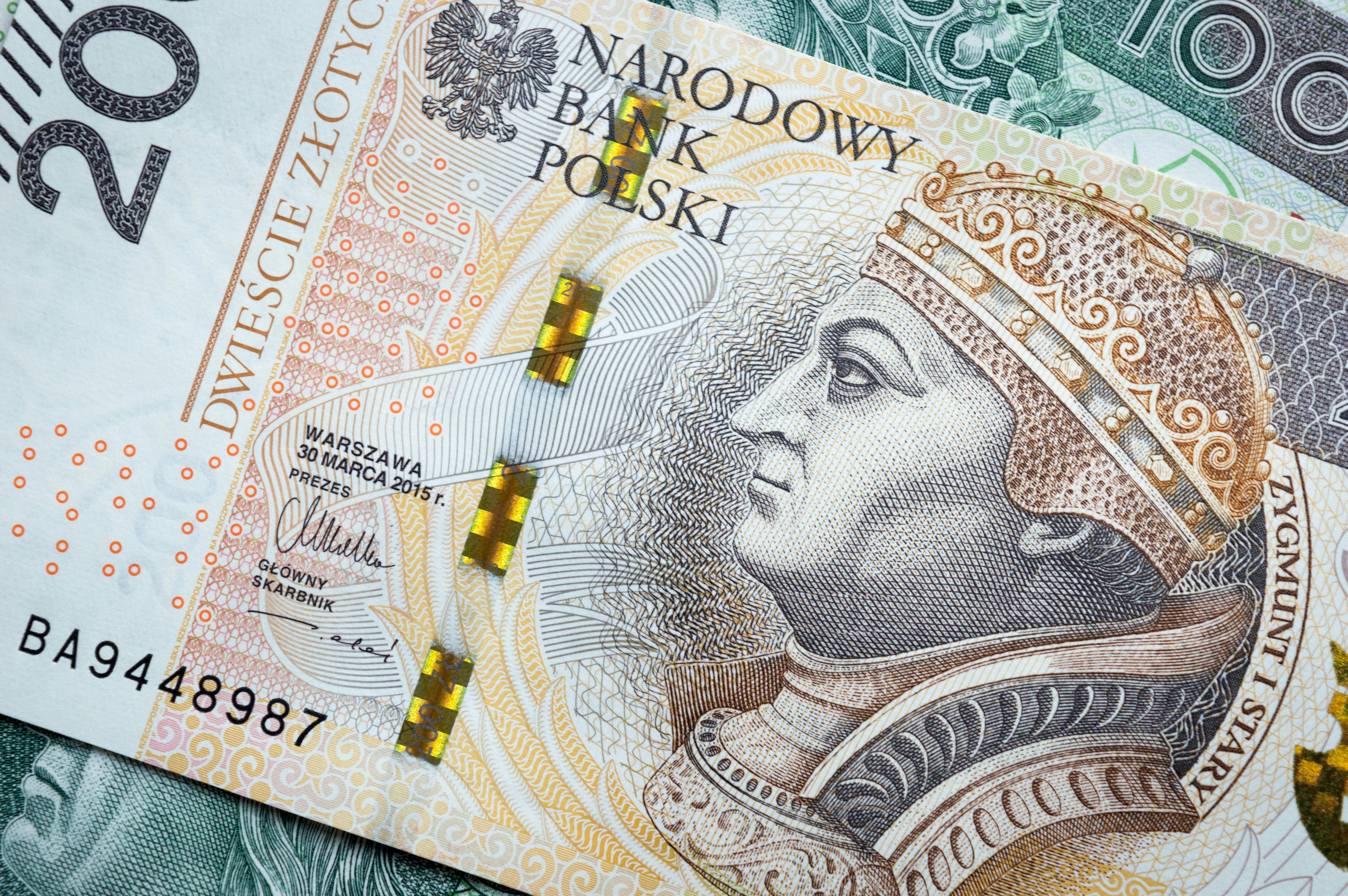
Here is the practical part. If you are a traveler, book when your home currency is strong. If you are an investor, do not chase a currency solely because it ranks high today. If you are a luxury buyer, calculate the landed price of the item, because exchange rates can make or break a purchase faster than a sales associate can say “limited allocation.”
And yes, some of this is common sense. Common sense is uncommon, which is why it keeps winning.
Comparison table: strong currencies vs. the U.S. dollar
The U.S. dollar is the world’s dominant reserve currency, but dominance is not the same thing as the highest unit value. That difference confuses people who assume “most used” means “most expensive.” It does not.
| Currency | Typical Strength vs USD | Main Support | Major Weakness | What It Means in Practice |
|---|
| Kuwaiti Dinar (KWD) | Very high | Oil revenue, peg policy | Small domestic economy | Huge purchasing power per unit |
| Bahraini Dinar (BHD) | Very high | Peg, hydrocarbons | Limited diversification | Stable but regionally exposed |
| Omani Rial (OMR) | Very high | Policy discipline, oil | Oil dependence | Strong unit value, modest float flexibility |
| Jordanian Dinar (JOD) | High | Peg, policy credibility | External dependence | Relative stability in a pressured region |
| British Pound (GBP) | Moderate-high | Deep markets, global trust | Inflation and policy swings | Valuable and widely used |
| Swiss Franc (CHF) | Moderate-high | Safe-haven status, discipline | Strong currency can hurt exporters | Preferred in times of stress |
| U.S. Dollar (USD) | Benchmark | Reserve currency role | Inflation risk, deficits | Global standard for pricing and trade |
The table shows the whole trick. A currency can beat the dollar in nominal value and still be less influential globally. The dollar’s power comes from scale, trust, and the world’s habit of invoicing in it, not from raw exchange-rate vanity. The U.S. Treasury and Federal Reserve remain essential references if you want the boring facts rather than the internet’s confetti.
That said, high-value currencies do matter a great deal in luxury travel and premium consumption. If your home currency is strong, imported watches, fine wine, art, and hotel stays can feel less punitive. If your home currency is weak, every imported pleasure gets a little more serious.
That is why wealthy travelers watch exchange rates like hawks. They understand what amateurs miss: price tags are only half the story.
Common mistakes to avoid
Most advice about currencies is a mess. People chase the wrong metric, repeat slogans, and act surprised when reality refuses to cooperate.
- Confusing value with power: A high unit price does not mean the currency dominates world finance. The dollar is still the king of volume and reserve use.
- Ignoring inflation: A currency can look strong until domestic prices start chewing it apart. Then the “value” is just accounting theater.
- Obsessing over headlines: A dramatic news cycle may move rates for a day, but serious currency strength is built over years.
- Assuming small countries are weak: Not true. Some small states run disciplined, efficient monetary systems that produce very strong currencies.
- Using only one source: Bad habit. Cross-check central banks, IMF data, and reputable market references.
Here’s what nobody tells you. A strong currency can be a blessing for imports and luxury travel, but it can also make exports less competitive. That tradeoff is real. There are no free lunches, only lunch tabs with different line items.
When I look at currency commentary, the most common error is vanity. People like rankings because rankings are easy. But the better question is: what does the currency do for ordinary people, business owners, travelers, and savers?
That is the proper standard. Not bragging rights.
There is another mistake worth naming. Some buyers assume that a strong currency automatically makes a country wealthy in a broad moral or cultural sense. It does not. Wealth without discipline can turn shallow fast. A society does best when its financial strength is matched by good stewardship, respect for labor, and a seriousness about beauty that does not slip into waste.
Frequently asked questions
What is the strongest currency in the world right now?
The Kuwaiti dinar is often ranked among the strongest by exchange rate versus the U.S. dollar. That does not mean it is the most influential globally, only that its unit value is unusually high.
Why are some currencies worth more than the U.S. dollar?
Usually because of policy choices, limited supply, low inflation, export income, or a fixed exchange arrangement. It is economics, not magic.
Is a strong currency always good?
No. It helps with imports and travel, but it can hurt exporters and make local industries less competitive. Strength cuts both ways.
Which currencies are considered safe havens?
The Swiss franc is the classic example, and the U.S. dollar also plays that role because markets trust it in stressful periods.
Can currency strength affect luxury travel?
Absolutely. Exchange rates can change the cost of hotels, dining, fashion, cars, and private experiences. A strong home currency is a quiet advantage.
Final thought
Currency strength is one of those subjects people think they understand until they have to pay for something abroad.
The truth is plain enough. The most valuable currencies in the world earn their status through discipline, credibility, and scarcity, not through advertising or national swagger, and that makes them useful indicators of how a country manages trust. In a strange way, a strong currency resembles good craftsmanship: both depend on patience, precision, and a refusal to cut corners. That is why the topic matters beyond finance. It shapes where people travel, what they buy, how they save, and whether their money still behaves like money next year.
And if you care about luxury, you should care about currency. Not because it is glamorous, but because it reveals the real cost of beauty, comfort, and excess. Responsible enjoyment of those things is not sinful; it is simply stewardship done with taste.

And honestly? That is the part most people miss.