The most valuable currencies are not always the most traded. They are the units of money that buy a surprising amount of goods and services per one unit, often...
Most Valuable Currencies in the World: 20 Strong Legal Tenders That Still Matter
The most valuable currencies are not always the most traded. They are the units of money that buy a surprising amount of goods and services per one unit, often because of low supply, strong monetary policy, or a peg that keeps the exchange rate elevated. That sounds dry. It isn’t, really. Money is power, and when a currency stays strong, it says something about discipline, confidence, and the hard arithmetic behind a nation’s economy.
Key Takeaways- Value is not the same as popularity. A currency can be expensive without being widely used.
- Oil, pegs, and policy matter. Gulf currencies often rank high because of fixed exchange rates and resource wealth.
- Strength cuts both ways. A pricey currency helps imports but can hurt exports and travel costs.
- Luxury and travel feel it first. High-value currencies change how people spend on hotels, fine dining, watches, cars, and premium experiences.
- Not all strong currencies are “better”. What matters is stability, credibility, and whether the system works.
What is the most valuable currency in the world?
A valuable currency is one that has a high exchange rate against the U.S. dollar, meaning one unit of that currency buys more dollars than most others do. Simple enough. But here’s the kicker: this does not automatically mean the country is richer, nor that the currency is superior in every practical sense. It usually reflects a mix of fixed pegs, tight monetary control, limited issuance, and in some cases natural-resource wealth.
I’ve reviewed currency rankings for years, and the same mistake keeps popping up: people confuse exchange value with economic strength. That’s sloppy thinking. A currency can be strong because the government restricts supply or because it is pegged to the dollar at a high level. The Kuwaiti dinar, for example, regularly sits near the top of most lists, not because Kuwait has the biggest economy, but because it manages its currency with strict policy and benefits from oil revenue. The Central Bank of Kuwait publishes exchange-rate information that reflects this discipline.
The same pattern appears in other Gulf currencies, including the Bahraini dinar and the Omani rial. These are legal tender, yes, but they also function as signals of policy credibility. Frankly, that matters more than the marketing copy most countries write about their money. If you want a deeper look at how government policy shapes wealth, you can also connect this idea to broader finance reporting like IMF guidance on exchange rates and market fundamentals.
Strong currency does not mean a perfect currency. It means a currency that holds its ground. And in global commerce, that is worth paying attention to.
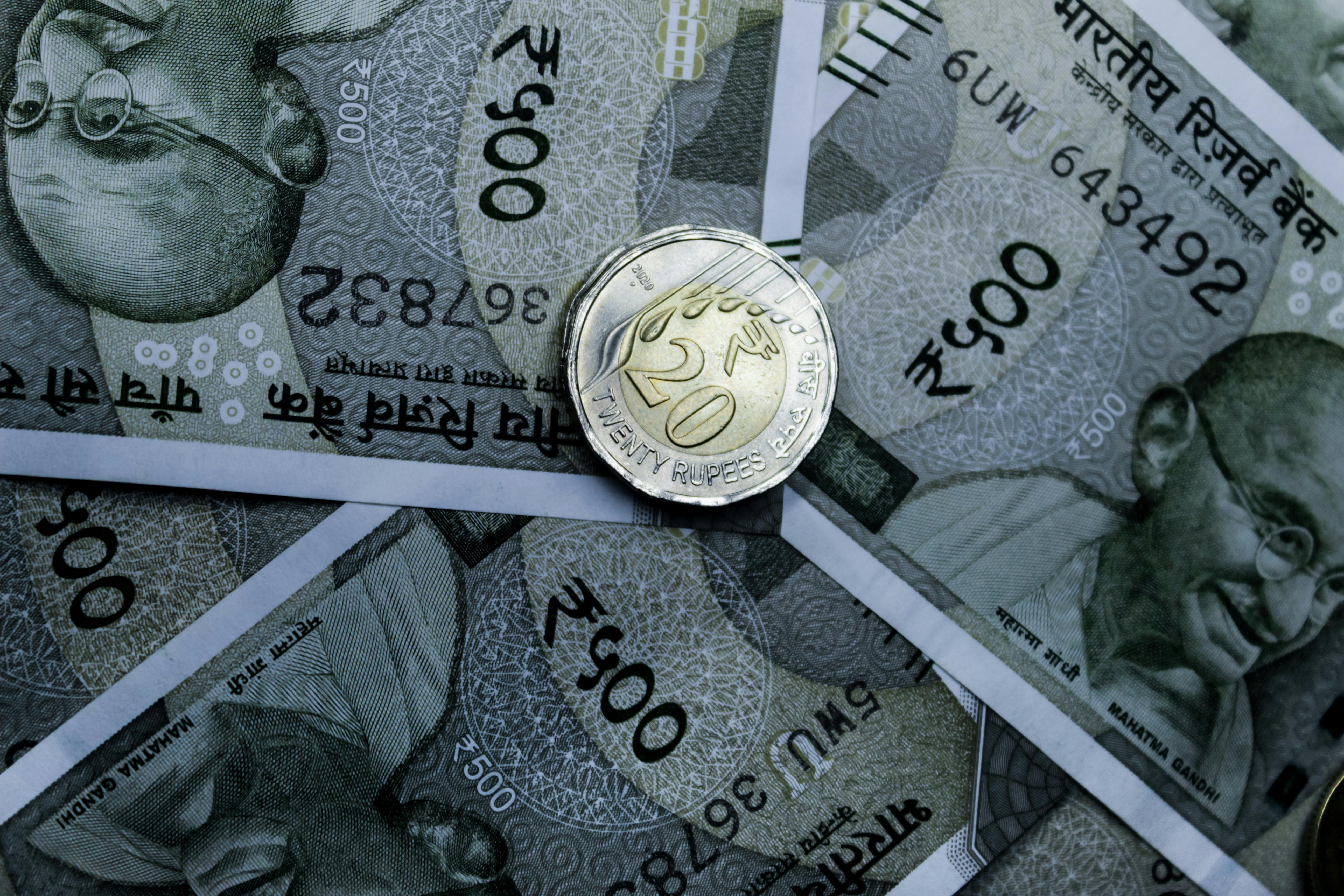
Core benefits and why currency value matters
Strong currencies affect more than bankers and traders. They shape the cost of imports, the feel of travel, and the economics of luxury consumption. If you spend money on premium goods, premium hotels, or fine dining, currency strength matters more than people admit. A strong currency can make imported handbags cheaper, soften the bite of a Swiss hotel bill, and change how much a collector pays for watches, jewelry, and spirits.
Here’s what matters.
- Purchasing power: A high-value currency can buy more foreign goods per unit, which helps consumers and businesses that rely on imports.
- Stable pricing: Countries with strong, credible currencies often see lower inflation pressure in imported goods.
- Travel efficiency: Tourists from currency-rich countries can stretch budgets farther abroad. That is not magic. It is arithmetic.
- Investor confidence: A resilient currency suggests disciplined policy, which usually supports broader trust in the country’s financial system.
- Premium positioning: Nations with high-value legal tenders often sit in regions where luxury hospitality, high-end retail, and top-end real estate cluster.
The truth is, people romanticize “strong money” while ignoring the boring details. Those details are the point. A currency’s value depends on trust, and trust is built slowly. Stewardship, in the old sense of the word, still counts. Money handled well tends to endure; money handled carelessly tends to leak value, like a roof left unrepaired.
There is another angle too. Strong currencies can support craftsmanship and quality. That is not a sentimental remark. When a society rewards durable institutions and skilled work, you tend to see better manufacturing, better service, and better preservation of value across sectors. Beauty, in the classical sense, is not just decoration. It reflects order, proportion, and care.
For readers interested in luxury travel and spending power, this matters. A traveler arriving in a high-value-currency economy may feel the pinch immediately in hotels and dining. Someone comparing premiums across markets will notice that fine wine, rare watches, and bespoke tailoring can shift in price depending on exchange rates. You can see similar effects in luxury market reporting from publications like Luxury Travel Advisor and financial coverage from Reuters Markets: Currencies.
So yes, currency value matters. Not because it makes a nation glamorous. Because it changes the cost of living, trade, and premium consumption in very real ways.
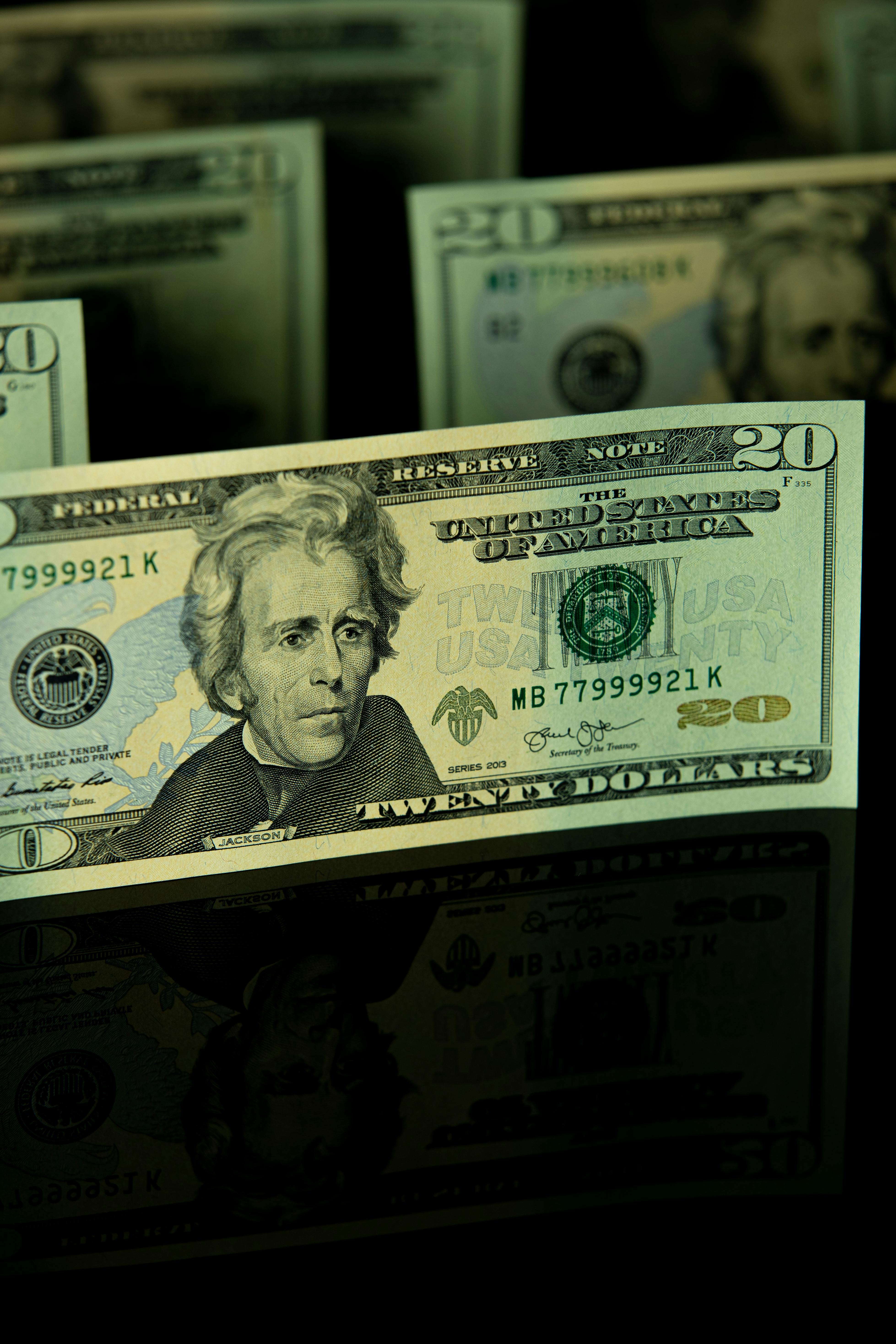
Step-by-step guide to understanding strong legal tenders
If you want to compare the world’s most valuable currencies without getting bamboozled by bad rankings, use a plain method. No mysticism. No internet nonsense. Just a few steps.
- Check the exchange rate against the U.S. dollar
Start with the simple number: how many dollars equal one unit of currency? This is the cleanest way to compare value across legal tenders. A currency with a high unit price can rank near the top even if its country has modest GDP.
- Look at whether the currency is pegged
Some currencies are fixed or closely tied to the dollar. That matters a lot. A peg can hold a currency at a strong nominal value even when markets would otherwise push it around. The Omani rial and Bahraini dinar are classic examples.
- Check inflation and policy discipline
Strong value usually needs low inflation and credible central bank behavior. If a government prints recklessly, the currency weakens. That is not a mystery. It is cause and effect.
- Consider export structure and resource wealth
Oil and gas economies often support stronger currency arrangements, especially when revenues are large and budgets are managed carefully. That does not make the money “better,” but it does make the exchange rate steadier.
- Separate legal tender from usage
Legal tender is what a country says must be accepted for debts and payments. That does not mean people use it everywhere. Some currencies are stronger on paper than in daily market circulation.
- Compare real-world impact
Ask what the currency does to travel costs, imported luxury goods, and saving power. That is where the practical difference shows up.
I’ve done this enough to know the shortcuts are useless. If a list ignores pegs, inflation, and credibility, toss it. Let’s be real: a pretty chart without context is just decoration.
For a related financial angle, readers can compare how policy and supply affect premium markets by looking at broader coverage of global trade and central banking, such as the World Bank’s financial sector resources.
When you apply this method, the top of the rankings usually includes currencies like the Kuwaiti dinar, Bahraini dinar, Omani rial, Jordanian dinar, British pound, Gibraltar pound, Cayman Islands dollar, Swiss franc, euro, U.S. dollar, and several other strong legal tenders used in stable or tightly managed economies. The exact order shifts with market conditions, but the pattern stays stubbornly similar.

Comparison table: high-value currency vs. the U.S. dollar
The U.S. dollar is the global benchmark. It is not the most expensive unit, but it is the most influential. That distinction matters.
| Factor | High-Value Currency | U.S. Dollar |
|---|
| Nominal exchange rate | Often much higher per unit | Lower per unit, easy to divide |
| Global reserve role | Usually limited | Dominant |
| Travel usefulness | Strong for outgoing purchasing power from the issuing country | Widely accepted and convenient |
| Policy driver | Often pegged or tightly managed | Floating, market-led with deep liquidity |
| Luxury goods impact | Can make imports cheaper at home | Sets the global pricing baseline |
| Example currencies | Kuwaiti dinar, Bahraini dinar, Omani rial | USD |
The comparison is not about bragging rights. It is about function. The dollar dominates because of liquidity, trust, and global usage. High-value currencies rank high because of pricing structure, policy, or resource backing. One is a reserve anchor. The others are often precision instruments.
That difference matters when evaluating luxury imports and premium travel. A traveler converting from a strong local currency may find Paris, London, or Milan comparatively affordable. A traveler using a weaker currency may experience the opposite. The same watch, the same suite, the same tasting menu—different arithmetic.
If you want a deeper perspective on how currency strength affects high-end consumption, reviews from travel and luxury editors at publications like Condé Nast Traveler and Harper’s Bazaar often show how exchange rates shape real spending behavior, even if they don’t always say it plainly.
Common mistakes to avoid
Most currency lists are padded with confusion. That is the problem.
- Mistaking strength for importance: A currency can be expensive without being globally influential. The British pound is important; the Cayman Islands dollar is valuable; the two are not the same kind of power.
- Ignoring pegs: Fixed exchange rates explain a large share of the top rankings. Leave that out, and the analysis goes crooked.
- Assuming high value means high wealth: Some wealthy countries have modest-looking currencies because their units are intentionally scaled differently. Currency denomination is not a morality play.
- Forgetting inflation: A currency that holds its value today but erodes tomorrow is no blessing.
- Chasing headline rankings: Internet lists love drama. Reality is duller and more useful.
I’ve seen people treat currency value like a status contest. Frankly, that is silly. A country should want sound money, not vanity numbers. Good money serves ordinary life, supports honest exchange, and rewards careful work. That is a more humane standard than flashy rankings.
Another mistake is to overstate the relevance of a currency’s nominal unit to luxury buying. If you are comparing watches, couture, or fine dining, the more useful question is whether a currency buys stable purchasing power over time. A high face value means little if inflation eats it alive. Wisdom has never been impressed by appearances alone, and neither should you.
For further reading on how financial stability affects purchasing power, official central banking resources are better than internet chatter. Start with the European Central Bank for the euro-area policy or the Swiss National Bank for a model of disciplined monetary practice.
Frequently asked questions
What is the most valuable currency in the world?
The Kuwaiti dinar is often ranked as the world’s most valuable currency by exchange rate against the U.S. dollar. That ranking can shift slightly over time, but it usually stays near the top because of policy structure and economic support.
Why are some currencies so much stronger than the dollar?
Usually because they are pegged, tightly controlled, or supported by strong fiscal and resource conditions. A high unit price does not happen by accident. It reflects deliberate monetary design.
Is the most valuable currency also the strongest currency?
Not necessarily. “Most valuable” usually means the highest nominal exchange rate. “Strongest” can also mean stable, trusted, liquid, and widely used. Those are related ideas, not identical ones.
How does currency value affect luxury travel?
It changes what you pay for flights, hotels, restaurants, and premium shopping. A strong home currency can make luxury travel cheaper abroad. A weaker one does the opposite. No surprise there.
Money is one of those things people pretend not to notice until it gets tight. Then everyone notices. The most valuable currencies in the world are worth studying because they reveal how discipline, trust, and policy shape daily life—and not just for bankers, either. They affect travel, imports, luxury spending, and the quiet dignity of economic stability.
Still, high value is not the same as virtue. A currency should serve people, not vanity. It should support trade, preserve savings, and reward careful stewardship. That is the plain truth, and it aligns with a more enduring moral order: good systems respect work, measure things honestly, and treat excellence as something to be used well, not flaunted.
So yes, the lists are interesting. But the real lesson is steadier. A strong currency is not a trophy. It is a tool. When it is managed wisely, people can build, travel, save, and spend with less friction. That is the sort of order worth keeping.