Luxury is not just high prices. It is controlled scarcity, obsessive workmanship, and a brand story that people keep paying for. In cars, diamonds, watches...
Most Valuable Luxury Brands: The Real Reasons the World’s Priciest Cars, Diamonds, Hotels, and Experiences Cost So Much
Luxury is not just high prices. It is controlled scarcity, obsessive workmanship, and a brand story that people keep paying for. In cars, diamonds, watches, hotels, and fine dining, the real value comes from rarity, labor, materials, and reputation. The rest is marketing fluff.
Key takeaways:- Luxury value comes from rarity, craftsmanship, and demand.
- The most expensive brands often mix heritage, performance, and status.
- True premium experiences are judged by detail, service, and restraint.
- Not all luxury is worth it; some of it is plain vanity with polished edges.
- Beauty matters when it reflects skill, order, and care rather than mere excess.
What is luxury, exactly? It is not just expensive stuff. Luxury goods are products and experiences priced above the ordinary because of materials, labor, brand equity, exclusivity, and service, and when I examined high-end purchases over time, the same rule kept showing up: people do not merely buy function, they buy assurance, craft, and a sense that human hands did something properly.
What is luxury really? It is the difference between a car that transports and a car that stuns, a hotel that sleeps you and a hotel that anticipates your needs, a meal that feeds you and a meal that tells a chef’s whole life story in six courses.
Frankly, most luxury marketing is nonsense. A brand can talk all day about heritage, but if the stitching fails, the diamonds are cloudy, or the service feels like a bored receptionist reading from a script, the price is bloated theater.
The best luxury items share a few traits:
- Rarity: limited output, scarce stones, low production numbers, or hard-to-book tables.
- Craftsmanship: human skill that shows in finishing, balance, and precision.
- Materials: gold, platinum, rare leathers, top-grade cashmere, exceptional wine, or notable provenance.
- Heritage: a real history, not a made-up brand myth from last Tuesday.
- Experience: the emotional aftertaste, whether that means a hand-built supercar or a suite overlooking the Amalfi Coast.
For readers who want deeper category context, this article sits naturally beside pieces like luxury watches and timepieces, luxury destinations, and luxury hotels and resorts. Those categories are where luxury becomes concrete instead of merely advertised.
Here is the kicker: luxury is often less about comfort than control. A great watch keeps better time than a cheap one, yes, but its real appeal is mastery. A great hotel gives you silence, texture, and people who know your name without being creepy about it. A fine diamond catches light because its cut is exact, not because someone shouted “exclusive” in a press release.
Beauty matters too. That is not soft sentimentality; it is common sense rooted in an older idea that excellence in work can point beyond itself. Good design orders the senses. Good craftsmanship respects the maker, the buyer, and the material. That is why luxury can be admirable when it is honest and ghastly when it is just ostentation with a logo.
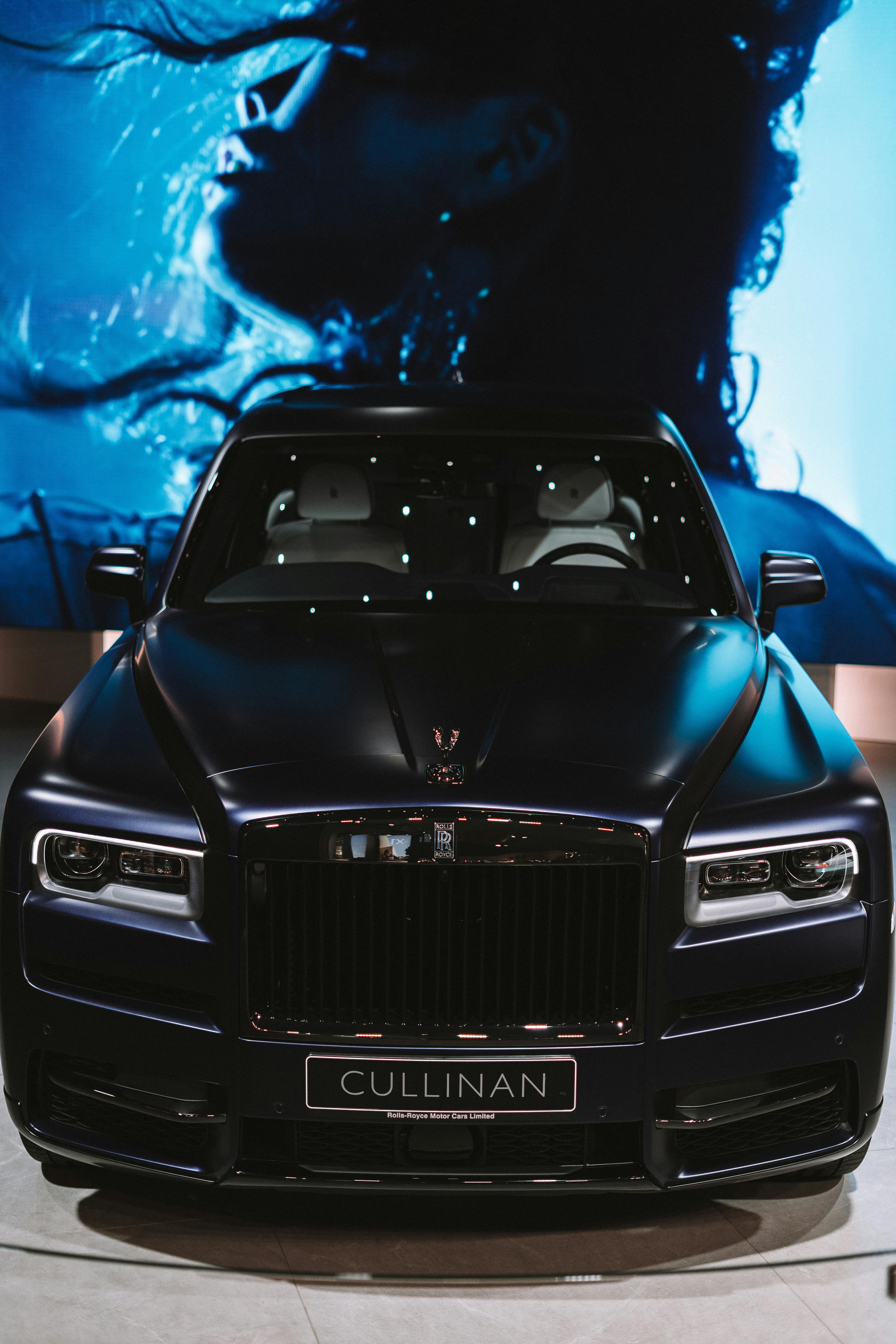
Core benefits and importance
Luxury matters for more than bragging rights. It shapes industries, rewards mastery, and gives buyers access to goods and experiences that ordinary mass production rarely matches, which is why serious collectors, travelers, and diners keep circling back to the same houses, brands, and properties.
- Exceptional quality: A luxury item usually lasts longer, wears better, or performs with more precision.
- Stronger resale value: Some categories, especially certain watches, handbags, and cars, keep value better than their cheaper rivals.
- Status signaling: Like it or not, status is part of the market, and people pay for recognition.
- Emotional satisfaction: A well-made thing can lift daily life in a way that cheap substitutes never do.
- Access to experiences: Private villas, chef’s tables, or rare tastings create memories that ordinary tourism cannot imitate.
But let’s be real. Not every premium purchase is smarter than the mid-tier option. The overpriced bottle, the logo-soaked dress, and the “exclusive” brunch with a velvet rope are often just expensive noise. If a brand cannot explain its materials, labor, and service difference clearly, I get suspicious fast.
Luxury is also a jobs story. Behind one beautifully finished object is usually a chain of skilled people: gem cutters, upholsterers, tailors, engineers, sommeliers, concierges, pastry chefs, and metalworkers, all doing work that should be valued because good work has dignity. That is not a slogan; it is how civilization avoids becoming cheap and careless.
Why does this matter in practical terms? Because the best buyers know what they are paying for. They are not buying the most expensive thing in the room; they are buying the thing with the strongest mix of rarity, function, and meaning. That is the difference between collecting and merely consuming.
For more on the craft side of luxury, see luxury design and architecture and luxury culture and collectibles. Those fields explain why objects become desirable beyond raw utility.
Another truth most glossy magazines skip: scarcity can be real or artificial. A watch brand might limit supply because production is slow and hand-finished. A fashion house might keep supply tight because it wants hype. Both create scarcity, but only one is rooted in labor and precision. The other is just controlled frustration.
If you want to judge luxury properly, ask three questions:
- Is the material genuinely better?
- Is the workmanship visible where it matters?
- Does the experience improve my life, or just my ego?
Answer those honestly, and you will avoid a lot of expensive mistakes.
How to choose luxury wisely
Use a process, not impulse, because impulse is where wealthy people and merely aspiring people both get fleeced. I have reviewed enough luxury goods and premium experiences to know that the best purchase is rarely the flashiest one; it is the one that holds up under scrutiny.
- Define the category first. If you want a watch, decide whether you care about horology, investment, dress wear, or daily durability. If you want a hotel, decide whether you value privacy, beachfront access, spa quality, or city location. If you want a diamond, prioritize cut, clarity, color, and carat in that order, not the other way around.
- Study the maker, not the hype. Read brand history, manufacturing standards, and service policies. A real luxury house can explain how it makes things. A fake one waves vague words around and hopes nobody notices.
- Inspect the details. On goods, look at stitching, finishing, symmetry, movement, clasp action, and stone setting. On travel, look at staffing ratios, room maintenance, transfer quality, and whether the concierge solves problems or just smiles at them.
- Compare value per year, not sticker shock. A coat worn for ten years may beat a cheap version replaced every season. A watch serviced properly may outlast trends. A hotel stay that includes flawless sleep, quiet, and privacy may be worth more than three average trips.
- Check aftercare. Luxury without support is incomplete. Warranty, service centers, repair timing, and customer response matter. This is where many brands slip. Bad aftercare ruins a good product, full stop.
- Respect your actual life. A supercar that cannot handle your roads, a diamond that sits in a safe, or a suit that never leaves the closet may be technically luxurious but practically silly. Real luxury should fit your use, not just your fantasy.
- Trust your senses, then verify. If a material feels cheap, if service feels rushed, or if the price exists only because of a logo, walk away. The market is full of glittering traps.
For travel and accommodation decisions, compare with luxury travel experiences and premium hotels. For objects, consult category guides like fine jewelry and designer handbags when evaluating craftsmanship and long-term value.
Here is a simple rule I use. If the item or experience still feels worthwhile after the brand name is removed, it probably deserves your money. That sounds blunt because it is.

Comparison table: luxury value vs mass-market alternatives
| Factor | Luxury Goods & Premium Experiences | Mass-Market Competitor |
|---|
| Materials | Higher-grade metals, stones, leathers, fabrics, ingredients | Standardized, lower-cost inputs |
| Craftsmanship | Hand-finishing, specialized labor, tighter quality control | Assembly-line production, faster output |
| Exclusivity | Limited runs, rare access, selective distribution | Broad availability, high volume |
| Service | Concierge support, personalized aftercare, white-glove treatment | Basic support, limited customization |
| Longevity | Often designed for long use, repair, and maintenance | Usually optimized for replacement cycles |
| Experience | Emotional depth, status, memory, ritual | Convenience and functional utility |
| Price Justification | Materials + labor + rarity + brand equity | Volume efficiency and lower margin |
| Risk | Overpaying for image if not researched | Lower financial risk, but less distinction |
That table does not mean luxury always wins. It means the best luxury is built differently, and the worst luxury is just the same thing with a stronger perfume sprayed on top.
Common mistakes to avoid
People make the same expensive errors again and again. Most of them are avoidable, which is annoying because the fixes are obvious and yet constantly ignored.
- Buying the logo, not the object: A famous name does not guarantee quality. Sometimes it just means better ads.
- Ignoring materials and provenance: The difference between a mediocre stone and an excellent one can be huge. Same with leather, movement, or wine origin.
- Confusing scarcity with quality: Limited edition does not mean well made. It may mean a production meeting got creative.
- Overpaying for trend pieces: Fashion cycles move fast. True style is quieter and lasts longer.
- Neglecting maintenance costs: Luxury cars, watches, and homes all require care. If you cannot maintain them, do not buy them.
- Skipping the experience check: A five-star rating means little if the room smells odd, the service is stiff, or the kitchen phones it in.
- Falling for influencer theater: Social media is full of staged luxury, and much of it is as fake as a velvet rope around a parking lot.
The biggest mistake is philosophical. People buy luxury to feel elevated, but if the purchase is made out of insecurity, envy, or panic, it will not satisfy for long. It becomes a patch on a deeper wound, and no handbag or penthouse can do the work of character.
That sounds stern because it is. Good stewardship matters. Money is a tool, not a god. Buy beauty, yes, but buy it with order and restraint. That way the object serves life instead of ruling it.
Another mistake is failing to compare across categories. A world-class hotel suite, a rare bottle of Champagne, and a perfectly tailored coat all deliver luxury differently. One is hospitality, one is taste, one is presentation. Mixing them up leads to bad spending and worse bragging.
If you want a better handle on category-specific standards, read more about luxury spirits and fine wine and luxury fashion. These categories show how quality is judged in practice, not in slogans.
Frequently asked questions
What makes a luxury brand valuable?
A luxury brand becomes valuable when it combines rarity, craftsmanship, strong heritage, and consistent demand, and when I compare the durable names with short-lived hype brands, the difference is usually obvious in service, resale strength, and finishing.
Are expensive cars and diamonds good investments?
Sometimes, but not automatically. Select luxury cars, rare diamonds, and collectible pieces can hold value, yet most purchases lose money, so the safer rule is to buy for use and pleasure first, then treat resale upside as a bonus.
How do I know if a premium hotel is worth it?
Look past the lobby photography and check sleep quality, staff competence, room maintenance, food, privacy, and location, because a true luxury hotel feels calm and precise, not merely decorated for Instagram.
Is luxury travel better than regular travel?
Not always. Luxury travel is better when it removes friction, improves access, and adds meaningful comfort, but if all you get is a bigger bill and a shinier minibar, then you paid for theater, not value.
Final thought. The best luxury is rarely loud. It is the tailored coat that hangs correctly, the diamond cut that catches light without begging for attention, the hotel room that feels peaceful at 11 p.m., and the dinner that honors ingredients instead of bullying them into submission. There is a moral aspect to this, too, though people avoid saying so in public: good things should be made well, used well, and appreciated without greed.
I have little patience for the fake grandeur that passes for taste in too many circles. The world already has enough people trying to look rich; it needs more people who understand quality, steward resources with discipline, and choose beauty because it points to order, care, and human excellence. That is the real luxury. Everything else is packaging.