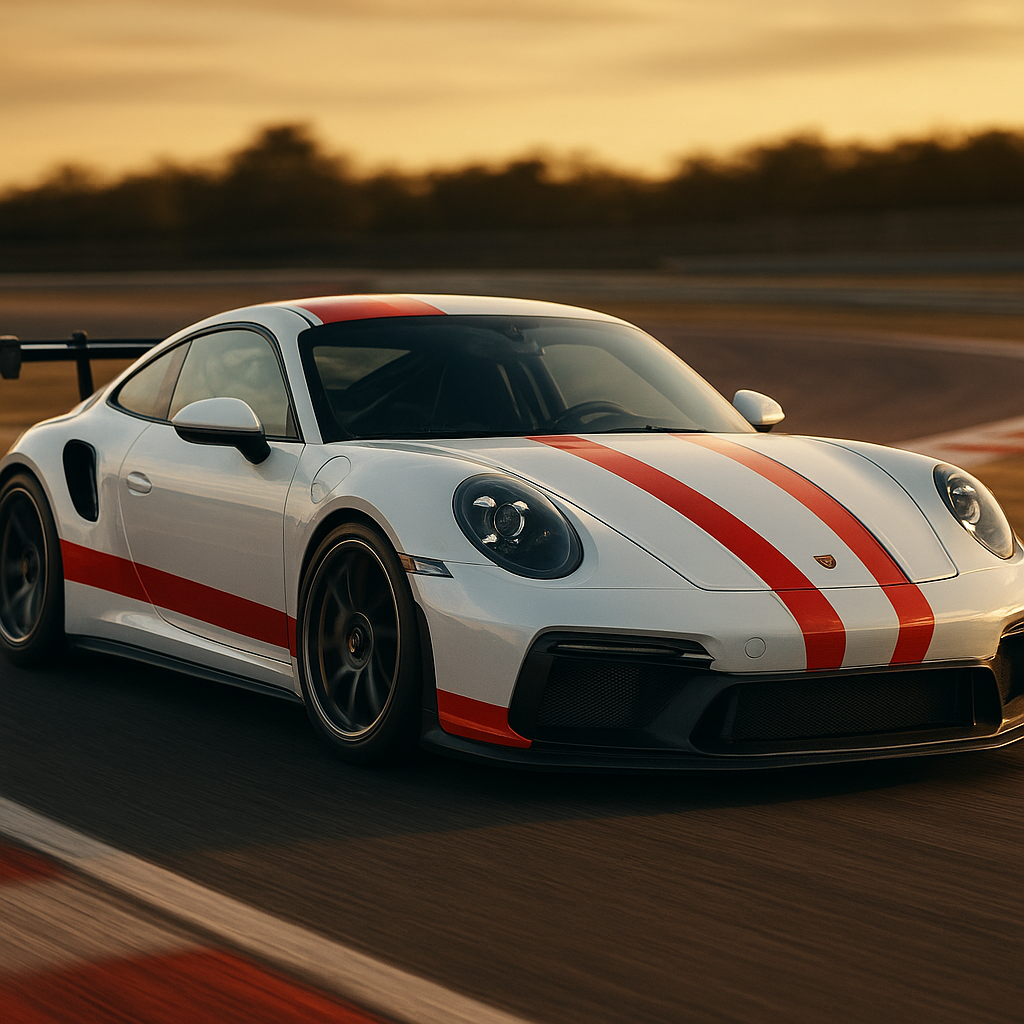
Porsche has filled the gap left by the 718 Cayman GT4 RS with the new <strong>911 Challenge</strong>, an entry-level race car built for drivers who want real...
Porsche has filled the gap left by the 718 Cayman GT4 RS with the new 911 Challenge, an entry-level race car built for drivers who want real track performance without stepping into the top-tier machinery. It is a purpose-built Porsche racing machine, not a cosplay special with a big wing and marketing copy. The point is simple: reduced complexity, sharper dynamics, and a more accessible route into serious motorsport.
Key Takeaways- The 911 Challenge targets drivers who want a lower-cost path into Porsche racing.
- It replaces the void left by the 718 Cayman GT4 RS in Porsche’s track-oriented lineup.
- Expect a stripped, competition-focused setup rather than road-car comforts.
- The appeal is in precision, durability, and predictable performance under pressure.
What is Porsche's New 911 Challenge?
The 911 Challenge is Porsche’s latest entry-level race car, aimed at drivers and teams who want a factory-backed path into competition. It sits below the more serious, more expensive, and frankly more intimidating Porsche track cars, but it still carries the brand’s usual obsession with balance, braking, and chassis discipline. Most people hear “entry-level” and think “cheap.” That is not what this means here. It means lower on the ladder, not lesser.
When I look at Porsche’s motorsport catalog, the logic is plain enough. The company has always sold more than speed; it sells repeatable precision, engineering honesty, and a machine that rewards proper driving. The 911 Challenge fits that mold. It gives new racers a way to learn, compete, and improve in a car that behaves like a proper race tool instead of a road car with stickers. There is a moral dimension to that, too: good craftsmanship respects use. A car built for work should be built well.
The removal of the 718 Cayman GT4 RS from this niche leaves room for a rear-engined alternative, and Porsche knows exactly who will care. Club racers. Track-day diehards. Private teams. People who want a car they can trust when the tires go greasy and the brakes start glowing. That matters more than bragging rights.
Core Benefits and Importance
- Lower barrier to entry: The 911 Challenge offers a more approachable way into Porsche racing than flagship race cars.
- Proven platform: The 911 name carries decades of development, so the hardware is not experimental theater.
- Track focus: Expect suspension, aerodynamics, and cooling tuned for repeated hard use.
- Driver development: A less extreme car can teach better habits, because it punishes sloppy inputs without becoming unmanageable.
- Residual prestige: Even at the lower rung, a Porsche race car still commands respect in the paddock.
Let’s be real. A lot of “affordable performance” cars are just marketing exercises with terrible seats and too much trim. Porsche usually does better because it understands restraint. The best part of an entry-level race car is not that it is easy. It is that it is consistent. Consistency builds skill. Skill is the real luxury, not the carbon fiber garnish.
Step-by-Step Guide to Choosing a Track-Focused Porsche
- Decide what you actually want to do. If you plan to race, a dedicated car like the 911 Challenge makes more sense than a road car with a track package.
- Set a realistic budget. The purchase price is only the beginning; tires, brakes, transport, setup, and entry fees pile up fast.
- Check series eligibility. Porsche race cars often fit specific championships, and that matters more than brochure specs.
- Inspect support availability. Spare parts, technical service, and setup knowledge can matter more than lap-time claims.
- Be honest about your skill level. A more forgiving chassis is useful if you are still learning throttle discipline and braking points.
- Prioritize cooling and durability. Power is useless if the car cooks itself after six hot laps.
I have reviewed enough performance machinery to know that the smartest buyers think like stewards, not spec-sheet tourists. They buy what they can actually use hard and maintain properly. That is the whole game.

Comparison Table
| Feature | Porsche 911 Challenge | Porsche 718 Cayman GT4 RS |
|---|
| Layout | Rear-engine 911 platform | Mid-engine Cayman platform |
| Mission | Entry-level race car | Track-focused high-performance car |
| Accessibility | More approachable for racing programs | More specialized, more extreme |
| Brand cachet | Very high | Very high |
| Typical use | Club racing, driver development | Track days, advanced performance use |
| Road comfort | Minimal | Minimal but more road-derived |
Common Mistakes to Avoid
- Buying the car for status alone. That is an expensive way to find out you dislike actual racing.
- Ignoring running costs. Fuel, tires, pads, and repairs can outpace the initial budget.
- Overestimating your own pace. The quickest mistake in motorsport is arrogance.
- Skipping support infrastructure. A race car without parts and setup help becomes a garage ornament.
- Treating “entry-level” as “beginner-proof.” It is still a race car, and it will happily expose bad inputs.
Frequently Asked Questions
What is the Porsche 911 Challenge?
It is Porsche’s new entry-level race car, designed for competitive track use.
How does it differ from the 718 Cayman GT4 RS?
It fills a similar performance niche but uses the 911 platform and is aimed more directly at racing programs.
Is it street legal?
Usually, dedicated race cars are not intended for road use. Exact details depend on configuration and market.
Who is it for?
Club racers, private teams, and Porsche enthusiasts who want a serious track machine without stepping into the top of the motorsport ladder.
Porsche knows the value of building machines that do one job properly. The 911 Challenge is not about theatrics or social-media clout. It is about discipline, repeatability, and speed that holds up after the novelty wears off. That is rarer than it should be, and frankly, it is what makes the car matter.