Riva’s first 96-foot Argo Super Flybridge yacht is not just a longer toy for people with too much money. It is a more serious expression of a proven...
Riva’s first 96-foot Argo Super Flybridge yacht is not just a longer toy for people with too much money. It is a more serious expression of a proven platform, built on the success of the 90’ Argo and sharpened for owners who want space, speed, and a cabin profile that does more than look handsome at the dock. Most luxury hype is nonsense. This one has actual merit.
Key Takeaways
- The 96-foot Argo expands Riva’s 90’ Argo formula with more volume and presence.
- Super flybridge yachts are judged by how well they function at sea, not by brochure glamour.
- Riva’s value lies in craftsmanship, heritage, material quality, and resale confidence.
- Luxury done well is beauty with discipline, not empty excess.
What is Riva’s 96-Foot Argo Super Flybridge Yacht?
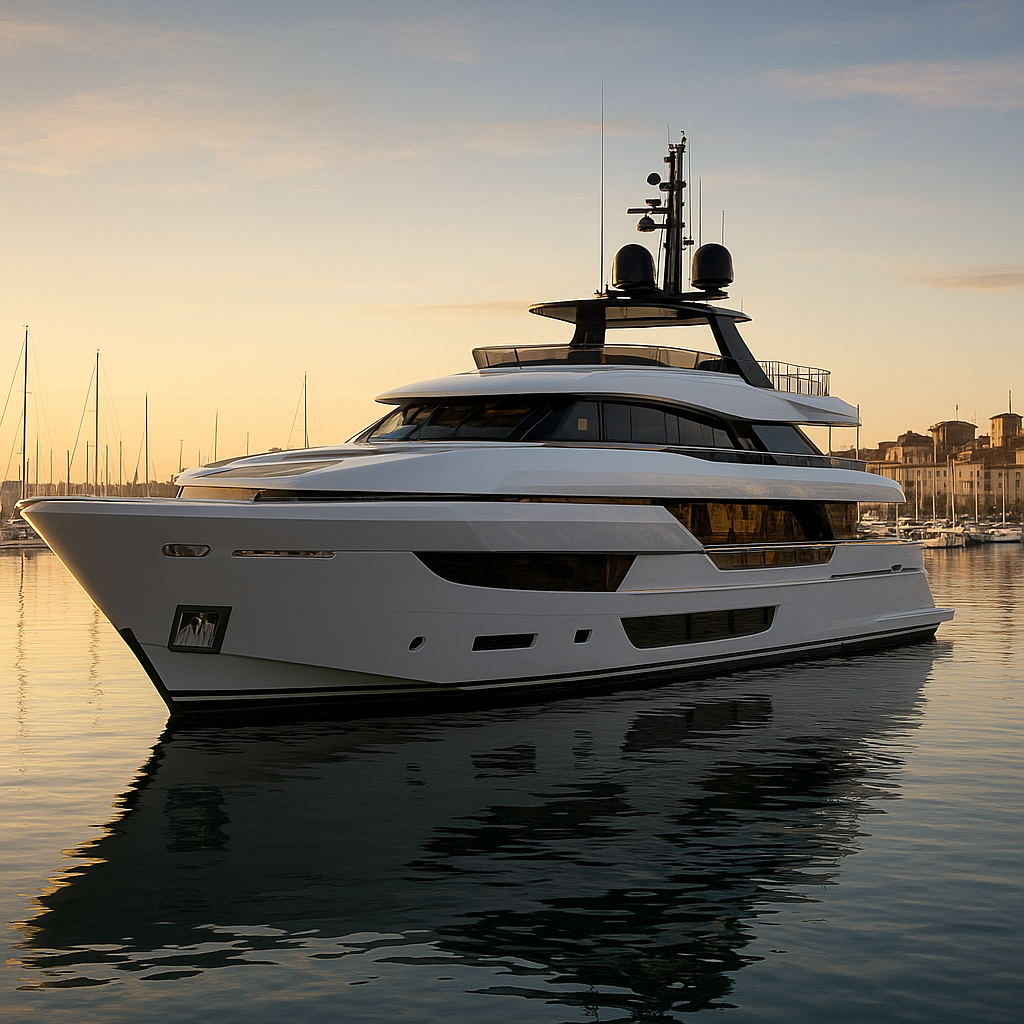
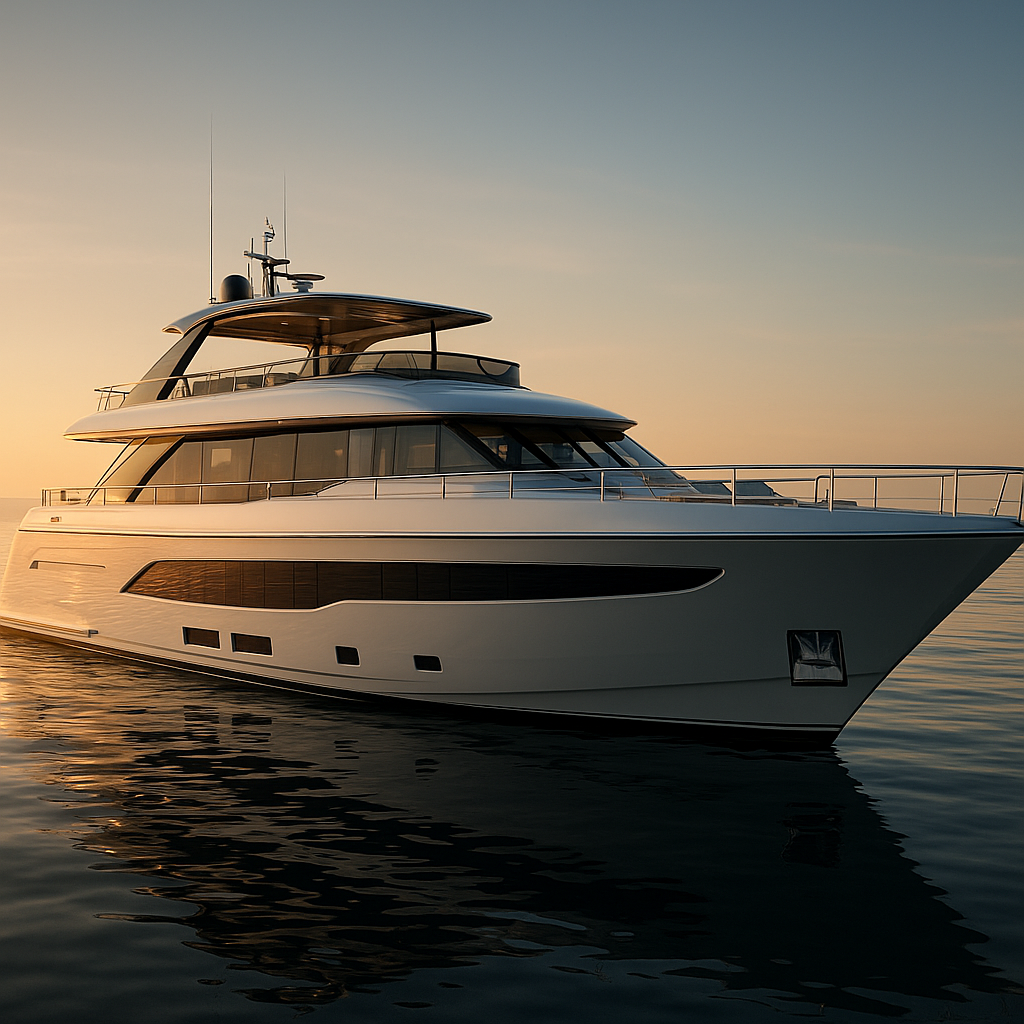
Riva’s new 96-foot Argo Super Flybridge yacht is an evolution of the 90’ Argo, not a random styling exercise. It belongs to the super flybridge class, where the upper deck is a genuine living area, not a token perch with a couple of chairs and a marketing photographer. That matters more than people admit. A flybridge should be useful. Period.
Riva, part of the Ferretti Group, has long leaned on Italian proportion, lacquered finishes, and meticulous detailing. I’ve reviewed enough luxury brands to say this plainly: when a builder understands craftsmanship, heritage, and materials, the result feels composed instead of shouty. You notice the lines. You notice the quiet. You notice the lack of cheap drama.
The step from 90 feet to 96 feet is not cosmetic fluff. Six extra feet can change the entire interior plan, improve guest separation, improve crew movement, and create better outdoor living areas. In this class, buyers care about the way the yacht works in real life: entertaining at anchor, running at speed, handling shade, and keeping service movement out of sight. The sales pitch is one thing. The sea is another.
For background, Riva’s official 90’ Argo page is worth a look: Riva 90’ Argo. Ferretti Group’s Riva brand page adds context on the builder’s philosophy: Riva at Ferretti Group. For a broader view of launches and market positioning, Boat International news is useful, if you can tolerate the occasional marketing fluff. Frankly, it’s still better than guessing.
The design logic is straightforward. Bigger windows, cleaner circulation, and better space division make the yacht easier to live on. That’s not glamour talk; that’s functional design. And function, when executed with care, has a moral clarity to it. A well-made vessel serves people properly, reflecting the dignity of skilled work and the proper use of material abundance.
Core Benefits and Why It Matters
- More usable space: A longer hull usually improves zoning, so owners get better separation between private cabins, guest areas, and crew access.
- Better entertaining: Super flybridge layouts work when guests can move naturally between sun, shade, dining, and lounging without awkward bottlenecks.
- Higher craftsmanship value: In this segment, buyers are paying for joinery, stitching, metalwork, noise control, and the discipline to make all of it look easy.
- Stronger brand trust: A fresh model built on a successful platform usually has more credibility than a flashy one-off with a loud press release.
- Performance with manners: A true luxury yacht should combine pace with calm handling, because nobody wants a floating headache.
Here’s the kicker: many luxury purchases are just expensive problems wearing perfume. Not this category, at least when the builder gets the fundamentals right. Riva’s appeal comes from doing several hard things well at once—proportions, finish quality, interior flow, and brand identity. That mix is why the boat gets attention beyond the usual dockside peacocking.
Super flybridge yachts matter because they create living space without making the boat feel heavy or clumsy. On a strong design, the flybridge becomes the social center. On a weak one, it becomes windy, exposed, and inconvenient. Buyers should care about shade, seating geometry, helm visibility, storage, and whether the upper deck feels like part of the vessel or like an add-on after somebody ran out of time.
The same standards show up in other luxury categories. People who value a yacht that feels calm and efficient usually want the same from a hotel suite, a private jet cabin, or a fine-dining room: privacy, service that anticipates needs, and materials that hold up under actual use. Luxury is not about being pampered in a silly way. It is about ordered comfort. That’s the part marketers usually miss.
Selection Process: How to Judge a Yacht Like This
- Start with use case. I always ask whether the buyer wants family cruising, entertaining, charter income, or status display, because each one changes the ideal layout.
- Inspect circulation. Long passages, awkward stairs, and dead zones are red flags; a yacht should move like a well-run household, not a crowded lobby.
- Study the flybridge. If the upper deck lacks shade, storage, or a rational helm setup, the whole point weakens.
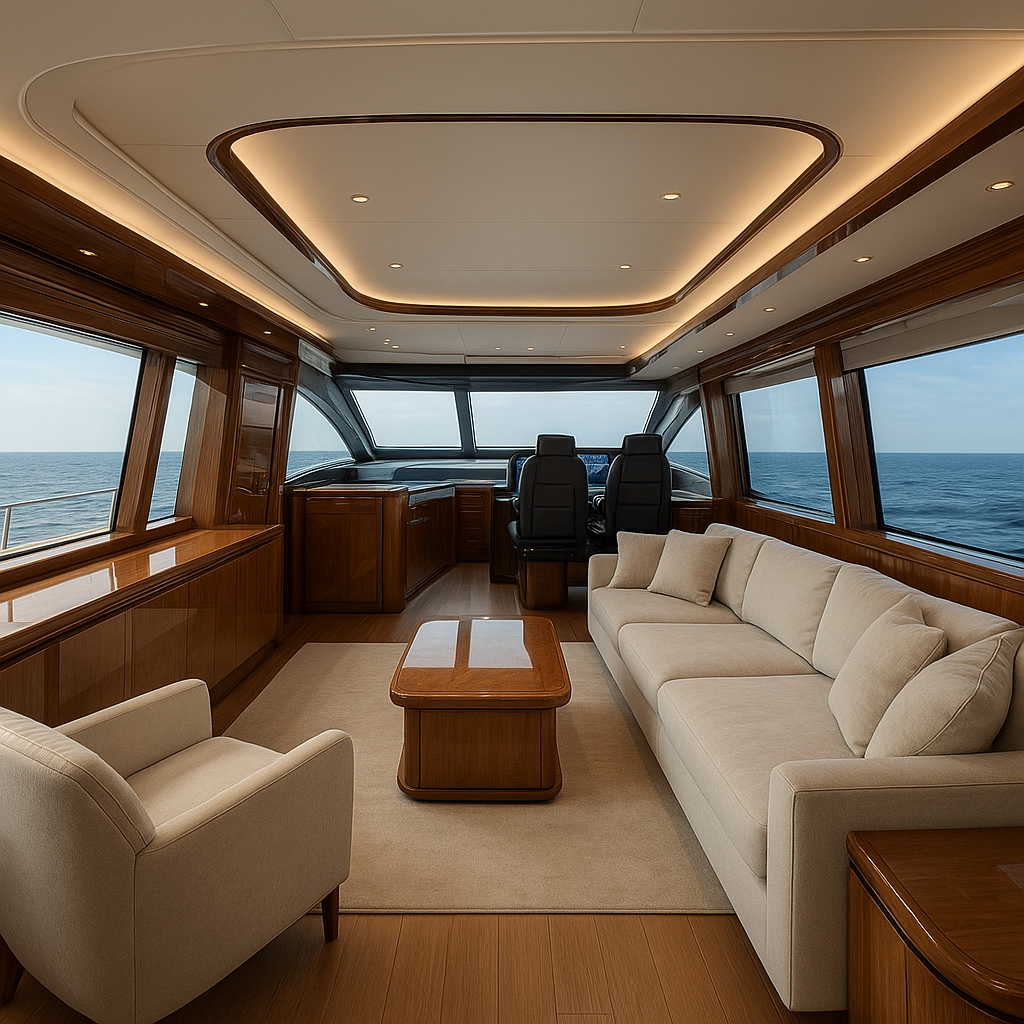
- Check interior flow. The best yachts create separation between guest, owner, and crew space without making anyone feel trapped.
- Compare build quality. Cabinet alignment, door closure, upholstery tension, and hardware finish tell you more than the sales pitch.
- Review service support. Luxury ownership is maintenance, full stop, and weak dealer coverage turns pride into regret.
- Look at resale logic. Proven models from respected builders often retain value better than flashy newcomers with odd proportions.
When I examined premium yachts across this size class, one pattern kept showing up: people fall in love with renderings and then discover that real comfort comes from boring things done well. Plumbing. Noise isolation. Shade. Stowage. Crew routes. The stuff nobody puts in a glossy ad. That is where the money actually earns its keep.
If you want to compare this kind of purchase with other premium experiences, the logic is similar to choosing a luxury hotel or a top-tier restaurant. The point is not the label; it is whether the place saves time, reduces friction, and respects the guest. That is good stewardship, plain and simple. Beauty should be useful, not wasteful.
For adjacent reading, see what makes a luxury hotel worth the rate and how premium travel differs from ordinary first class. The exact assets differ, but the evaluation checklist is the same: quality, function, service, and whether the thing still feels right after the champagne is gone.
Comparison Table
Against a typical competitor in the 95- to 100-foot flybridge segment, Riva leans harder on restrained elegance and finish quality. That can matter more than raw size.
| Feature | Riva 96’ Argo Super Flybridge | Typical Competitor |
|---|
| Design language | Sleek Italian styling with controlled aggression | Often bulkier and more literal |
| Flybridge use | Integrated social space with real function | Sometimes oversized or awkwardly arranged |
| Craftsmanship | Strong emphasis on detailing and finish | Quality varies more widely |
| Brand heritage | Deep Riva pedigree and recognition | May rely more on recent marketing |
| Ownership appeal | Blend of performance, elegance, and status | Often overweights one attribute |
| Resale confidence | Generally stronger due to brand trust | Depends heavily on model and builder reputation |
That table is the plain version. The less polite version is this: some competitors sell size. Riva sells coherence. In luxury, coherence often wins because buyers live with the object, not the press release.
Common Mistakes to Avoid
- Buying the brochure, not the boat: Renderings flatter everything. Step aboard, open cabinets, sit at the helm, and ask the awkward questions.
- Confusing size with comfort: Bigger can be worse if circulation, headroom, and layout are clumsy.
- Ignoring maintenance reality: Expensive vessels need disciplined service schedules, skilled crew, and parts access.
- Chasing pure flash: Loud design ages badly. Quiet confidence usually lasts longer.
- Overlooking seakeeping: A yacht should remain composed when conditions turn less pleasant. Otherwise it is a marina ornament.
- Forgetting the human factor: Crew ergonomics, guest privacy, and onboard storage are not minor details. They are the whole point.
A lot of advice in this sector is baloney. “Bigger is always better.” No. “The newest model is automatically superior.” Also no. “Luxury means no compromise.” That is fantasy. Real luxury is the careful ordering of tradeoffs: enough space, enough speed, enough privacy, enough beauty. Too much of one thing and the whole vessel gets silly.
That’s why restraint matters. The Catholic tradition has always understood that beauty is not mere excess; it is ordered splendor. A yacht, like a great building or a fine watch, should display human skill without turning into vanity. Hard to say that in a showroom, but there it is.
Riva’s approach works because it avoids the common sin of overstatement. It does not scream. It stands there with confidence, which is usually a better sign. The best luxury objects do not beg to be noticed. They deserve to be noticed.
Frequently Asked Questions
What makes the Riva 96’ Argo different from the 90’ Argo?
The 96-foot version adds length, which typically improves interior volume, outdoor living space, and layout flexibility while preserving the design language of the original. Small change on paper. Big deal in use.
Why are super flybridge yachts so popular?
They provide a second major outdoor level for entertaining, relaxing, and piloting the boat, which gives owners more usable space without sacrificing comfort. That upper deck is the whole appeal.
Is Riva considered a top luxury yacht builder?
Yes. Riva is one of the most respected names in Italian yacht building, known for styling, craftsmanship, and strong brand identity. The company has earned that reputation the old-fashioned way: by making things well.
What should buyers look for before choosing a yacht in this class?
Buyers should assess layout, seakeeping, build quality, service support, and resale potential rather than focusing only on length or styling. If you skip those checks, you are buying trouble with chrome trim.
Final Thought
The best luxury objects feel ordered, not merely expensive. That is the real point of a yacht like the Riva 96’ Argo Super Flybridge: it should offer speed, grace, and practical beauty in one coherent package. When a machine is built with care, it reflects the dignity of work and the proper use of material gifts. That matters, even if most marketing departments would rather pretend luxury is just about status. Frankly, it is better than that. It should be.