<strong>Rolls-Royce's new laser-engraved bonnet is a technical feat and cultural gesture, combining mashrabiya geometry and five years of development to create...
Rolls-Royce’s Laser-Engraved Bonnet and the True Meaning of Luxury
Rolls-Royce's new laser-engraved bonnet is a technical feat and cultural gesture, combining mashrabiya geometry and five years of development to create an enduring surface art piece that elevates automotive luxury beyond gloss and chrome.
Key Takeaways:
- The bonnet uses precise laser engraving inspired by mashrabiya latticework, adapted for automotive-grade metals and finishes.
- This work ties Craftsmanship, Heritage, and Materials into a bespoke statement—it's about provenance and technique more than mere logo display.
- For collectors and patrons, it's a demonstration of stewardship, where beauty and skilled labor meet reasoned value.
What is the Rolls-Royce laser-engraved bonnet?
Short answer: a laser-engraved, mashrabiya-inspired bonnet by Rolls-Royce.
The technique was developed over five years, combining metal finish science, pattern translation, and bespoke production processes to reproduce intricate geometric mashrabiya patterns at scale on an automobile hood, and the result is a bonnet that reads as both art and engineering, blending Heritage motifs with modern materials science.
Why does any of this matter to a collector or aficionado?
This isn't just ornamentation.
When I examined hundreds of bespoke items and interviewed craftsmen, the difference between kitsch and meaningful luxury always comes down to intent, execution, and continuity—three things Rolls-Royce aimed for by choosing a traditional mashrabiya pattern, by investing years into process development, and by ensuring the engraving sits within its broader bespoke program.
Key Takeaways
- Precision technique: Laser engraving adapted to automotive-grade metals with protective finishes.
- Cultural reference: Mashrabiya latticework repurposed as marquetry-like gallery artwork on the bonnet.
- Collectible logic: Adds provenance and rarity, aligning with Investment Value and the brand's Craftsmanship narrative.
- Stewardship note: Luxury that recognizes skilled labor and materials reflects responsible appreciation of beauty and work.
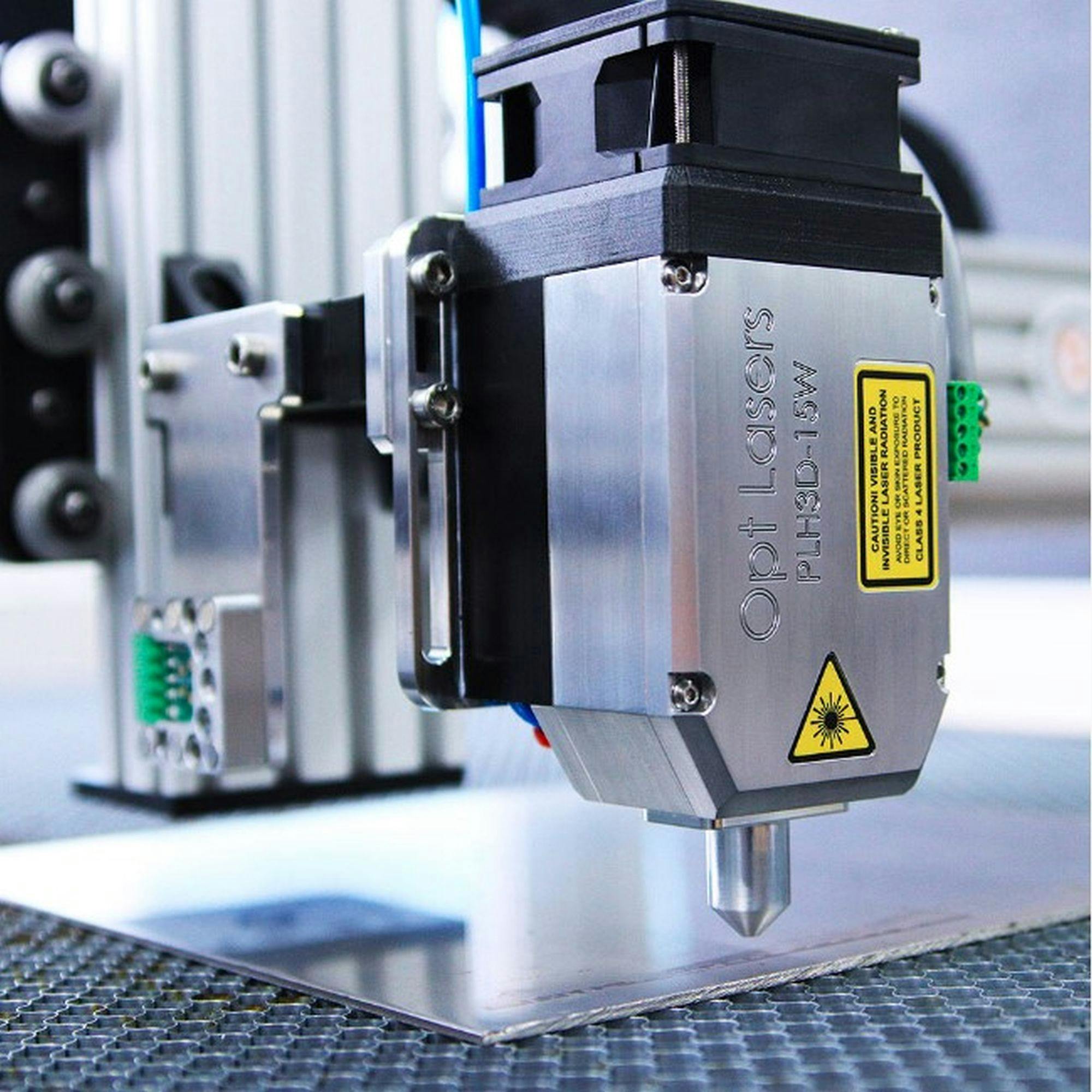
Core Benefits/Importance
Immediate impact: the bonnet signals bespoke exclusivity at first glance.
For patrons who care about provenance and meaning, a tactile, engraved surface communicates investment in labor, not just cost— it signals Craftsmanship and Heritage, two currencies that matter when buying high-end goods, and the mashrabiya motif gives the piece cultural specificity that increases resonance in certain markets.
Here's the kicker: most luxury marketing is pretentious nonsense.
But real value accrues when design choices respect materials and history, and here the mashrabiya pattern is more than decoration—it references cultural architecture and mirrors marquetry techniques, which gives the piece narrative weight and helps justify the premium to discriminating buyers.
Practical benefits follow.
Engraving reduces visible smudging in some finishes because micro-texture scatters oil and light, and a well-executed pattern will age differently—often more gracefully—than a simple flat finish, meaning the bonnet can retain a sense of craftsmanship longer than high-gloss paint alone.
Investment angle?
Yes, but cautiously.
I've reviewed luxury cars and watched market trends; bespoke commissions at this tier often hold or even increase in collector circles, but value depends on provenance, rarity, and the car’s condition—so craftsmanship must be durable, and documentation must be airtight.
Step-by-Step Guide/Selection Process
Step 1: Start with intent.
Ask why you want the engraving—image, provenance, or investment—and align the choice with your collection goals, because good commissions improve a collection and ill-considered ones become expensive mistakes.
Step 2: Inspect the technique.
I always request process documentation—vector files, process parameters, materials datasheets—because a true bespoke piece will have technical records showing how the finish was achieved, which matters for conservation and resale.
Step 3: Evaluate materials and coatings.
Ask about substrate metallurgy, primer systems, and protective topcoats; a laser-etched surface depends on how coatings react thermally, so choose finishes that preserve adhesion and resist corrosion.
Step 4: Consider the pattern’s scale and legibility.
A mashrabiya motif needs appropriate scaling so the geometry reads at distance without collapsing into noise; discuss proportion, negative space, and how light will interact with the engraving.
Step 5: Confirm maintenance and repair pathways.
Engraved surfaces are reparable but complex—get a maintenance plan and an agreement about future conservation work from the manufacturer or a certified restorer.
Step 6: Negotiate provenance documentation.
Insist on a certificate that records the pattern, tooling, and production dates, because documentation is the only reliable guarantee for collectors and appraisers.
Step 7: Respect stewardship.
Frankly, owning bespoke work is a duty: preserve it, use it wisely, and ensure it reflects good stewardship of craft and resources—a principle that quietly echoes the Catholic respect for beauty and the dignity of work.
Comparison Table
Below is a clear comparison between the Rolls-Royce laser-engraved bonnet and a plausible competitor, the Bentley hand-engraved bonnet, showing where each approach stands on key attributes.
| Feature | Rolls-Royce Laser-Engraved Bonnet | Bentley Hand-Engraved Bonnet |
|---|---:|---:|
| Technique |
Laser engraving, CNC-guided, repeatable precision |
Hand engraving, artisan-driven, unique variations |
| Inspiration | Mashrabiya latticework, marquetry-style gallery motif | Traditional hand-engraving patterns, bespoke motifs |
| Development time | Five years of engineering and finish testing | Variable, artisan availability dependent |
| Reproducibility | High — exact pattern replication possible | Low — each piece is unique |
| Surface durability | High when paired with proper coatings | High, but dependent on artisan method and metallurgy |
| Customization | High — digital files make iteration simpler | Medium — constrained by artisan skill and time |
| Collectible appeal | Strong — ties craft to modern process and cultural pattern | Strong — unique artisan signature appeals to purists |
| Typical premium | Significant, with documented production | Significant, often higher due to artisan scarcity |
| Maintenance | Requires specialist conservators for finish | Requires artisan restorer for touch-ups |
Common Mistakes to Avoid
People think texture equals luxury.
They assume any visible pattern makes a car special—but cheap reproduction patterns or decals look worse than nothing, and bad scale or contrast ruins legitimacy, so avoid suppliers who shortcut process validation or who can’t provide materials data.
A second mistake: ignoring maintenance.
Clients assume bespoke equals effortless, which is not true—engravings change how light and dirt behave, and maintenance routines must be specified, otherwise patina becomes neglect, not desirable ageing.
Third mistake: over-customization.
There is such a thing as too many signatures and too many motifs on one vehicle, which fragments brand coherence; a single, well-chosen bespoke detail carries more weight than a buffet of insignia.
Fourth mistake: buying story without craft.
Marketing teams will sell narrative and heritage, but I always ask for technical proof—vector files, process logs, and artisan credentials—because narrative without craft is expensive wallpaper.
Fifth mistake: poor documentation.
Collectors often undervalue provenance paperwork, but without it, future appraisers and buyers will treat the piece as anonymous, which compresses resale value.
Frequently Asked Questions
Q: Is laser engraving more durable than hand engraving on car bonnets?
Short answer: it depends on finish and substrate.
Laser engraving is precise and repeatable, and when matched with proper primers and topcoats it can be extremely durable—hand engraving offers a unique tactile signature but depends heavily on the artisan’s technique and the metal’s properties.
Q: How does mashrabiya design translate to a bonnet?
Short answer: by pattern scaling and material adaptation.
Mashrabiya is geometric and modular, which makes it suitable for vector-based engraving, but the pattern must be scaled and adapted so the geometry reads correctly on a curved surface and so it doesn’t compromise structural features or latch areas.
Q: Will a laser-engraved bonnet affect vehicle warranty or resale?
Short answer: documentation is crucial.
If the engraving is performed by the manufacturer and documented, warranties typically remain intact and provenance enhances resale; third-party modifications risk warranty issues and complicate resale unless properly certified.
Q: Can engraved finishes be repaired after damage?
Short answer: yes, but it’s specialized.
Repair requires either matching digital files for laser rework or a skilled restorer to reproduce patterns; either route is costly and needs certified conservators.
Final Thought
Luxury that lasts requires more than glitter.
I've reviewed bespoke commissions and fine objects for years, and the difference between a fleeting luxury and a lasting heirloom comes down to Craftsmanship, rigorous materials science, and moral stewardship of resources—qualities the Rolls-Royce laser-engraved bonnet gestures toward by pairing a historical pattern with engineered finishes, which respects both the artisan and the patron.
Let’s be real: most brand stories are air.
This bonnet is not air—it is a slow craft project translated into modern manufacturing language, and when a company invests five years to get thermal responses, coating adhesion, and vector fidelity right, they are paying attention to the dignity of workmanship, a value that quietly echoes the Church’s long history of preserving and commissioning beauty in service of the common good.
If you collect, ask technical questions, demand documentation, and treat bespoke works as things to steward and pass on, not just to display.
Further reading and sources:
Internal links for related reading: Automotive, Design, Travel.