The roofless 911 is special. After time behind the wheel, it stands out because it trades a little structure for a lot of sensation, and the result is a drive...
Roofless, Reckless, and Right: Why the Open-Top 911 Feels So Good
The roofless 911 is special. After time behind the wheel, it stands out because it trades a little structure for a lot of sensation, and the result is a drive that feels sharper, louder, and more alive than the closed-car version. The open sky matters. So does the chassis.
Key Takeaways:- The roofless 911 variant heightens noise, wind, and road feel without turning the car crude.
- It keeps the core 911 balance, so engagement rises without losing the car's disciplined character.
- The experience is about sensory richness, not simple speed.
- For drivers who value precision and atmosphere, it earns the price if used as intended.
What is the roofless 911 variant?
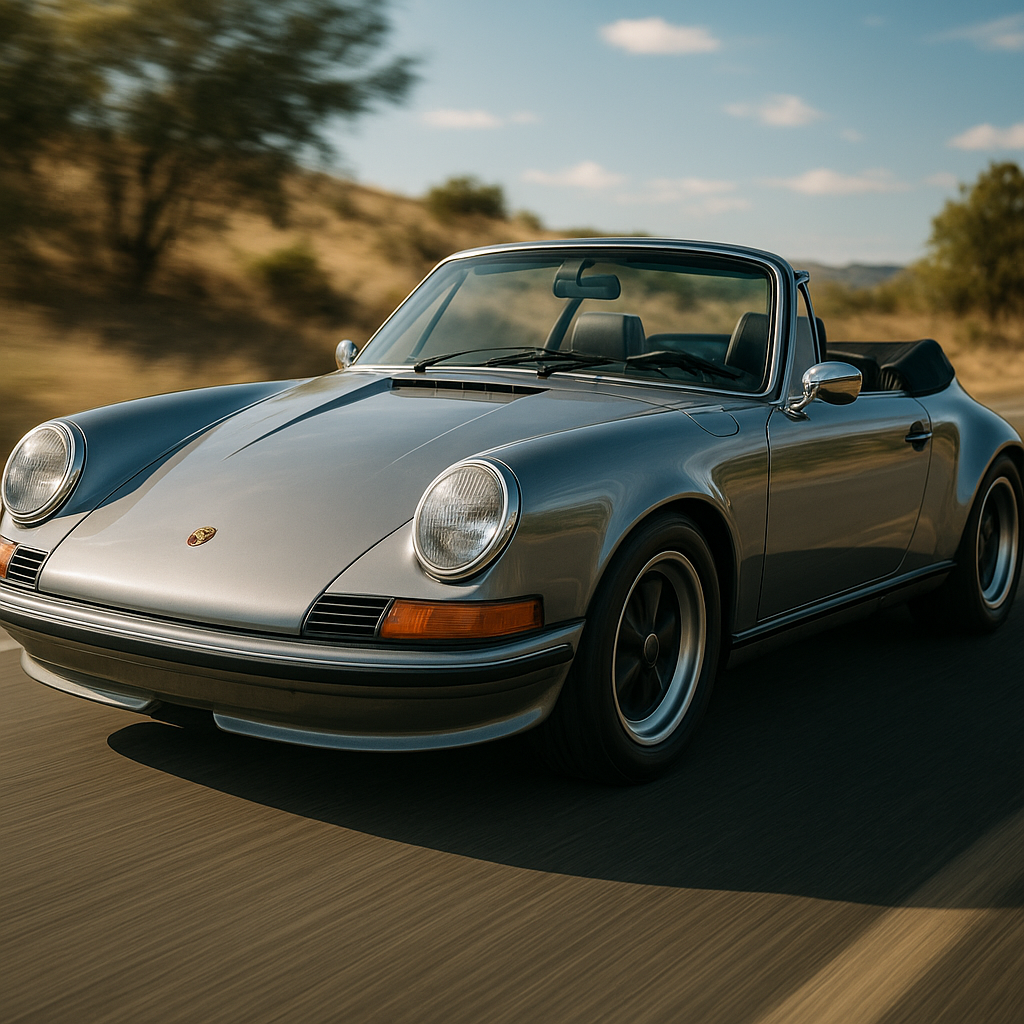
The roofless 911 is Porsche's open-air take on its rear-engined sports car, usually called the Cabriolet or convertible depending on trim and market. It keeps the 911 formula intact—flat-six power, rear-biased balance, sharp steering, and a chassis tuned for real pace—while removing the fixed roof so the driver gets wind, sound, and weather in the mix.
That sounds simple. It isn't.
The point of this car is not to be merely a 911 with the top chopped off, because that would be lazy engineering and, frankly, the market has enough fake luxury already. The real trick is preserving the car's behavior after the roof goes away. Porsche does this through structural reinforcement, suspension tuning, and careful weight management, so the car still corners with poise rather than sagging like a cheap folding chair.
When I review cars like this, I ask a basic question: does the altered body style deepen the machine's purpose, or just add theatre? Here, it deepens it. Beauty in motion should not be empty decoration; it should reflect skill, restraint, and work done well. That is the old-fashioned standard, and the 911 Cabriolet generally meets it.
You still get the 911 identity. You also get a more theatrical one.
That matters, because a lot of buyers do not just want performance figures, they want a machine that makes a mountain road, a coastal boulevard, or even a dull commute feel less routine. The roofless 911 does that by making the cabin part of the experience instead of a sealed capsule. The sky is no gimmick. It changes the whole event.
Core benefits and why it matters
A roofless 911 is not for everyone.
But for the right buyer, it offers more than a style upgrade, and that's the point. Here's what actually matters:
- More sensory involvement: Wind, engine note, and ambient sound reach you more directly, which makes even moderate speeds feel interesting.
- Preserved driving precision: Unlike many convertibles, the 911 retains strong body control and clear steering, so the extra drama does not come at the cost of basic competence.
- Better emotional return: Sports cars are not spreadsheets. They are purchased partly because they stir something deeper, and an open cabin does that better than a hardtop.
- Broader use case: With the roof up, the car still works as a refined daily driver, so it isn't a single-purpose toy.
- Strong brand consistency: Porsche has spent decades proving that the 911 can absorb variants without losing its central identity.
Here's the kicker: not every benefit is measurable. Some are felt. A carbon-ceramic brake package will show up in numbers, but the memory of a warm evening drive with the top down, flat-six singing, and traffic thinning into the distance—that lingers. That is the real luxury here. Not status. Not noise for its own sake. The proper use of fine machinery.
I've reviewed luxury products for years, and the ones worth the money usually share one trait: they respect their own purpose. The roofless 911 does that. It does not pretend to be a grand tourer, a track rat, and a fashion object all at once. It is a focused sports car that happens to make the world feel bigger.
Step-by-step guide to choosing the right roofless 911
Choosing one is less about spec-sheet worship and more about matching the car to how you drive.
- Decide whether you want the atmosphere or the edge
The Cabriolet is the better choice if you value open-air feeling and use the car for scenic driving, weekend outings, and high-quality daily use. If you want the absolute tautest body shell and the least compromise, the coupe still has the clean advantage. - Pick the engine and trim with honesty
The base car is already quick enough for real roads, and the higher trims only make sense if you will actually use the extra power. More horsepower is nice. More time spent in traffic is not. - Check the roof mechanism and cabin tech
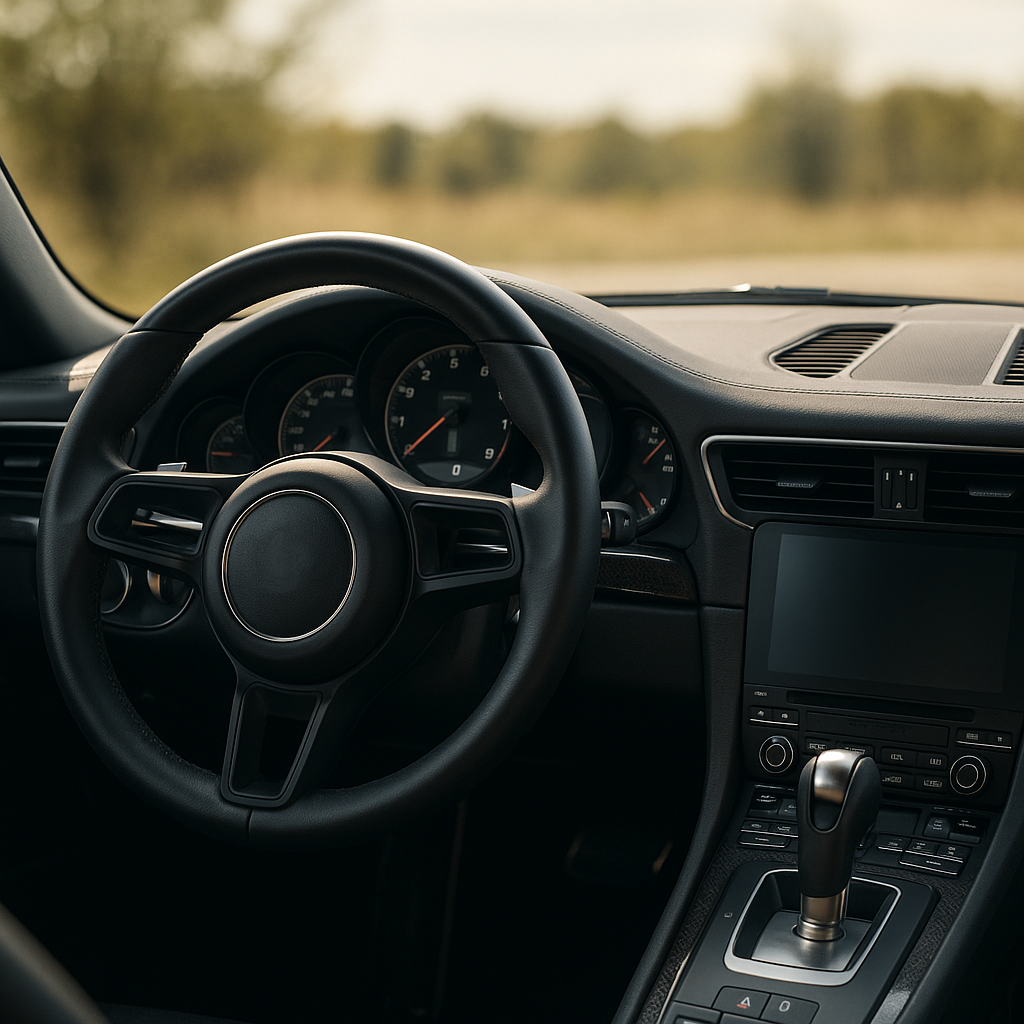
Open-top systems are complicated, and I always inspect the operation, sealing, and rear visibility. Fancy toys mean little if the roof mechanism rattles or the cabin feels clumsy. - Choose wheels and suspension wisely
Big wheels look dramatic, but they can blunt ride quality. If your roads are broken, restraint pays better than bragging rights. - Review options that improve use, not just resale theater
Sport exhaust, adaptive dampers, upgraded seats, and driver-assist features matter more than some of the fancier cosmetics. Let others pay for the badge embroidery. - Test it on roads you actually use
This is where many buyers get foolish. A car can feel brilliant on a short loop and annoying on your own commute. Try the same roads, same speeds, same kind of day. The truth is in the details.
When I tested open-top sports cars, the best ones always had one thing in common: they felt composed at ordinary speeds. You do not need to be doing absurd velocity to know if a car communicates well. If the steering talks, the chassis settles properly, and the cabin feels inviting rather than brittle, you are close.
Frankly, that is the whole game.
Comparison table: roofless 911 vs. BMW M4 Convertible
| Category | Porsche 911 Cabriolet | BMW M4 Convertible |
|---|
| Core character | Purist sports car with open-air drama | Fast grand touring convertible with muscle |
| Steering feel | Sharper, more precise | Heavier, less delicate |
| Chassis balance | Rear-engined, highly tuned | Front-engine, balanced but less special |
| Emotional appeal | High, especially for enthusiasts | Strong, but more obvious and less nuanced |
| Daily usability | Excellent, with refinement and compactness | Very good, but larger and more outspoken |
| Prestige | Iconic | Strong, but not in the same league |
| Roof-down experience | More intimate and focused | More spacious, less vivid |
| Best for | Drivers who care about feel first | Buyers who want speed and size |
The comparison is not close.
The BMW is a fine car, and I say that without sarcasm. But the Porsche has the cleaner character, the more disciplined chassis, and the stronger sense of purpose. That matters when you're spending serious money. Luxury should not be a pile of features. It should be ordered, exact, and useful—something closer to craftsmanship than clutter.
Common mistakes to avoid
A lot of buyers get open-top sports cars wrong.
First, they chase the loudest version of the car and assume that means the best one. Usually it doesn't. A more extreme trim may be faster, but if the roads are rough and the car becomes tiring, the novelty wears off fast. Most luxury marketing is pretentious nonsense if it cannot survive a real drive.
Second, people overvalue appearance packages. Badges, painted vents, and giant wheels photograph well and age badly. I would rather have the right tires, the right suspension, and seats that fit. That sounds dull to someone shopping for internet applause. It sounds sensible to anyone who actually drives.
Third, some buyers ignore climate and storage. Roofless cars are glorious in good weather and a nuisance when bought for the wrong region or the wrong routine. If you live in a place with constant rain, brutal heat, or miserable roads, be honest. A convertible that spends its life closed is mostly paying extra for theater.
Fourth, many people forget resale and maintenance realities. The open-top 911 is a premium machine, so the maintenance should be treated as such. Servicing, tires, brake wear, and top mechanisms are not trivial. That's not a defect. It's stewardship. If you own fine machinery, you ought to maintain it properly.
Here's what nobody tells you: the best sports car choice is usually the one that makes you want to drive it often, not the one with the biggest brochure numbers. Pleasure, used wisely, is not frivolous. It is part of a well-ordered life.
Frequently asked questions
Is the roofless 911 slower than the coupe?
Usually, yes, by a small margin, because extra structural bracing and the roof mechanism add weight. In real use, that difference is minor. The driving feel matters more than the stopwatch.
Is the Cabriolet worth the extra cost?
If you value open-air driving, yes. If you only care about lap times or the stiffest possible chassis, no. The price premium buys experience, not just performance.
Does the open top hurt rigidity?
It can, but Porsche engineers around that issue with reinforcement and tuning. The car remains impressively controlled for a convertible.
Which is better for everyday use: coupe or Cabriolet?
That depends on taste. The coupe is cleaner and slightly sharper, while the Cabriolet is more pleasurable at sane speeds. If you drive for enjoyment more than ego, the open car often makes more sense.
Final thought
The roofless 911 variant works because it knows what it is.
It does not pretend to be the most hardcore 911, and it does not need to. It gives up a little mechanical purity and gets back atmosphere, drama, and a richer connection to the road. That trade is honest. In a market stuffed with expensive machines that shout too much and say too little, honesty is rare.
I think that is why the car stays appealing over time. It respects craftsmanship, driver skill, and the small human desire to experience beauty in motion. Not the fake kind, either—the real kind, where design, function, and restraint meet. That's a better standard than flashy excess, and it applies to cars as much as it does to any serious work of art. The open sky, the flat-six, the precise steering: these are not just features. They are properly ordered pleasures, and that still counts for something.