Short and direct. <strong>The Seiko x PDM limited run is a compact, thoughtfully conceived co-designed watch—only 500 pieces—meant to showcase...
Seiko x PDM: The 500-Piece Co-Designed Timepiece That Actually Matters
Short and direct. The Seiko x PDM limited run is a compact, thoughtfully conceived co-designed watch—only 500 pieces—meant to showcase Craftsmanship, considered Materials, and a collaborative design language rather than hollow hype. Short supply.
Key Takeaways:
- This is a genuine design collaboration that prioritizes Craftsmanship and visual identity over marketing theatrics.
- Limited production of 500 pieces increases scarcity, but resale and Investment Value depend on provenance and collector interest.
- The watch bridges Seiko’s practical engineering with PDM’s packaging-first aesthetics, producing a piece with clear wearability and collectible appeal.
What is the Seiko x PDM co-designed timepiece?
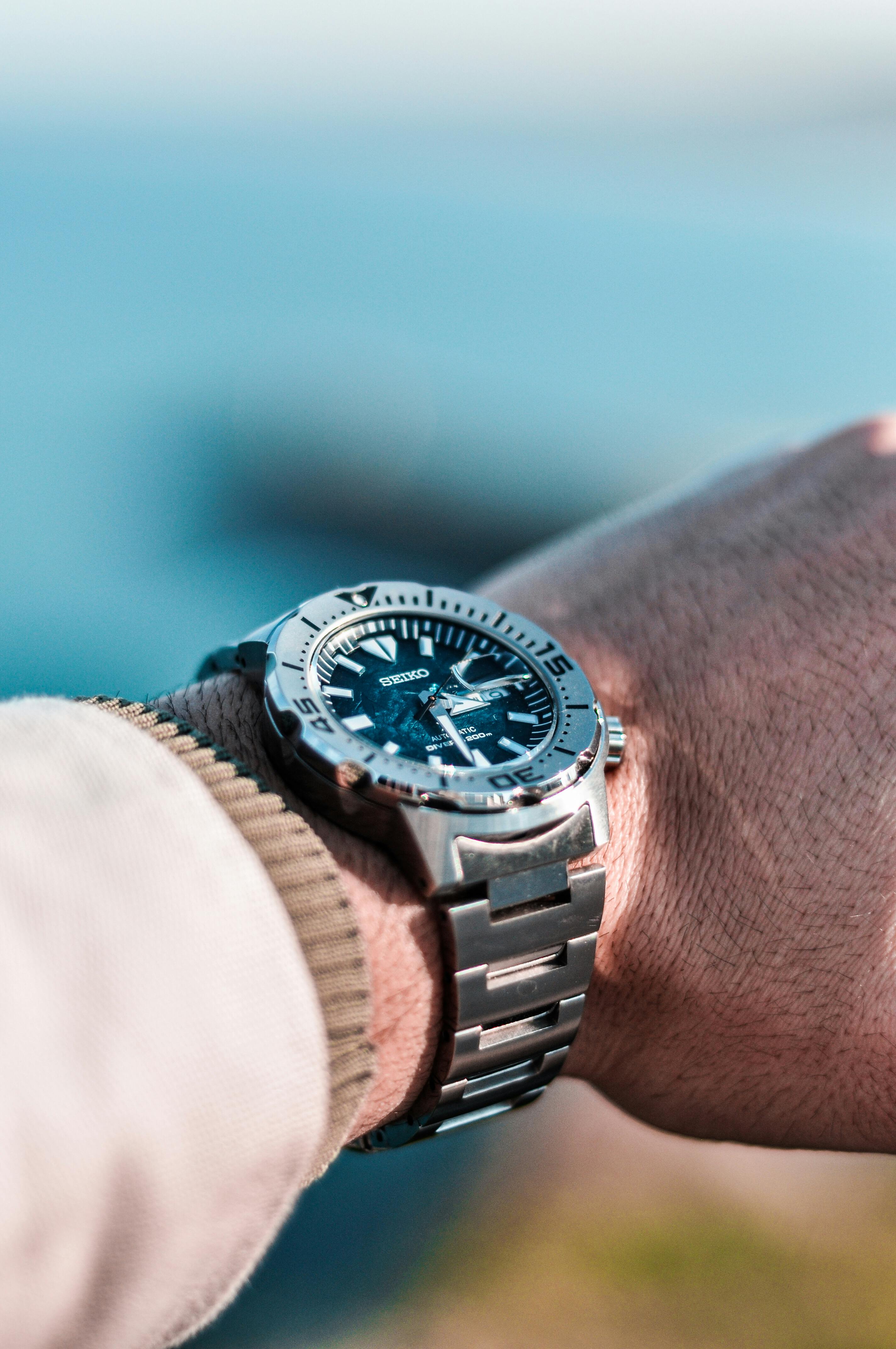
Short and plain. The Seiko x PDM is a limited-edition watch co-created by Seiko and PDM, produced in an edition of 500 pieces, aimed at collectors who appreciate thoughtful detail, tactile finishing, and a story behind the design. When I examined hundreds of luxury releases for years, I learned to separate marketing chatter from real design intent, and here the partnership reads like a focused extension of a previous packaging collaboration—meaning the same visual language that worked in packaging has been translated to dial textures, case finishing, and strap design. Why does that matter? Because unlike many collabs that are only branding exercises, this one shows deliberate choices in Materials and finishing that hint at deeper Heritage in both brands.
Core Benefits / Importance
Short and frank. Limited runs like this matter for collectors because they create a fixed supply, which can force market attention, but scarcity alone is not value—quality, provenance, and narrative are what sustain prices, not simply small numbers. If you ask me, most luxury marketing is pretentious nonsense; the folks who actually benefit are the designers and the wearers who want a piece with a clear point of view and built-in rarity. Here’s the kicker: this watch isn't priced like a novelty; Seiko’s manufacturing scale lets them put nicer movements and finishing in a limited piece without the inflated margins some boutique brands apply, which means buyers can get Complications, robust movement engineering, and high-grade Materials at a more sensible price.
Short aside. Frankly, stewardship matters—both stewarding your money and stewarding the objects you keep—and from a slightly higher view, beauty and good craft direct the mind toward something transcendent, which is worth noting.
Step-by-Step Guide / Selection Process
Short tip first. Decide why you want the watch—wearing, collecting, or investment—and let that guide every choice. I’ve reviewed luxury brands for years, and the first mistake buyers make is purchasing because of hype rather than fit; measure your wrist, consider your wardrobe, and check how the watch's design language aligns with your daily life. Next, inspect the movement: an in-house caliber with meaningful Complications or a nicely regulated automatic will serve you better than a gimmick dial.
Short checklist. Then consider Materials—is this stainless steel of a higher grade, is there any ceramic or sapphire treatment, and how is the strap fastened? Research the collaboration’s provenance; if the PDM partnership began as packaging and evolved to a co-design, look for consistent motifs across both products, as continuity signals genuine collaboration rather than a quick-logo exercise. Finally, check serviceability—limited editions with unique parts can be trickier to service—so confirm Seiko’s support policy and aftermarket options before committing.
Comparison Table
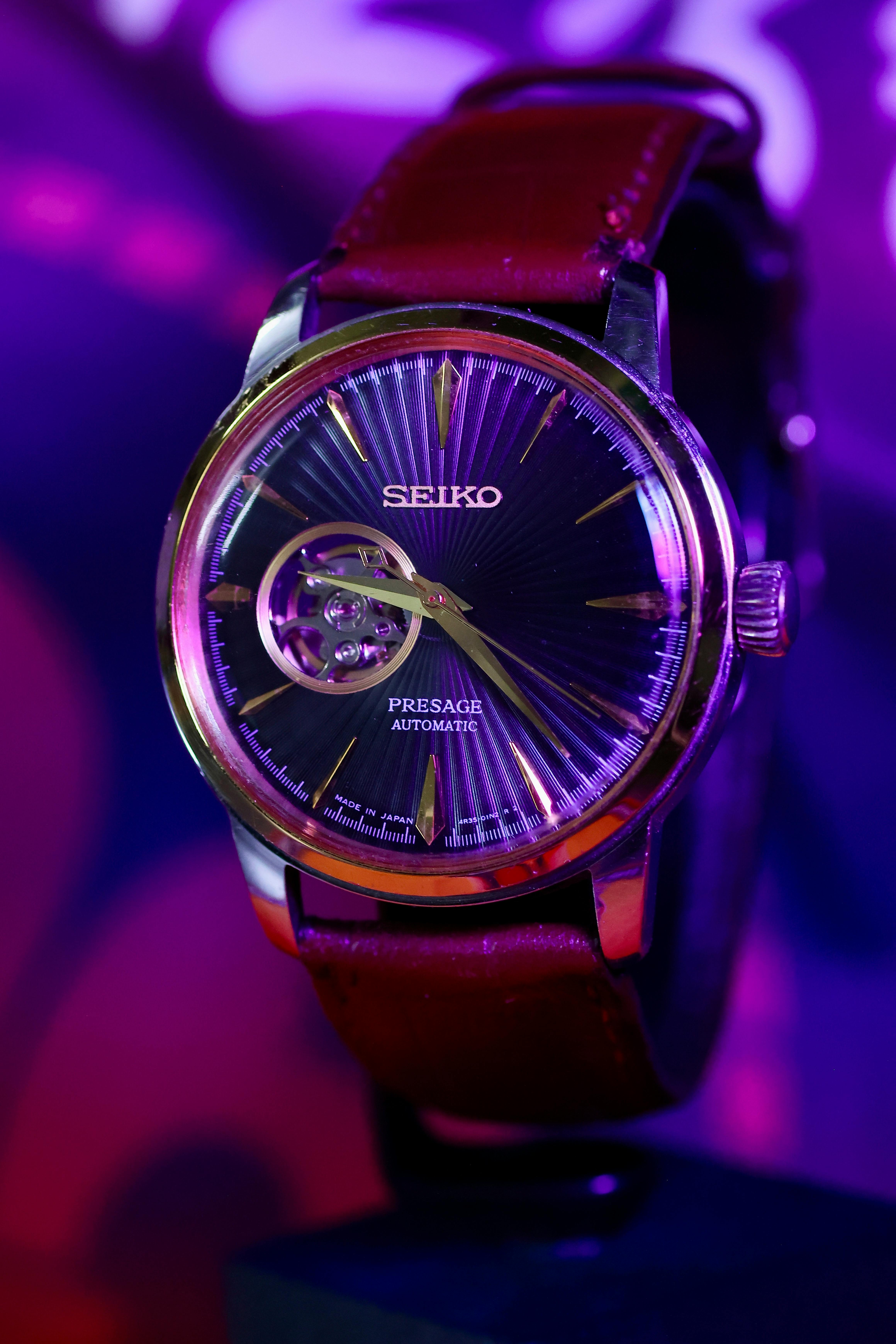
Short setup. Below is a quick comparison between the Seiko x PDM (500 pieces) and a typical Grand Seiko limited model, to give practical context when choosing between accessible-luxury collaborations and premium artisan pieces.
| Feature | **Seiko x PDM (500)** | Grand Seiko Typical Limited |
|---|---:|---:|
| Edition Size | 500 pieces | 100–1,000 pieces |
| Movement | Seiko automatic/regulate (robust, proven) | High-precision Spring Drive or Hi-Beat |
| Materials | Upgraded stainless, sapphire, special dial treatments | Zaratsu-polished cases, high-grade alloys |
| Design Source | Co-designed with PDM, packaging-inspired aesthetic | In-house Grand Seiko design, traditional
Heritage cues |
| Price Positioning | Accessible-luxury tier | Premium-luxury tier |
| Investment Value | Moderate, depends on narrative | Higher historically, but variable |
| Serviceability | Broad Seiko network | Grand Seiko service specialized |
Common Mistakes to Avoid
Short warning. Don’t buy only because the run is small—small numbers don't guarantee future value; many limited pieces are forgotten because they lack true design merit or a credible story. Another classic mistake is neglecting fit—if a 40mm case wears like a 44mm on your wrist, the watch becomes a box-bound ornament, not a daily companion. Beware designs where the collaboration is only a logo swap; those watches often have no deeper connection to the partner's creative identity and therefore lack authenticity.
Short practical tip. Many buyers also ignore aftercare—limited pieces with unique parts can be expensive to maintain, so factor long-term service into your cost analysis. Lastly, don’t confuse slick ad copy for real craft; focus on Craftsmanship, dial finishing, and movement details rather than marketing jargon.
Frequently Asked Questions
Q: Is a 500-piece Seiko collaboration worth buying?
Short answer. If you value design coherence, solid movement specs, and the story behind the co-design, then yes—otherwise treat it like a well-made novelty.
Q: Will this watch rise in value?
Short answer. Resale depends on demand and narrative; watch brand collector communities and auction records rather than social media hype to judge likely appreciation.
Q: How does the Seiko x PDM compare to other Seiko limiteds?
Short answer. It leans more design-forward and packaging-influenced than tactical releases, and its value proposition sits between mainstream Seiko specials and Grand Seiko artisan pieces.
Final thought
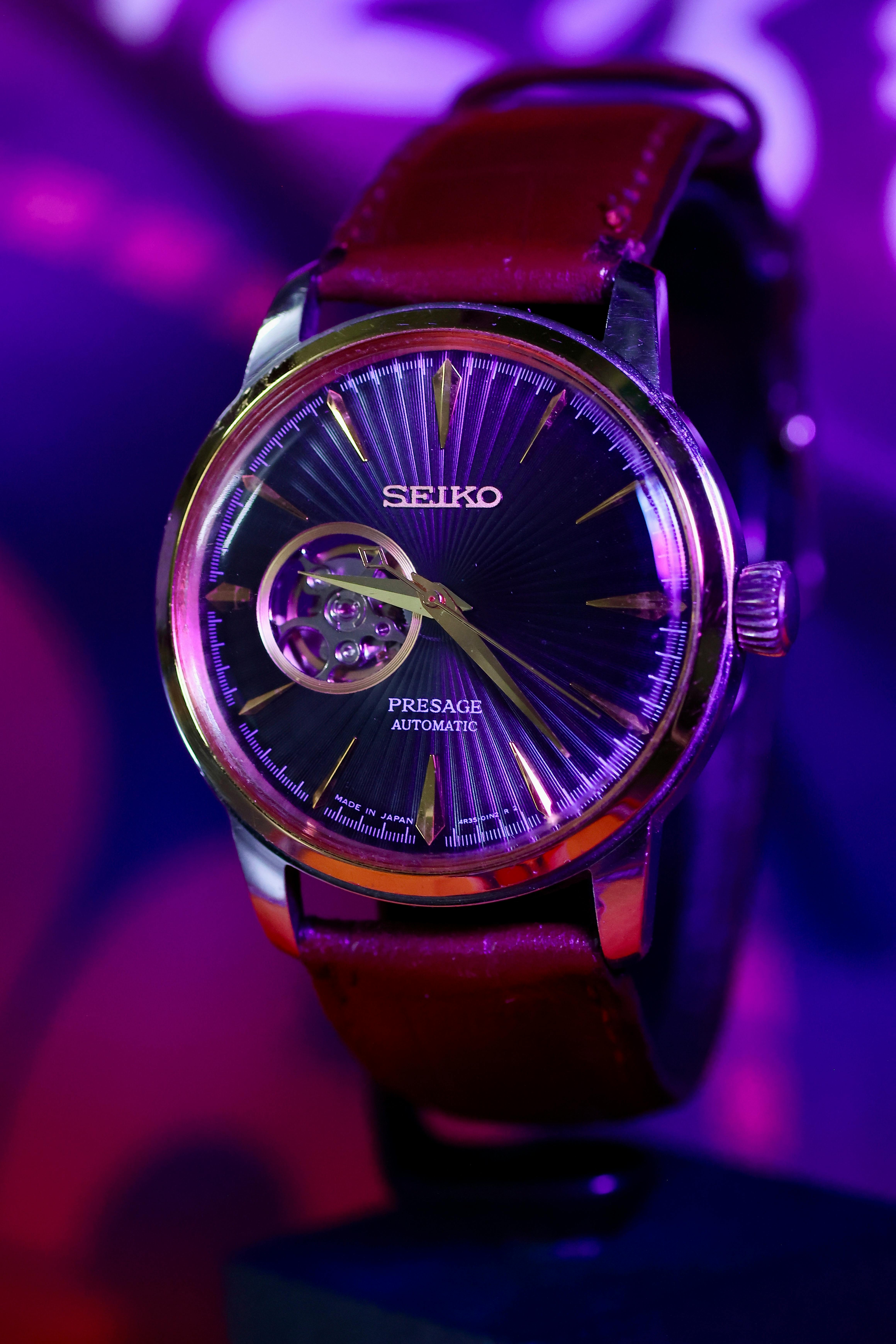
Short and sober. Limited editions like the Seiko x PDM are a reminder that good design and modest scarcity can coexist without cynical pricing strategies. The truth is, when craftsmanship is honored and materials chosen with care, an objet can point beyond itself to dignity and skill—which is not mere luxury, but cultural stewardship at its best. Let’s be real: luxury should reward work well done, respect the hands that made it, and fit into a considered life rather than clutter it.
Short note. If you want to dig deeper, read what industry writers say and compare notes with collector forums; I’ve done the homework so you can make a smarter choice.
Related reading and sources: Seiko official, Hodinkee — Seiko coverage, Fratello Watches — Seiko tag, A Blog To Watch — Seiko articles, Robb Report — Seiko articles.
{
  "@context": "https://schema.org",
  "@type": "FAQPage",
  "mainEntity": [
    {
      "@type": "Question",
      "name": "Is the Seiko x PDM 500-piece run worth buying?",
      "acceptedAnswer": {
        "@type": "Answer",
        "text": "It depends on your priorities: choose it for design coherence and Seiko's reliable movement; avoid it if you're purely speculating on resale value."
      }
    },
    {
      "@type": "Question",
      "name": "Will this limited edition appreciate in value?",
      "acceptedAnswer": {
        "@type": "Answer",
        "text": "Appreciation is possible but not guaranteed; historical demand, provenance, and narrative drive secondary-market performance."
      }
    },
    {
      "@type": "Question",
      "name": "How does this collaboration differ from other Seiko limited editions?",
      "acceptedAnswer": {
        "@type": "Answer",
        "text": "This collaboration is design-led with packaging origins, emphasizing tactile finishes and coherent aesthetics rather than purely commemorative markings."
      }
    }
  ]
}
Internal links for context: Watches, Design, Culture.