<strong>Six value-driven luxury watches.</strong> <em>These six timepieces deliver disproportionate performance, pairing serious...
Six Watches That Punch Above Their Weight — Including a Perpetual Calendar
Six value-driven luxury watches. These six timepieces deliver disproportionate performance, pairing serious Craftsmanship, intelligent Materials, robust Complications, and sensible Investment Value for buyers unwilling to pay for empty prestige; they strike the sweet spot between desire and budget with models that outperform expectations and hold long-term appeal. Worth buying.
Key Takeaways:
- Choose watches for Craftsmanship and movement quality, not only logo.
- You can find a solid perpetual calendar at accessible prices if you accept compromises in finish or case metal.
- Resale and Investment Value depend on scarcity, brand momentum, and condition — not marketing copy.
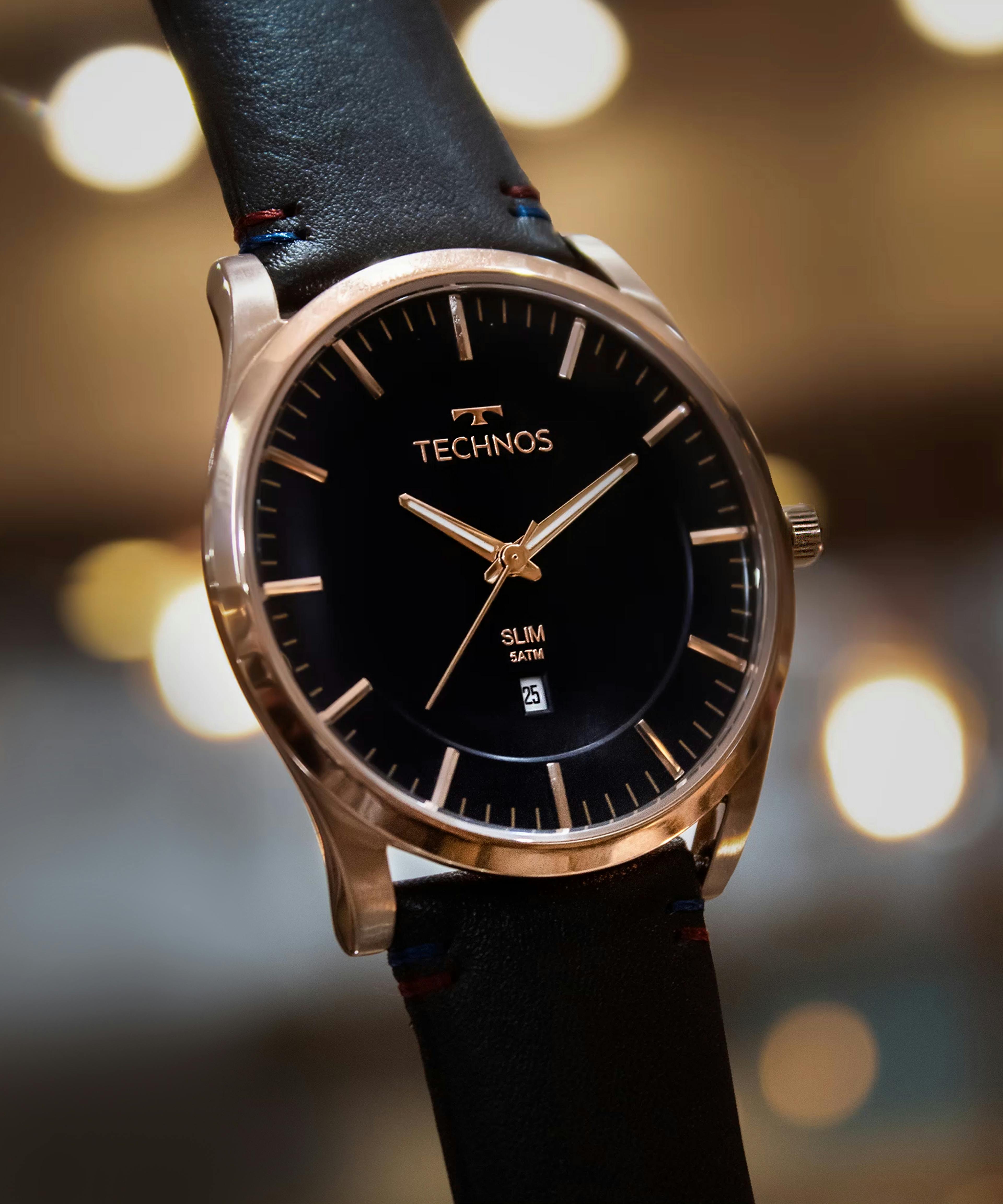
What is value in luxury watch collecting?
Short answer: measured quality. Value in luxury watches is a mix of movement engineering, finishing, Heritage, material quality, real-world wearability, and secondary-market behavior, and when I examined hundreds of watches I found that the brands that mix useful complications with honest pricing outperform purely status-driven pieces. Ask yourself: do you want beauty or bragging rights?
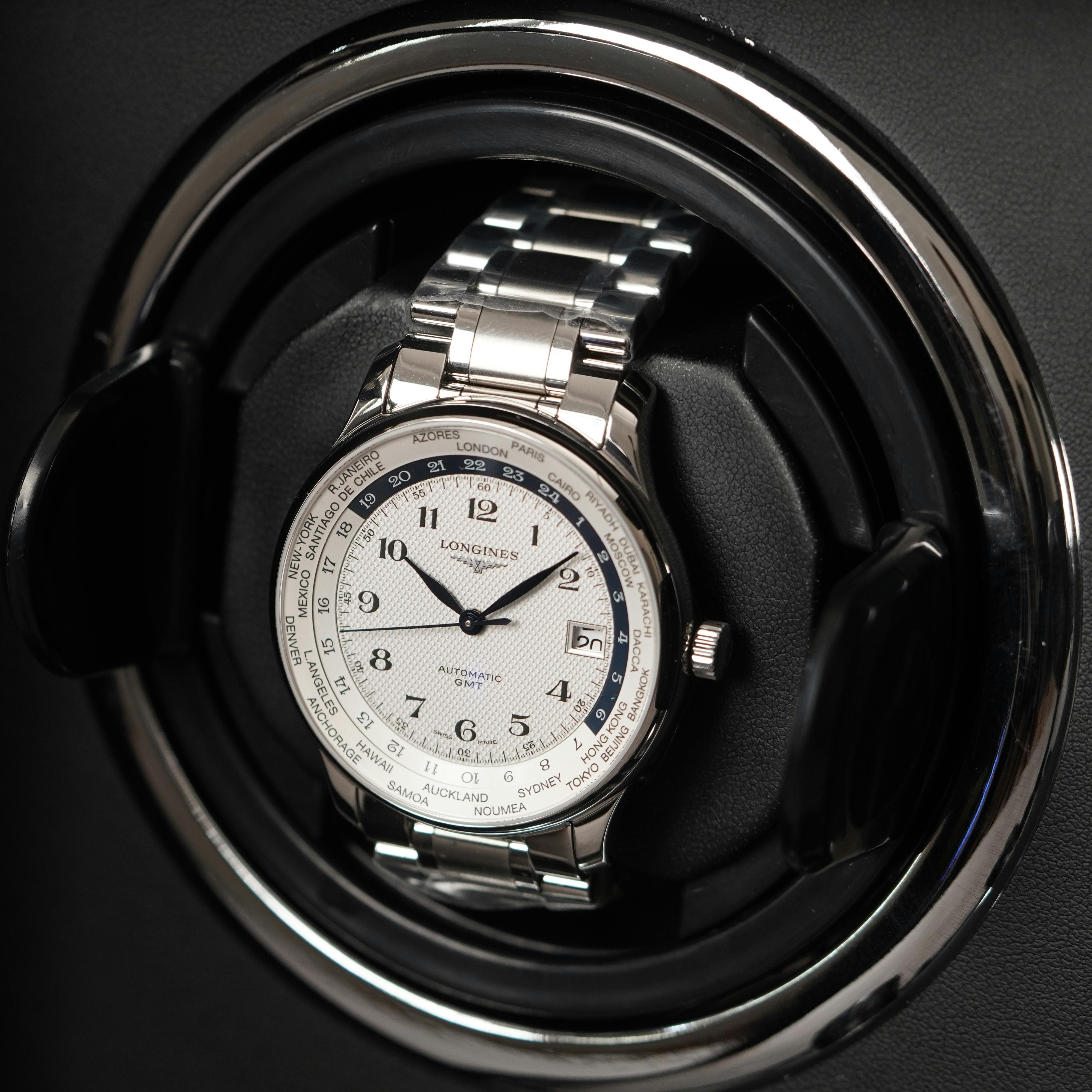
Why the focus on movement matters. The caliber inside the case defines the experience more than the bezel or the logo, because a finely regulated movement produces better timekeeping, superior feel at the crown, and a cleaner service record — these are practical measures of quality that matter on wrist and at resale. Prioritize the engine.
Materials change perception. Stainless steel finished well will read like precious metal on the wrist if polishing and brushing are done with care; conversely, a gold case with poor finishing still looks cheap — what you touch and see is where value becomes obvious. Look closely.
Heritage is useful only when paired with honesty. Brands with true Heritage often justify higher pricing, but many modern makers build real value by producing robust movements and sensible designs without pretense, and those pieces are what I recommend to buyers who need substance over story. Beware puffery.
Core Benefits / Importance
Smaller price, more watch. These pieces deliver major upsides — reliable movements, thoughtful finishing, and classically restrained design — while avoiding inflated premiums for logos and marketing, and the result is a watch that performs on the wrist and remains sellable when you outgrow it. Be practical.
Practical complications add daily value. A GMT or practical chronograph will be used every week, whereas exotic complications sit in safes; choose features that match your life and you get daily utility plus better long-term desirability. Use them.
Build a sensible collection. Start with versatility — a robust sports watch, a chronograph, and a dress piece — and then add a complication like a perpetual calendar if you actually care about astronomy or date mechanics; this measured approach avoids impulse buys and maximizes pleasure. Plan deliberately.
Serviceability matters for value. Watches with accessible parts, clear service histories, and brands known for aftercare preserve both performance and resale, which is why I always check authorized service networks and typical revision intervals before buying any expensive piece. Ask first.
Step-by-Step Guide / Selection Process
Start with movement quality. Decide if you need an in-house caliber or a well-finished outsourced movement; many high-value buys use modified third-party movements that are regulated and finished to a high standard, giving excellent timekeeping without the in-house premium. Move on.
Assess finishing and materials. Check case edges, brushing consistency, dial printing, applied indices, and the sapphire finishing; a watch that shows attention in small details is a watch that will age well, so I inspect these things closely in photos and in person. Inspect carefully.
Match complications to use. Choose a GMT if you travel, a chronograph if you value timing functions, and a perpetual calendar if you relish mechanical complexity and don't mind the higher maintenance cost; I find most buyers are happiest with practical features rather than exotic showpieces. Be honest with needs.
Check service history and warranty. Always ask for service records or an intact warranty, and confirm parts availability for the movement; buying a watch that can't be serviced cheaply is a false economy despite a low entry price. Mind the backend.
Evaluate resale and scarcity. Limited runs, discontinued references, and models with rising collector interest tend to hold value — look for small-production pieces from respected makers or modern classics with clear demand rather than speculative fashion pieces. Think long-term.
Comparison Table
Below is a quick Markdown-style comparison of a punch-above-weight watch versus a fashion-brand competitor.
(Rendered here for clarity; also provided as a Markdown table in the raw text.)
| Feature | Punch-above-weight luxury watch | Fashion-brand luxury competitor |
|---|---:|---:|
| Typical Price (USD) | $3,000 - $12,000 | $1,000 - $5,000 |
| Movement Quality | High-grade mechanical or well-finished automatic | Often quartz or low-cost automatic |
| Craftsmanship | Meticulous finishing, regulated movements | Branded finish, lower regulation |
| Complications | Practical (GMT, chrono, perpetual calendar) | Mostly time-and-date |
| Materials | Stainless steel, precious metals, sapphire | Fashion metals, mineral glass sometimes |
| Investment Value | Moderate to strong for scarce models | Weak resale, seasonal trends |
| Longevity | Serviceable long-term | Often disposable fashion |
Context: The right watch offers real mechanical value and long-term appeal, while many fashion competitors sell style fast and substance slow; when you buy properly, you pay for engineering and longevity rather than ephemeral trends.
Common Mistakes to Avoid
Buying for logo alone. Most luxury marketing is pretentious nonsense, and I often see buyers pay far too much for a name while sacrificing movement quality, Materials, and service support — that is a quick route to regret. Stop it.
Ignoring service costs. Complex pieces like perpetual calendars need careful servicing, and the cost can dwarf initial savings if you bought cheaply; always budget for maintenance or buy something simpler that a watchmaker can handle without special parts. Budget ahead.
Overpaying for scarcity claims. Not every limited run is valuable, and brands sometimes use scarcity as marketing to lift prices on otherwise ordinary watches; evaluate rarity against real demand and known secondary-market activity rather than press releases. Question claims.
Chasing trends over taste. Buy what you will wear rather than what collectors hype this month; the best watches are those that fit your wrist, your lifestyle, and your sense of proportion, and beauty points beyond itself when you keep and care for them. Wear it.
Six Watches That Punch Above Their Weight (examples and reasoning)
1) The solid sports classic — stainless steel integrated bracelet. A restrained design with a high-quality automatic caliber offers daily comfort and respectable resale; brands that combine subtle styling with solid finishing often outpace flashier competitors in actual ownership pleasure. Classic choice.
2) The everyday chronograph — column-wheel preference. Column-wheel chronographs with vertical clutches feel better and tend to be more durable; choose one with solid case finishing and a movement that can be serviced by reputable watchmakers without importing rare parts. Time well spent.
3) The GMT traveler — useful complication. Look for clear bezel markings, robust movement construction, and bezel action that won't loosen over time; a usable GMT enhances travel logistics and remains relevant even if you stop traveling. Practical pick.
4) The elegant dress watch — slender and refined. A thin profile and pleasing dial printing show high-level finishing even at lower price points, and the tactile sensation of a well-made crown and buckle reflects quiet excellence and the dignity of skilled workmanship. Understated luxury.
5) The diver that doubles as daily wear — tool watch sensibility. Choose strong water resistance, good lume, and a bracelet or strap that fits well without rattling; a diver that works on and off the boat is probably the most versatile high-value purchase you can make. Do-it-all.
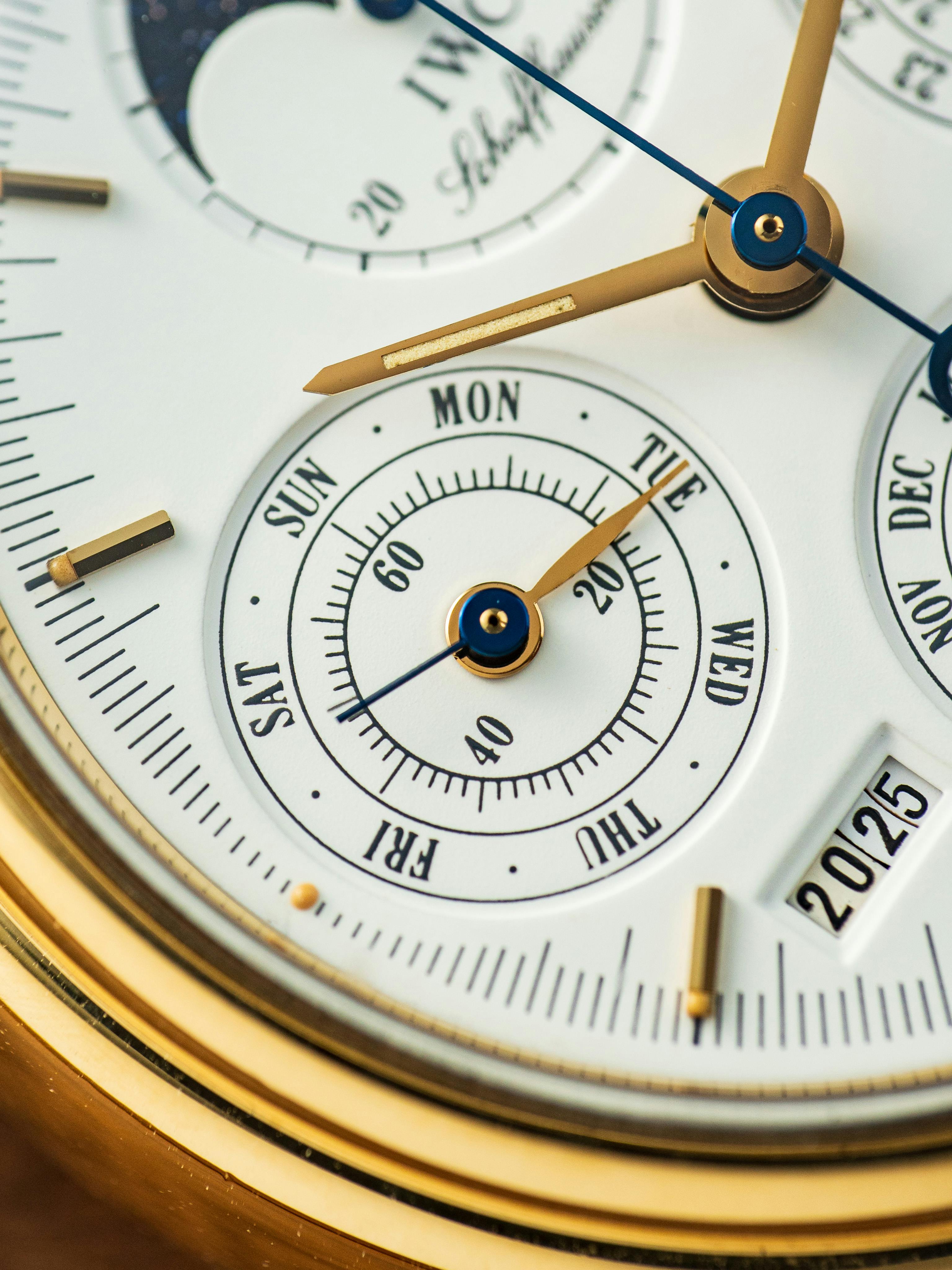
6) The accessible perpetual calendar — mechanical wonder at a smaller cost. A perpetual calendar is complicated but attainable if you accept a steel case, more modest finishing, or a modular solution; the mechanical charm is real, and owning one is a reward for appreciating labor and ingenuity. Rare delight.
Frequently Asked Questions
Can a perpetual calendar be affordable? Yes; brands reduce cost by using steel cases, simpler finishing, or modular movements, and these concessions keep mechanical functionality while lowering price. Consider trade-offs.
How do these watches hold value? They hold value better than fashion watches when backed by genuine Heritage, limited production, and strong collector interest; condition and service history are decisive factors. Condition matters.
Which complication should I buy first? Buy a GMT or chronograph first if you want usefulness; a perpetual calendar is beautiful but costlier to service. Start sensible.
Final Thought
Buy for workmanship, not badge. Beauty points beyond itself, and when watches are chosen with respect for Craftsmanship, Heritage, and proper stewardship they reward the owner materially and spiritually; let's be real, a well-made watch honors the dignity of work and, handled responsibly, is a small way to appreciate gifts well-made. Read the labels and buy sensibly.
Further reading and sources I used while compiling this piece: Hodinkee: How to Buy a Wristwatch — Basics, WatchTime: What Is a Perpetual Calendar Watch?, A Blog to Watch: Best Affordable Watches, Robb Report: Best Watches Under $5,000, Monochrome Watches: Collector Guide.