Tokyo’s best luxury hotels combine precision, privacy, service, and serious design. The city’s top properties are not just places to sleep; they are...
Tokyo’s best luxury hotels combine precision, privacy, service, and serious design. The city’s top properties are not just places to sleep; they are carefully run machines for comfort, cuisine, and calm, where craftsmanship shows up in the sheets, the lighting, the tea service, and the way staff anticipate needs before you speak. Most luxury hotel marketing is noise, frankly, but Tokyo still delivers the real thing.
Key Takeaways
- Tokyo’s luxury hotels stand out for service, location, design, and consistency.
- The best hotel for you depends on whether you want skyline views, classic elegance, modern minimalism, or easy access to shopping and dining.
- Price does not always equal quality; some of Tokyo’s strongest hotels win on quiet discipline rather than flashy extras.
- Look for executive lounges, spa access, Michelin-level dining, and easy transit connections.
- Tokyo rewards travelers who value order, restraint, and excellence—the sort of virtues that, in a sane world, ought to matter everywhere.
What is the best luxury hotel in Tokyo?
The best luxury hotel in Tokyo is the one that fits the trip, not the brochure. That sounds obvious, because it is. Yet people keep choosing hotels the way they buy handbags—by logo, not by use. In Tokyo, the top tier includes Aman Tokyo, The Peninsula Tokyo, The Okura Tokyo, Park Hyatt Tokyo, The Ritz-Carlton, Tokyo, Mandarin Oriental, Tokyo, Shangri-La Tokyo, Conrad Tokyo, Palace Hotel Tokyo, and The Tokyo Station Hotel.
These properties are strong for different reasons. Aman Tokyo is the minimalist cathedral of calm, perched above the city with a sense of disciplined hush that borders on monastic. The Peninsula Tokyo brings polish and generous service in the Marunouchi district, near major business and shopping hubs. The Okura Tokyo keeps a refined, Japanese-inflected sense of place, while Palace Hotel Tokyo offers rare serenity beside the Imperial Palace Gardens. If you want dramatic city views and a vertical-luxury experience, The Ritz-Carlton, Tokyo and Mandarin Oriental, Tokyo are hard to ignore.
I’ve reviewed luxury hotels for years, and here’s what actually matters: a good Tokyo luxury hotel does not scream. It respects your time. It gives you quiet corridors, excellent bedding, excellent water pressure, a competent concierge, and a room that feels like a private retreat rather than a branded showroom. Beauty here is not decoration alone; it is order, proportion, and the dignity of careful work.
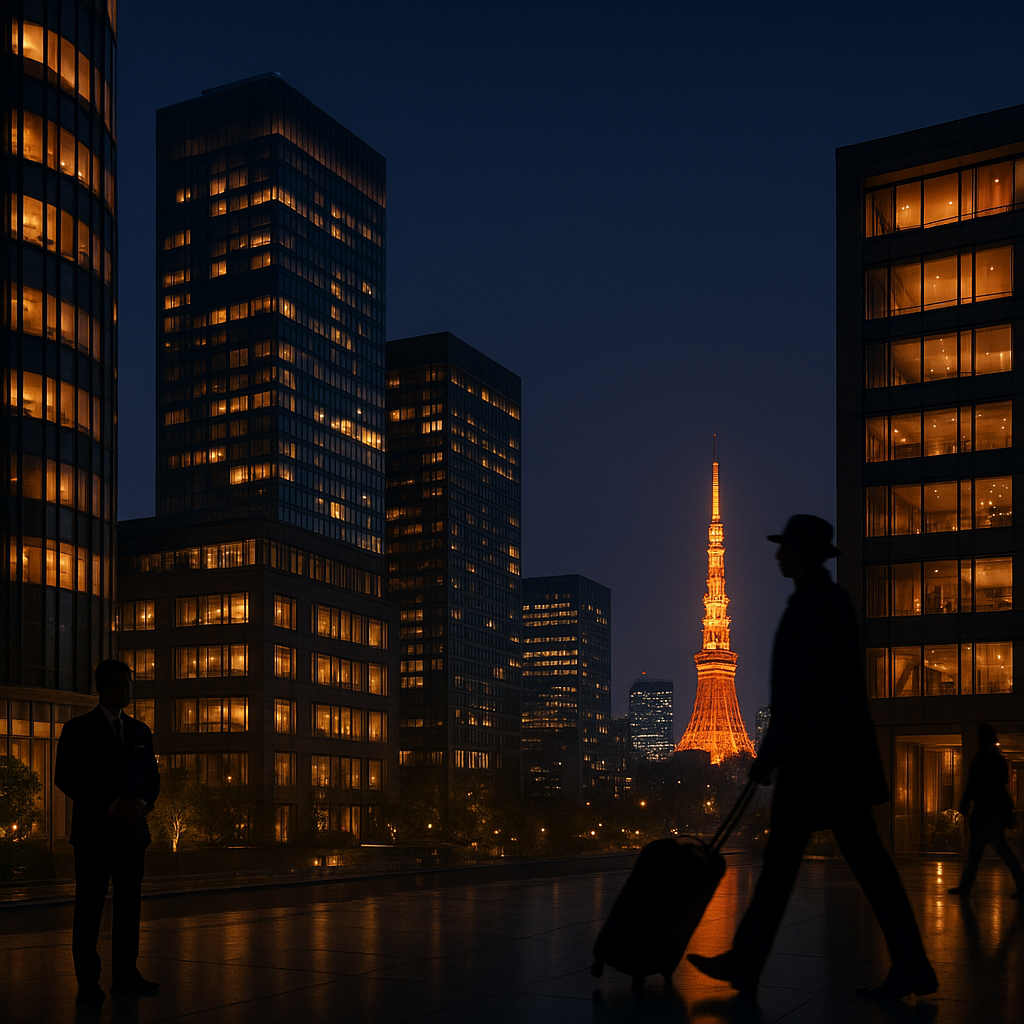
Why luxury hotels in Tokyo matter
Tokyo luxury hotels matter because the city is intense. The streets are busy, the train stations are vast, and the pace can chew up a traveler who has not planned properly. A good hotel becomes a buffer. A great one becomes a sanctuary.
- Location saves energy. Tokyo is not a city where a bad location can be brushed off. If you stay too far from where you need to be, you spend the day commuting instead of living.
- Service is the point. Japanese hospitality, or omotenashi, is real when executed properly. The best hotels understand that discretion is not coldness; it is respect.
- Design affects mood. A room that is quiet, balanced, and well lit changes how a trip feels. Cheap clutter is spiritual fatigue, and yes, that applies to luxury too.
- Dining raises the value. Many top Tokyo hotels have restaurants worth planning a stay around, especially for sushi, kaiseki, French cuisine, and afternoon tea.
- Wellness matters. Spas, pools, and fitness facilities are not fluff when you are recovering from long-haul flights or packed business meetings.
Here’s the kicker: Tokyo luxury hotels often justify themselves not through extravagance, but through restraint. That is a very Japanese strength. The room may not be the largest in the world, but it will be exact. The towels will be thick. The concierge will be sharp. The minibar will be better than it needs to be. In a city built on excellence, laziness sticks out like a bad tie.
How to choose the right luxury hotel in Tokyo
Choosing well takes more than comparing star ratings. It takes judgment. That is rare online, so I’ll provide some.
- Pick your district first. Marunouchi, Shinjuku, Ginza, Roppongi, Nihonbashi, and Shiodome all offer different moods. If you want business access and polished calm, look at Marunouchi or Nihonbashi. If you want nightlife and views, Shinjuku or Roppongi may fit better.
- Decide what luxury means to you. For some travelers, luxury is a skyline suite. For others, it is silence, a large bathtub, and a hotel that never wastes your time. Do not pretend these are the same thing.
- Check the room size and layout. Tokyo rooms can be smaller than those in New York or Dubai, even at expensive properties. Measure the experience, not the marketing language.
- Review the food options. If you care about dining, the hotel should have at least one restaurant or bar you would actually choose on purpose, not merely tolerate. Tokyo has serious culinary standards, and hotels that ignore this are behind the curve.
- Study service style. Some properties are more formal, others more warm. Neither is automatically better. I prefer competent warmth over syrupy script-reading, because life is too short for fake smiles.
- Look at transit access. Tokyo’s train network is excellent, but hotel location still matters. A direct connection or short taxi ride can save a surprising amount of time and irritation.
- Compare the extras honestly. Executive lounges, spa access, airport transfers, and laundry services can make a big difference. Fancy wallpaper does not.
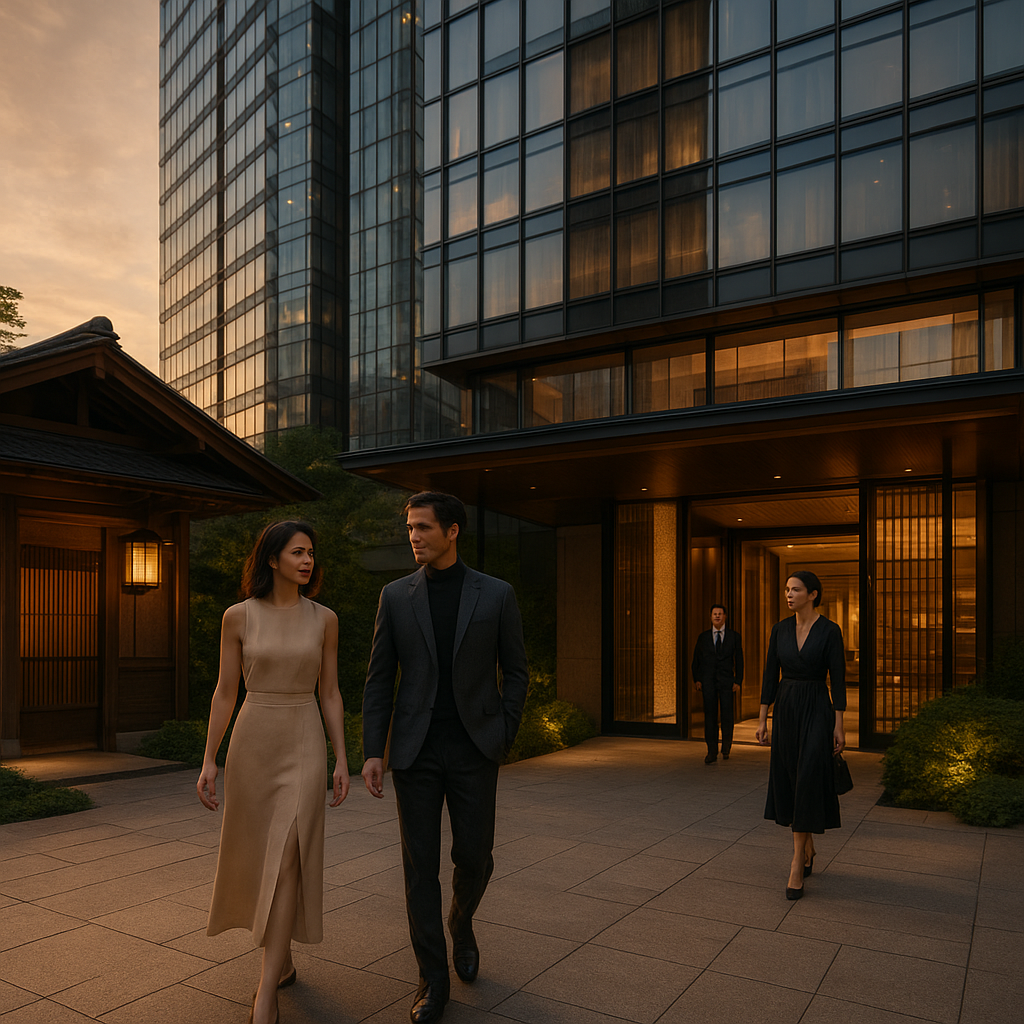
Comparison table: Tokyo luxury hotels vs premium competitors
| Property | Best For | Style | Strengths | Trade-Offs |
|---|
| Aman Tokyo | Quiet luxury, design lovers | Minimalist, serene | Exceptional calm, strong spa, dramatic views | High price, fewer social buzz factors |
| The Peninsula Tokyo | Service, city access | Classic polished luxury | Strong location, polished rooms, dependable service | Less distinctive design character |
| The Okura Tokyo | Japanese elegance | Refined, traditional-modern | Heritage feel, spacious rooms, excellent reputation | More understated than some rivals |
| Park Hyatt Tokyo | Film fans, skyline views | Sophisticated, atmospheric | Legendary views, mature service, iconic status | Some travelers find it less current after renovations |
| The Ritz-Carlton, Tokyo | High-rise glamour | Contemporary luxury | Fantastic views, broad amenities, strong dining | Busy tower-hotel feel |
| Mandarin Oriental, Tokyo | Dining and wellness | Modern, elegant | Top-tier restaurants, spa, strong service | View and room preference can vary by category |
| Shangri-La Tokyo | Central access, comfort | Warm, refined | Excellent station access, strong room comfort | More corporate in feel |
| Conrad Tokyo | Business travelers | Modern, efficient | Great bay views, consistent service | Less intimate than boutique-style rivals |
| Palace Hotel Tokyo | Park views, serenity | Calm, noble | Beautiful setting, excellent tranquility | Not the best choice for nightlife seekers |
| The Tokyo Station Hotel | History, convenience | Heritage elegance | Unique location, classic atmosphere | Smaller footprint than resort-style peers |
The 10 best luxury hotels in Tokyo
1. Aman Tokyo
Aman Tokyo is the standard-bearer for modern serenity in the city. The hotel sits high above Otemachi, and its interiors are all about space, shadow, stone, and silence. That may sound austere on paper. In person, it feels luxurious because it removes friction.
The rooms are large by Tokyo standards, the spa is excellent, and the design is disciplined without feeling cold. Every surface seems chosen rather than bought. I respect that. Too many luxury properties confuse excess with refinement. Aman does not make that mistake.
If your ideal stay includes long baths, clear views, and a strong sense of withdrawal from the city below, this is one of Tokyo’s best choices.
2. The Peninsula Tokyo
The Peninsula Tokyo is a polished classic with a superb location near the Imperial Palace and Ginza. It is one of the city’s most dependable luxury hotels, which is not a small compliment. In hospitality, consistency is rarer than hype.
The rooms are spacious, the service is attentive, and the hotel has a reputation for getting the details right. The driving experience matters too; arrival feels smooth and deliberate. That sounds minor until you’ve spent a day fighting taxis and crowds.
The Peninsula suits travelers who want an elegant base with easy access to shopping, restaurants, and central Tokyo business areas.
3. The Okura Tokyo
The Okura Tokyo has deep roots in Japanese hospitality and design. The refreshed property preserves a sense of heritage while updating the rooms and facilities for modern travelers. This matters because too many renovations strip away a hotel’s soul and leave behind an expensive blank box.
Here, the balance is better. The atmosphere is composed, the rooms are generous, and the hotel still carries a distinctly Japanese sense of proportion. It is graceful without showing off.
If you value tradition, thoughtful design, and a quieter kind of luxury, The Okura deserves serious attention.
4. Park Hyatt Tokyo
Park Hyatt Tokyo is iconic for a reason. It became famous through film, but it stayed relevant because the experience remains strong. The tower setting gives you dramatic views, and the hotel carries an old-school sophistication that many newer properties cannot fake.
The hotel has a certain gravitas. Not stiff, not flashy. Just assured. Service is professional, the rooms feel composed, and the overall effect is one of mature luxury. Some travelers prefer more contemporary styling, but I find the depth of personality persuasive.
Choose this if you want atmosphere and skyline views with a refined edge.
5. The Ritz-Carlton, Tokyo
The Ritz-Carlton, Tokyo is a skyscraper hotel with serious scale. It offers grand views, multiple dining options, a strong spa, and a high level of service. The higher floors create the kind of perspective that makes Tokyo feel both immense and orderly.
The rooms are elegant and comfortable, with materials and finishes that feel suitably premium. The hotel is especially attractive to travelers who want amenities and visibility. It is not subtle, but then again, not every trip needs to be subtle.
If you like a more cosmopolitan, full-service experience, this is one of the city’s heavyweights.
6. Mandarin Oriental, Tokyo
Mandarin Oriental, Tokyo combines polished service with one of the best culinary reputations in the city. That alone gives it leverage. In a city where food standards are unforgiving, a hotel with a strong restaurant and bar program has an advantage.
The rooms are stylish, the views are excellent, and the wellness facilities are strong. The property feels sleek and international, but not soulless. That is difficult to pull off.
For travelers who care about dining, spa time, and a central position, it is among Tokyo’s strongest luxury hotels.
7. Shangri-La Tokyo
Shangri-La Tokyo offers excellent access near Tokyo Station, which is highly practical and often underrated. People get obsessed with glamorous districts and then complain about logistics. Foolish, but common.
The rooms are comfortable, the service is warm, and the hotel is especially useful for travelers who plan day trips or arrive by Shinkansen. It has a calmer, more business-friendly profile than some of the more theatrical luxury competitors.
If you want a refined stay with strong transport convenience, this is a very smart option.
8. Conrad Tokyo
Conrad Tokyo brings modern luxury to the Shiodome area, with bay views and a sleek, business-leaning atmosphere. It works well for travelers who want efficient service, strong room standards, and easy access to both central Tokyo and waterfront areas.
The hotel’s interiors are contemporary and functional without feeling sterile. The rooms are generous, and the views can be excellent depending on category. It is not the most romantic choice, but it is a very capable hotel.
Choose Conrad if your trip is split between meetings, sightseeing, and a need for reliable comfort.
9. Palace Hotel Tokyo
Palace Hotel Tokyo enjoys a prime position next to the Imperial Palace, and that setting matters. It provides rare calm in the middle of one of the world’s biggest cities. The atmosphere is elegant, almost contemplative.
The rooms are beautifully finished, the service is understated, and the connection to the surrounding greenery gives the hotel an advantage over more enclosed properties. In a city where so many hotels are vertical and intense, this one feels open.
If you want tranquility with a sense of place, Palace Hotel Tokyo belongs near the top of your list.
10. The Tokyo Station Hotel
The Tokyo Station Hotel is a different kind of luxury. Instead of height, it offers heritage. The building’s historic architecture and central location create a memorable stay that feels tied to Tokyo’s civic memory.
The rooms are comfortable, the setting is extraordinarily convenient, and the mood is distinctive. It is a hotel for travelers who appreciate craftsmanship, history, and direct access to transport. That combination is valuable.
I have a weakness for hotels that respect the past. Not because old automatically means good, but because continuity matters when it is done with care.

Common mistakes to avoid
People make luxury hotel choices badly because they chase the wrong signals. Frankly, the internet encourages this. Here’s what to avoid.
- Choosing by brand alone. A famous name does not guarantee the best fit. Some properties are better for your needs than others.
- Ignoring location. Tokyo is too large and too busy for this mistake. If your hotel is in the wrong district, you will feel it every day.
- Overvaluing room size alone. A big room with poor service is just a large disappointment.
- Assuming newer is better. Some renovated or heritage properties offer better atmosphere than shiny newcomers.
- Forgetting the purpose of the trip. Business, romance, shopping, dining, and sightseeing all point to different hotels.
- Believing all five-star hotels are equal. They are not. That would be convenient, but reality refuses to cooperate.
Most bad advice sounds confident. That does not make it true. The better question is what the hotel will feel like after the first hour, not what the marketing copy promises. Good hospitality is a form of stewardship: someone has cared for the space, the staff, and the guest with discipline. When that is missing, the whole thing falls flat.
For travelers who want a broader sense of Japanese hospitality standards, it can help to read how luxury hospitality is evolving in Japan, or compare property styles against international benchmarks from sources like Condé Nast Traveler and Forbes Travel Guide. For city-specific planning, Tokyo’s tourism resources also help explain district differences and transport links.
Frequently Asked Questions
What is the most luxurious hotel in Tokyo?
It depends on what you mean by luxury. If you mean design and calm, Aman Tokyo is often the top answer. If you mean classic service and city access, The Peninsula Tokyo and The Ritz-Carlton, Tokyo are strong contenders.
Which Tokyo hotel has the best view?
The Ritz-Carlton, Tokyo, Aman Tokyo, Park Hyatt Tokyo, and Conrad Tokyo are all known for standout skyline or bay views, depending on room category.
Are Tokyo luxury hotels worth the price?
Often, yes. But only if you value service, location, and consistency. If you only want a bed, then no—buy a cheaper room and spend the savings on food, which in Tokyo is usually the smarter splurge.
Which area is best for luxury hotels in Tokyo?
Marunouchi, Ginza, Otemachi, Roppongi, and Shiodome are among the best areas, depending on whether you want business access, shopping, nightlife, or quiet central convenience.
Final thought
The best luxury hotel in Tokyo is not necessarily the most expensive one. It is the one that makes the city feel intelligible, calm, and worth your time. That matters more than spectacle. Luxury should not be vulgar noise dressed up as prestige; it should be excellence used well, with order, grace, and a little humility.
Tokyo is a city that understands this better than most places. The finest hotels here reflect a deeper truth about good craftsmanship: when something is made properly, it serves people without shouting about itself. That is not just hotel design. It is a decent way to live.
If you choose carefully, your hotel will do more than house you. It will shape the trip, steady your mind, and give the day a proper frame. That, in the end, is what premium hospitality is for.