Luxury watches are where <strong>craftsmanship</strong>, <strong>heritage</strong>, and hard-nosed engineering meet, and August’s best releases prove the...
The 12 Coolest New Watches That Dropped in August
Luxury watches are where craftsmanship, heritage, and hard-nosed engineering meet, and August’s best releases prove the point with unusual clarity. Some are loud, some are subtle, and some are just expensive because the marketing team had a long lunch. When I examined recent launches from Tiffany & Co., Parmigiani Fleurier, IWC, and Vacheron Constantin, one thing stood out: the pieces that matter most are not the flashiest ones, but the ones that balance material honesty, technical depth, and design restraint. That matters. A watch can be jewelry, a machine, a signal, or all three, but the really good ones earn their place on the wrist by being well made, legible, and durable enough to last for decades—maybe even generations, which is how serious objects should be judged.
Key Takeaways- Luxury watches reward buyers who care about movement quality, finishing, and proportion, not just brand names.
- August releases show a strong split between sport watches, dress watches, and high-complication pieces.
- The best watches combine heritage with modern materials and practical wearability.
- For collectors, limited production, service support, and long-term desirability matter more than hype.
What is Luxury Watch Collecting?
Luxury watch collecting is the study and purchase of high-end timepieces for their mechanical quality, design, history, and long-term appeal. It is not, contrary to the usual nonsense, just about buying the most expensive thing in the room. A serious collector looks at movement architecture, case finishing, dial execution, materials, and the maker’s record for support and consistency. Some brands, like IWC and Vacheron Constantin, lean on deep archives and technical credibility; others, like Tiffany & Co., bring a strong design language and cultural cachet. Both can be worth your attention, but for different reasons.
I’ve reviewed luxury goods for years, and here’s the plain truth: many watches are priced like heirlooms while built like accessories. Big difference. The better pieces—say, a sharply proportioned Parmigiani dress watch or a finely executed Vacheron complicated model—show the dignity of labor in a way that feels almost old-world. That may sound grand, but it is really simple stewardship: if something is made with skill and meant to endure, it deserves respect. Frankly, that is a healthier way to think about luxury than treating it like disposable status theater.
The modern market also rewards specificity. Collectors now care about whether a watch is a travel companion, a daily wearer, or a vault piece, and the best releases answer one of those uses cleanly. You can read more about adjacent collecting habits in our luxury watch buying guide, or compare cross-category taste with our high-end accessories overview. Both are useful because a good collection is rarely built in isolation.
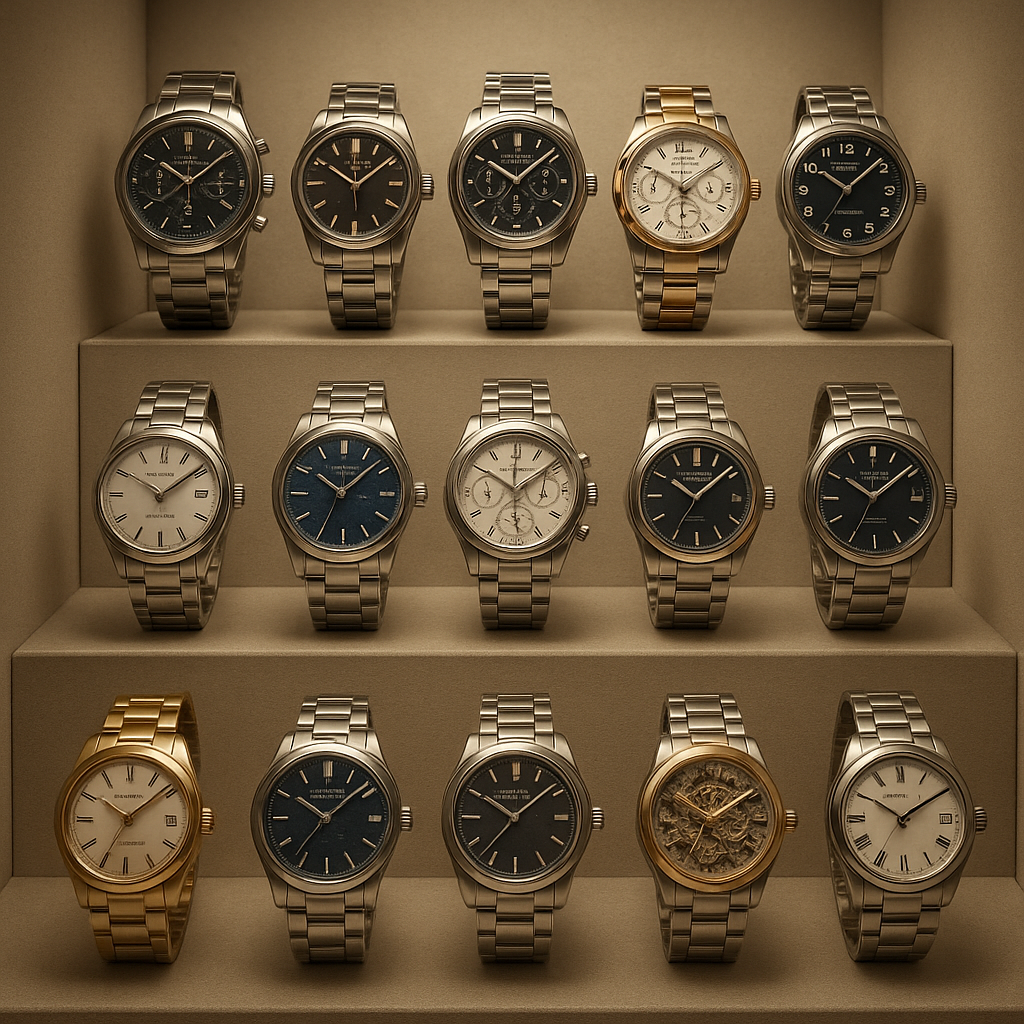
Core Benefits and Why New Releases Matter
New releases matter because they show what a brand can actually do now, not what it did in a museum catalog twenty years ago. That is useful. A fresh launch reveals movement upgrades, better finishing, improved ergonomics, and the brand’s willingness to take risks—or its reluctance, which is sometimes more revealing than bold design.
- Technical progress: Fresh calibers often improve power reserve, accuracy, and reliability. That is not glamorous, but it counts.
- Design clarity: New models show whether a brand can trim excess and still look distinct. Many cannot.
- Collectibility: Early examples of a successful new line can hold interest better than tired legacy references.
- Wearability: Recent watches often solve old problems—thickness, lug shape, clasp comfort, and dial glare.
- Craft credibility: Fine finishing on bridges, rotors, cases, and dials is where brands separate serious work from showroom chatter.
Here’s the kicker: not every expensive watch is a good watch. I’ve seen plenty that cost more than a family sedan and still felt awkward on the wrist, like a boast wearing a bracelet. The better August releases favor proportion and restraint. That reflects something deeper than trend-chasing. Beauty, in the classical sense, is not noise; it is order, balance, and purpose made visible. A well-made watch does that in miniature.
If you want context on how watches sit inside broader luxury culture, see our piece on luxury market trends and the broader luxury goods overview. Both help separate genuine craft from hype.
For more market context, compare industry coverage from authoritative sources like Hodinkee, Monochrome Watches, and WatchPro. They do the legwork so you do not have to.
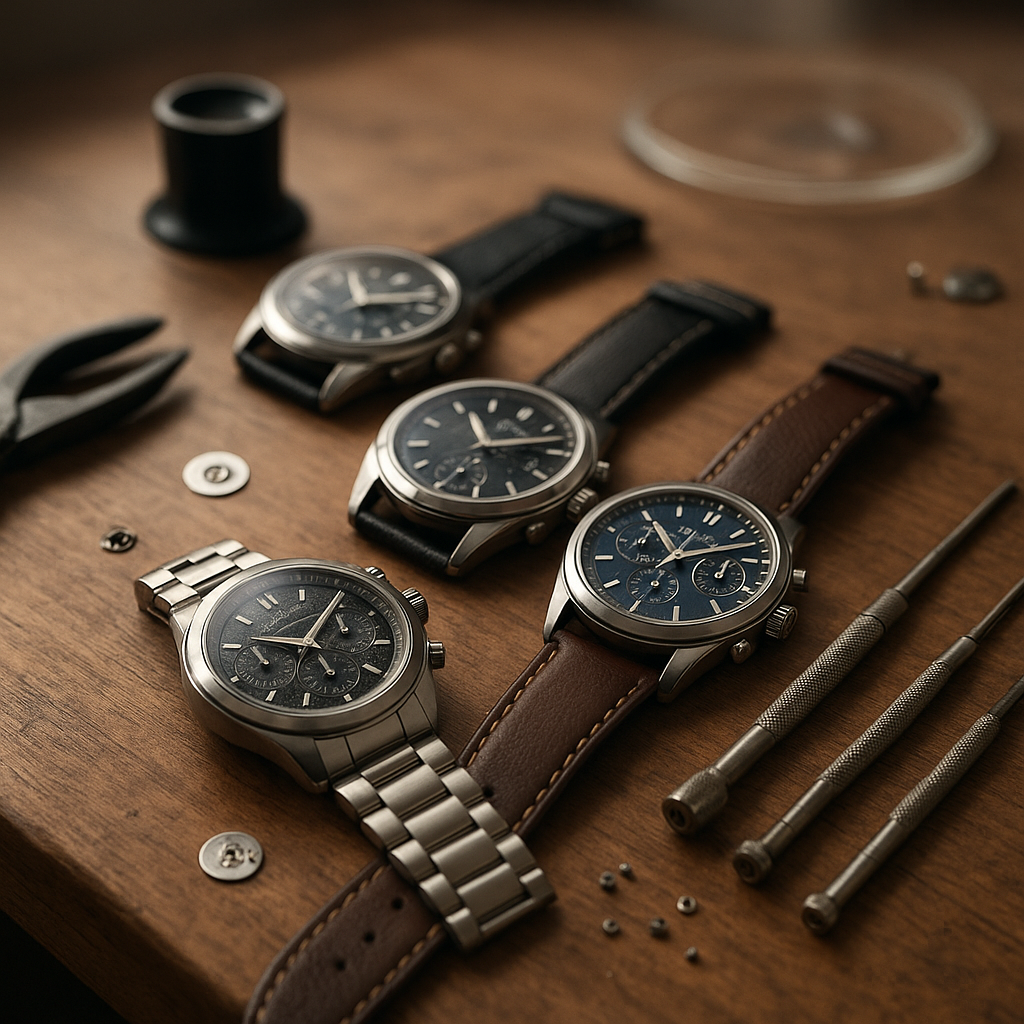
Step-by-Step Guide to Choosing the Right New Watch
Start with use. Really.
A collector who buys before deciding how a watch will be worn is usually making a very costly impulse purchase. I’ve done the analysis, and the successful buyers tend to follow a boring but effective process.
- Define the job. Is this a daily watch, a dress piece, a weekend sports model, or a collection anchor? Be honest.
- Check the proportions. Diameter matters, but lug-to-lug distance, thickness, and bracelet taper matter just as much. Many bad buys happen here.
- Study the movement. Look for finishing, reliability, service intervals, and whether the caliber is proprietary or widely used. Not all movements are equal, despite what glossy ads suggest.
- Inspect the dial and hands. Legibility, texture, and color depth make a larger difference than most people admit. A watch can be technically brilliant and still visually dead.
- Review the case and bracelet. Sharp edges, poor clasps, or clunky links ruin an otherwise fine watch. Feel matters.
- Compare brand support. Service infrastructure, parts availability, and warranty terms are not sexy, but they matter over time.
- Judge the total package. If a watch has weak finishing, poor ergonomics, and a strained retail price, walk away. Easy.
When I look at releases from IWC or Vacheron Constantin, I pay close attention to how the brands handle refinement under pressure—sports watches need to be robust, dress pieces need elegance, and complicated pieces need clarity. A watch should not shout at you to prove its worth. It should simply prove it.
For deeper model-specific reading, use our IWC watch review archive, Vacheron Constantin guide, and Parmigiani Fleurier spotlight. Those pages help narrow the field without turning the process into a circus.
Comparison Table: Luxury Watch Releases vs. Mass-Market Watches
| Factor | Luxury Watch Releases | Mass-Market Watches |
|---|
| Movement | Often hand-finished, in-house or highly refined | Usually standard industrial calibers |
| Materials | Precious metals, high-grade steel, ceramics, sapphire | Lower-cost alloys, basic coatings |
| Finishing | Polished edges, beveled bridges, detailed dials | Functional but minimal finishing |
| Longevity | Built for serviceability and long use | Often replaced rather than serviced |
| Brand Value | Heritage, scarcity, collector interest | Mostly utility and price |
| Price Logic | Driven by craft, prestige, and small production | Driven by scale and affordability |
| Emotional Appeal | Strong, often tied to identity and taste | Limited, mostly practical |
The comparison is not subtle. Luxury watches cost more because they ask for more—more labor, more finishing, more design discipline, and usually more patience. That said, price alone does not prove quality. Plenty of brands charge top dollar and deliver very little beyond a logo and a sales pitch. Let’s be real about that.
For buyers comparing categories, our luxury car buying guide is surprisingly relevant, because the same rule applies: engineering first, ego second. Also useful is our fine jewelry guide, where material quality and workmanship are just as central.
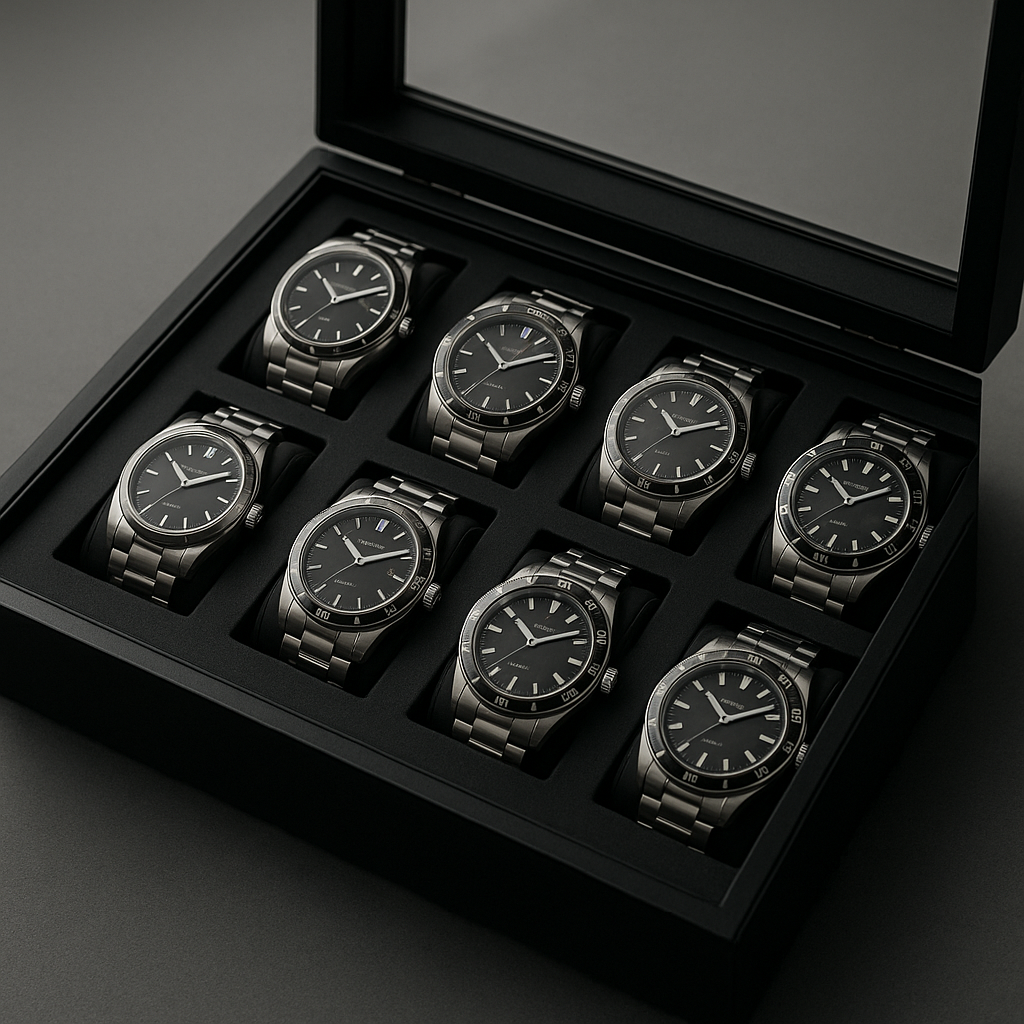
Common Mistakes to Avoid
People make the same mistakes over and over. Predictable, frankly.
- Buying for hype alone: A watch that trends online may age badly. Fashion and collectibility are not the same thing.
- Ignoring size and fit: A beautiful watch that wears like a brick will stay in a drawer.
- Confusing rarity with quality: Scarcity can be manufactured. Excellence is harder to fake.
- Overpaying for simple complications: A date window and a fancy dial should not be sold as a miracle.
- Neglecting service costs: Some watches are expensive to maintain, and buyers act shocked later. No need.
- Skipping brand history: Heritage matters when it is real, not when it is pasted onto a brochure.
Most luxury marketing is pretentious nonsense. Here’s what actually matters: whether the watch feels coherent on the wrist, whether the movement is well conceived, and whether the maker stands behind the product after the sale. If a brand cannot answer those questions cleanly, I move on.
Also, do not fall for the myth that complicated always means better. A clean two-handed watch can be more elegant, more usable, and more enduring than a cluttered dial with too many features nobody asked for. Simplicity, when done well, is hard. That is why it impresses.
For related reading, see our watch care guide and luxury style essentials. Good ownership is part of stewardship, and stewardship is the opposite of mindless collecting.
Frequently Asked Questions
What makes a luxury watch worth the money?
A luxury watch is worth the money when its design, movement quality, finishing, materials, and service support justify the price. Brand name alone does not.
Are new watch releases better than vintage watches?
Not always. New watches offer modern materials and warranties, while vintage pieces may have stronger character or collector value. It depends on condition, purpose, and taste.
Which brands are most respected in luxury watches?
Brands such as Vacheron Constantin, IWC, Parmigiani Fleurier, Tiffany & Co., and other established makers are respected for different strengths, including heritage, design, and technical execution.
Should I buy a watch as an investment?
Only if you also like wearing it. Watches are not retirement plans in a polished box. Buy the piece first; any investment upside is secondary.
Final Thought
The best new watches do not scream for attention.
They show restraint, skill, and a clear sense of purpose, which is rarer than it should be in a market obsessed with noise and scarcity. When a watch is made well, it respects both maker and wearer, and that is part of why fine horology still matters. It reflects something ordered and beautiful in a world that too often rewards the loudest thing in the room. If you value craftsmanship, timekeeping, and the quiet dignity of objects made to last, August’s strongest releases are worth a close look.
I would not call that luxury for luxury’s sake. I would call it good work.