When there are more than 180 resorts across 1,190 tropical islands, an expert guide comes in handy. The Maldives is not just a postcard. It is a test of taste...
When there are more than 180 resorts across 1,190 tropical islands, an expert guide comes in handy. The Maldives is not just a postcard. It is a test of taste, patience, and judgment, because plenty of resorts sell infinity pools and sunset clichés, while only a few actually deliver privacy, food worth remembering, and service that feels human rather than scripted.
I’ve looked hard at luxury travel for years, and the trick is simple: ignore the perfume fog of marketing and judge the place by water quality, villa design, dining, arrival logistics, and whether the staff can anticipate your needs without acting like they’re reading from a corporate playbook.
Here’s the kicker. The Maldives rewards people who know what they want. Some want raw seclusion. Some want reef access and marine life. Some want Michelin-minded dining, spa rituals, or overwater villas that make you forget emails exist. Others want the quiet dignity of being well cared for—beautifully, unobtrusively, and without nonsense.
That last point matters. Luxury at its best is not vulgar display; it is ordered beauty, careful stewardship, and work done well, which is a pretty sensible way to think about a place that sits on fragile islands and depends on excellence in both service and environment.
If you are choosing among the 15 best luxury resorts in the Maldives, do not start with Instagram. Start with the practical stuff: transfer times, house reef condition, villa orientation, kids’ policy, food range, and whether the resort actually matches your travel style. The best properties make everything feel effortless. The weaker ones just look expensive. This guide sorts the two apart.
Key Takeaways- The Maldives is best chosen by travel style, not by hype.
- The strongest resorts combine privacy, service, food, and marine access.
- Seaplane or speedboat logistics can make or break the arrival.
- The best luxury is usually quiet, not loud.
- Sustainability matters here more than in many destinations, because the islands are fragile and the resort experience depends on responsible care.
What is a Luxury Resort in the Maldives?
A luxury resort in the Maldives is a private-island hotel experience built around villa living, personal service, beach or overwater access, and a setting that feels far removed from ordinary life. That sounds obvious, but plenty of places use the word “luxury” as if it were a decorative ribbon. It isn’t. Real luxury in the Maldives means you wake up to still water, clean design, excellent food, and a staff that handles details before they become problems.
The best resorts also know how to balance spectacle with restraint. Frankly, that balance is harder than it looks. Oversized villas and giant pools are easy to sell. Quiet competence is harder. When I evaluate a Maldivian resort, I look at materials, privacy lines, shade, airflow, dining quality, reef health, and whether the property respects the island rather than smothering it with gimmicks. Beauty matters here, but not as vanity. Beauty matters because it reflects order, care, and a kind of human attention that feels almost moral when done properly.
A true luxury resort in this part of the world usually offers a few non-negotiables: generous space, high-touch service, excellent water access, strong spa programming, and food that goes beyond tropical wallpaper cuisine. Some are famous for house reefs and diving. Others are known for celebrity chefs, wellness retreats, or family-friendly villas. A few are prized because they are quiet enough to hear yourself think.
The Maldives works best when the resort fits the reason you came. If you want coral and marine life, choose accordingly. If you want romance, choose privacy and transfer ease. If you want the kind of indulgence that includes fine dining and beautiful design, then the resort should deliver both without trying too hard. That’s the real signal. Not marble. Not marketing. Discipline.
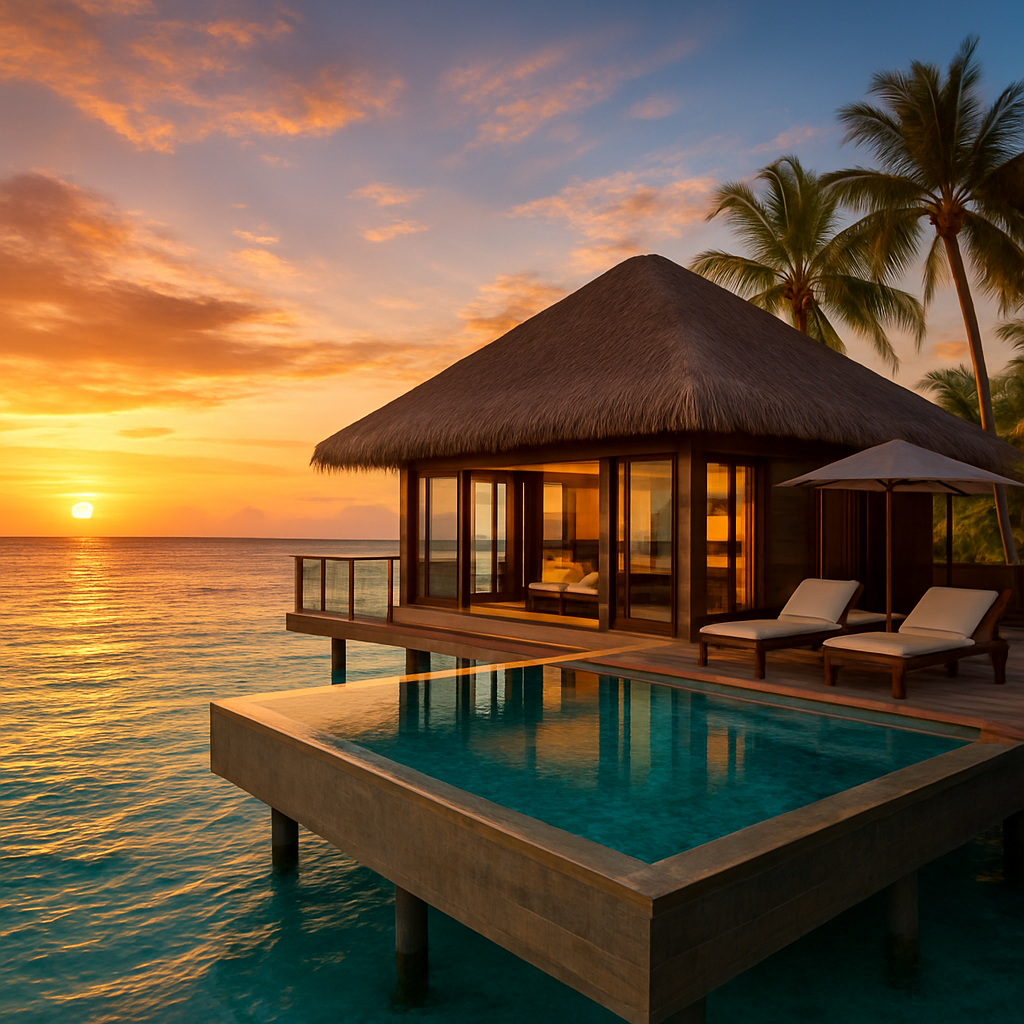
The 15 Best Luxury Resorts in the Maldives are not all interchangeable, because the islands are not interchangeable. Each one trades in a different mix of remoteness, reef quality, villa style, dining, and atmosphere. That is why an informed shortlist matters. Otherwise, you end up paying a great deal of money to discover that the place you booked was never your style in the first place.
Core Benefits of Choosing the Right Maldives Resort
- Privacy: The Maldives is built for separation from the noise of ordinary life. The best resorts use space intelligently, so you get peace without feeling stranded.
- Service quality: Good luxury service is almost invisible. Bad service is all you notice. In high-end travel, that difference is everything.
- Marine access: Snorkeling and diving are major reasons people come here. A house reef can be worth more than a glossy villa photo.
- Food and wine: Yes, it matters. A resort with weak dining is pretending to be luxury. That charade gets old fast.
- Design and comfort: High-end travel should feel calm and well made, not like a showroom for expensive objects.
- Wellness: The finest properties offer spas, yoga, sleep programs, and treatments that feel rooted in the setting rather than imported as filler.
- Sustainability: The Maldives is vulnerable. Resorts that protect reefs, manage water, and reduce waste deserve attention, not just applause.
Most travel advice makes luxury sound identical everywhere. Nonsense. A mountain lodge, a city palace hotel, and a Maldivian island resort do not serve the same purpose. The Maldives is unique because the setting itself is the amenity. That means the wrong resort choice is not a small mistake; it can flatten the entire trip. I’ve seen travelers spend lavishly and still leave with the sense that something essential was missing. Usually, it was the fit.
The better properties also make room for different kinds of guests. Couples want silence and intimacy. Families want flexible villas and proper kids’ facilities. Divers want access and equipment that works. Food-focused travelers want chefs who care about technique, not just plating. Each of these groups is looking for a slightly different version of excellence. The good resorts understand this. The lazy ones just advertise “unforgettable.”
If you care about broader luxury standards, the same logic applies across categories. A beautiful watch is not just a watch; it is craftsmanship, heritage, and careful work made visible. The same standard should govern travel. A resort should not simply be expensive. It should be well ordered, beautiful, and fit for purpose. That is why luxury travel, at its best, feels almost like stewardship rather than consumption.
How to Choose the Best Maldives Resort
- Start with access. Seaplanes are scenic, sure, but they can be tiring after a long international flight. Speedboat-only resorts are easier for some travelers. I always tell people to check transfer time first, because glamour loses its shine after a six-hour wait.
- Decide what the water matters most for. Snorkeling? Diving? Barefoot swimming? A still lagoon? Some resorts have beautiful villas but mediocre marine life. Others have reefs that are alive with color. Pick your priority before you book.
- Read the dining list like an adult. Look for actual culinary breadth, not just “international cuisine.” Does the resort have serious seafood, Asian options, tasting menus, or a wine program worth the corkage? If not, you’ll be marooned in a pretty place with dull plates.
- Check villa orientation and privacy. A villa can be large and still feel exposed. I’ve learned to check sun exposure, neighboring sight lines, and whether the plunge pool is ornamental or genuinely useful.
- Match the resort to your travel company. Couples, families, solo travelers, and friends all need different things. A romantic resort can be miserable for children. A family resort can feel too busy for a honeymoon. That’s not a flaw; it’s basic fit.
- Evaluate the spa and wellness offer. Some spas are real sanctuaries. Others are overpriced beige rooms with scented towels. The good ones are designed around rhythm, silence, and skilled therapists.
- Ask about sustainability in practical terms. Do they run reef protection programs? Do they reduce single-use plastics? How do they manage desalination, waste, and coral care? If a resort cannot answer clearly, I get suspicious.
- Compare value, not just rates. The highest price does not always buy the best stay. Sometimes the smarter pick is a resort with fewer theatrics and better essentials.
For broader travel planning, it helps to think like a buyer rather than a dreamer. That goes for luxury travel generally and especially for island destinations. The prettiest place on the brochure is often the one that works hardest to distract you from a weak foundation. Don’t let that happen.
Comparison Table
| Feature | The Best Maldives Luxury Resorts | Mainstream Beach Resorts |
|---|
| Privacy | High, often villa-based and low-density | Moderate to low, more shared spaces |
| Service | Personalized and anticipatory | Standardized and reactive |
| Dining | Multi-restaurant, chef-led, wine programs | Limited menus, fewer standout options |
| Marine Access | Often excellent house reefs and diving | Variable, sometimes mediocre |
| Design | Strong materials, site-sensitive architecture | More generic, less distinctive |
| Transfer Experience | Curated seaplane or speedboat logistics | Basic transfers, less coordination |
| Wellness | Destination spas and tailored treatments | Standard spa services |
| Value | High if fit is correct | Lower price, but fewer premium benefits |
Common Mistakes to Avoid
- Booking by photos alone. Marketing images are flattering by design. That’s their job. Your job is to check the actual layout, reef, and transfer details.
- Ignoring seasonal conditions. Weather, visibility, and sea state matter. The Maldives is not a mindless paradise bubble; it is a real place with seasons.
- Choosing the wrong island size. Some travelers want tiny and secluded. Others want more dining, activities, and movement. Get that wrong and you’ll feel trapped.
- Assuming all overwater villas are equal. They are not. Some face better sunsets, some have stronger privacy, and some are built in ways that reduce comfort.
- Treating sustainability as a buzzword. It should be a practical consideration. These islands are delicate, and responsible operation is part of the price of admission.
- Overpaying for empty prestige. A famous name is useful only if the service, food, and setting live up to it.
Let’s be real: a lot of luxury advice is lazy. People repeat the same resort names because those names are easy to remember, not because they are always the best fit. I prefer the boring truth. The right resort is the one that matches your priorities cleanly. If you want elegance without fuss, find that. If you want a family holiday, pick a place that welcomes families well. If you want romance, choose silence and space.
There is also a moral dimension to taste that gets ignored in glossy travel content. Beauty should serve human flourishing, not vanity. A well-run resort respects staff labor, local ecology, and the guest’s peace of mind. That sounds lofty, but it’s actually practical. Places that care about order usually care about people too.
Frequently Asked Questions
What is the best month to visit the Maldives?
The dry season, generally from November to April, is the most reliable for clear skies and calm conditions. That said, shoulder periods can offer better value if you are flexible.
Are the Maldives resorts worth the price?
Sometimes. If you want privacy, water villas, high-touch service, and strong marine access, the right resort can justify the cost. If you only want a beach, there are cheaper places that do that well.
Do all Maldives resorts require seaplane transfers?
No. Some are reachable by speedboat from Malé, which is easier after a long flight. Others require a seaplane, which adds drama and time.
Which matters more: villa size or reef quality?
For many travelers, reef quality matters more. A huge villa cannot rescue a dull ocean experience. If snorkeling or diving matters to you, choose the water first.
Final Thought
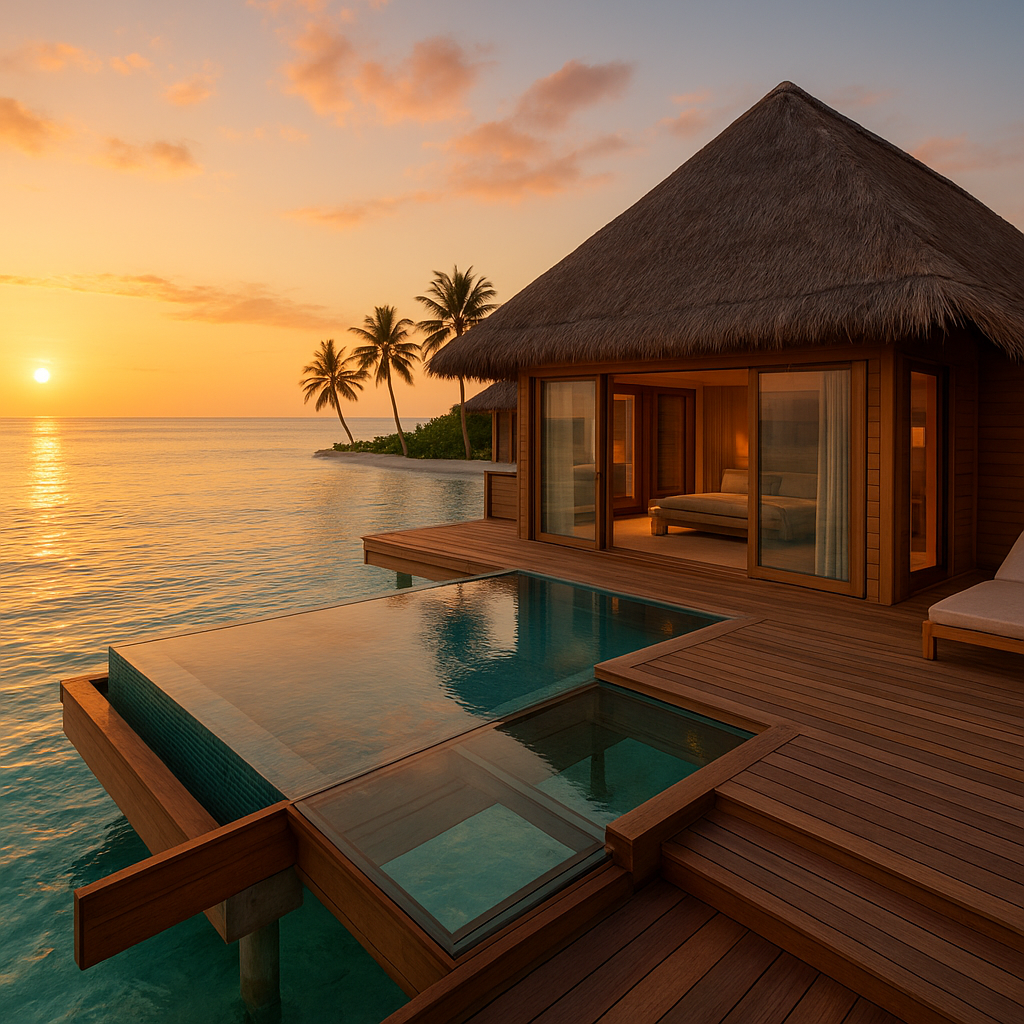
The best Maldives resort is not the most expensive one, the loudest one, or the one with the most polished sales copy. It is the one that makes the setting make sense. When the villa, the water, the food, and the service all align, the stay feels almost effortless, which is the whole point of luxury. Real luxury should never feel frantic or hollow. It should feel ordered, generous, and quietly beautiful.
I’ve reviewed enough high-end travel to say this plainly: the Maldives rewards discernment. Spend less time chasing bragging rights and more time asking whether the place respects your time, your comfort, and the fragile beauty of the islands themselves. That respect is not a small thing. It is the difference between a pleasant trip and a memory that stays with you long after the tan fades.
Sometimes the finest experiences are not about excess at all. They are about fit, restraint, and good work done well. That applies to a resort, a meal, a watch, and, if we are honest, most of life.