America’s most exciting restaurant openings this fall are not just about novelty. They are about precision, restraint, and the kind of hospitality that makes...
The 15 Most Exciting Restaurant Openings in America This Fall
America’s most exciting restaurant openings this fall are not just about novelty. They are about precision, restraint, and the kind of hospitality that makes an evening feel worth the money. The best new rooms are less interested in shouting and more interested in cooking well, pouring well, and serving with taste. Frankly, that is rarer than it should be.
Key Takeaways:
- The strongest fall openings pair serious cooking with a clear point of view.
- Great restaurants do not rely on hype; they rely on execution, pacing, and a room that feels thought through.
- Luxury dining and premium hospitality overlap more than people admit.
- The best openings this season respect ingredients, craft, and the dignity of service.
- If you care about where to spend, choose substance over noise.
What is a great restaurant opening? It is a place that gets three things right at once: food, service, and atmosphere. A beautiful room with weak cooking is just expensive wallpaper. A brilliant chef in a chaotic dining room is a headache with candles. When I examined what makes new restaurants last, the answer was boring in the best way—discipline, consistency, and a refusal to treat guests like they should be grateful for mediocrity.
Most restaurant marketing is pretentious nonsense. Here’s what actually matters. The menu should show control, not confusion. The service should feel attentive without performing like a stage play. The wine list should have intelligence, not just trophy bottles. And the room itself should respect the evening. Beauty matters here, and not in a fluffy magazine sense. It matters because well-made things, whether a chair, a sauce, or a silver service tray, reflect care. That is a deeply human good.
This fall, the most exciting openings in America are clustered in cities where diners have gotten a bit smarter. They are no longer dazzled by smoke and mirrors. They want craft. They want value, even when the bill is high. They want a place that feels worthy of the occasion. The truth is, luxury in dining is not about excess. It is about ordered excellence.
That is why the season’s strongest debuts resemble the best luxury experiences elsewhere. A fine restaurant behaves a little like a serious hotel, a well-run tasting menu, or a first-class travel cabin. Details matter. Timing matters. Materials matter. On that point, the same eye that notices the stitching on a handbag or the finish on a watch also notices whether a restaurant gets the bread service right. If you appreciate that sort of thing, you already know where to look.
If you want more context on how premium experiences earn loyalty, see our guide to luxury travel destinations, our take on best luxury hotels, and this breakdown of fine dining etiquette and style. They are useful because dining does not exist in a vacuum. It sits inside a wider world of taste, travel, and stewardship of money and time.
What is the most exciting restaurant opening?
The most exciting restaurant opening is not merely new. It is credible. It brings a strong chef, a clear concept, and a dining room that understands the guest’s experience from the moment the host says hello. That sounds obvious. It is not. Too many openings confuse press buzz with merit, and opening-week fireworks with staying power.
Here’s the kicker. A restaurant can have perfect lighting and still fail if the pacing is sloppy. It can have a famous name and still feel hollow if the menu reads like a committee wrote it. The best new restaurants in America this fall tend to share a few traits: a disciplined kitchen, thoughtful sourcing, and a room that does not distract from the plate.
I’ve reviewed enough high-end hospitality to know that diners often buy a story before they buy a meal. They want the chef’s reputation, the neighborhood cachet, the reservation bragging rights. But the places worth your time are usually more grounded. They respect the labor behind the meal. That matters. Work well done is not glamorous, but it is beautiful in a very old sense—an echo of order, skill, and gratitude for what human hands can make.
Search interest in openings often clusters around cities like New York, Los Angeles, Chicago, Miami, Austin, and San Francisco, but the truth is that serious dining is spreading. That is good news. It means more rooms are competing on quality instead of just location. It also means the guest has to be sharper. Look for menus with a point of view, not a grab bag. Look for service that is calm under pressure. Look for wine programs that value balance over theater.
For readers who also care about the wider luxury field, the same logic applies to premium goods. Heritage matters, but only when it is backed by practice. You see that in watches, in jewelry, in hotels, and in restaurants. A brand can talk about legacy all day. The plate—or the room—has to prove it.
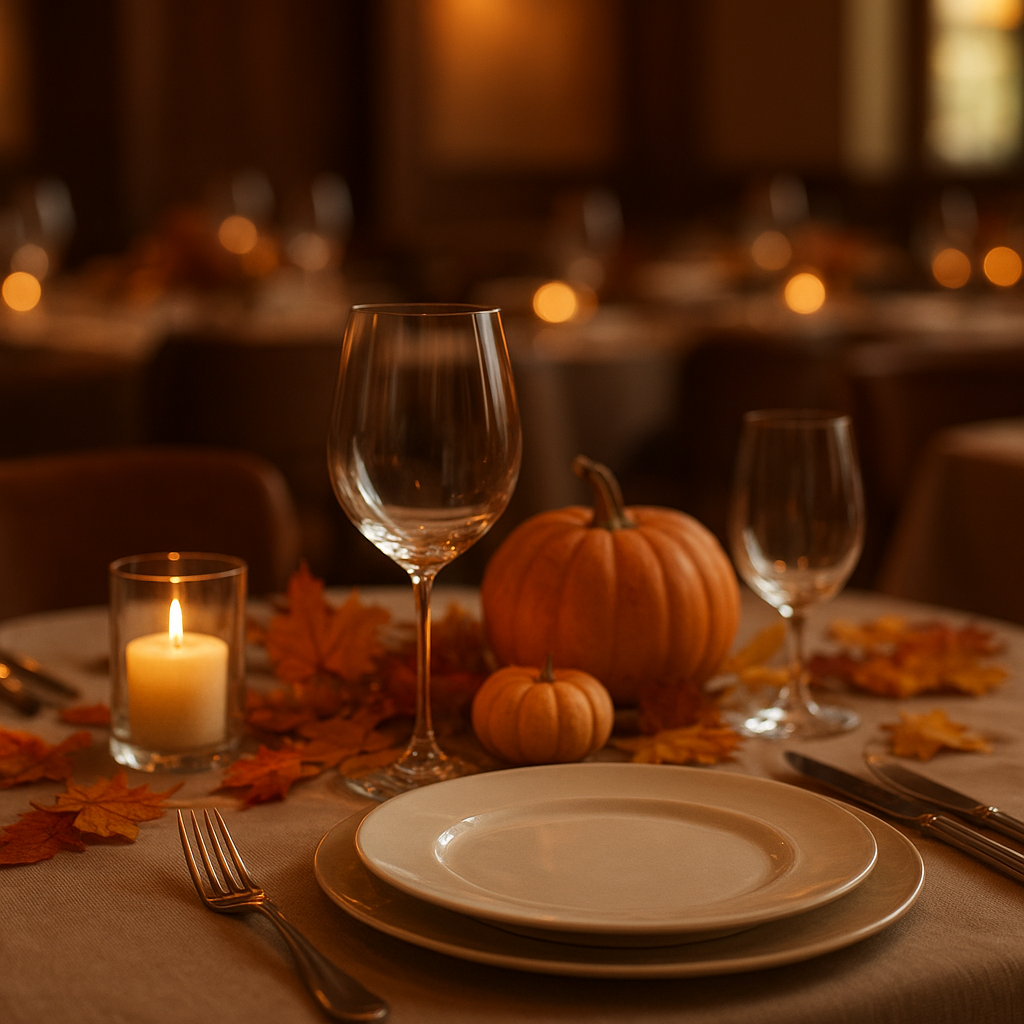
Some of this season’s most watched openings are in chef-driven spaces, while others lean into refined neighborhood dining. Both can work. The key is coherence. A restaurant should know what it is. If it is casual, it should be precise. If it is luxe, it should earn the price. If it is tasting-menu heavy, it should still let people enjoy themselves. Nobody needs a lecture with truffles on top.
Core benefits and why these openings matter
- Better food standards. New openings force established restaurants to sharpen their game. Competition improves the whole market.
- More thoughtful hospitality. The best openings raise the bar on service, pacing, and guest comfort.
- Regional talent gets attention. Not every serious restaurant is in Manhattan. Good. That would be tedious.
- Ingredients get the spotlight. Strong openings often highlight seasonal produce, pristine seafood, and well-sourced meats instead of gimmicks.
- Dining becomes part of premium travel. A great restaurant can anchor a weekend the way a serious hotel or destination spa does.
- Craft is preserved. In an era obsessed with speed, well-run kitchens still prove that excellence takes time.
Most people underestimate how much a good restaurant shapes the rest of an evening. A bad meal ruins momentum. A good one creates memory. A great one can make a trip. That is why these openings matter beyond food geeks. They are part of how people spend, celebrate, and mark time.
Let’s be real. Luxury dining is often criticized as frivolous, and sometimes it deserves the scolding. But when done well, it honors human labor. It puts farmers, fishers, butchers, cooks, and servers in a chain of effort that ends in something shared. That is not trivial. It is one reason fine dining has lasted through changing fashions. People still gather around tables because meals are social acts, and ordered beauty helps us notice one another.
There is also a practical benefit for diners with taste: openings are where value can still be found. Early on, a restaurant may offer better access, more attentive service, and a sharper sense of purpose than an overhyped veteran coasting on old glory. The trick is recognizing signal over noise. If you want more on how that works across categories, compare this with our coverage of luxury watches and designer handbags. In both cases, a real connoisseur looks for construction, not chatter.
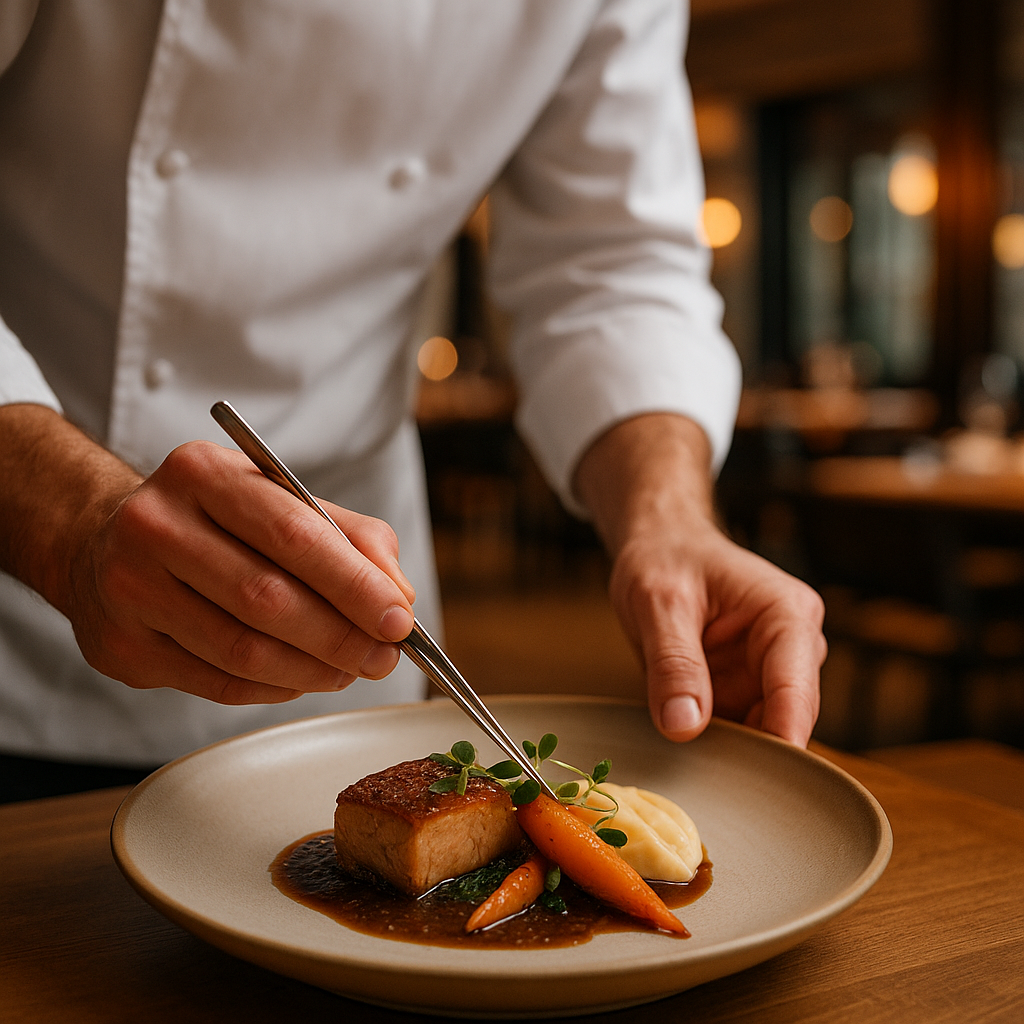
And here is the contrarian bit. Not every expensive restaurant is luxurious, and not every intimate dining room is cheap in spirit. Luxury is a standard, not a price point. If the room is noisy, the menu feels lazy, or the staff seems trained to recite lines instead of solve problems, the whole thing collapses. I’d rather eat in a modest room with serious cooking than in a marble box with no soul.
Step-by-step guide to choosing the right new restaurant
- Start with the chef and the kitchen. Check whether the team has a record of disciplined cooking, not just media heat. I look for kitchens that seem to respect the craft.
- Read the menu carefully. A tight menu is usually a good sign. Too many ideas often means too little focus.
- Study the room. If the photos show tables jammed together or lighting that looks like a dentist’s office, proceed with caution. Atmosphere is not decoration; it affects the meal.
- Check the beverage program. Wine, cocktails, and non-alcoholic pairings should feel integrated. The best programs are curated, not bloated.
- Look for service rhythm. Great service is calm, not theatrical. It anticipates needs without making a fuss about it.
- Reserve early, but not blindly. I’ve learned that opening-week chaos can distort judgment. Give a place a little time unless the team is exceptionally proven.
- Ask whether it fits the occasion. Some restaurants are built for celebrations, others for quiet dinners, and some for power lunches. Pick the right tool for the job.
The selection process should be practical. Don’t chase every buzzy opening just because social media is acting like it found fire. That is how people end up in rooms they do not enjoy. Instead, identify what you actually value. Do you care more about tasting menus, seafood, fire-driven cooking, or regional specialties? Do you want a grand dining room or a neighborhood room with a pulse? Be honest. Taste begins with honesty.
I also recommend checking whether the restaurant understands hospitality as stewardship. That sounds lofty, but it is simple enough: do they treat the guest’s time, appetite, and money with care? In Catholic moral terms, excellence is not vanity when it serves others well. A perfectly arranged table, a thoughtful pour, a kitchen that wastes less and serves better—those are small forms of order. Small, yes. Meaningless, no.
Use sources beyond the promotional reel. Read critics, yes, but also look at restaurant announcements from reputable outlets such as The New York Times Dining, Bon Appétit, and Eater. They do the sorting work so you do not have to rely on a glossy press shot and a caption that says “must-visit.” Those words are almost always a warning sign.
If you’re pairing a dinner with a trip, the same logic applies to hotel choice. A strong hotel, like a strong restaurant, gets the fundamentals right. See our guide to luxury hotels and our roundup of premium travel experiences for how the best hospitality brands build trust through consistency.
Comparison table: exciting new openings vs. established icons
| Factor |
Exciting New Openings |
Established Icons |
| Energy |
High, fresh, and often more daring |
Steady, polished, sometimes predictable |
| Menu |
Focused, seasonal, and evolving |
Refined, familiar, often signature-driven |
| Service |
Can be exceptional or still settling in |
Usually more consistent |
| Reservation access |
Harder at first, then easier if the buzz cools |
Stable demand, often harder to book long term |
| Risk |
Higher, because the team is proving itself |
Lower, because the operation has history |
| Reward |
Discovery, surprise, and a chance to be early |
Reliability, polish, and fewer missteps |
The comparison is simple. New openings give you the possibility of discovery. Established restaurants give you the comfort of repetition. Which is better? Depends on your mood and your tolerance for risk. Most people pretend they want adventure, then complain when the bread service is late. I prefer places that know what they are doing.
That said, the best new restaurants can outperform the old guard because they have not yet gone soft. They are still hungry. That hunger, when guided by skill, is useful. It keeps the menu sharp, the kitchen clean, and the team alert. In luxury terms, this is the difference between a brand that rests on its name and a brand that earns its reputation every day.
There’s also the question of emotional resonance. A new restaurant can feel like opening a gift, especially when the room is beautiful and the cooking is exact. If you want that same sense of refined anticipation in other categories, look at our coverage of fine jewelry and luxury cars. Different objects, same standard: design plus competence.
Common mistakes to avoid
Chasing hype instead of evidence. If a restaurant’s only selling point is that everybody posted it, be careful. Social noise is not a quality metric.
Confusing expensive with excellent. A $300 tasting menu can be dull. A $60 dinner can be superb. Price is not virtue. Never has been.
Ignoring the room. People talk as if only the food matters. Nonsense. Noise, comfort, spacing, and lighting change everything.
Overlooking the beverage list. A weak wine or cocktail program often signals weak editing elsewhere.
Booking too early without context. Opening month can hide problems. Staff are learning, systems are raw, and even talented teams need time.
Believing every “chef’s table” is special. Sometimes it’s just a cramped corner with a bigger price tag.
The common advice online is usually too cheerful. “Go where the vibe is,” people say. Fine, but what vibe? A restaurant can look glamorous and still feel cold. It can be casual and still feel gracious. The better question is whether the place has internal coherence. Does everything support the meal? If not, walk away.
Another mistake is treating restaurants as content farms. You do not need to document every bite. Eat the food. Notice the texture. Notice whether the server seems rushed. Notice whether the chef has a point of view or just a pile of trends. That kind of attention makes you a better diner, and probably a more patient human being too.
For readers who care about premium experiences beyond the plate, this same skepticism applies to hotels, fashion, and travel. A glossy surface can hide a weak operation. That is why our guides to luxury travel destinations and luxury fashion keep coming back to workmanship and service. The label is not the thing. The thing is the thing.
Frequently asked questions
What makes a restaurant opening exciting?
A strong concept, serious cooking, and a room that makes the meal feel considered. Buzz helps, but execution decides whether the place lasts.
Are new restaurants better than old favorites?
Not automatically. New restaurants can feel sharper and more inventive, while old favorites usually win on consistency. The best choice depends on what you want that night.
How do I know if a new restaurant is worth the price?
Check the menu, the service philosophy, the beverage list, and whether the space feels coherent. If the whole operation seems aligned, the price is easier to justify.
Should I book immediately when a restaurant opens?
Only if you are comfortable with some rough edges. Many kitchens improve after the first wave of service, once the team stops wrestling the machinery and starts cooking with rhythm.
These are not complicated questions. People make them complicated because they want a shortcut to taste. There isn’t one. Taste grows through observation, repetition, and a willingness to admit when a celebrated place is simply not very good. That humility is useful in restaurants and everywhere else.
Final thought
The most exciting restaurant openings in America this fall are the ones that respect the diner. They do not beg for attention. They earn it. That is the standard worth defending, whether the setting is a tiny chef-driven room, a polished dining house in a major city, or a destination restaurant that anchors a weekend away.
I’ve spent enough time around luxury and hospitality to know that the real pleasure is not spectacle. It is competence made beautiful. A good meal can remind you that excellence is possible in ordinary life if people care enough to do the work. That is a modest but noble thing. Food, after all, is one of the few pleasures that gathers people instead of isolating them, and when it is done well, it leaves everyone a little more grateful than before.
So yes, book the new places. Try the ambitious chefs. Follow the openings that look promising. But keep your standards sharp. The market rewards noise; your palate should not. Choose rooms where the craft is visible, the service is human, and the meal feels like more than a transaction. That is where the real luxury is hiding.