The most luxurious restaurants in the world sell more than food. They offer ritual, privacy, precision, and a setting where every detail is handled with...
The 16 Most Luxurious Restaurants in the World: Fine Dining at Its Most Lavish
The most luxurious restaurants in the world sell more than food. They offer ritual, privacy, precision, and a setting where every detail is handled with annoying competence. That is the whole trick. If the room, service, ingredients, and pacing fail, the room is just expensive wallpaper.
Key Takeaways- Luxury dining is about craftsmanship, service, and restraint, not just price.
- The best restaurants balance technical cooking with atmosphere, privacy, and consistency.
- Celebrity chef names help, but execution decides whether the bill feels earned.
- True luxury respects stewardship: rare ingredients used well, not waste dressed up as theater.
- The finest meals feel memorable because they reveal beauty through discipline.
What is the Most Luxurious Restaurant Experience?
A luxurious restaurant is one that treats dining as an art of exactness. The meal matters, obviously, but so do the linens, acoustics, pacing, lighting, and the way a server appears before you realize you need anything. Frankly, many places mistake luxury for excess, which is nonsense. A dining room piled with gold trim is not refined; it is just loud.
The real standard is tighter. A luxury restaurant combines top-tier ingredients, technical cooking, serious wine service, and a room that allows guests to focus on the meal without friction. That might mean a two-Michelin-star tasting menu in Paris, a terrace overlooking the sea in Tokyo, or a tiny counter where the chef works with monastic precision. The setting changes. The principle does not.
I've reviewed enough high-end hospitality to know this: price alone tells you almost nothing. A restaurant can charge four figures for dinner and still serve mediocre food with smug service. The ones worth remembering usually show discipline. They understand that excellence is not chaos. It is order, timing, and care. In a decent moral universe, work done well has dignity, and fine dining is one of the clearer examples.
Luxury also depends on scarcity, but not the fake kind. Real scarcity comes from labor, seasonality, and skill. Think bluefin tuna, truffles, caviar, rare vintage bottles, hand-dived seafood, and produce selected at peak ripeness. When handled properly, these ingredients do not shout. They sing, softly, if the chef knows what to do.
For perspective, critics and guides such as the MICHELIN Guide emphasize quality of ingredients, mastery of technique, personality of the chef in the cuisine, value for money, and consistency. That’s not glamorous language, but it is the backbone of every serious dining room. The rest is window dressing.
Core Benefits and Importance
- They preserve culinary artistry. Chefs at this level work with precision that borders on the liturgical. Sauces are reduced properly, fish is handled carefully, and seasoning is adjusted dish by dish.
- They elevate ingredients instead of hiding them. The finest restaurants do not smother pristine shellfish in gimmicks. They use technique to clarify flavor, not bury it.
- They create memory through hospitality. Great service is memory management. A good team remembers allergies, pacing preferences, and when to speak and when to vanish.
- They reward discernment. Luxury dining trains the palate. A guest learns to spot balance, texture, acidity, and restraint.
- They reflect cultural ambition. The best restaurants are cultural institutions as much as businesses. They reveal what a city values: craft, patience, and beauty.
- They justify travel. Many travelers plan entire itineraries around a reservation, which is why luxury hotels and dining experiences matter together.
The important thing is this: luxury dining is not about being seen. It is about encountering excellence that has been prepared for your good. That is rare. And rare things deserve scrutiny.
Step-by-Step Guide to Choosing a Truly Luxurious Restaurant
- Start with the kitchen’s reputation, not the decor. I always check who is cooking, what training they have, and whether the restaurant has consistency across seasons.
- Read the tasting menu structure carefully. A good tasting menu has rhythm. It builds, pauses, and finishes with intent.
- Look for sourcing discipline. Serious restaurants name producers, regions, and seasons for a reason. They care where the fish came from, whether the tomatoes are right, and if the olive oil is actually worth serving.
- Study the wine program. Luxury dining is often ruined by weak pairing advice. The cellar should include depth, not just trophy bottles.
- Check the service philosophy. The best teams practice quiet competence. They do not hover. They do not perform.
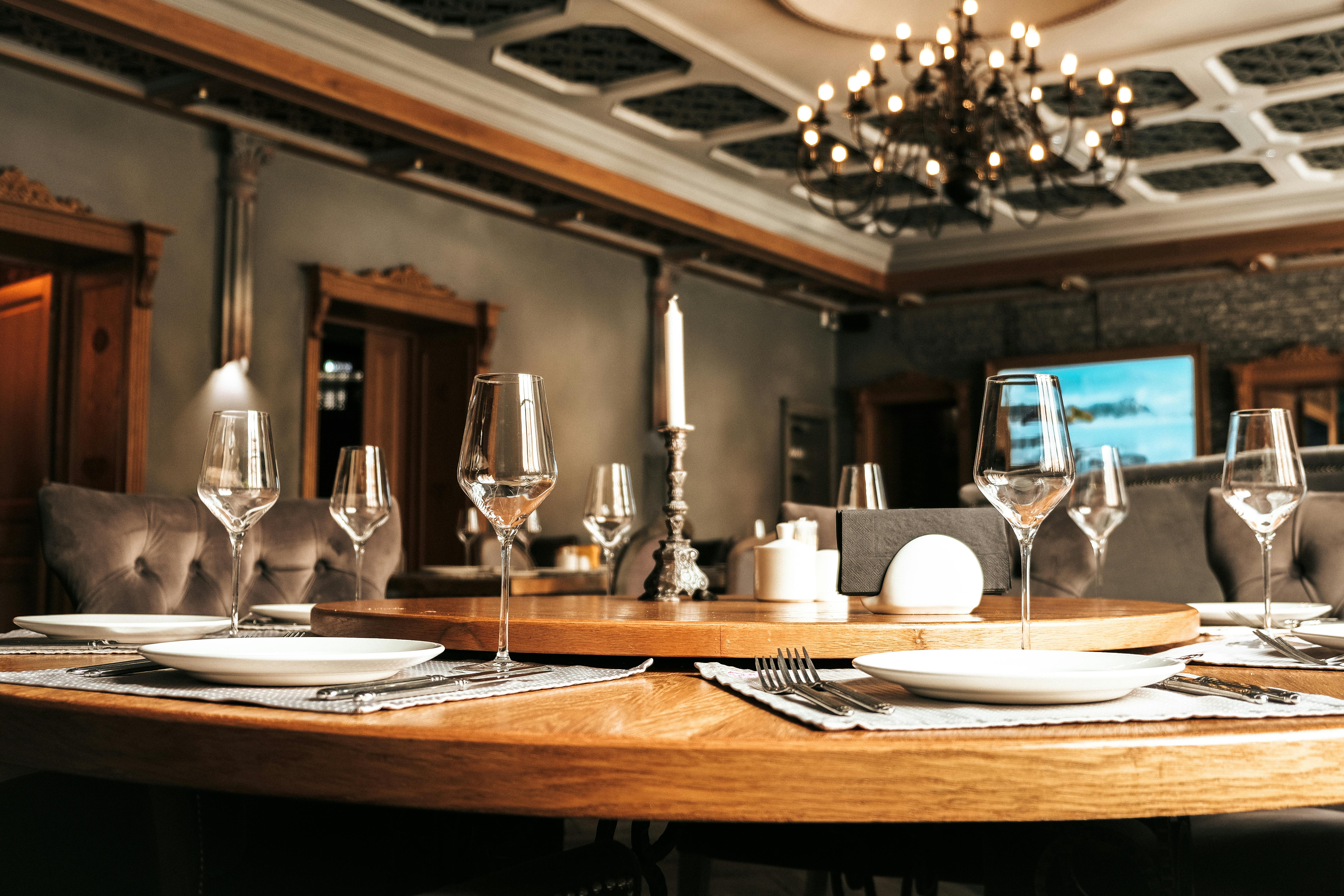
- Assess the room’s practical luxury. Comfort matters more than chandeliers. Seating, acoustics, spacing, and temperature decide whether a two-hour dinner feels like a privilege or a punishment.
- Compare the experience with alternatives. Sometimes a more modest restaurant with a superb chef offers better food than a grand dining room charging three times as much.
For diners who want a structured research starting point, reputable sources such as The World’s 50 Best Restaurants and Forbes Travel Guide are useful, though not infallible. Rankings are tools, not gospel.
Comparison Table: Luxurious Restaurant vs. Celebrity-Driven Restaurant
| Factor | Truly Luxurious Restaurant | Celebrity-Driven Restaurant |
|---|
| Primary appeal | Precision, service, atmosphere, ingredient quality | Chef fame, media buzz, reservations scarcity |
| Food consistency | Usually high across seasons | Can vary if the brand outgrows the kitchen |
| Service style | Quiet, observant, well-trained | Sometimes polished, sometimes stiff or performative |
| Menu logic | Cohesive, seasonal, disciplined | More likely to chase trends and spectacle |
| Wine program | Deep cellar, serious pairings | Trophy labels and inflated markups are common |
| Experience value | Earned through execution | Often tied to reputation more than results |
| Best for | Serious diners, travelers, anniversaries | Social signaling, first-time hype seekers |
The contrast matters because luxury gets confused with celebrity all the time. They are not the same thing. A famous chef can run a superb dining room, sure. But fame can also mask mediocrity for a surprisingly long time.
Common Mistakes to Avoid
- Assuming the highest price means the best meal. Sometimes the bill reflects location, rent, and branding more than the kitchen.
- Chasing only “hard to get” reservations. Scarcity is not quality. It may simply mean demand exceeds supply.
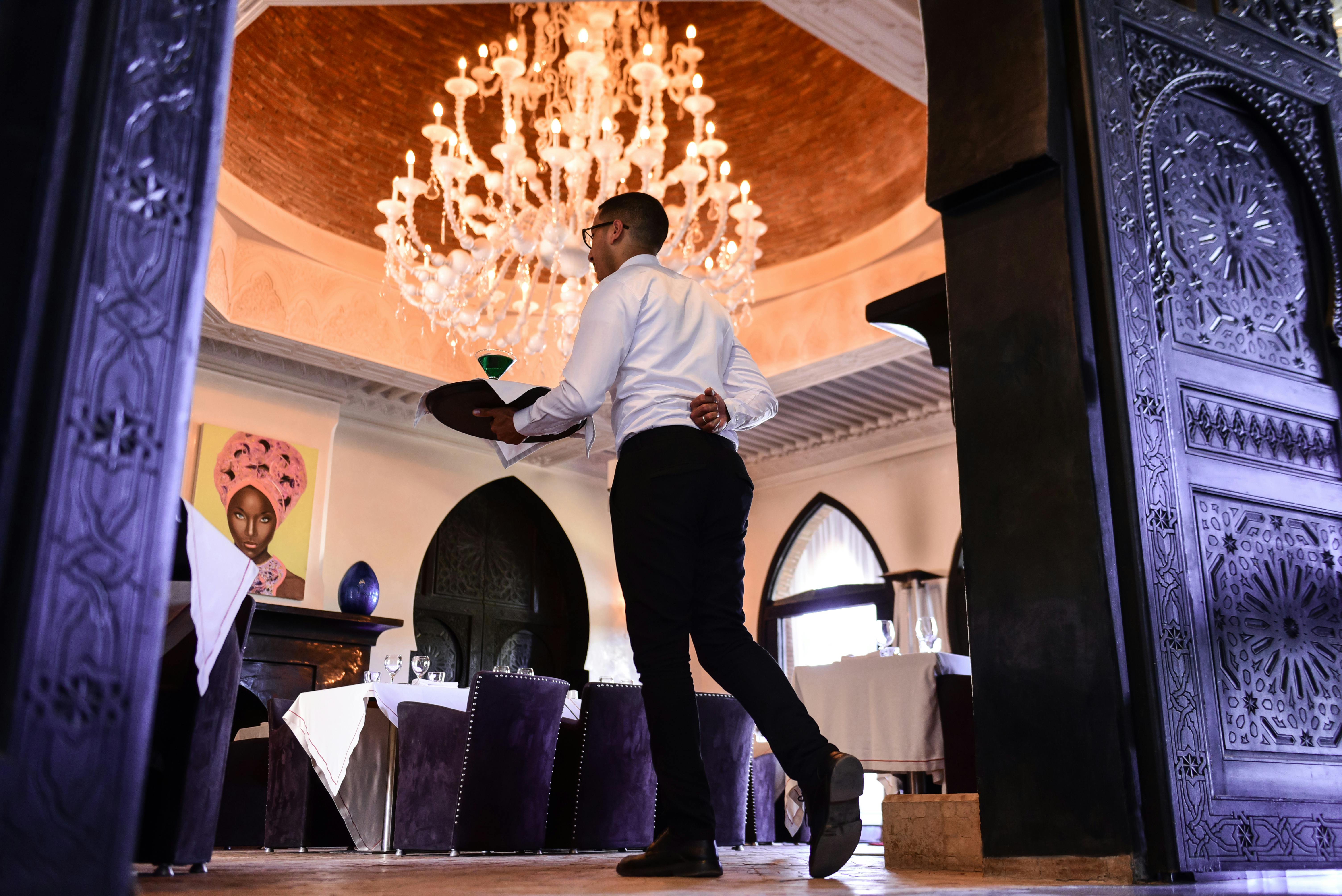
- Ignoring service dynamics. A rude or inattentive front of house can ruin even excellent cooking. Hospitality is part of the product.
- Overvaluing visual drama. Smoke, gold leaf, and tiny edible flowers are not the point. If the dish lacks balance, the theatrics are just noise.
- Underestimating the importance of pacing. Luxury dining should feel composed. If the meal drags, rushes, or repeats itself, the experience loses shape.
- Blindly trusting rankings. Guides help, but they are not sacred texts. Cross-check them with recent reviews, current menus, and actual diner reports.
- Choosing the wrong format for the occasion. A 20-course tasting menu is not always ideal for a celebration. Sometimes a chef’s table or a private dining room is better.
The biblical wisdom here is simple enough: good gifts should be used well, not squandered. Fine dining is no exception. A rare ingredient wasted in a clumsy kitchen is just poor stewardship in a prettier jacket.
Frequently Asked Questions
What makes a restaurant luxurious?
A luxurious restaurant combines expert cooking, refined service, premium ingredients, and a setting that feels comfortable, private, and intentional.
Are Michelin-starred restaurants always luxurious?
No. Michelin stars reflect quality and consistency, not necessarily opulence. A restaurant can be deeply luxurious without heavy décor.
Is luxury dining worth the price?
Sometimes. If the kitchen, service, and environment all work together, the price can be justified. If one or two elements are weak, you are paying for branding.
How do I choose the best luxury restaurant for a special occasion?
Match the room to the event. For intimacy, choose a quieter dining room or chef’s counter. For celebration, look for pacing, wine depth, and a staff that understands timing.
Final Thought
The finest restaurants do not just feed people. They reveal what disciplined hands can make from raw gifts of the earth. That matters. Not because luxury is automatically virtuous—it is not—but because excellence, when practiced with humility and care, points to something beyond vanity.
I’ve sat through enough overhyped meals to know that glitter gets old fast. What lasts is the feeling that someone respected the ingredient, respected the guest, and respected the work. That is why the world’s most luxurious restaurants are worth studying. At their best, they remind us that beauty is not chaos. It has order. It has form. And when done properly, it leaves you quieter on the way out than you were on the way in.
