The world’s most luxurious restaurants are not just places to eat. They are theatres of craft, discipline, and rare indulgence, where service is rehearsed...
The world’s most luxurious restaurants are not just places to eat. They are theatres of craft, discipline, and rare indulgence, where service is rehearsed, ingredients are sourced with near-madness, and the room itself is part of the performance. Most are overpriced. The best are worth it.
Key Takeaways:- Luxury dining is about more than price; it is a mix of craftsmanship, setting, service, rarity, and memory.
- The most luxurious restaurants in the world often pair Michelin-level execution with architecture, privacy, and obsessive hospitality.
- Status alone is a poor reason to go. If the food is weak, the room is just expensive wallpaper.
- The best luxury meals feel carefully ordered, almost liturgical, because excellence in work reflects something higher than vanity.
- Choosing the right restaurant means judging the chef, menu format, wine program, reservations, and guest experience.
What Is the Most Luxurious Restaurant Experience?
A luxurious restaurant is not merely expensive. It is exacting. It combines rare ingredients, technical precision, polished service, and a setting that makes time feel slower in the best possible way. In practical terms, the best luxury dining rooms offer a complete experience: cuisine, design, wine, pacing, and attention to detail.
People often confuse luxury with spectacle. That is lazy thinking. A chandelier, a famous name, and a tasting menu with a silly number of courses do not guarantee quality. I have seen plenty of expensive dining rooms coast on reputation while the food felt tired and the service felt rehearsed in the worst sense. Frankly, if the bread is mediocre, what are we even doing?
The real markers are simpler and harder to fake: pristine produce, exact cooking, disciplined sourcing, well-trained staff, and a room that respects the guest. In a Catholic sense, beauty in such places matters because beauty should point beyond itself. Good food, made well, by people who care, is a form of stewardship. It honors labor, land, and the human appetite for order.
Luxury restaurants also differ from ordinary fine dining by what they remove: noise, confusion, haste, and inconsistency. They buy you calm. That is the true premium. If you want a broader lens on luxury hospitality, compare the standards in luxury hotels and resorts, exclusive travel destinations, and fine dining experiences. The same rules keep showing up: precision, rarity, and a refusal to cut corners.
Core Benefits and Importance
Luxury restaurants matter for reasons that go beyond showing off in a jacket with bad shoulders. They preserve culinary craft, reward excellence, and, when they are truly good, create a memory that outlasts the bill.
- Craft preservation: High-end restaurants keep classical techniques alive, from hand-finished sauces to exacting pastry work.
- Ingredient integrity: The best rooms source exceptional seafood, produce, meat, truffles, caviar, and rare wines, often from small producers.
- Service as art: Good service is not fawning. It is clean, calm, and attentive without becoming a nuisance.
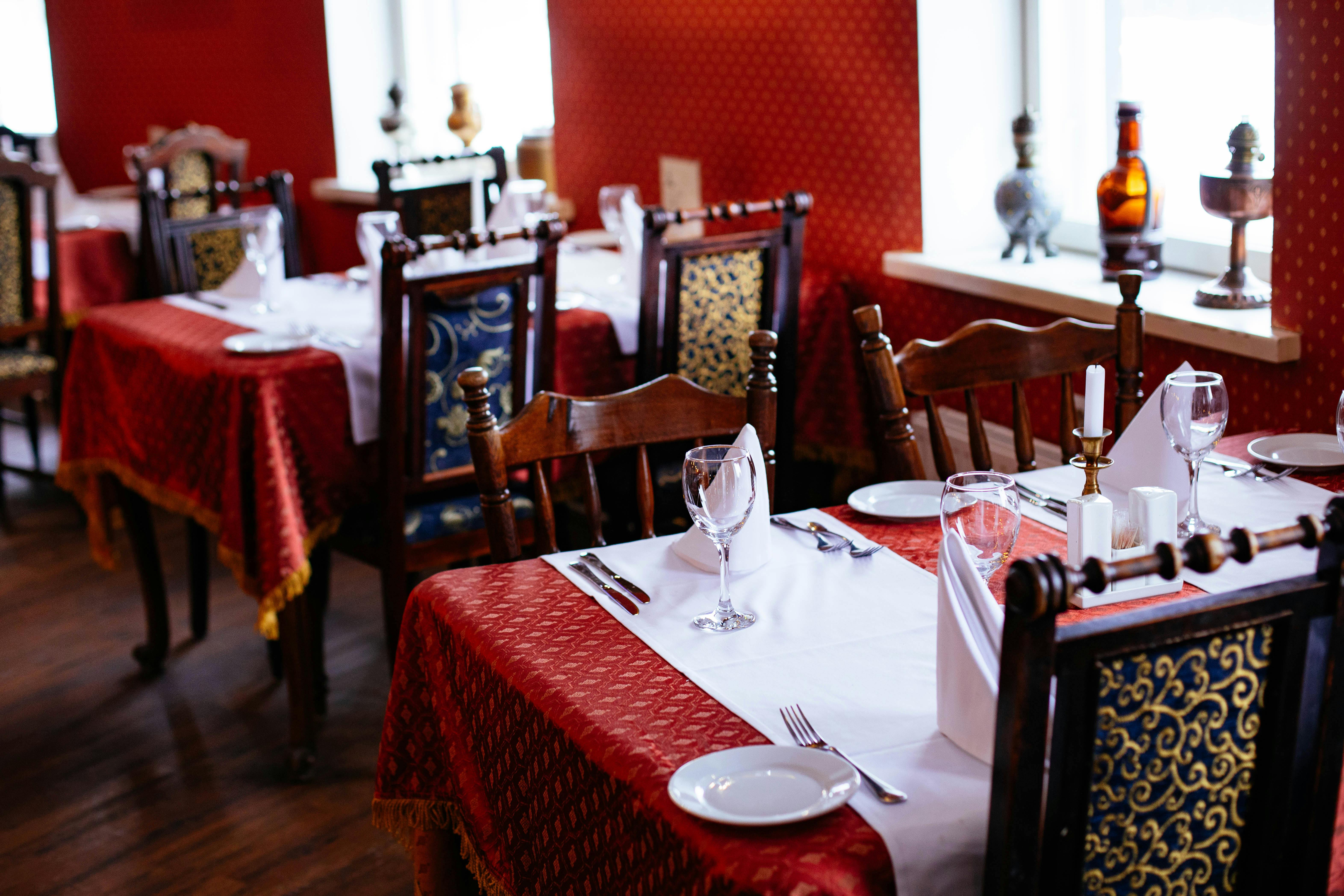
- Atmosphere: Lighting, acoustics, table spacing, and design shape the meal as much as the plate does.
- Cultural value: Many of the world’s great restaurants are tied to local identity, terroir, and tradition.
- Special occasions: For anniversaries, business dinners, or milestones, the right restaurant gives the evening gravity.
- Wine and spirits programs: Exceptional cellars and pairings often elevate the meal more than one extra dish ever could.
Here’s the kicker: not every luxury meal needs to be a 16-course circus. Sometimes the best luxury is restraint. A perfectly cooked fish, a sharp glass of white Burgundy, and a room that knows when to shut up can beat a menu that tries too hard. Most advice online is too impressed with novelty. I’m not. I care whether the kitchen is doing difficult things well.
That is why discerning diners also pay attention to the wider luxury ecosystem. The standards seen in luxury watches and horology, designer fashion and style, and high-end home design all share one trait: true quality reveals itself in the details, not the hype.
Step-by-Step Guide to Choosing a Luxurious Restaurant
Choosing a luxury restaurant is not hard if you stop behaving like a tourist with a credit card. Use your head. Check the chef, the room, and the service record.
- Start with the kitchen, not the décor.
A beautiful room means nothing if the chef cannot cook. Look for culinary credentials, recent reviews, and consistency. I’ve reviewed enough elite dining rooms to say this plainly: a famous dining room can still serve forgettable food.
- Check the menu format.
Tasting menus can be superb, but only if they are built with discipline. À la carte options, when available, often reveal more confidence. Ask whether the kitchen can adapt to dietary needs without making a mess of the plate.
- Study the wine list.
A serious luxury restaurant should have depth, not just trophy labels. Look for regions, vintages, and house recommendations that make sense. If the wine program feels like a museum of expensive bottles, be cautious.
- Assess service style.
The best service is precise and almost invisible. You should never feel chased, rushed, or patronized. Staff should know the menu, the ingredients, and the pacing. If you have to perform gratitude for basic competence, you are overpaying.
- Look at the room’s design and location.
Scenic views matter, but only if the room functions well. Noise levels, table spacing, and comfort are not decorative extras. They are central to the experience.
- Read the room’s reputation for consistency.
One brilliant night means little. Luxury should be repeatable. I trust places that maintain standards over years, not restaurants that become fashionable for six months and then collapse under their own nonsense.
- Match the restaurant to the occasion.
If you want ceremony, choose a formal dining room. If you want privacy, look for chef’s counters, private salons, or hotels with discreet service.
- Respect the reservation rules.
Many elite restaurants are strict for good reason. Arrive on time, dress appropriately, and do not act offended by structure. Order is part of the luxury.
For related planning, readers often compare dining venues with broader premium experiences such as top luxury travel experiences, celebrity chef interviews, and luxury spirits pairings. That comparison is useful because a great dinner sits inside a much bigger experience: arrival, welcome, meal, wine, and departure.
Comparison Table: Luxury Restaurant vs. High-End Brasserie
| Criterion | Luxury Restaurant | High-End Brasserie |
|---|
| Menu | Multi-course tasting or refined à la carte | Broader, more casual classics |
| Service | Highly choreographed, quiet, anticipatory | Polished but less formal |
| Setting | Destination-worthy, often dramatic | Stylish, social, easier-going |
| Price | Very high | High, but usually lower |
| Ingredient Sourcing | Rare, seasonal, often exceptional | Good quality, less obsessive |
| Wine Program | Deep cellar, sommeliers, pairings | Solid list, usually less extensive |
| Occasion | Milestones, business, prestige dining | Lunches, dinners, social gatherings |
| Experience | Slow, immersive, exacting | Comfortable, lively, flexible |
The point is simple. A luxury restaurant sells rarity and control. A brasserie sells reliability and style. One is not automatically better. Choose the one that fits the evening, not the fantasy.
The 16 Most Luxurious Restaurants in the World
Below are 16 restaurants often cited among the world’s most luxurious dining rooms. Rankings shift, reputations rise and fall, and some places are more famous than excellent. Still, these names matter because they consistently combine prestige, technique, and atmosphere.
- Le Louis XV – Alain Ducasse à l’Hôtel de Paris, Monaco
Known for Riviera elegance and flawless sourcing.
- Restaurant Guy Savoy, Paris
A temple of French refinement and deep culinary control.
- Alain Ducasse at The Dorchester, London
Michelin polish with British restraint and serious luxury.
- Sukiyabashi Jiro, Tokyo
Small, disciplined, legendary. Spare, not flashy.
- Masa, New York
Extraordinary ingredients, severe luxury, and unapologetic cost.
- Piazza Duomo, Alba
Italian precision with local produce at the center.
- Osteria Francescana, Modena
Creative, cerebral, and among the most influential in modern dining.
- Alinea, Chicago
Experimental luxury with technical bravado.
- Narisawa, Tokyo
Elegant Japanese fine dining with sustainability and terroir.
- L’Arpège, Paris
Vegetable-led haute cuisine with deep respect for ingredients.
- The Inn at Little Washington, Virginia
Opulent, theatrical, and meticulously run.
- Geranium, Copenhagen
Modern Nordic excellence with clean lines and precision.
- Mirazur, Menton
Coastal, seasonal, and deeply tied to place.
- Quay, Sydney
Iconic views, refined plates, and strong destination appeal.
- Ultraviolet by Paul Pairet, Shanghai
Multi-sensory dining taken seriously, not as a gimmick.
- Jules Verne, Paris
Location-driven luxury, high above the city, with a view few dining rooms can match.
A place like Jules Verne matters because luxury is not only on the plate. It is also in the framing. The same is true in luxury destinations and design-focused hospitality. Some rooms earn their place because they turn dinner into memory.
Common Mistakes to Avoid
Most people make the same embarrassing errors when chasing luxury dining. They confuse price with quality, pretend they like every course, and arrive with no sense of occasion.
- Chasing hype instead of substance. A famous reservation does not guarantee a good meal.
- Ignoring the chef’s style. A modernist kitchen and a classical French room are not interchangeable.
- Overvaluing novelty. Smoke, foam, and a server narrating like a school play do not equal excellence.
- Booking the wrong room for the occasion. A romantic dinner needs intimacy; a business dinner needs restraint.
- Forgetting the beverage program. A mediocre pairing can flatten a brilliant menu.
- Dressing sloppily. You do not need peacocking. You do need respect for the room.
- Expecting instant service. Luxury dining often moves slowly on purpose.
- Talking too much about money. If the evening is only about cost, you already missed the point.
Let’s be real: many diners want the social signal of luxury but not the discipline that comes with it. They want the name, the photos, the invoice, and none of the attention to detail. That is backwards. The best restaurants are not there to flatter your ego. They are there to execute a craft with excellence.
I have one more warning. Do not mistake extravagance for generosity. A restaurant can pour foie gras on everything and still feel empty. Real luxury, like all good work, has order, proportion, and purpose. It respects the guest without groveling. That is far rarer than chandeliers.
For context on adjacent luxury categories, see fine jewelry craftsmanship, supercar design, and exclusive hotel suites. Each field has the same trap: too much noise, not enough standards.
Frequently Asked Questions
What makes a restaurant luxurious?
A luxurious restaurant combines exceptional food, refined service, rare ingredients, a compelling setting, and a strong beverage program. Price alone does not make it luxurious.
Are Michelin-starred restaurants always luxurious?
No. Some are modest, focused, and understated. Michelin stars indicate quality and consistency, but luxury also depends on setting, service, and overall experience.
Is expensive tasting-menu dining worth it?
Sometimes. If the kitchen is excellent, the pacing is thoughtful, and the ingredients are exceptional, then yes. If the menu feels padded or gimmicky, no.
What should I wear to a luxury restaurant?
Follow the restaurant’s dress code if one exists. In general, clean, tailored, and understated clothing is safest. Respect beats flash.
Final Thought
The most luxurious restaurants in the world are not just selling dinner. They are selling discipline, memory, and a kind of ordered beauty that most places have forgotten how to make. The better ones remind us that work done well still matters, that hospitality can be noble, and that beauty is not trivial when it is earned honestly.
That is the part people miss when they chase prestige like children chasing lights. A great dining room does not merely impress. It clarifies. It shows what happens when craft, stewardship, and restraint are allowed to do their work. In that sense, the finest restaurants are not indulgences for their own sake. They are proofs that human beings can still make something excellent, and that excellence is worth paying for when it serves joy, gratitude, and good company.
When I look at the best of them, I do not see excess first. I see order. I see labor. I see a small, costly refusal to settle for sloppy work. And frankly, in a world full of shortcuts, that is rare enough to deserve attention.