The finest restaurants sell more than food. They sell precision, theater, rarity, and a few hours where service feels almost invisible, which is the whole...
The 16 Most Luxurious Restaurants in the World: Fine Dining, Luxury Travel, and Premium Experiences
The finest restaurants sell more than food. They sell precision, theater, rarity, and a few hours where service feels almost invisible, which is the whole point. Most luxury marketing is bluster, frankly, but the places that truly matter understand craft, restraint, and the quiet dignity of excellence.
What is Luxury Dining?
Luxury dining is not a bigger menu or a fancier chair. It is a full experience built from exacting sourcing, disciplined technique, polished service, and an atmosphere that makes time slow down. I have reviewed enough high-end restaurants to know this: if a place only looks expensive, it usually is not worth the bill. The real thing is harder to fake.
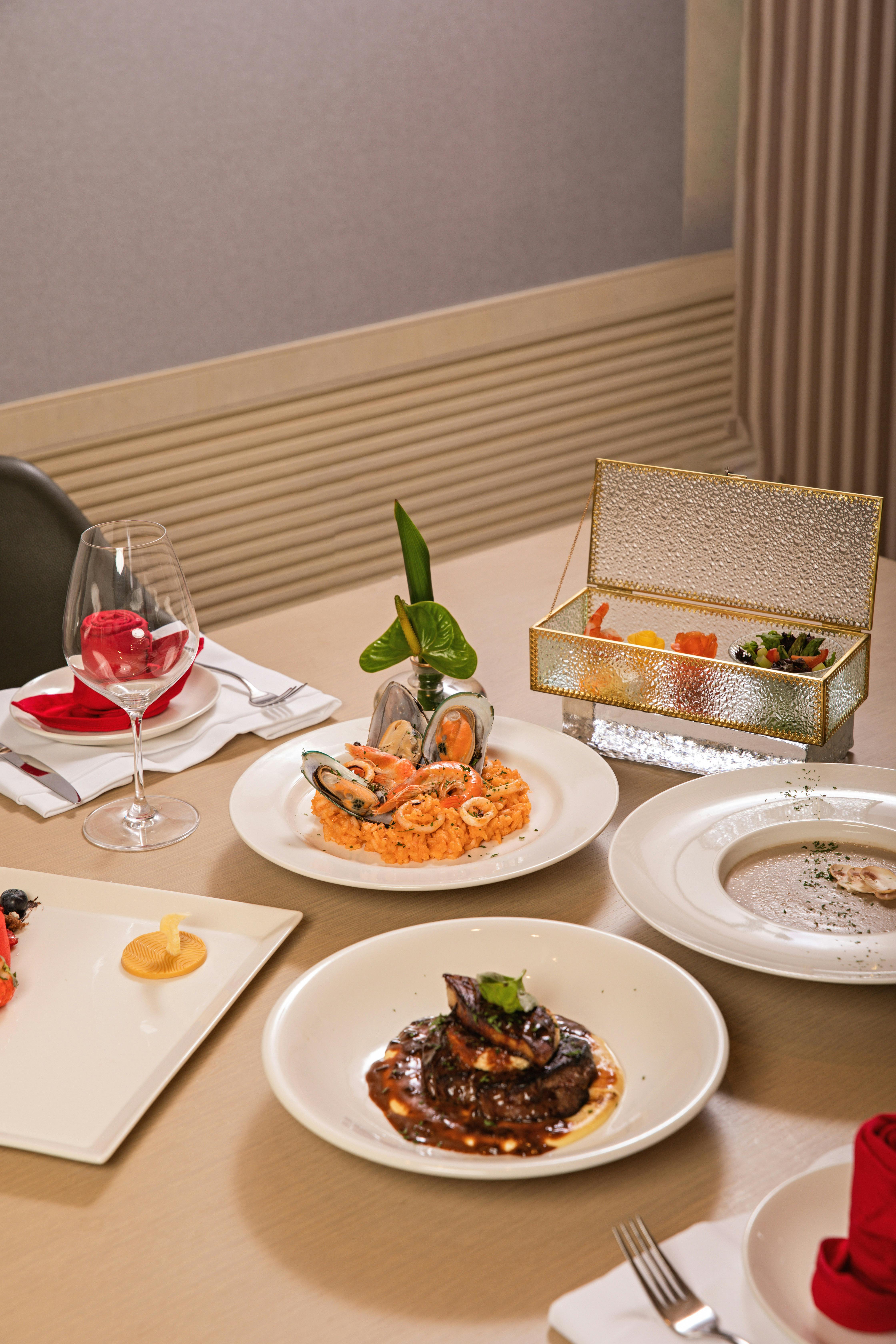
At its best, luxury dining combines craftsmanship, hospitality, and setting into one coherent act. The chef is not simply cooking; the kitchen is staging a measured performance in which each plate has a reason to exist. The room matters too. Linen, lighting, stemware, acoustics, pacing, and even the distance between tables all shape the meal. In a properly run dining room, the staff does not hover. They appear exactly when needed. That takes training, not theatrics.
People often talk about luxury as if it were mostly gold leaf and caviar. That is sloppy thinking. Frankly, the most impressive restaurants often show restraint. A perfectly grilled langoustine with a sauce that tastes of the sea can be more luxurious than a plate loaded with gimmicks. The truth is that scarcity alone does not create value. A place earns the label luxury when it respects ingredients, labor, and the guest’s attention.
That is where the Catholic instinct for order and beauty fits quietly in the background. Beauty is not decoration for its own sake. It points beyond itself. A dining room that honors work, matter, and service well done participates in that logic, even if nobody says so out loud. The finest restaurants usually understand this better than their critics do. They treat excellence as duty, not vanity.
For a broader view of premium hospitality, see luxury hotels and resorts, premium travel experiences, and fine jewelry craftsmanship. Why does that matter? Because the same standards show up across luxury categories.
Key benefits and importance
- Precision matters. Fine dining rewards disciplined technique, from knife work to sauce work to timing.
- Service is part of the product. The best restaurants make a guest feel seen without being managed.
- Travel value is real. Some of the world’s best restaurants are tied to cities, coastlines, and hotels that add meaning to the meal.
- Cultural value is genuine. Great dining preserves regional methods, seasonal ingredients, and local identity.
- Investment in memory. A superb meal can outlast a purchase because it becomes a story, not just a receipt.
Here’s the kicker: luxury dining is often most justified when it feels least noisy. The room is calm. The food speaks. The service knows when to step back. That is not accidental. It is expensive to build and even more expensive to maintain.
Step-by-Step Guide to Choosing a Truly Luxurious Restaurant
The best reservation is rarely the loudest one. When I evaluate a luxury restaurant, I look past the awards and ask a few basic questions: Does the kitchen show control? Does the dining room have rhythm? Are the ingredients distinct, or merely expensive? Simple questions. Hard answers.
- Start with the chef’s discipline. A luxury restaurant should have a clear point of view, not a pile of borrowed trends. If the menu reads like a parody of modern fine dining, I pass. What actually works is coherence: seafood where seafood belongs, vegetables treated with respect, sauces with depth, and desserts that finish cleanly.
- Check the sourcing. Great restaurants tend to list farms, fisheries, vintages, or regions because they care about where things come from. That matters. Ingredient ethics are not a marketing side quest; they are the basis of honest luxury. If the plate depends on hidden shortcuts, the whole claim starts to wobble.
- Study the service style. Luxury service is not fawning. It is measured, calm, and alert. I prefer a team that anticipates needs without turning the meal into a performance of servility. A good room feels efficient and humane. Nobody wants to be managed like luggage.
- Consider the setting. A table overlooking the Bosphorus, a terrace in Kyoto, or a dining room in a historic hotel changes the meal. That does not mean the view excuses bad food. It means the best experiences connect place and plate. If you want that depth, compare destination dining with luxury travel destinations and exclusive hotel experiences.
- Look for consistency, not virality. Social media loves flash. Luxury rewards repetition. The great house can produce the same standard on a Tuesday in March as it does during peak season. That is where the real value lives.
- Check the wine program and spirits list. A serious cellar shows judgment, not just spending. The same goes for cocktails, sake, and nonalcoholic pairings. A restaurant that treats drinks as an afterthought is usually selling a partial experience.
- Pay attention to the bill. High price does not equal high luxury. If the meal feels engineered to impress idiots, leave it alone. I have seen too many places use truffle, gold, and absurd plating to distract from weak cooking. Let’s be real: the bill should reflect labor, rarity, and skill, not insecurity.
Comparison Table: Luxury Dining vs. Michelin-Hyped Hype Dining
| Factor | True Luxury Dining | Michelin-Hyped Hype Dining |
|---|
| Food quality | Consistent, seasonal, technically sharp | Flashy, uneven, sometimes overworked |
| Service | Quiet, precise, intuitive | Scripted, showy, occasionally stiff |
| Atmosphere | Calm, coherent, comfortable | Designed for photos, less for dining |
| Ingredients | Sourced with care and transparency | Sometimes used as status symbols |
| Value | High if experience is complete | Often inflated by brand heat |
| Memory factor | Strong, layered, lasting | Novel at first, forgettable later |
For context on the standards behind elite hospitality, review The World’s 50 Best Restaurants, the MICHELIN Guide, and Fine Dining Lovers. For broader luxury market context, Bain & Company’s luxury goods study is useful, because restaurant spending sits inside the wider premium economy.
Common Mistakes to Avoid
Most bad restaurant advice is recycled nonsense. People love to say, “Just pick the hottest place,” as if heat were a virtue. It is not. A packed dining room can mean quality, or it can mean a good PR team and a short memory in the crowd.
- Mistaking expense for excellence. A steep tasting menu can still be clumsy. The point is not to pay more; it is to receive more skill, more care, and more coherence.
- Chasing awards blindly. Stars and rankings help, but they are not sacred writ. Inspect the restaurant’s current menu, recent reviews, and the style of service. A former great house can coast for years.
- Ignoring location. Luxury dining is often intertwined with destination. A mediocre restaurant in a glamorous district is still mediocre. The setting may impress the eye, but the tongue keeps score.
- Overvaluing theatrics. Smoke, foam, caviar bumps, and tableside drama can be fun. They are not substitutes for balance, flavor, and texture. If a chef needs pyrotechnics, the kitchen may be hiding something.
- Skipping the wine and nonalcoholic pairings. The beverage program can elevate or sink the night. A restaurant with a lazy pairing list is asking you to accept half the craft.
- Choosing with ego. There is a certain vanity in dining only where everyone else has heard of the place. Fine. But the goal is not social theater. It is an excellent meal.
One more thing: some of the best luxury experiences are morally intelligible because they honor work. A well-run kitchen depends on labor that is exacting, often unseen, and rarely glamorous. That deserves respect. When luxury recognizes that, it stops being vulgar and becomes something closer to stewardship.
Frequently Asked Questions
What makes a restaurant luxurious?
A luxurious restaurant combines superb food, polished service, excellent ingredients, a strong sense of place, and a room designed to support the meal rather than distract from it.
Is a Michelin star the same as luxury?
Not always. Michelin stars often signal technical quality, but luxury also depends on comfort, atmosphere, pacing, and the overall guest experience.
Are luxury restaurants worth the price?
Sometimes. If the meal delivers consistency, rarity, skill, and emotional memory, yes. If it relies on hype and decoration, no.
What should I look for in premium dining while traveling?
Look for local sourcing, strong service, a thoughtful beverage program, and a restaurant that reflects its city or region instead of copying someone else’s formula.
Final Thought
Luxury dining is not about being impressed. It is about being cared for at a very high level while tasting something that could not have been made casually. That distinction matters. Anyone can spend money on a meal. Very few places deserve the money, the time, and the memory.
When I think about the truly luxurious restaurants in the world, I do not think first about chandeliers or celebrity gossip. I think about craft that has been refined until it feels almost invisible, about ingredients handled with gratitude, and about a dining room where every detail serves the guest without shouting for praise. That is rare. It should be.
If the meal is excellent, the room calm, and the service exact, then the experience becomes more than indulgence. It becomes a small act of ordered beauty, and that is no small thing in a world too often content with noise.