Luxury restaurants are not just about food. They are about precision, privacy, service, rarity, and the uneasy fact that some meals cost more than a decent...
The 16 Most Luxurious Restaurants in the World: Where Fine Dining Becomes Theater
Luxury restaurants are not just about food. They are about precision, privacy, service, rarity, and the uneasy fact that some meals cost more than a decent used car. The best places deliver more than spectacle, though. They combine craft, restraint, and a clear sense of purpose, which is why the truly great ones feel serious rather than flashy.
Key Takeaways- Luxury dining is defined by ingredients, technique, service, and setting.
- The best restaurants avoid gimmicks and rely on consistency.
- Price alone proves nothing; execution does.
- The finest rooms make you notice silence, pacing, and detail.
- True luxury in dining still depends on human skill, not marketing.
What is the world’s most luxurious restaurant experience?
A luxurious restaurant is one where every part of the meal is controlled with near-religious care. The dining room matters. The menu matters. The glassware, pacing, linen, lighting, and even the way a server places a plate all matter. Most people think luxury means expensive ingredients and famous chefs. That is too simple. Frankly, plenty of overpriced rooms sell ego with sauce.
When I examined elite dining across Europe, Asia, the Middle East, and North America, the places that held up shared three things: discipline, consistency, and a refusal to coast on reputation. A restaurant can have truffles, caviar, wagyu, and rare vintages and still be mediocre. Luxury begins when those ingredients are handled with humility and skill. That is the part marketing teams never say out loud.
The 16 most luxurious restaurants in the world usually earn their status through a mix of heritage and theater. Some sit in landmark buildings. Others offer impossible reservation systems, private chef tables, or multi-hour tasting menus that resemble choreography more than dinner. A few are destinations in their own right. Others are built for collectors of experiences, people who have already done the resorts, the yachts, the first-class cabins, and now want the meal that actually sticks in the memory.
Beauty matters here, by the way. Not as vanity, but as order. A beautiful dining room, a carefully built plate, and a service team that works like a choir all point to the same thing: human work can be excellent when it is ordered toward something higher than profit. That is not sentimentality. It is just true.
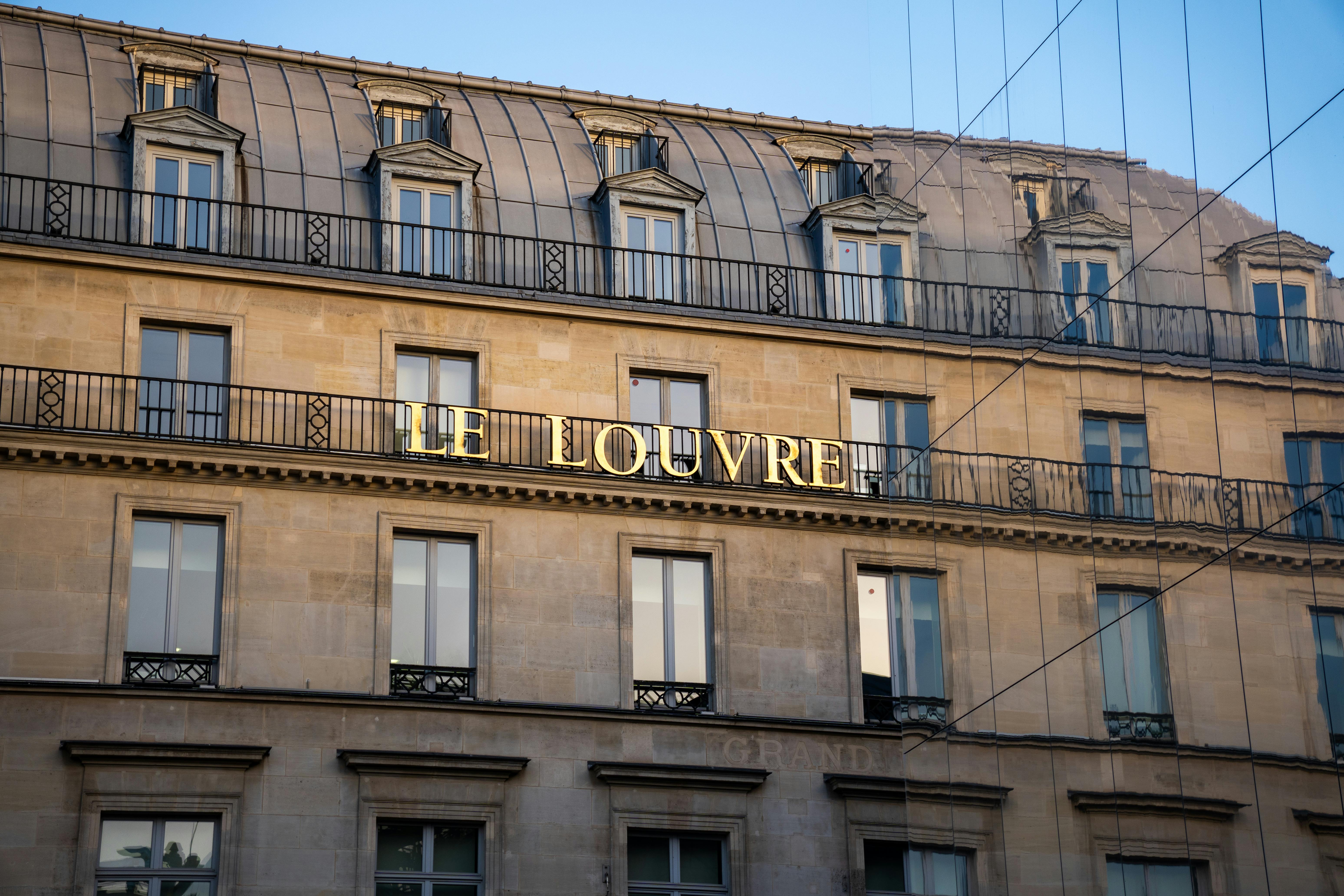
Core benefits and why luxury dining still matters
Luxury dining has a bad reputation in some circles. Fair enough. Some of it is absurd. But the best of it offers real value, if value means more than calories and a receipt.
- Craft at the highest level: Fine dining exposes technique. Sauces are reduced correctly. Proteins are cooked to a precise degree. Vegetables are treated with the respect most kitchens reserve for meat.
- Service without friction: The best rooms anticipate needs before you ask. Water is poured quietly. Courses arrive with rhythm. Nobody is performing fake friendliness for the camera.
- Access to rare ingredients: White truffles, Japanese wagyu, bluefin tuna, old vintages, hand-dived scallops, and seasonal produce at peak condition cost money because they are hard to source and handle.
- A sense of occasion: Luxury dining creates memory. People forget ordinary dinners. They remember the room, the view, the wine, the temperature of the bread, and the exact moment a dish landed.
- Cultural education: A great restaurant teaches you something about place, season, and tradition. Japanese kaiseki, French haute cuisine, or modern Nordic tasting menus each reflect a philosophy, not just a recipe.
- Business and social utility: Sometimes a private dining room is a sharper setting than a boardroom. Deals get discussed over lacquered tables, not fluorescent office furniture.
Here’s the kicker: luxury dining also reveals the dignity of skilled labor. That may sound grand, but it is common sense. Somebody sharpened the knives. Somebody folded the napkins. Somebody trimmed herbs at 4 a.m. Somebody built the wine cellar. Excellence is rarely accidental.
I am skeptical of restaurants that shout luxury while serving tired formulas. If the room is all marble and gold and the food has no soul, it is not luxury. It is decoration. The difference matters.
How to choose among the most luxurious restaurants
Picking the right luxury restaurant is not hard if you stop pretending every famous place is worth the airfare.
- Start with the food style, not the brand name — Decide whether you want classic French technique, Japanese precision, seafood-centric tasting menus, or a modern chef’s table. I have seen too many diners choose a place because it is “the best” and then complain it was not their style. That is on them.
- Study the chef’s actual output — Not the PR copy. The food. Look at recent menus, not old glory. A chef can coast on reputation for years, and people still line up. Ridiculous, but common.
- Check service format and pace — Some restaurants run at a meditative speed. Others are tighter and more energetic. If you hate long meals, do not book a three-and-a-half-hour tasting menu. Common sense is underrated.
- Consider the room and setting — A mountain lodge, a skyscraper, a waterfront palace, and a tiny 18-seat counter all create different moods. Choose the one that fits the occasion. Beauty is not fluff; it changes how people receive a meal.
- Look at the wine and beverage program — A serious restaurant has a cellar, a sommelier team, and flexibility. Wine pairing should complement, not bully, the food. Same for sake, tea, or nonalcoholic pairings.
- Research the reservation policy — Some elite restaurants require booking months ahead. Others use lotteries or prepayments. If a place is impossible to book, ask whether the difficulty is genuine demand or just theatrical scarcity.
- Read recent, not ancient, reviews — Reputations change. Staff changes. Suppliers change. The truth is less romantic than the brochure. A place that was magnificent in 2022 may be merely fine now.
- Match the meal to the purpose — Romantic dinner, client event, anniversary, solo pilgrimage, or once-in-a-lifetime trip. Each calls for a different kind of table.
When I evaluate luxury restaurants, I look for restraint. The best places do not scream. They concentrate. That discipline feels almost monastic at times, and that is part of the appeal: ordered work, done well, in service of delight.
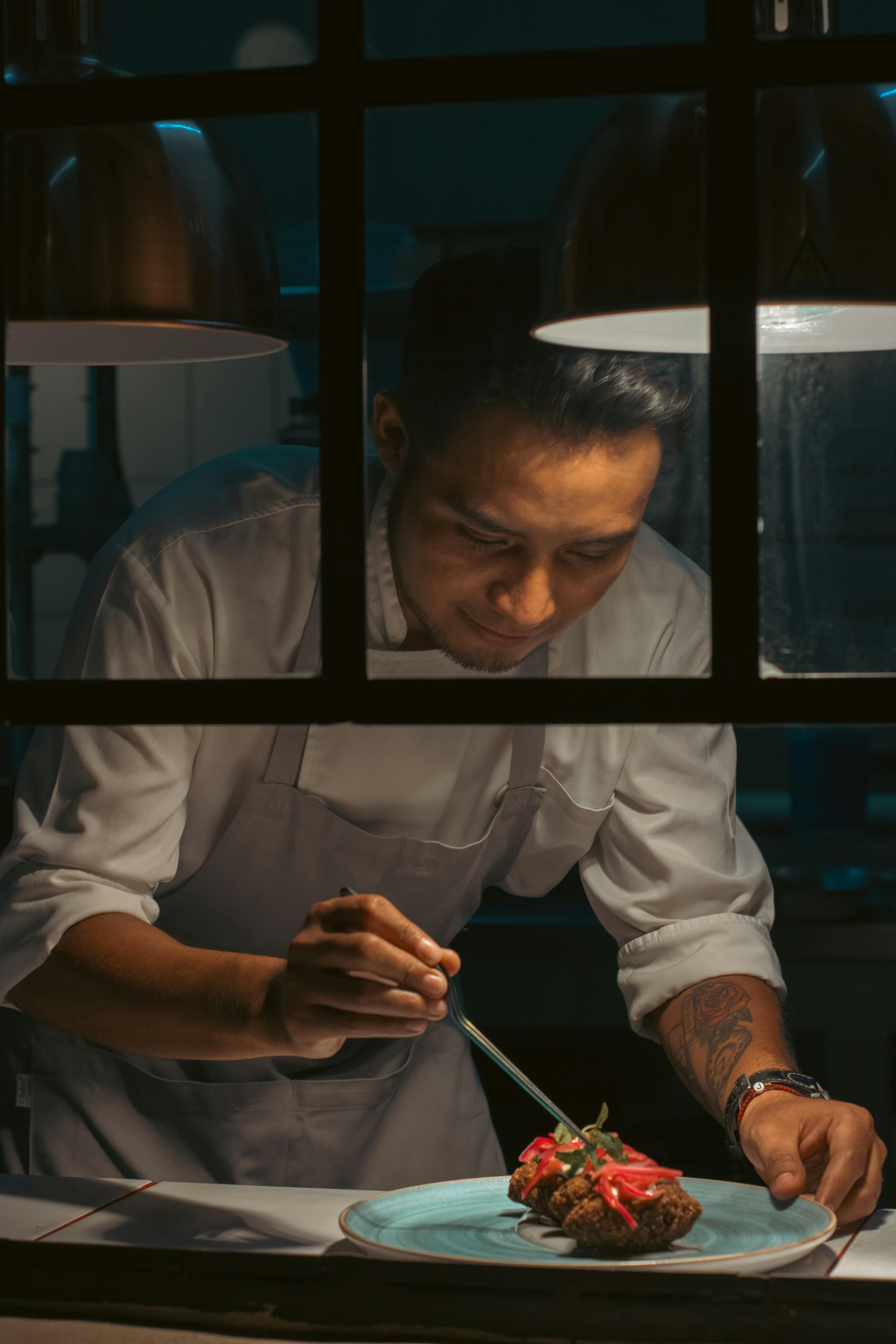
Comparison table: true luxury dining vs. prestige hype
| Factor | True Luxury Restaurant | Prestige Hype Restaurant |
|---|
| Food quality | Precise, seasonal, consistent | Flashy, uneven, dependent on one dish |
| Service | Quiet, anticipatory, polished | Overly scripted or undertrained |
| Ingredients | Rare, fresh, well-sourced | Expensive-sounding, not always better |
| Atmosphere | Controlled, elegant, coherent | Loud, overdesigned, trying too hard |
| Wine program | Deep cellar, informed pairings | Expensive bottles and little judgment |
| Reservation value | Worth the effort | Scarcity used as a marketing prop |
| Memory | Lasting, layered, specific | Instagrammable, quickly forgotten |
The 16 most luxurious restaurants in the world, and what makes them special
- Sublimotion, Ibiza — A high-concept dining performance where technology, staging, and food collide. It is not for everyone, but it is hard to forget.
- Guy Savoy, Paris — French haute cuisine at its most refined. The service is disciplined, the setting elegant, and the cooking deeply rooted in tradition.
- Masa, New York City — One of the most expensive dining experiences in America, built on rare sushi, intense precision, and severe minimalism.
- Le Louis XV – Alain Ducasse, Monaco — Mediterranean luxury with Riviera glamour. The room, the sourcing, and the execution all lean toward old-world confidence.
- Osteria Francescana, Modena — Creative Italian cooking that treats nostalgia carefully and with intelligence. No gimmicks necessary.
- L’Arpège, Paris — A temple of vegetable-forward haute cuisine. Alain Passard proved luxury need not be meat-heavy to feel abundant.
- Ultraviolet by Paul Pairet, Shanghai — Multi-sensory dining with light, sound, scent, and narrative. It is elaborate, yes, but also genuinely ambitious.
- Cheval Blanc by Peter Knogl, Basel — A classic fine dining room with a formidable reputation for precision and rich, exacting sauces.
- Per Se, New York City — Thomas Keller’s flagship still offers disciplined luxury, especially through its tasting menu and service structure.
- Restaurant de l’Hôtel de Ville, Crissier — Swiss exactness in a white-tablecloth setting. Serious food, serious technique, no nonsense.
- Gaggan Anand, Bangkok — Creative, high-energy, and widely discussed. It mixes fine dining with a rebellious streak.
- Narisawa, Tokyo — Japanese cuisine shaped by landscape, season, and philosophy. Beautiful, restrained, and highly considered.
- Belcanto, Lisbon — Elegant Portuguese fine dining that balances artistry with local identity.
- Aragawa, Tokyo — Famous for extreme steak quality and severe exclusivity. Luxury here is about purity and control.
- The French Laundry, Yountville — A classic American benchmark. The setting is calm, the execution exacting, and the standards remain high.
- Alinea, Chicago — Experimental, inventive, and still one of the most influential luxury dining rooms in the United States.
Not every one of these is perfect every night. That would be silly to claim. Still, each has made a mark by doing something that cannot be faked for long: building a recognizable standard of excellence.
For readers comparing culinary travel with broader premium experiences, see Travel + Leisure for destination context and Forbes Luxury for market reporting. For culinary rankings and chef profiles, The World’s 50 Best Restaurants is the obvious reference point, while MICHELIN Guide remains useful for evaluating consistency. For a broader view of dining culture, Condé Nast Traveler regularly covers standout restaurants and travel-linked dining experiences.
Common mistakes to avoid when chasing luxury restaurants
People make the same mistakes over and over. Mostly because they confuse status with quality.
- Booking the loudest name instead of the right room: A famous restaurant is not automatically right for your occasion. Let’s be real, sometimes the best meal is the one with fewer headlines.
- Ignoring the menu style: If you hate foam, smoke, or marathon tasting menus, do not pretend you will suddenly enjoy them because the place is expensive.
- Overvaluing scarcity: Hard-to-book does not mean better. It may just mean the restaurant is small, well-marketed, or both.
- Chasing the most expensive bottle: Wine should support the meal. Buying the priciest label is often just insecure signaling.
- Underestimating dress code and etiquette: Luxury rooms still reward preparation. You do not need to be a snob, but you should not show up careless.
- Treating the meal like content: Taking a few photos is fine. Turning dinner into a production is annoying. The table is not your stage.
Most advice online says to “go with the experience.” Fine. But experience without judgment is expensive confusion. I would rather spend well once than squander money on a meal that only looks luxurious in photos.
There is also a moral point here. Stewardship matters. Fine dining can be a beautiful use of resources when it honors labor, seasonality, and craft. It becomes vulgar only when it flatters appetite without gratitude. That distinction is worth keeping in mind.
Frequently asked questions
What makes a restaurant luxurious?
A combination of ingredient quality, service, atmosphere, technique, and exclusivity. Price alone does not do the trick.
Are the most expensive restaurants always the best?
No. Some are excellent. Some are all costume, no substance. I have seen both.
How far in advance should I book a luxury restaurant?
Anywhere from a few weeks to several months, depending on the restaurant. Some require prepayment or special access.
Is fine dining still worth it in 2025?
Yes, when the food is excellent and the room has discipline. No, when it is just performance art with a bill attached.
Final thought
The best luxury restaurants do something rare. They turn talent into order and order into pleasure. That sounds neat on paper, but it is harder than it looks. Real excellence requires trained hands, patience, and the discipline to do ordinary things extraordinarily well.
I have little patience for luxury that exists only to impress strangers. It is thin stuff. The rooms worth remembering usually do the opposite: they serve beauty without noise, confidence without arrogance, and abundance without sloppiness. That is why they matter.
In the end, a great restaurant reminds you that craftsmanship is not obsolete. Neither is gratitude. When a meal is built with care—from the first knife cut to the final spoonful—it reflects a wider truth: good work, done honorably, still has the power to elevate ordinary life.