The most luxurious restaurants are not just expensive. They are exacting. They combine rare ingredients, disciplined service, prized locations, and rooms built...
The 16 Most Luxurious Restaurants in the World: Fine Dining, High-End Hospitality, and the Art of the Exceptional Meal
The most luxurious restaurants are not just expensive. They are exacting. They combine rare ingredients, disciplined service, prized locations, and rooms built to make time feel slower, which is the real trick. Frankly, most places selling “luxury” are just charging more. The best ones earn it.
Key Takeaways- Luxury dining is about craftsmanship, not gimmicks.
- The finest restaurants blend service, setting, ingredients, and pace.
- Price alone means very little.
- The best meal often feels calm, not loud.
- True luxury respects both the guest and the cook’s labor.
What is luxury dining?
Luxury dining is a meal built with rare care, not theatrical noise. It means disciplined sourcing, precise technique, and service that notices things before you do. I’ve reviewed luxury experiences for years, and here’s what actually matters: the room, the rhythm, the wine list, the team, and the small signs of restraint. Overdecorated nonsense? Easy to buy. Real refinement? Hard.
Luxury restaurants often sit inside grand hotels, historic buildings, or extraordinary destinations, but the setting is only one part of the bargain. The meal itself has to hold up. That means technical cooking, but also judgment. Anyone can pile on truffles, caviar, and gold leaf. The better question is whether the dish tastes balanced, whether the ingredients have been treated with respect, and whether the experience feels complete instead of inflated.
This is where the category overlaps with luxury travel, hotels, and even design. A truly luxurious dinner is rarely just dinner. It is architecture, lighting, tablescape, pacing, glassware, and choreography. The best places understand that beauty is not fluff; it is form ordered toward good use. That idea sounds old-fashioned because it is.
For a useful comparison of fine-dining standards and global recognition, see the World’s 50 Best Restaurants, the Michelin Guide’s standards at guide.michelin.com, and the chef-led luxury hospitality model at Oetker Collection. Those sources won’t tell you everything, but they do show how the industry defines excellence.
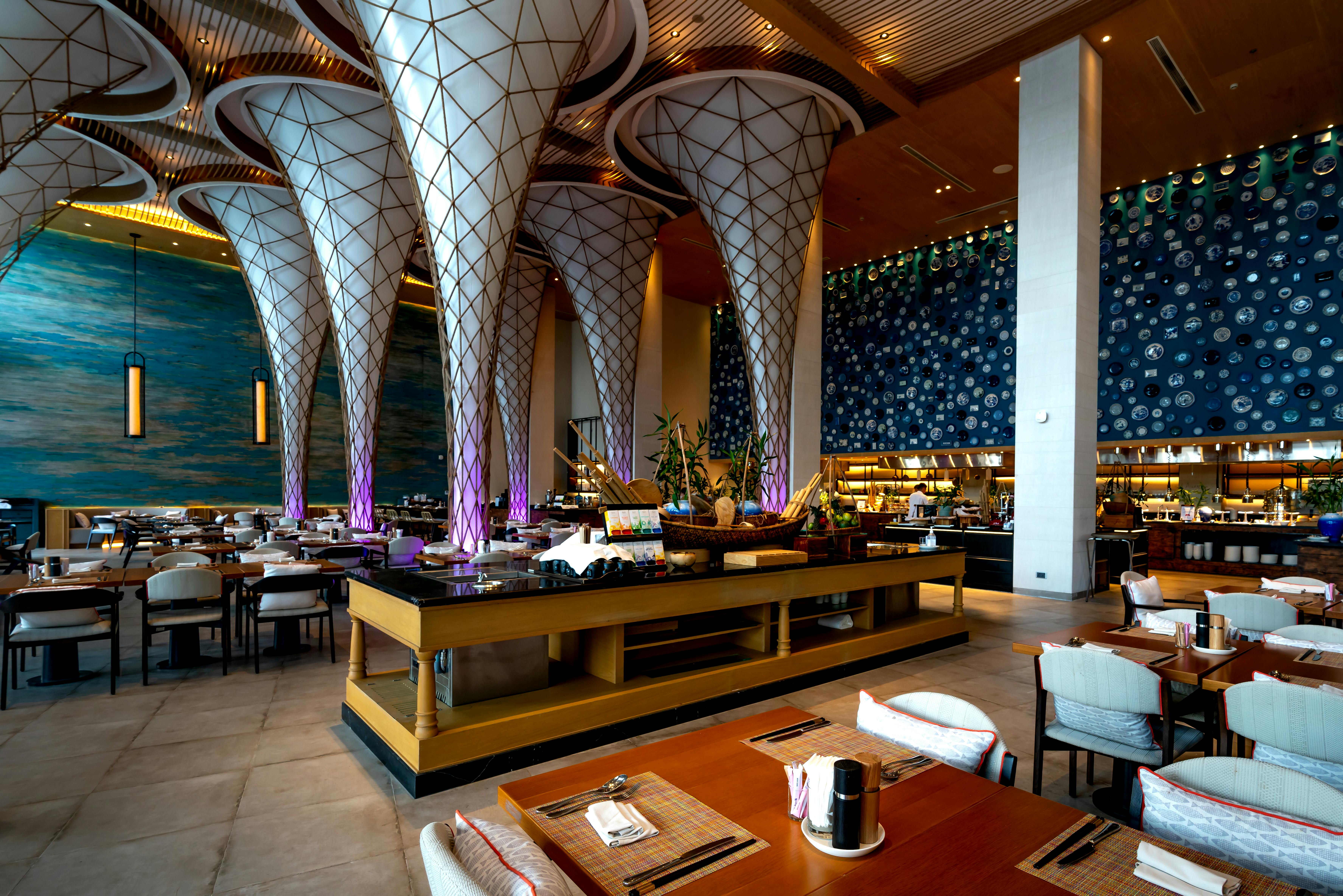
Luxury dining also carries a moral edge, whether the marketing admits it or not. A room can honor the dignity of work by respecting the kitchen brigade, the farmer, the fisher, and the sommelier. When done well, the meal becomes an act of stewardship: good ingredients used without waste, skill exercised without vanity, abundance tempered by discipline. That matters. Beauty, in the old sense, should lead somewhere higher than bragging rights.
Core benefits of luxury restaurants
Luxury restaurants matter for reasons that go beyond status. Some are practical. Some are emotional. A few are both. Let’s be real, the hype machine gets silly, but there are real advantages when a restaurant is operating at the top of the market.
- Consistency under pressure: Top restaurants deliver precision night after night. That is harder than it looks.
- Rare access: You get ingredients, vintages, and techniques that most kitchens cannot source.
- Service calibration: Good luxury service is attentive without hovering. Bad service is just expensive awkwardness.
- Memorable settings: Views, interiors, and acoustics shape the meal as much as the menu.
- Culinary authorship: The chef’s point of view is usually clearer at this level, which matters more than people think.
- Wine and spirits depth: Serious cellars and by-the-glass programs are not decorative. They change the meal.
- Cultural value: The finest restaurants preserve technique, regional memory, and artisanal labor.
The big contrarian point: expensive does not mean luxurious. A restaurant can charge five figures a table and still feel crude. Meanwhile, a place with a shorter menu, fewer frills, and better timing can feel magnificent. The real luxury is not excess. It is control.
That is why many travelers pair dining with elite hotels and destinations. A dinner at a place like Mandarin Oriental or a property known for curated culinary programming can lift the whole trip. Luxury travel, done properly, is built on sequence: arrival, rest, meal, wine, silence, repeat.

There is also the simple fact that great meals create social memory. Families mark anniversaries there. Collectors close deals there. Travelers remember the view, the dessert, the exact bottle, and the way the evening unfolded. That is not trivial. Human beings are built to remember meals. Scripture says man does not live by bread alone, and the finest restaurants understand the first half of that line very well.
How to choose a truly luxurious restaurant
Selecting a high-end restaurant is not about chasing the loudest name. It is about reading signals. I’ve looked at hundreds of menus, and the same pattern keeps showing up: the real thing usually has less shouting, not more.
- Start with the chef, not the press release. A serious chef has a point of view. Look for technique, sourcing, and a menu that feels edited. If everything is “signature,” nothing is.
- Check the setting and its purpose. Does the room support the meal, or does it distract from it? Good luxury design should frame the experience, not smother it.
- Study the reservations policy. Hard access can signal demand, but it can also be needless theater. I prefer systems that are firm yet sane.
- Read the wine list like a map. A thoughtful cellar shows depth across regions and price points. The mark of quality is not always verticals of trophy bottles; sometimes it is balance.
- Look for restraint in the menu. Luxury is not a long list of expensive add-ons. The best kitchens know when to stop.
- Check whether the staff can explain the food plainly. If a server speaks in fog and jargon, that is usually a bad sign. Competence sounds clear.
- Examine the pacing. The meal should move with confidence. Too fast feels cheap. Too slow feels like someone has lost the plot.
- Judge the details. Cutlery weight, linen quality, bread service, temperature of the room, bathroom care—these are not minor points. They are the bones of luxury.
- Use trusted guides, but do not worship them. Michelin and The World’s 50 Best are useful references, not holy writ. I trust my own palate more than a marketing campaign in a tuxedo.
- Ask whether the restaurant respects the craft. This is the hidden test. Great dining honors the labor behind the plate, from the cook’s knife skills to the farmer’s field.
For travel-planning context, compare dining with destination guides from Condé Nast Traveler and elite hotel curations from Luxury Travel Advisor. They help you match the restaurant to the rest of the trip instead of treating dinner as a random expense.
The kicker is this: the right restaurant often feels calm before it feels impressive. When I see panic in a dining room, I start looking for cracks.
Comparison table: luxury dining vs. high-end casual dining
| Category | Luxury Restaurant | High-End Casual Competitor |
|---|
| Price | Very high, often tasting menus and premium pairings | Moderate to high, à la carte or simplified prix fixe |
| Service | Highly choreographed, anticipatory, discreet | Friendly and polished, but less formal |
| Ingredients | Rare, seasonal, often sourced from specialty producers | Quality ingredients, usually less rare |
| Setting | Iconic interiors, views, or destination-driven spaces | Stylish but less theatrical spaces |
| Menu Strategy | Minimalism, precision, chef-led | Broader appeal and faster turnover |
| Wine Program | Deep cellar, sommelier-led pairings | Good list, but usually narrower |
| Experience Goal | Memorable, ceremonial, highly refined | Comfortable, premium, dependable |
| Best For | Anniversaries, collectors, luxury travel, special occasions | Frequent dining, business meals, relaxed indulgence |
The biggest competitor to luxury restaurants is not some other fancy spot. It is premium casual dining that looks polished and costs a fraction less. That category has improved a lot, and honestly, it has exposed weak luxury venues that rely on wallpaper and a celebrity chef name. The comparison forces the issue: is the experience truly elevated, or just expensive?
Common mistakes to avoid
Most people botch luxury dining in the same predictable ways. The advice floating around online is often shallow, which is no surprise. Plenty of it is written by people who have never paid the bill.
- Confusing rarity with quality: Caviar on everything is not excellence. It may just be insecurity with a garnish.
- Chasing status over taste: A famous room can still serve tired food.
- Ignoring the room: The room shapes the night. Bad acoustics can ruin expensive cuisine.
- Overvaluing price: A costly tasting menu can be sloppy. Price is evidence, not proof.
- Not checking the beverage program: Wine and spirits are part of the architecture of the meal.
- Assuming formal service equals good service: Some places are stiff, not skilled.
- Booking without context: A restaurant that shines in a city center may not suit a long destination stay.
- Forgetting the purpose of the meal: Business dinners, anniversaries, and travel meals need different atmospheres.
One more thing: do not worship “innovation” just because the menu says so. Every season brings some chef insisting that foam, smoke, or molecular tricks equal progress. Sometimes they do. Often they are a sideshow. Good cooking still comes down to temperature, seasoning, texture, and timing.
And yes, I say that with a bit of irritation because too many luxury restaurants hide behind branding instead of cooking. The old virtues still count. Hospitality. Skill. Humility. Clean execution. Those are not sexy words, but they pay the rent.
If you want broader luxury context, see how the market talks about high-end experiences in Robb Report and culinary luxury in Forbes Food & Drink. The better the publication, the less nonsense you have to wade through.
The deeper mistake is forgetting that excellence is disciplined. In a well-run kitchen, every person matters. That reflects a larger truth: work has dignity when it is ordered toward something beautiful and useful. A great restaurant understands that without making a speech about it.
Frequently asked questions
What makes a restaurant truly luxurious?
A truly luxurious restaurant combines rare ingredients, expert cooking, polished service, and a setting that supports the meal. The cost alone means very little.
Are tasting menus always better at luxury restaurants?
No. They can be excellent, but they can also be self-important. A shorter menu with better judgment often wins.
How do I know if a luxury restaurant is worth the price?
Look for consistency, clear culinary identity, a serious wine list, and staff who know how to explain the menu without sounding scripted.
Do Michelin stars guarantee the best experience?
No. Michelin is useful, but it is not infallible. Your own palate and the purpose of the occasion matter more than a logo.
Final thought
The finest restaurants are not monuments to excess. They are demonstrations of order, patience, and care. That is why they linger in memory. You do not just remember what was served. You remember the hush of the room, the precision of the glassware, the way the staff moved, and the sense that someone took the job seriously.
That last part matters most. A luxury restaurant that treats ingredients lightly, staff fairly, and guests with calm precision is doing something bigger than selling a meal. It is honoring craft. It is using abundance without vulgarity. It is proving that beauty can still be useful, and useful things can still be beautiful. Most places never get that far. The good ones do, and that is why people keep returning.