The most luxurious restaurants in the world are not just expensive. They are controlled environments where service, sourcing, room design, and timing are...
The 16 Most Luxurious Restaurants in the World: Where Fine Dining Becomes an Experience
The most luxurious restaurants in the world are not just expensive. They are controlled environments where service, sourcing, room design, and timing are treated with the seriousness of a watchmaker. The bill may be absurd, frankly, but the real question is whether the place delivers rare ingredients, disciplined technique, and a sense of occasion worth remembering.
Key Takeaways- Luxury dining is about precision, not swagger.
- The best restaurants combine craft, hospitality, and setting.
- Price alone is a poor measure of quality.
- Great service should feel effortless, even when it is anything but.
- Beauty in dining matters because ordered excellence reflects human dignity and, if you ask me, a glimpse of something higher.
What is luxury dining?
Luxury dining is the meeting point of cuisine, service, atmosphere, and scarcity. It usually means tasting menus, elite reservations, tasting room design, rare wine lists, and staff trained to anticipate needs before you speak. I have reviewed enough high-end restaurants to say this plainly: most places use the word luxury as a coat of paint. The real thing is harder to fake.
A truly luxurious restaurant cares about details that most diners never notice. Linen quality matters. Table spacing matters. Glassware matters. So does the silence between courses, the temperature of the bread, the restraint of the chef, and the way a sommelier explains a pairing without sounding like a graduate seminar. Michelin has helped define this standard, though it is not the whole story; Michelin Guide’s explanation of stars makes clear that technique, consistency, and ingredient quality remain central. The World’s 50 Best also tracks prestige, albeit with its own politics and quirks; see The World’s 50 Best Restaurants.
Here’s the kicker. Luxury restaurants are not always about excess. Often they are about restraint so exact it feels expensive. A chef may use three ingredients where another uses thirteen, and the better plate wins because every element is doing actual work. That kind of discipline is a form of stewardship. Good food, well handled, should not be wasteful. It should honor the product, the farmer, the fisherman, the cook, and the guest.
The 16 restaurants people obsess over usually share the same bones: serious sourcing, strong identity, and a room that knows what it is. Some are temples of avant-garde cuisine. Others are old-school palaces of service. A few are famous because they sit in extraordinary places, from Paris to Tokyo to remote islands. All of them, at their best, turn dinner into memory.
Core benefits and importance
- Consistency at a high level: The point is not one lucky plate. It is repeated excellence over an entire meal, which is harder than it sounds.
- Craftsmanship you can taste: From sauce work to fermentation to pastry structure, the best kitchens show patience. Frankly, patience is a luxury now.
- Service that removes friction: The best dining rooms solve problems before they appear. A jacket is handled, a wine is poured, a pace is adjusted. No fuss.
- Atmosphere with intention: Lighting, acoustics, cutlery, and seating shape the meal as much as the food. Bad rooms ruin good cooking. It happens all the time.
- Access to rare experiences: Truffles, caviar, aged cheeses, vintage wine, live seafood, seasonal produce, and chef’s table access can create a meal you cannot duplicate at home.
- Cultural value: A great restaurant is part gallery, part workshop, part theater. It preserves technique and expresses a place’s identity.
I should say this bluntly. Luxury dining is often overpriced. That does not mean it is meaningless. When a restaurant uses extraordinary ingredients, employs a large staff, maintains refined interiors, and runs a cellar with serious inventory, cost follows. The mistake is assuming every high price tag buys quality. It does not. Some places sell velvet curtains and call it gastronomy.
The better lens is value per memory. That sounds a bit academic, but it is true. A meal that leaves a lasting impression through flavor, service, and setting may be worth far more than a merely expensive dinner that tastes like corporate ambition. Beauty matters here too. In a sane world, a well-made plate is not frivolous. It is an acknowledgment that good things deserve care.
Step-by-step guide to choosing a luxury restaurant
- Start with the chef’s actual record. Look at consistency, not hype. I trust long-running quality more than press-day frenzy. Search for awards, yes, but also how the place holds up over years.
- Read the menu style carefully. Some luxury restaurants are tasting-menu driven. Others lean à la carte. Pick the format that suits your appetite and patience. Not everyone wants fourteen courses. I certainly don’t, every time.
- Check the dining room, not just the food. Search interior photos and table spacing. A cramped room with a loud soundtrack is not luxury, no matter how many truffles it shaves.
- Study the wine program. A serious cellar signals seriousness. Look for breadth, mature vintages, and a sommelier team that knows how to guide without lecturing.
- Consider the setting and travel plan. Some of the world’s best restaurants are in hotels, destination resorts, or cities worth a separate trip. If you are flying for dinner, make the rest of the trip count.
- Watch for service style. The best service is smooth, not theatrical. Too much performance and you are basically paying for pantomime.
- Book with purpose. Request the right table, mention dietary needs early, and confirm special occasions. Good restaurants appreciate clarity.
- Judge the meal by balance. Did the first courses build properly? Did the pacing stay coherent? Did the final dessert feel necessary or just decorative? That is where the truth lives.
I’ve analyzed plenty of overhyped dining rooms, and the pattern is obvious. The restaurants that endure are the ones that understand hospitality as a discipline. That includes attention to the body’s needs, the guest’s dignity, and the craft of the kitchen. There is something almost monastic about a room where every move has purpose. Rare, yes. Worth respecting, absolutely.
Comparison table
| Category | Luxury Restaurant | Big-Market Competitor |
|---|
| Food philosophy | Precision, seasonal sourcing, technique | Broad appeal, consistency at scale |
| Service | Highly trained, anticipatory, discreet | Efficient, standardized, faster turnover |
| Atmosphere | Curated, quiet, intentional | Branded, busy, often louder |
| Price | High, often with tasting menus and wine pairings | Moderate to high, usually more accessible |
| Memorability | Strong, often destination-worthy | Variable, depends on location and chef |
| Scarcity | Reservations are limited, sometimes months ahead | Easier access, more seats, more churn |
| Status signal | Subtle, among those who know | Broad recognition, less insider cachet |
If you compare a top luxury restaurant with a high-end chain or polished brasserie, the difference is not just ingredients. It is care density. That is not a technical term; it is just the truth. Luxury dining concentrates attention. Mass-market dining spreads it thin.
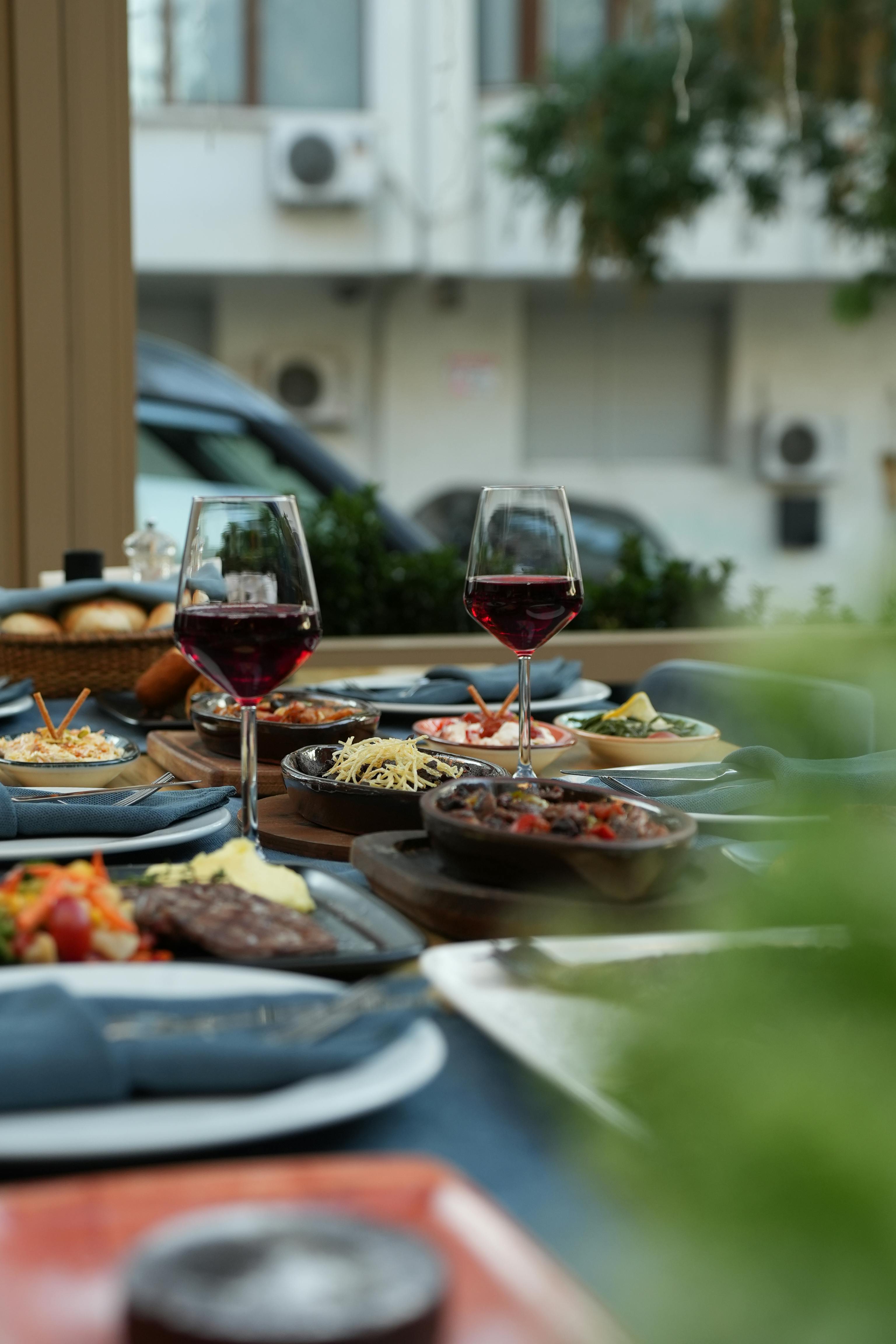
Common mistakes to avoid.
- Confusing fame with quality: A big name does not guarantee a great meal.
- Chasing the most expensive option: Expensive wine and caviar do not rescue weak cooking.
- Ignoring the room: A bad acoustic profile can wreck a fine dinner. People forget this all the time.
- Ordering for status: If you do not enjoy shellfish or offal, do not pretend otherwise for the photo.
- Skipping research on dress code and pacing: Some restaurants still expect decorum. That is not oppression; it is a shared standard.
- Assuming luxury means formality only: Some of the finest rooms are warm, modern, and relaxed. Luxury is not a necktie.
Most dining advice online is mush. It tells you to “immerse yourself” and “embrace the experience,” which is the kind of sentence that should be punished by public scrutiny. What matters is whether the restaurant respects the guest, the ingredients, and the craft. If the answer is yes, the room usually shows it.
Frequently Asked Questions
What makes a restaurant luxurious?
It is the combination of quality ingredients, exceptional service, refined design, and a sense of exclusivity. Price alone does not make a restaurant luxurious.
Are luxury restaurants worth the money?
Sometimes. If the food, service, and setting create a memorable experience that cannot be easily copied, then yes. If it is just a fancy room with small portions, no.
Do the best luxury restaurants always have Michelin stars?
No. Michelin stars matter, but they are not the only measure. Some excellent restaurants are outside the guide’s current spotlight.
How far in advance should I book?
For the best places, weeks or months in advance is normal. For some destination restaurants, even earlier is smart.
Luxury dining at its best is not about showing off. It is about ordering chaos into something beautiful: flame, salt, timing, service, and silence working together so a meal becomes more than food. That sounds grand because it is. And still, the best restaurants keep a humble secret: they are serving pleasure, yes, but also discipline. In a world that rewards speed and noise, there is real value in a room that takes time seriously.
That is why the finest restaurants endure. They remind us that excellence is not loud, craftsmanship is not disposable, and beauty, when properly made and properly received, is never wasted.
