Luxury restaurants are not just about price. They are about precision, restraint, and the stubborn pursuit of excellence, where service, sourcing, room design...
The 16 Most Luxurious Restaurants in the World
Luxury restaurants are not just about price. They are about precision, restraint, and the stubborn pursuit of excellence, where service, sourcing, room design, and timing all matter as much as the food itself. The best places use rare ingredients, skilled technique, and theatrical but disciplined hospitality to create a meal that feels memorable without becoming vulgar.
Key Takeaways- Luxury dining is defined by craft, not just cost.
- The best restaurants combine ingredient quality, service, setting, and consistency.
- Paying for prestige alone is usually foolish.
- Fine dining at the top level often reflects stewardship, discipline, and respect for beautiful work.
- The smartest diners compare more than menus: they compare rooms, pacing, cellar depth, and whether the experience is actually worth the bill.
What is luxury dining?
Luxury dining is a high-end restaurant experience built around exceptional ingredients, exacting technique, polished service, and a setting that supports the food instead of distracting from it. Frankly, a lot of places call themselves luxurious because they have linen napkins and a smug sommelier, but real luxury shows up in the details: a dish finished properly, a staff that anticipates needs, and a kitchen that treats every plate as if it matters. What is the point otherwise?
I’ve reviewed luxury dining rooms for years, and the pattern is obvious. The truly great restaurants are usually quiet about their own greatness, because they do not need to shout. They may use caviar, truffles, bluefin tuna, Wagyu, or rare wine, but the ingredients are only one part of the equation. The room matters. The pacing matters. The sense of proportion matters. Beauty, in the best Catholic sense, is ordered rather than gaudy; the meal should reflect skill and care, not just money tossed at the table like confetti. That is why the best restaurants often feel almost liturgical in their rhythm, with courses arriving in a measured sequence that respects appetite and attention.
Most luxury marketing is pretentious nonsense. Here’s what actually matters: if the restaurant can make a simple sauce taste profound, manage a room without fuss, and keep the guest comfortable from first sip to final petit four, it is worth paying for. If it cannot, then it is merely expensive. There’s the difference.
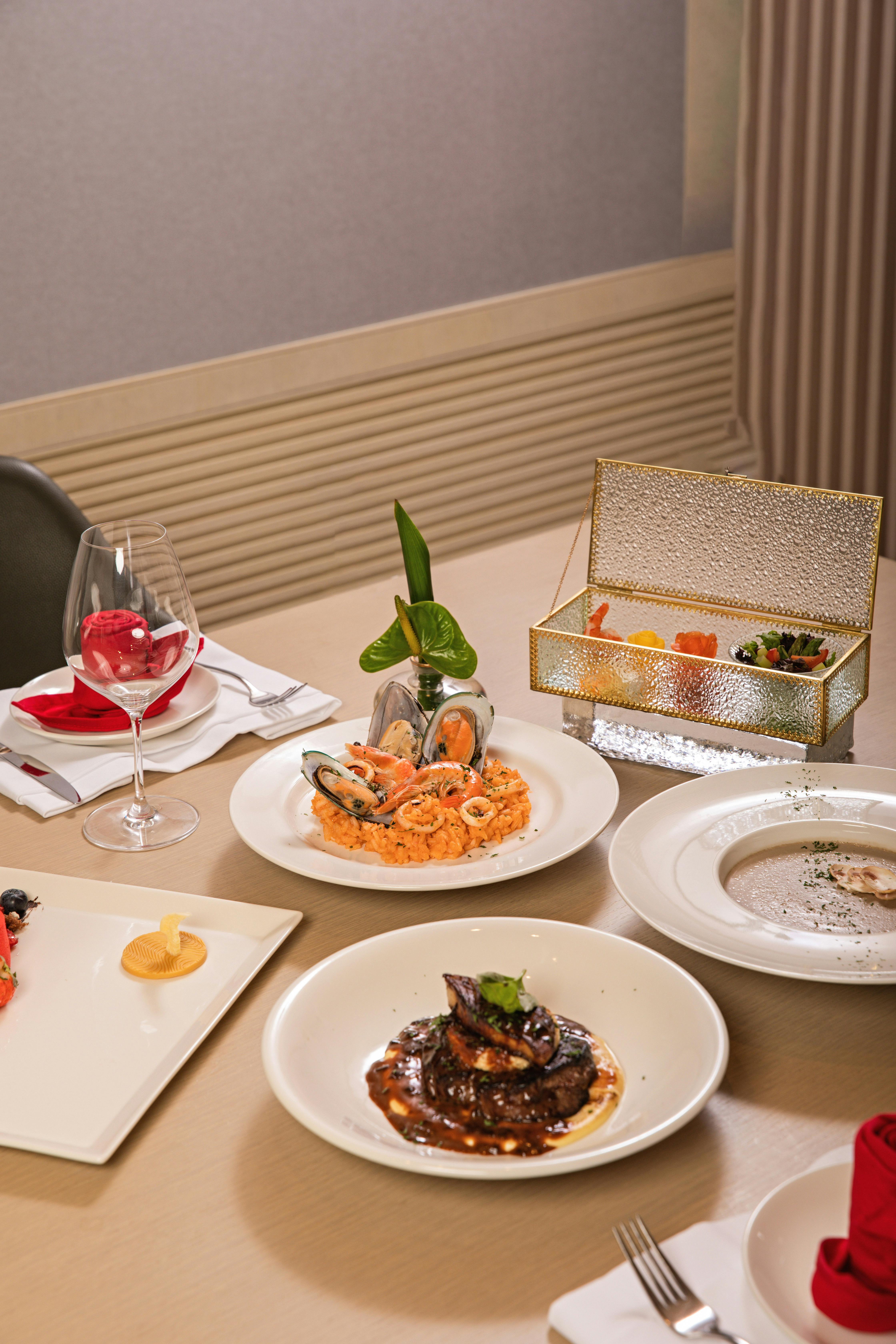
Core benefits and importance
Luxury restaurants matter for reasons that go beyond vanity. They are cultural institutions, working archives of technique, ingredients, and hospitality standards. They also reveal whether a city takes food seriously or merely performs it for tourists. The useful part? You can tell a lot about a place by how it treats bread, broth, and staff training.
- Craftsmanship at its peak: The best kitchens rely on knife work, sauce discipline, fermentation, aging, and fire management that cannot be faked. Skill is visible on the plate.
- Ingredient integrity: Great luxury dining protects the raw material. Caviar, shellfish, game, heirloom vegetables, and premium beef should taste like themselves, not like a marketing deck.
- Hospitality as service, not theater: Good service is invisible until it is missed. Staff who remember preferences, solve problems quickly, and avoid fawning earn their keep.
- Memorable settings: Room design, acoustics, table spacing, and view all shape perception. A beautiful room can elevate a meal; a bad room can ruin one.
- Cultural value: Exceptional restaurants preserve culinary traditions and pass them forward. That matters. Work done well should be honored.
- Investment in experience: Unlike a handbag or watch, a meal disappears, which is precisely why the experience must justify itself in the moment. No leftovers in the emotional sense.
Here’s the kicker: luxury dining is often judged too narrowly. People obsess over Michelin stars and Instagram shots while ignoring cellar depth, sourcing ethics, and the consistency of execution. A restaurant can have a famous chef and still serve tired food. I’ve seen it. The praise machine is not always honest.
Step-by-step guide to choosing the right luxury restaurant
Choosing a luxury restaurant should not be a blind leap into hype. You need a process, or you’ll overpay for a costume party with plates. Here is what actually works.
- Start with the food, not the fame. Read multiple reviews, compare tasting menus, and look for language about technique, seasoning, and timing rather than vague praise. If every article just says “iconic,” keep moving.
- Check the service model. Tasting menu restaurants, chef’s counters, hotel fine dining rooms, and old-school grand dining rooms offer different experiences. Pick the format that suits the night.
- Study the cellar. The wine list tells you whether management understands luxury or merely copies it. Strong by-the-glass options and thoughtful pairings usually signal competence.
- Examine the setting. Is the room calm? Are the tables too close? Is the lighting flattering? A restaurant can spend a fortune on chandeliers and still feel cheap if the room is loud and cramped.
- Look for restraint. The best places do not overcomplicate everything. When I compare elite dining rooms, I usually prefer confidence over clutter. Fewer gestures, better execution.
- Book based on purpose. Anniversary dinners, business meals, and solo tasting menus each call for different types of restaurants. A showy temple of foie gras may be wrong for a serious conversation.
- Assess value honestly. Luxury is not supposed to be cheap. But it should feel proportionate. If a meal is memorable for the wrong reasons—confusion, noise, rushed pacing, or indifferent staff—it failed.
If you want a broader framework for premium travel and dining choices, see Forbes Travel Guide for hotel and dining standards, and MICHELIN Guide for restaurant coverage and inspection criteria. For a more editorial take on high-end hospitality, Luxury Columnist often covers fine dining with useful context.
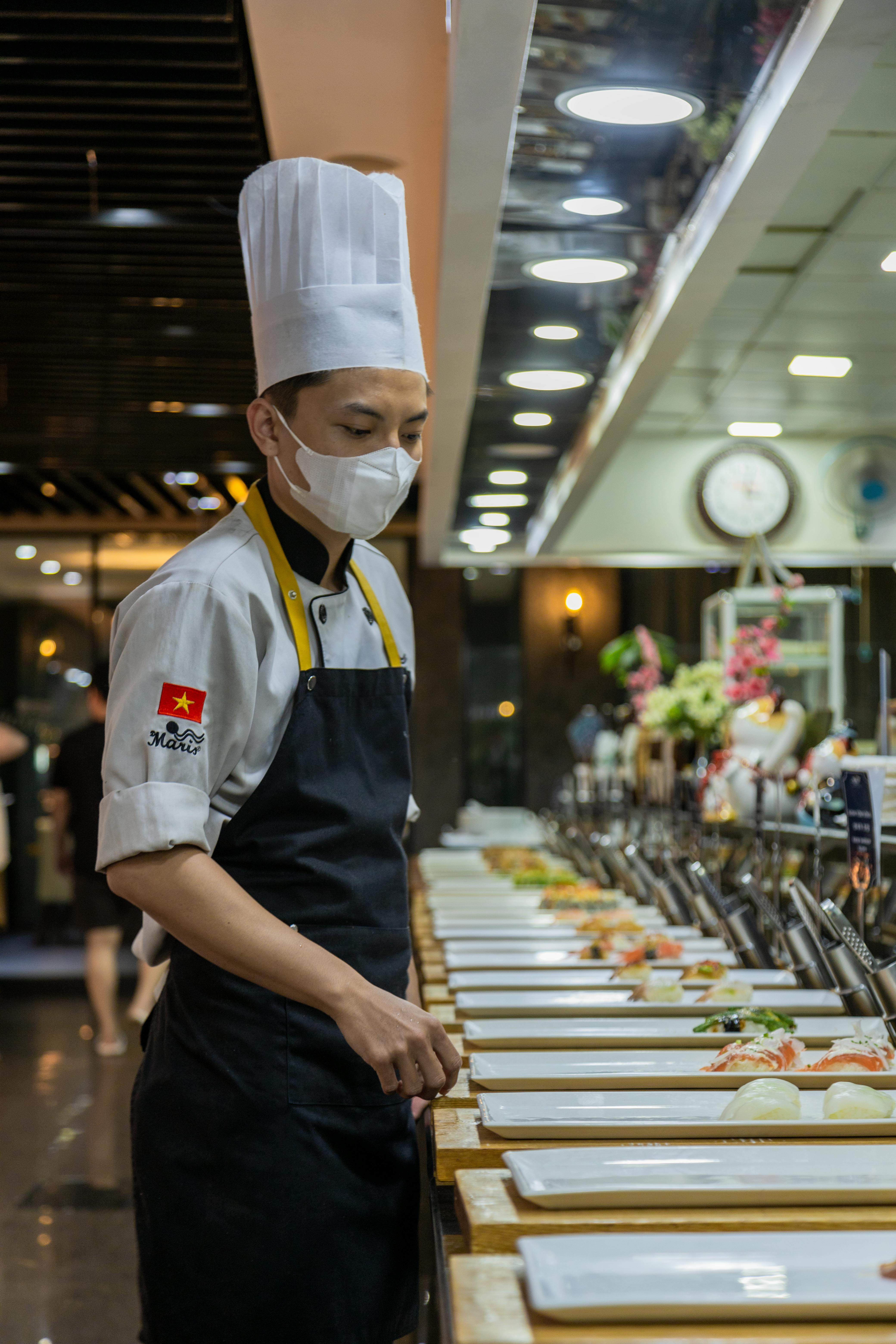
Comparison table
The easiest way to spot nonsense is comparison. A truly luxurious restaurant beats a hyped celebrity restaurant when the fundamentals are measured honestly.
| Criteria | Truly Luxurious Restaurant | Hype-Driven Celebrity Spot |
|---|
| Food quality | Precise, consistent, ingredient-led | Uneven, sometimes tuned for photos |
| Service | Calm, anticipatory, well-trained | Performative, rushed, or generic |
| Room design | Comfortable, quiet, intentional | Flashy, crowded, sometimes noisy |
| Wine program | Deep, thoughtful, balanced | Expensive labels with little logic |
| Value | High, if the experience is coherent | Often poor once the novelty fades |
| Return appeal | Strong, because standards hold | Weak, because the spectacle wears off |
That table tells the truth. Which one would you choose?
Common mistakes to avoid
Luxury dining fails most often when diners confuse price with quality. It’s a common trap, and frankly, a stupid one.
- Chasing fame over fit: A restaurant can be world-famous and still be wrong for your occasion, palate, or budget.
- Ignoring the room: Noise, lighting, and spacing matter more than people admit. A bad room makes good food feel smaller.
- Believing every superlative: “Best in the world” is often just marketing copy with a wine list.
- Ordering too much for status: Nobody needs to turn dinner into a trophy case. The point is pleasure, not proof.
- Skipping research on service style: Some luxury dining rooms are formal and paced, others are relaxed and minimalist. Mismatch leads to frustration.
- Assuming expensive means meaningful: Not every pricey menu reflects care. Some just reflect rent.
The truth is, the best dining experiences usually show order, not excess. Beauty should serve the meal, not bury it. That principle is older than modern luxury branding, and better too.
Frequently asked questions
What makes a restaurant truly luxurious?
A luxurious restaurant combines excellent ingredients, refined technique, polished service, and an atmosphere that supports the meal. Prestige alone does not count.
Are Michelin-starred restaurants always luxurious?
No. Michelin stars recognize quality, but luxury also depends on comfort, service style, room design, and the overall sense of occasion.
Is luxury dining worth the cost?
Sometimes. If the kitchen is excellent, the service is precise, and the experience feels coherent, the price can be justified. If not, you are paying for a name.
What should I look for before booking?
Read multiple reviews, check the tasting menu, study the wine list, and confirm whether the setting matches the occasion. That beats guessing.
Final thought
The best luxury restaurants are not museums of excess. They are places where skill, beauty, and hospitality meet in a way that feels human, disciplined, and quietly elevated. I’ve spent enough time in expensive dining rooms to say this plainly: the meal is only part of the value. The real measure is whether the restaurant treats its ingredients, its staff, and its guests with dignity.
That sounds lofty, but it is practical. A chef who respects the product usually cooks better. A manager who respects the room usually runs it better. A dining room that respects the guest usually earns loyalty instead of one-night applause. And yes, the bill may be steep. But if the experience is ordered, gracious, and memorable, it reflects something better than indulgence alone: a well-used gift, handled with care.
That is rare. And worth noticing.